


State Lottery: Two Arrests Over an 80-Million-Denar Embezzlement, While the Star Witness in Court Changed His Story
06.10.2026


06.10.2026

06.10.2026

06.10.2026

06.10.2026

06.10.2026

06.10.2026
06.10.2026

06.10.2026

05.10.2026

06.10.2026

06.10.2026

05.10.2026

06.10.2026

06.10.2026

06.10.2026
06.10.2026
05.10.2026

04.10.2026

06.10.2026

06.10.2026

06.10.2026
06.10.2026

06.10.2026
05.10.2026

09.03.2026

27.02.2026

19.02.2026
06.10.2026

05.10.2026
04.10.2026
06.10.2026
05.10.2026
04.10.2026

23.04.2026

23.04.2026

12.04.2026

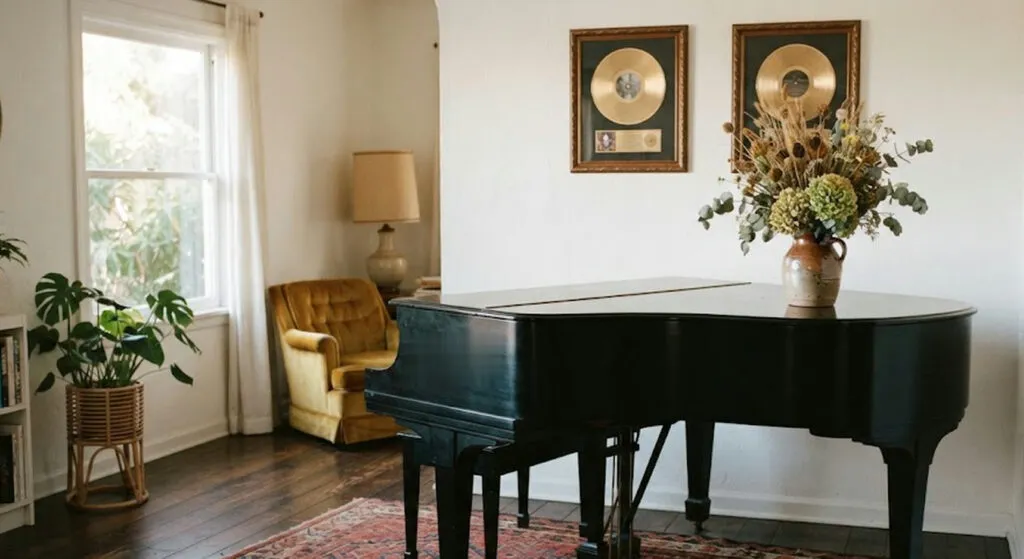
Rocío Dúrcal would have turned 82 on 4 October. The Spanish singer and actress, who died in 2006, spent half her life touring Latin America, but she always came back to one place: the family house in Torrelodones, just outside Madrid. It is not a cover-shoot villa, but a seventies home that still shows how a woman lived who was a star on stage and, at home, simply "Marieta", as those closest to her called her.
White concrete on the rocks
The estate covers 10,000 square metres, with views towards the Sierra de Guadarrama and the monastery of El Escorial. The house itself has 660 square metres and five bedrooms, built in the spirit of seventies white brutalism: white cement, exposed structure, clean lines and volumes that follow the slope of the land. Around it grow the cypresses, pines and oaks typical of the area - dense enough for privacy, sparse enough that the house does not hide from nature.
Anyone who grew up around the weekend cottages and houses of that era will recognise the logic: back then concrete was not hidden, and a building was meant to look like part of the rock, not a foreign object sitting on top of it.
A living room that doubles as a family album
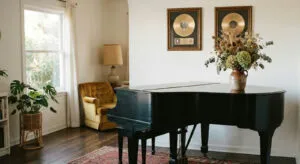
The heart of the house is the double-height living room, with a massive built-in fireplace and a black concert grand that serves both as an instrument and as a shelf for family photographs. The textiles are in neutral tones, in velvet, which brings warmth to the tall space. The floor is dark wood, and rugs divide the zones for sitting, talking and music. On the walls: candlestick-shaped lamps, canvases and ceramics, perhaps brought back from trips to Mexico.
This is decor that was not created for the camera but collected over years. Every object has an address it came from, and that is exactly why the room does not look dated even though it belongs to another era.
A reading nook in satin
One of the most photographed corners is the reading nook: a pale blue satin sofa with fringing, cushions with chenille details and bespoke white lacquered shelves with neoclassical mouldings, holding books and ceramics. Fringe, long dismissed as grandma's-room kitsch, is making a comeback in interiors, and this corner shows why - in a calm palette it adds softness, not excess.
The "music box" effect
In another room the walls are covered in paisley wallpaper in burnt sienna, cobalt blue and cream. The room is dominated by a dark burgundy velvet daybed with cushions made from fabric in the same pattern as the wallpaper. It is a professional decorator's trick: when the wall and the textiles match, the room reads as a single whole, enclosed and warm, like the inside of a music box. And it is a trick that is easy to copy in a flat, no 660 square metres required - a few rolls of wallpaper and a good paperhanger will do.
Gold records and a pool among the oaks
The house also has a music room, where the singer's gold and platinum records hang like works of art. It was a place for inspiration and work, not a display for guests. Outside, the pool sits at the centre of the garden, surrounded by carefully tended greenery that turns the yard into an oasis in keeping with the seventies architecture.
Today the house belongs to her daughter, Shaila Dúrcal. It remains the place where Rocío watched her children grow up and balanced an international career with family life. At a time when celebrity homes are sold through listings and Instagram tours, a house that stayed in the family says more about its owner than any catalogue could.
The latest 10 news from this category
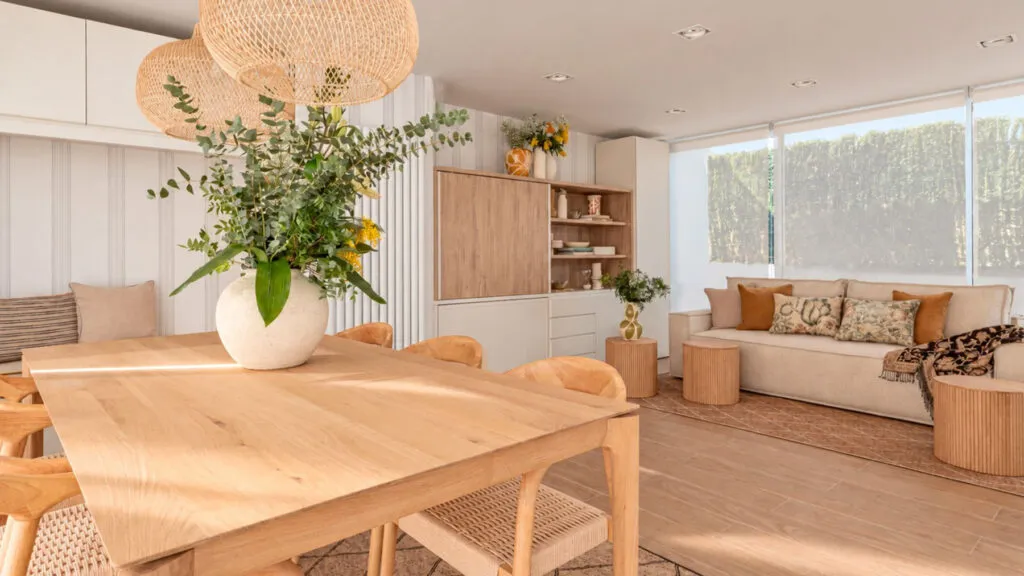
Out of 150 square metres of neglected rooftop, a family gained a whole extra floor: a place to work, host...

A double-height atrium that, according to the owners, only three other yachts in the world have, and a foundation funding...
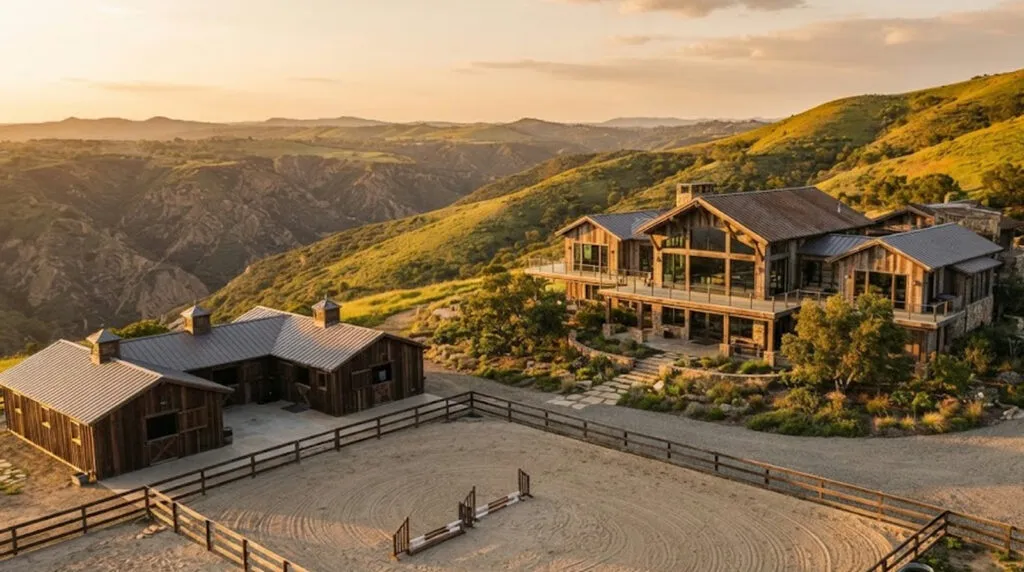
Bought for five million, renovated for another seven, and now on the market for over 26 - a ranch whose...
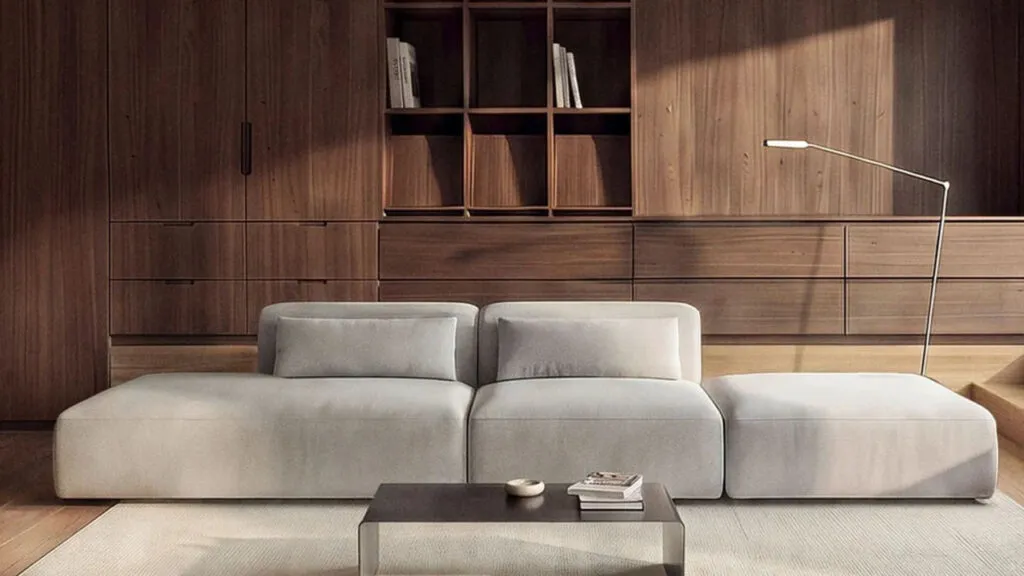
Scandinavian style is in retreat, and the walnut furniture we remember from our grandmothers' living rooms is this autumn's trend....
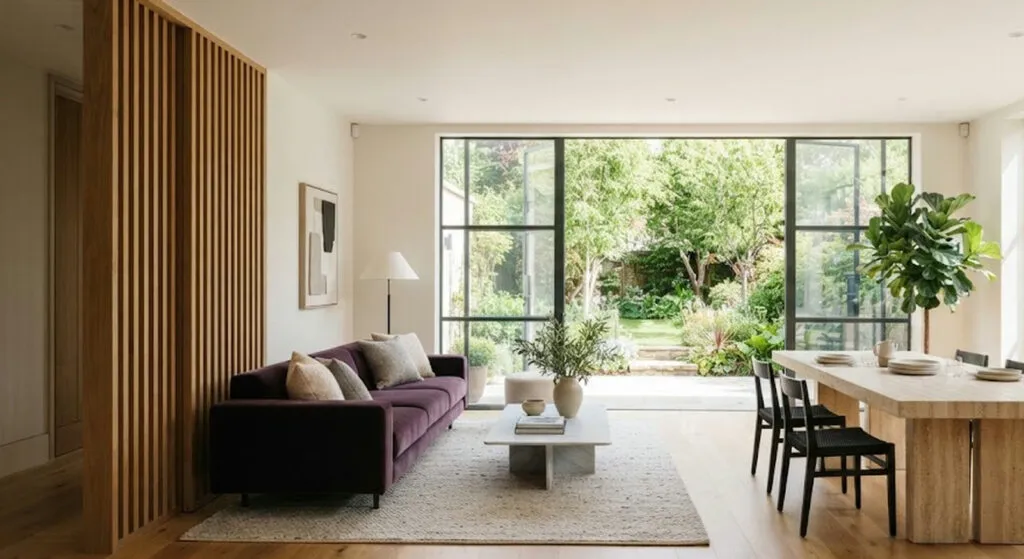
Bisbal is heading off on tour and leaving behind a 3,000-square-metre home, garden included. The best trick in it works...
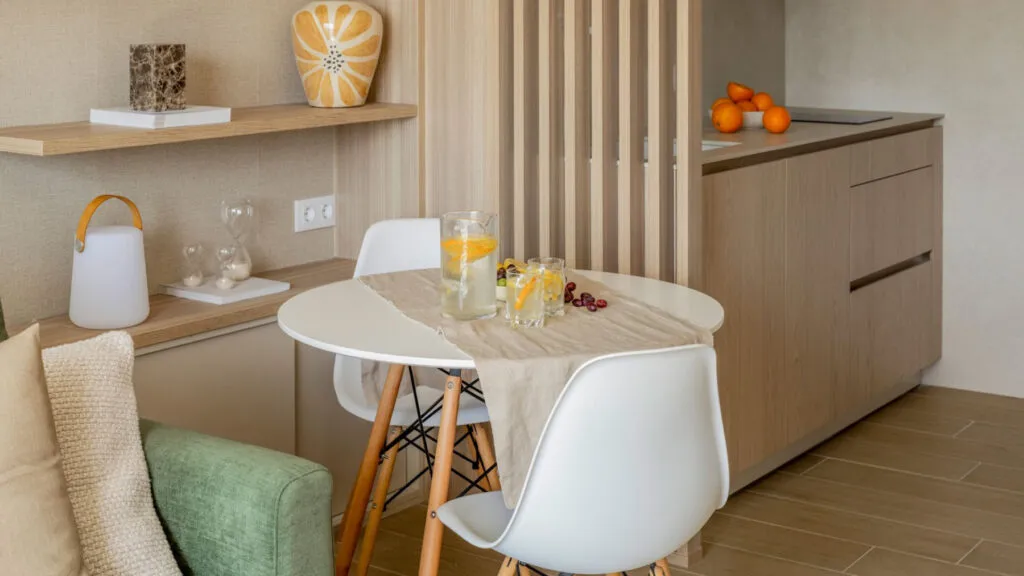
You don't buy more square metres, you find them: five decisions from a small holiday flat that work for any...
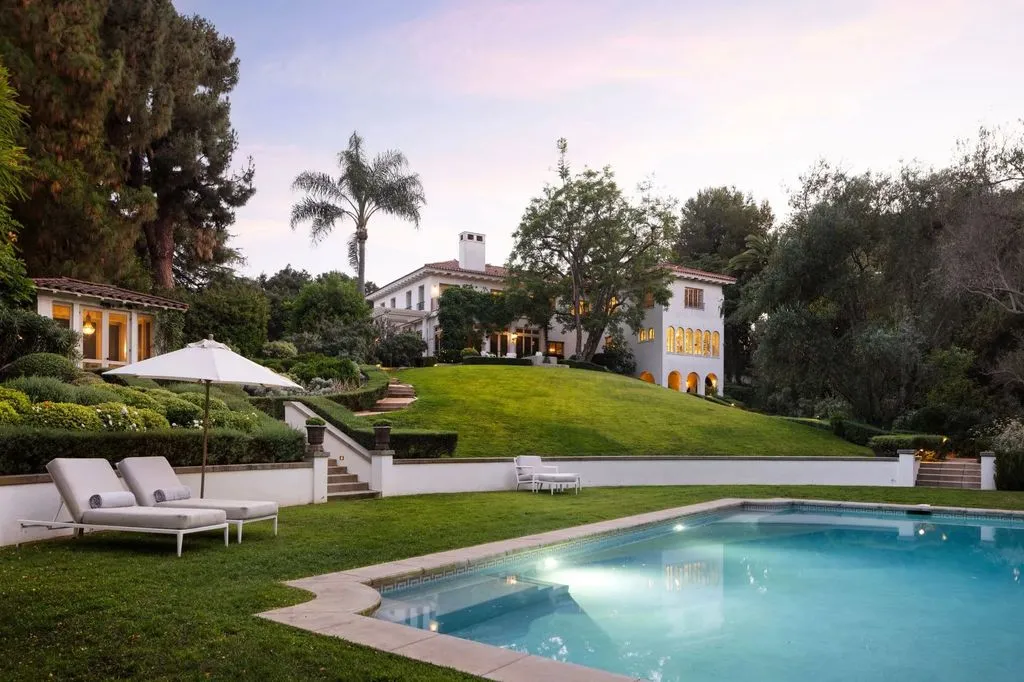
A house from 1913 with six bedrooms, ten bathrooms and a 12-metre pool. Before her, it belonged to the director...
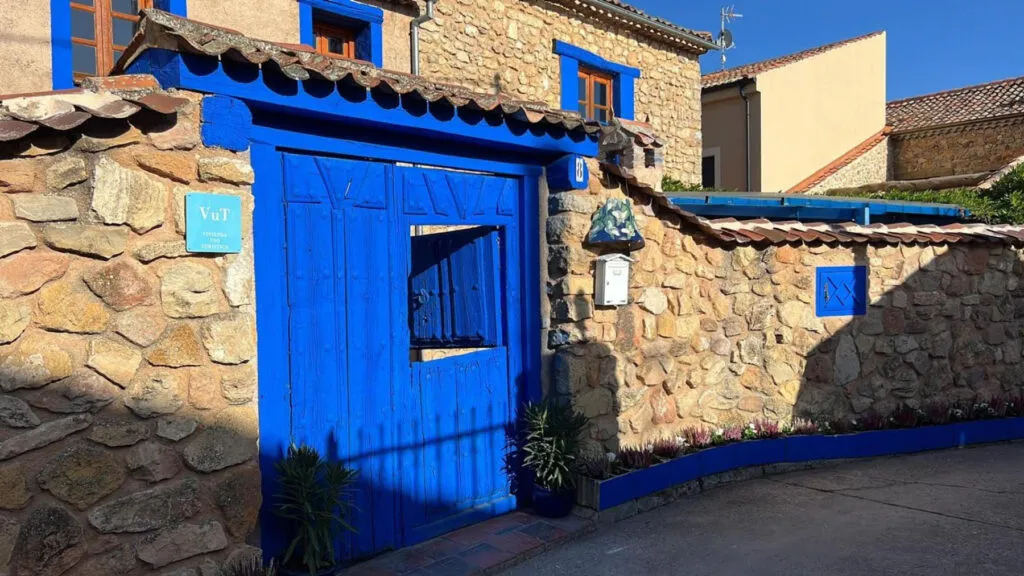
The former model and actress swapped a luxury Madrid suburb for a village of about a hundred people and refused...
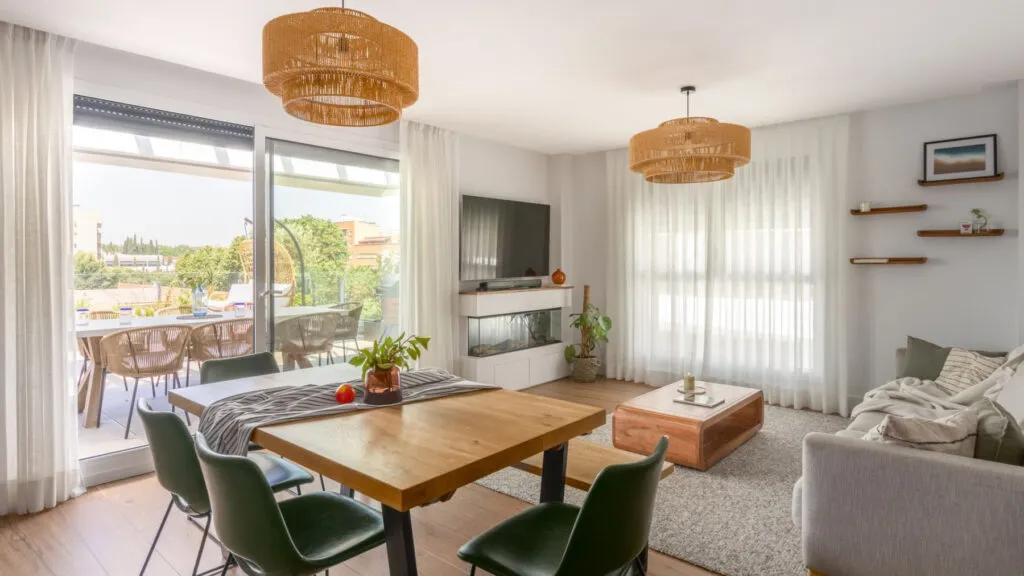
A new flat with great light that didn't feel like home. The designer didn't demolish anything - she changed the...
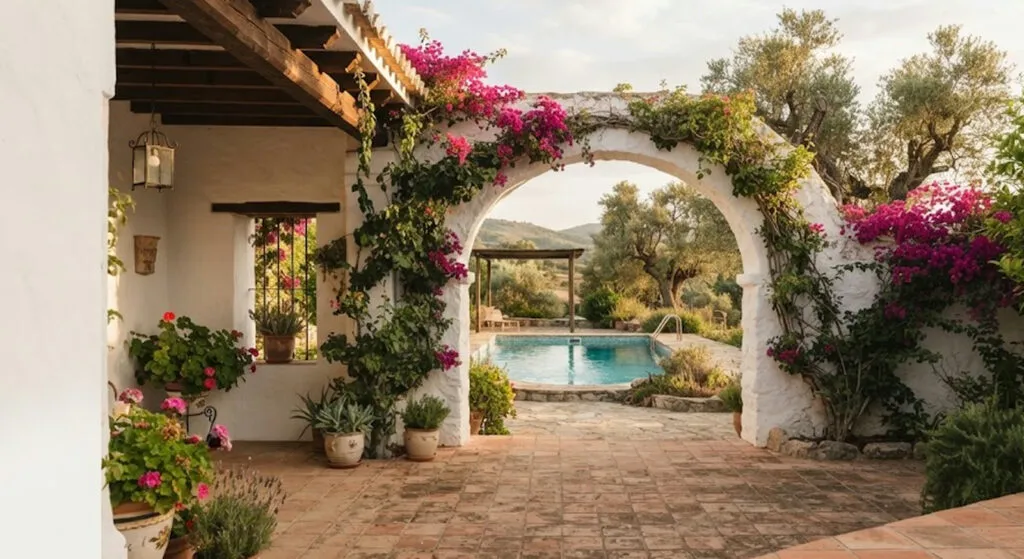
An old mill bought more than 30 years ago that his daughters still keep coming back to. Whitewash, stone and...
This site uses cookies - is that okay? Learn more
Be the first to know when Metla launches something new
Leave your email and we will write when there is a new guide or something new on Metla.