Beauty Salon Owner Under Investigation for Fake Fillers: 535 Vials Hidden in Bedsheets at Tabanovce
07.05.2026


07.05.2026
07.05.2026
07.05.2026
07.05.2026
06.05.2026
05.05.2026

07.05.2026

07.05.2026

06.05.2026

07.05.2026

07.05.2026

07.05.2026

07.05.2026

06.05.2026

05.05.2026

07.05.2026

07.05.2026

07.05.2026

09.03.2026

27.02.2026

19.02.2026

14.04.2026

07.11.2025
07.11.2025

23.04.2026

23.04.2026

12.04.2026
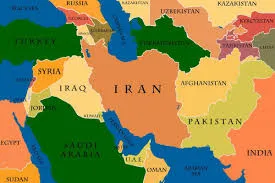
For over 40 years, the Middle East has remained one of the most unstable regions in the world. Wars, sanctions, regime changes, and constant regional conflicts have created political and economic instability that is felt to this day. Many analysts believe that a significant part of that instability is the result of the geopolitical strategies of major powers, primarily the United States and their Middle Eastern ally Israel.
The history of the modern Middle East is full of interventions and political pressures. From the Iranian Revolution of 1979, through the wars in Iraq, conflicts in Syria and Libya, to the constant tensions with Iran, the region has always been under the strong influence of external geopolitical interests.
A direct attack on Iran, according to many experts, represents a serious strategic mistake. Unlike previous conflicts, Iran is a large regional power with significant military capacities and a network of allies throughout the region. Any direct confrontation risks triggering a broader regional war that would involve multiple states and destabilize the entire area.
Over the past two decades, entire states of the Middle East have been turned into ruins. Iraq, Libya, Gaza, and Syria are examples of regions devastated by wars, interventions, and years of conflict. Cities that were once centers of trade and culture today are symbols of destroyed infrastructure, economic collapse, and millions of displaced people.
The world may be silent today, but history always asks questions. The ruined cities and millions of victims in Gaza, Syria, Libya, Iraq, and now in Iran remain as a permanent wound of modern geopolitics. However long the silence lasts, the question of accountability will not disappear. One day humanity will have to face the consequences of these conflicts and ask one simple question: who will answer for the destroyed states, the lost lives, and the futures that never happened.
The latest 10 news from this category
Dermal fillers, dissolution kits, no paperwork. Plastic surgeons have warned for years - now we are watching the consequences.
Seven hours without power. EVN says it's for quality improvement. Citizens pay the bill every month, no questions asked.
VMRO-DPMNE: constitutional changes are a new national betrayal. Bulgarian authorities always add new conditions. Switching positions after power - the...
Cutting ministers, nuclear power, AI - a strategy that stands out on the Balkans. Macedonia announced 19 new kindergartens.
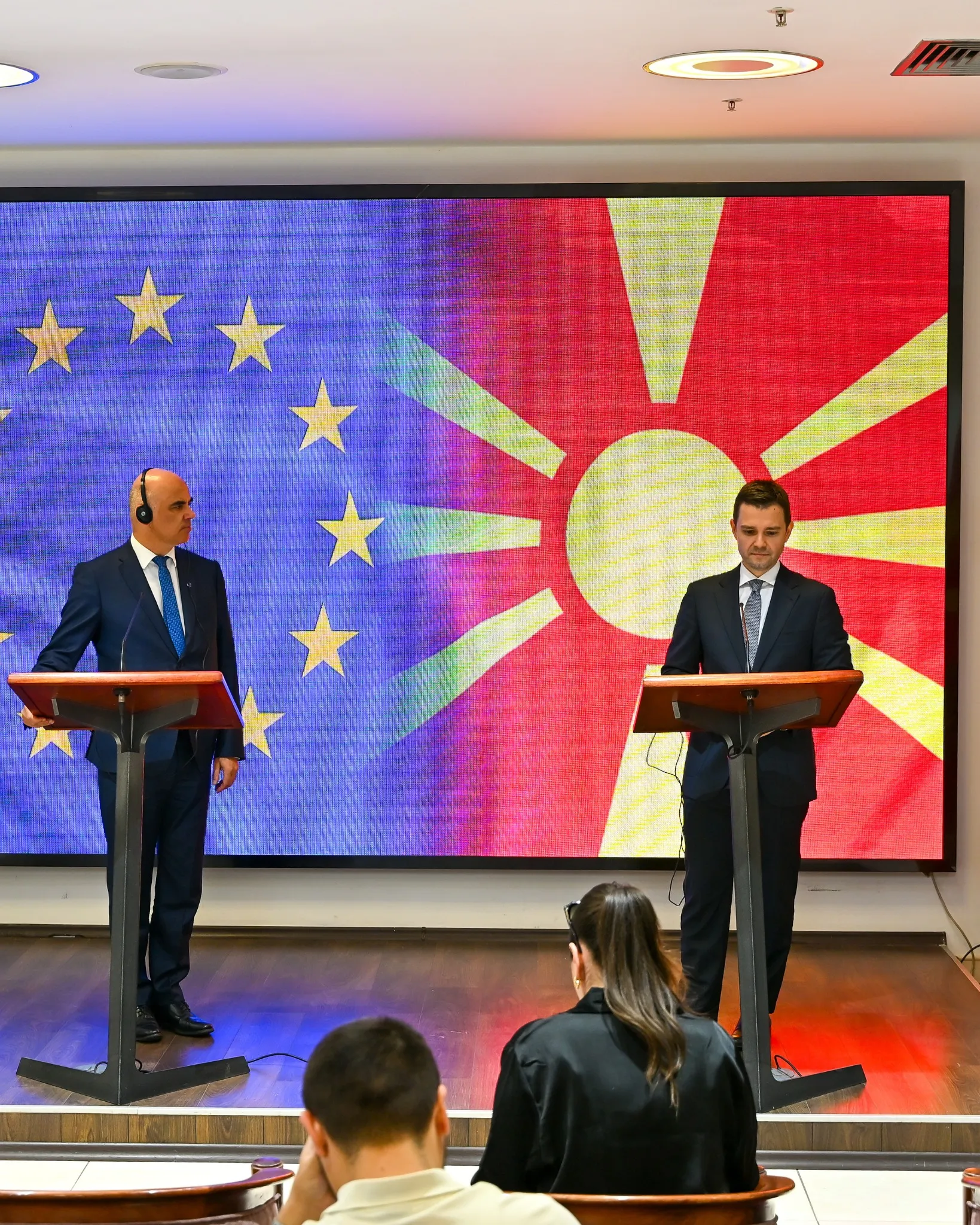
Skopje is not delivering on the Bulgarian demand. Foreign minister Mucunski with Berset: a position against changes. The question -...

A scale by blood alcohol level. 30 days in jail above 0.8 mg/ml. The era of mild treatment for Balkan...
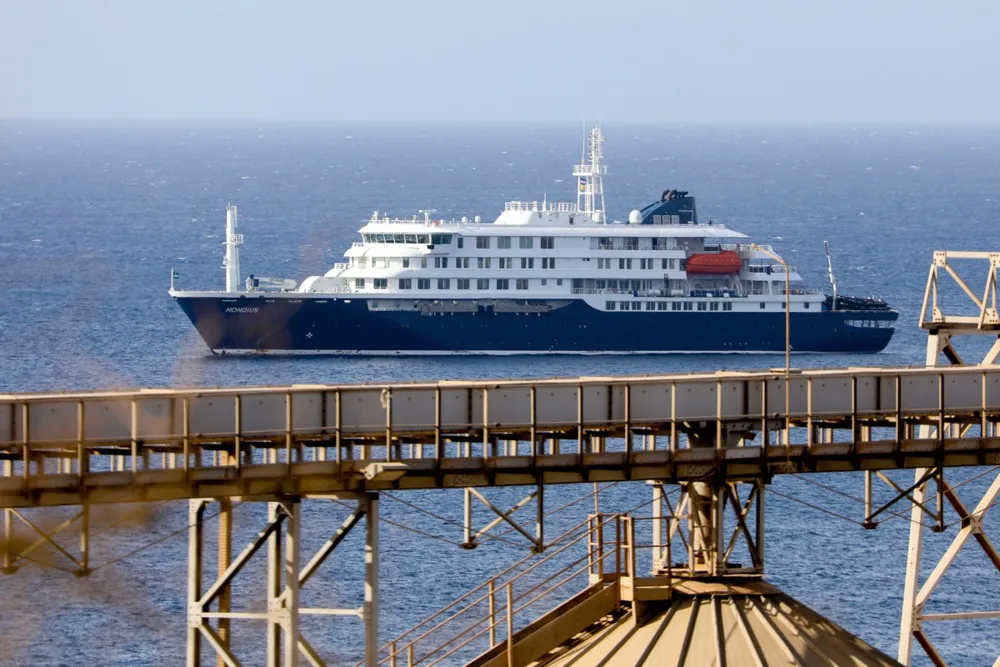
WHO calls the risk low. The reality: coordination between countries has broken down. The Canary Islands are a popular destination...
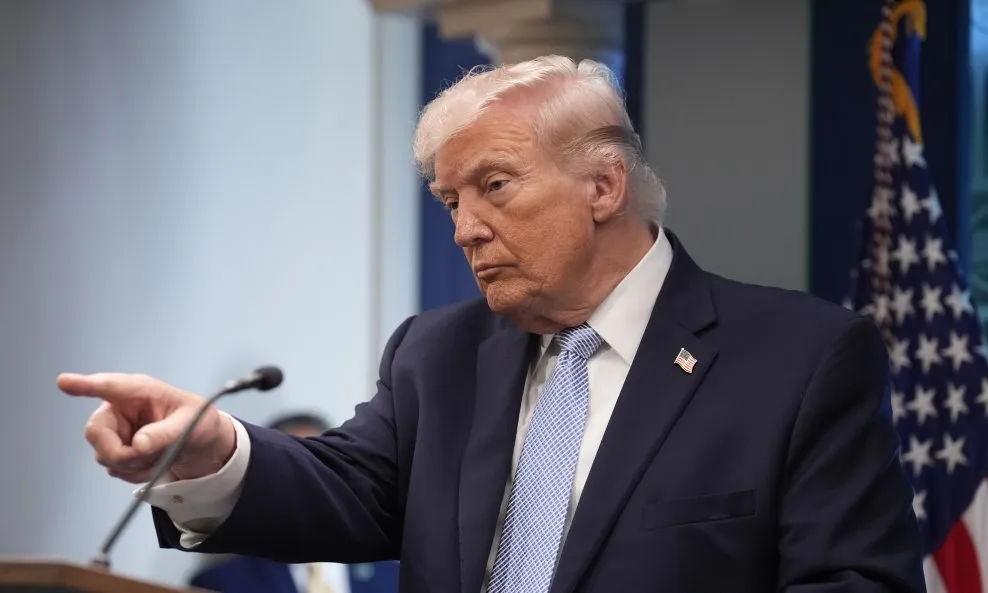
The win-vs-loss style doesn't work in international negotiations. Iran will not capitulate. The Balkans pay with high fuel prices and...
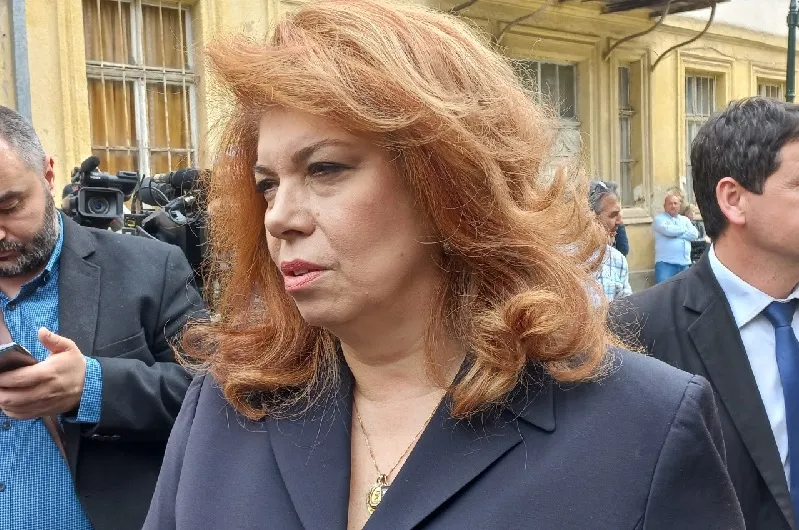
Radev has historically not been a friend of Macedonian aspirations. Now he becomes prime minister. Skopje needs to anticipate, not...
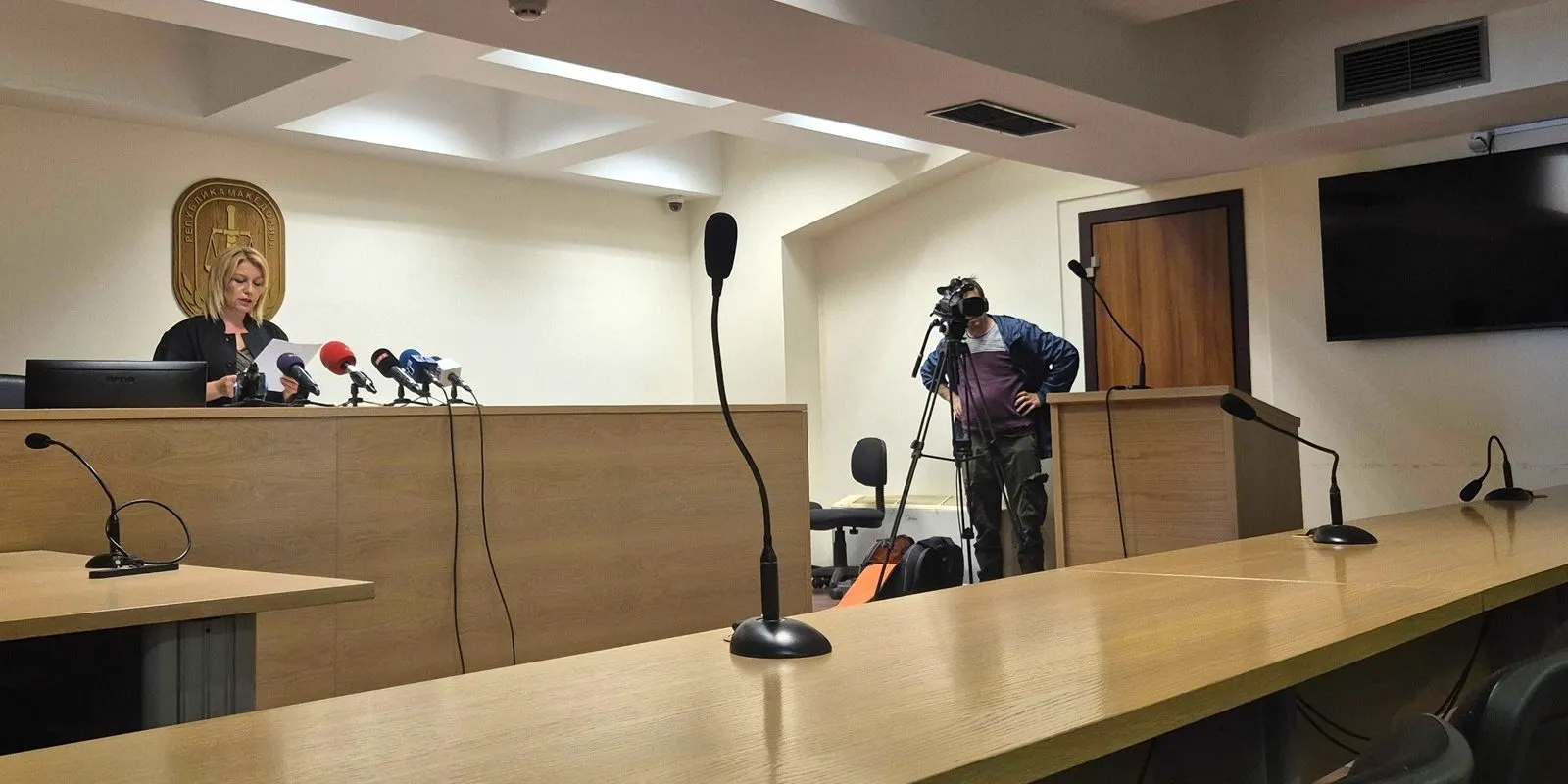
Bogatinov and Lazarov - 1 year suspended. Temelkov - 2 years suspended. Nobody goes to prison. Form preserved, substance missing.