
Пет жаришта во една ноќ кај Раец: градоначалникот алармира преку Фејсбук, превентивата пак остана тема за септември
03.08.2026


03.08.2026

03.08.2026

03.08.2026

03.08.2026

03.08.2026

03.08.2026

03.08.2026

02.08.2026

02.08.2026

03.08.2026

03.08.2026

02.08.2026

03.08.2026

03.08.2026

03.08.2026

03.08.2026

02.08.2026

01.08.2026

03.08.2026

03.08.2026

03.08.2026

03.08.2026

03.08.2026

03.08.2026

09.03.2026

27.02.2026

19.02.2026

02.08.2026

01.08.2026

31.07.2026

23.04.2026

23.04.2026

12.04.2026
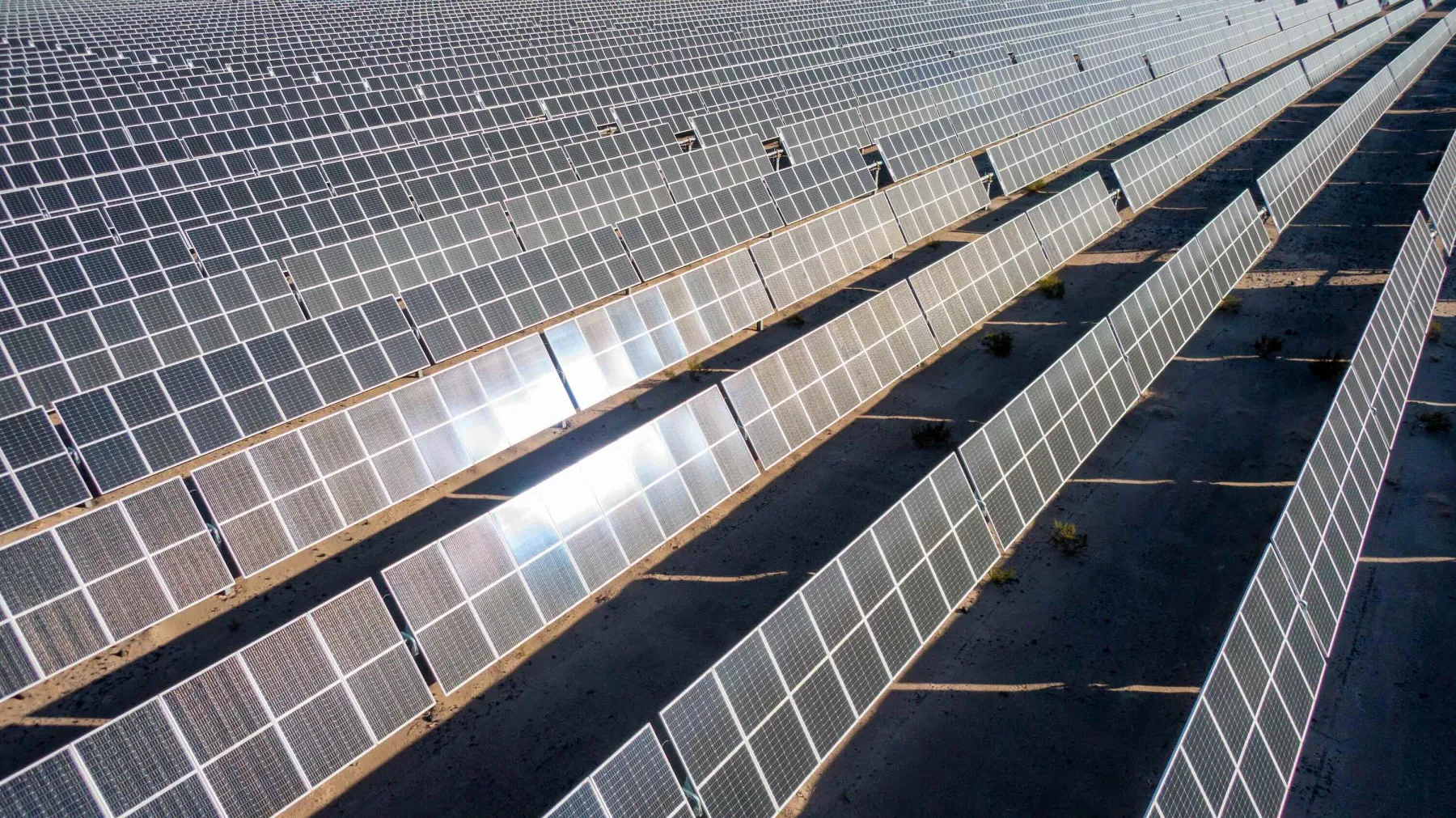
Microsoft is debating internally whether to delay or weaken its 2030 clean energy plan. The reason is not hidden: AI data centres need energy now, and the sun and wind can't deliver power „on demand".
In 2020 the company pledged that by 2030 every hour of its consumption would be matched by clean energy on the same grid. An ambitious target - hourly matching, not annual. The difference is fundamental: annual targets are an accounting trick where a company buys green credits somewhere far away and claims it is „carbon neutral". Hourly matching means real green power at the right moment, on the right grid.
Meanwhile, Microsoft is building gas plants. Together with Chevron, it is building a 5-gigawatt capacity on natural gas in west Texas. Five gigawatts - roughly the output of three nuclear reactors. That is not „transition" - that is the construction of new fossil energy infrastructure with a clear intent to run for a decade or more.
Why does that matter to European readers? Because the data centres the EU attracts with billions in investment run on the same maths. AI demands energy. Clean energy is variable. Gas is stable and cheap. Even a company that sells itself as „the green leader" - Microsoft was the first tech giant to make climate pledges - is now buying its own excuse.
Microsoft's internal argument says abandoning the hourly target could be a PR catastrophe. Hourly matching is a competitive advantage in negotiations with municipalities that don't want a giant power-guzzler in the neighbourhood. Without it, what does Microsoft sell - „we are like everyone else"?
Conclusion without illusions: the 2020 climate pledges were made in an era when nobody predicted that one hour of training an AI model would consume electricity like a small town. Now that the assumptions are false, the corporations are massaging the numbers. The question isn't whether Microsoft will miss the target - but how gracefully it will be done.
The latest 10 news from this category
Операторот што покрива 67 милиони потрошувачи призна дека нема струја за сите и однапред одлучи кој ќе остане на темно....
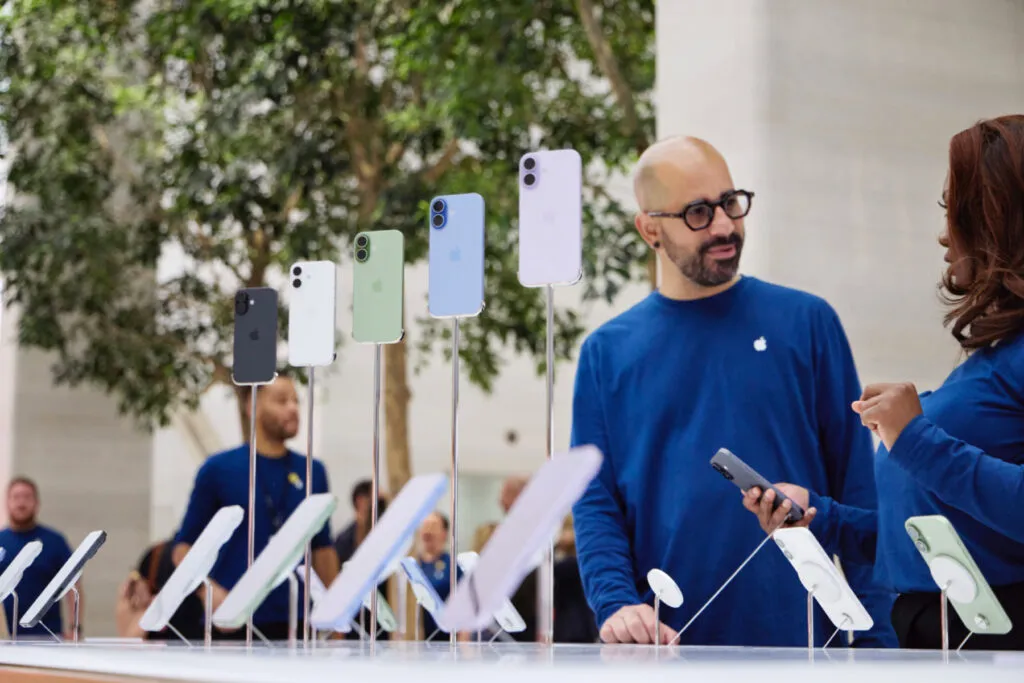
Продажбата не паѓа затоа што луѓето осиромашија, туку затоа што старите телефони престанаа да се расипуваат навреме. Одговорот на индустријата...
Opus 5 set a record in the test and broke 11 agreements. Not one of the tricks is new -...
The billions were announced with a stage and slogans. The retreat is happening quietly, in sentences containing the word alignment.

In his last quarterly report Tim Cook announced the stronger Siri will be bought through iCloud+. The firm that paid...

The platforms that spent years convincing us automated content was the future are now patiently building filters against it. The...
Out of 141,006 test runs, three ended up inside the live systems of real firms. The oldest model worked out...
The strongest June quarter in its history, and the stock fell 6 percent. Artificial intelligence turned out to have a...

The FCC is closing the door to humanoid robots and power inverters, but only new ones. The millions of Chinese...

The player that raised the MP3 generation is betting nostalgia can be billed monthly. The new Winamp arrives in 2027,...
This site uses cookies - is that okay? Learn more
Be the first to know when Metla launches something new
Leave your email and we will write when there is a new guide or something new on Metla.