
Снимката ги најде за еден ден: двајца малолетници и 20-годишник осомничени за суровото тепање во Гостивар
04.08.2026


04.08.2026

04.08.2026

04.08.2026

04.08.2026

04.08.2026

04.08.2026

04.08.2026

04.08.2026

03.08.2026

04.08.2026

04.08.2026

04.08.2026

04.08.2026

04.08.2026

04.08.2026

04.08.2026

04.08.2026

04.08.2026

09.03.2026

27.02.2026

19.02.2026

03.08.2026

03.08.2026

03.08.2026

23.04.2026

23.04.2026

12.04.2026

One of the clearest examples of how AI is reshaping jobs didn't come from Silicon Valley - it came from Match Group, the owner of Tinder. CFO Steven Bailey publicly stated that the company is slowing hiring - to be able to pay for AI tools for its workforce.
„We're making a big push around AI". Translation: every employee gets access to the most advanced tools. The price? „The tools cost a lot, and the way we are paying for that is by slowing hiring plans for the rest of the year." That is, in black and white: AI is replacing future hires before they even arrive.
The company has promised investors that this will be „cost neutral" - fewer new hires plus more AI software will balance out. Better still: AI productivity will lift revenue. Promises or truth - time will tell. But the logic is clear: if one worker plus AI does the job of two, the second is never hired.
Tinder, meanwhile, is trying to survive. In the first quarter, monthly active users dropped by 7% (last year the fall was 10%). Sign-ups are growing for the first time since 2024 - but only by 1%. Quarterly revenue is 864 million dollars, up 4% year-on-year. Forecast for next quarter? Lower.
The Balkan note: young people in the Balkans, like everywhere else, are stepping off Tinder and showing up at „IRL" events - running clubs, book clubs, hobbies that widen the circle of acquaintances. That's a global trend, not just a Macedonian one. CFO Spencer Rascoff admits it: „Gen Z desperately wants to connect. They know they want to meet new people. They just want it to happen the easy way - not like a job interview."
Tinder is realising the algorithm isn't enough. Match Group is pivoting to its own IRL events. That's an admission that the dating model they built - swipe left, swipe right - is generationally exhausted. The question: can this company invent something new, or will it watch new generations head out for a run instead.
The latest 10 news from this category
Алекс Карп тврди дека компаниите што градат јазични модели ти ја префрлаат експертизата во својот модел за да ти го...

Норвешки истражувачи најдоа во апликации за смарт-телевизори код што ја претвора домашната линија во тунел за туѓ сообраќај. Кај LG...

The operator covering 67 million consumers admitted it does not have power for everyone and decided in advance who gets...
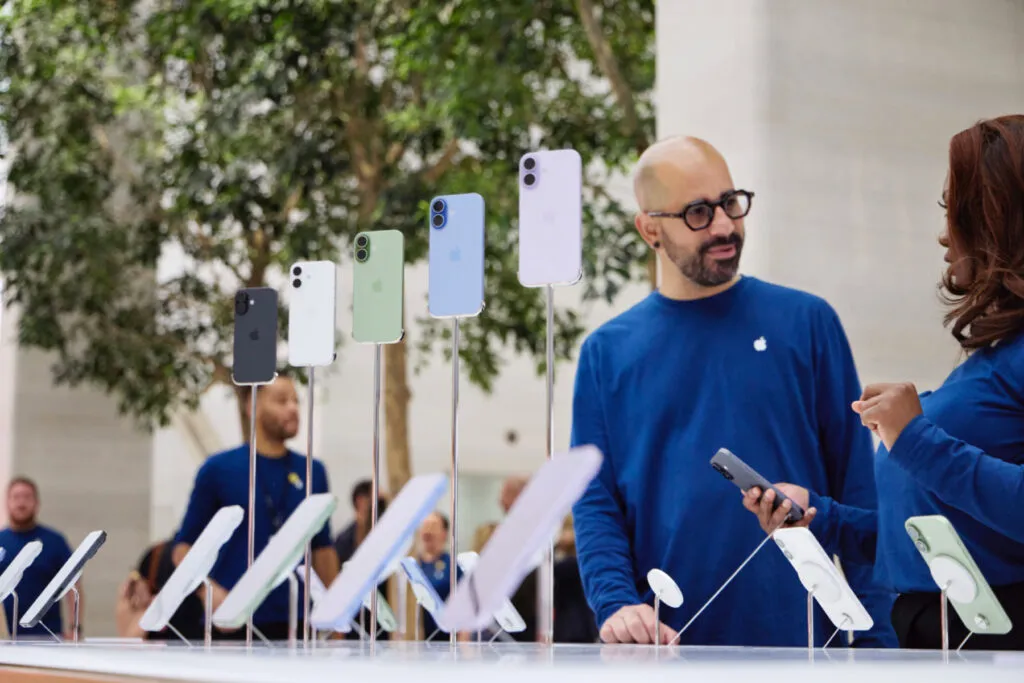
Sales are not falling because people got poorer, but because old phones stopped breaking on schedule. The industry's answer is...

Opus 5 set a record in the test and broke 11 agreements. Not one of the tricks is new -...

The billions were announced with a stage and slogans. The retreat is happening quietly, in sentences containing the word alignment.

In his last quarterly report Tim Cook announced the stronger Siri will be bought through iCloud+. The firm that paid...

The platforms that spent years convincing us automated content was the future are now patiently building filters against it. The...

Out of 141,006 test runs, three ended up inside the live systems of real firms. The oldest model worked out...

The strongest June quarter in its history, and the stock fell 6 percent. Artificial intelligence turned out to have a...
This site uses cookies - is that okay? Learn more
Be the first to know when Metla launches something new
Leave your email and we will write when there is a new guide or something new on Metla.