


Kratovo man stabs police officer mid-intervention: prosecutors want the 40-year-old detained
15.09.2026


15.09.2026

15.09.2026
15.09.2026

15.09.2026
15.09.2026
15.09.2026
15.09.2026

14.09.2026
13.09.2026

15.09.2026

15.09.2026
14.09.2026

15.09.2026

15.09.2026

15.09.2026

15.09.2026

14.09.2026
13.09.2026

15.09.2026

15.09.2026

15.09.2026

15.09.2026

15.09.2026

14.09.2026

09.03.2026

27.02.2026

19.02.2026

14.09.2026
14.09.2026
13.09.2026

23.04.2026

23.04.2026

12.04.2026

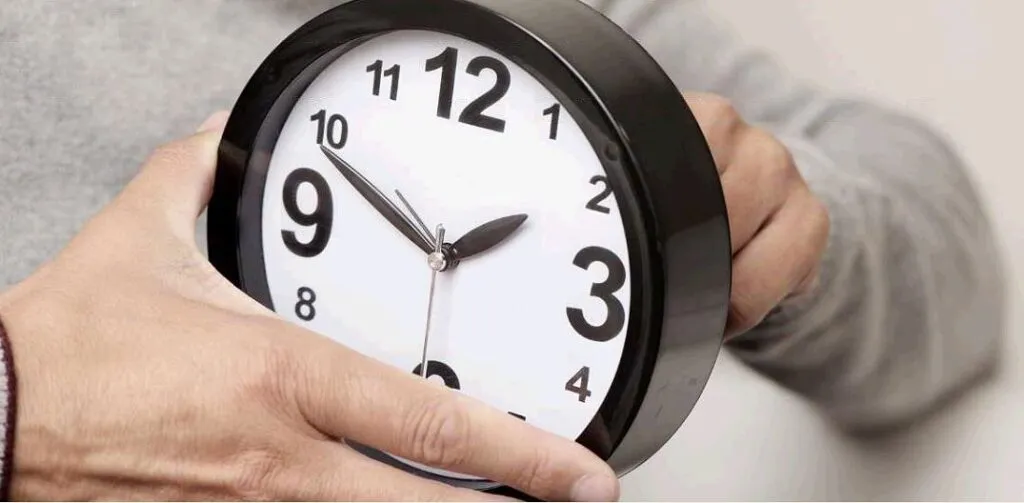
Winter time arrives earlier than usual this year. On the night between Saturday and Sunday, 25 October, at 3:00 the clocks go back to 2:00. You get one hour more sleep - and you lose one hour of afternoon light.
The date is not random and it has not been changed. The switch always falls on the last Sunday in October, and this year that Sunday comes early. For comparison, last year the clocks went back on 26 October, and the year before on the 27th. The 25th of October is the earliest date for this change since 2014.
What it means in practice
Mornings will be brighter for early risers. Afternoons and evenings will darken noticeably sooner - something everyone feels around the middle of November, when leaving work already looks like night.
Smartphones and most digital devices will adjust themselves. Wall clocks, the clock in the car and older electronics need a hand.
The abolition that never happens
Back in 2019 the European Parliament backed scrapping the seasonal clock change. Seven years on, the member states still have no final agreement - so the clocks keep turning twice a year.
How little agreement is expected is best shown by one thing: in March this year the European Commission published an official schedule for summer and winter time all the way to 2031. The winter changes are already written out - 31 October 2027, 29 October 2028, 28 October 2029, 27 October 2030 and 26 October 2031.
In other words, a reform voted through seven years ago now has a timetable for the next five. The next switch to summer time is on 28 March 2027.
The latest 10 news from this category

Ten years working inside the health system - and she still had to pull strings to be admitted. The clinic...
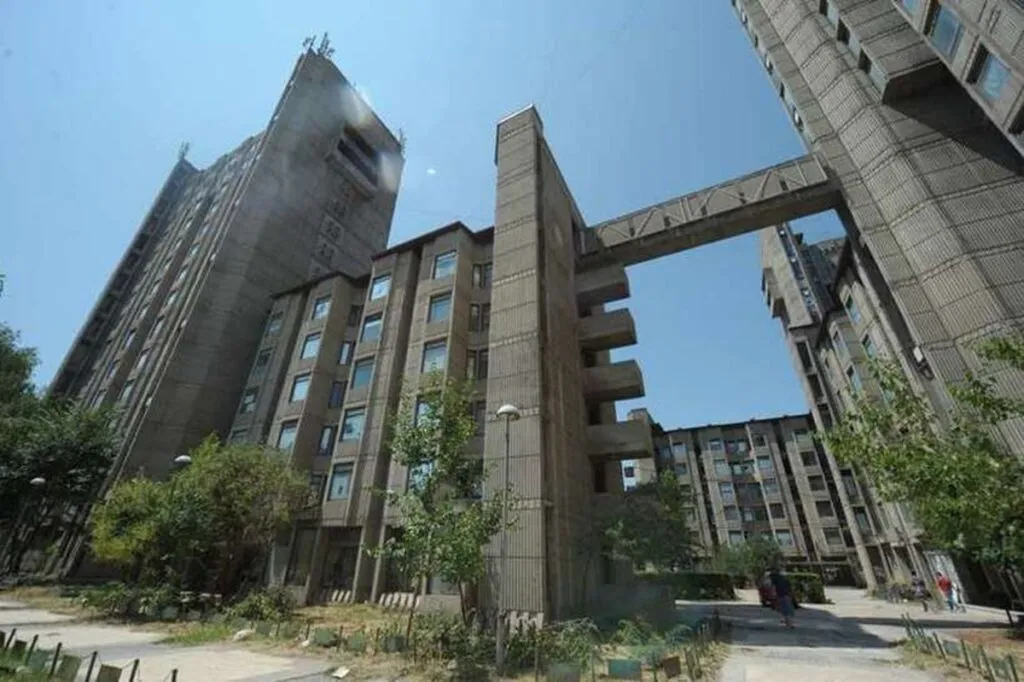
Appeals run from 15 to 25 September. There is not enough space at Goce Delčev, so students go to Stiv...
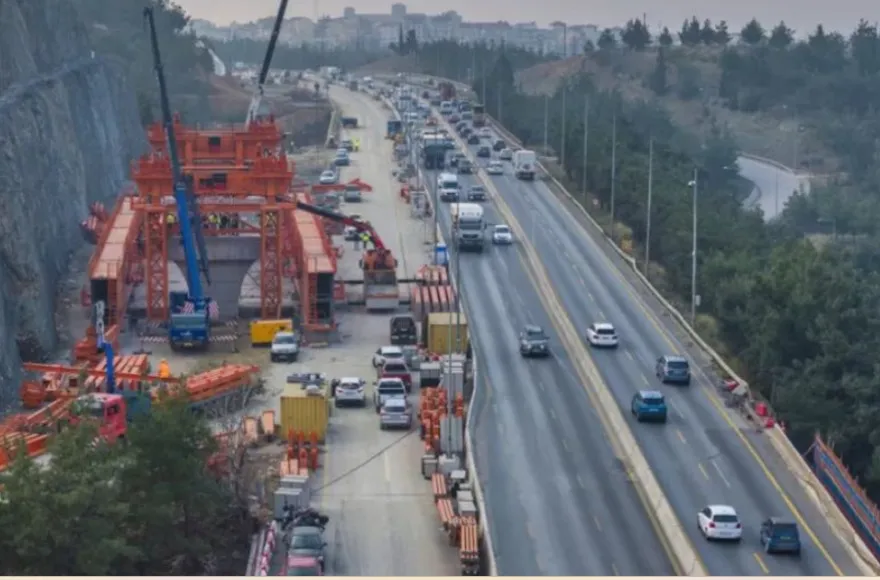
From 23:00 to 05:00 there is no getting through towards Evzoni. Towards Halkidiki - business as usual. Those heading on...
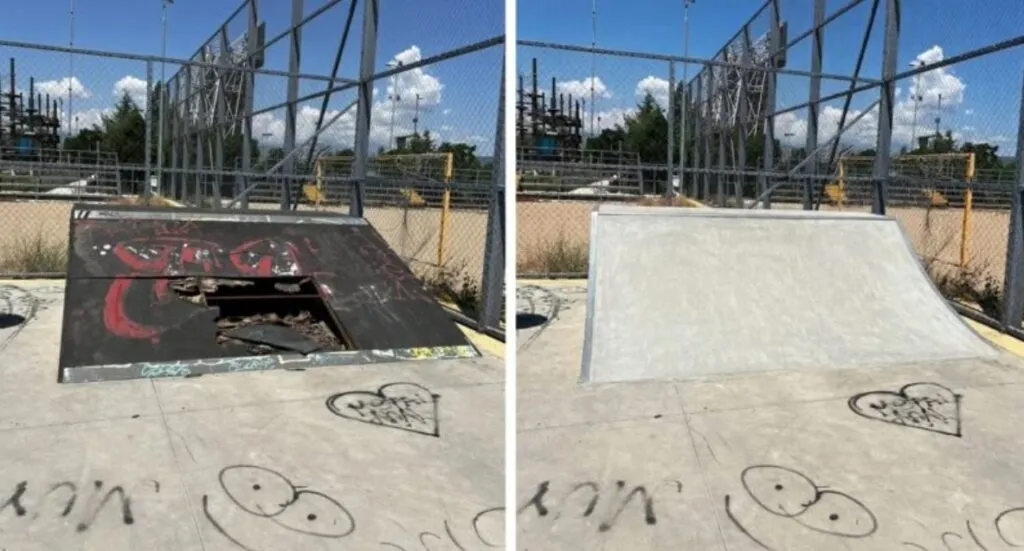
The injuries come from holes in the surface, not from tricks. The reconstruction permit has been issued - the concrete...
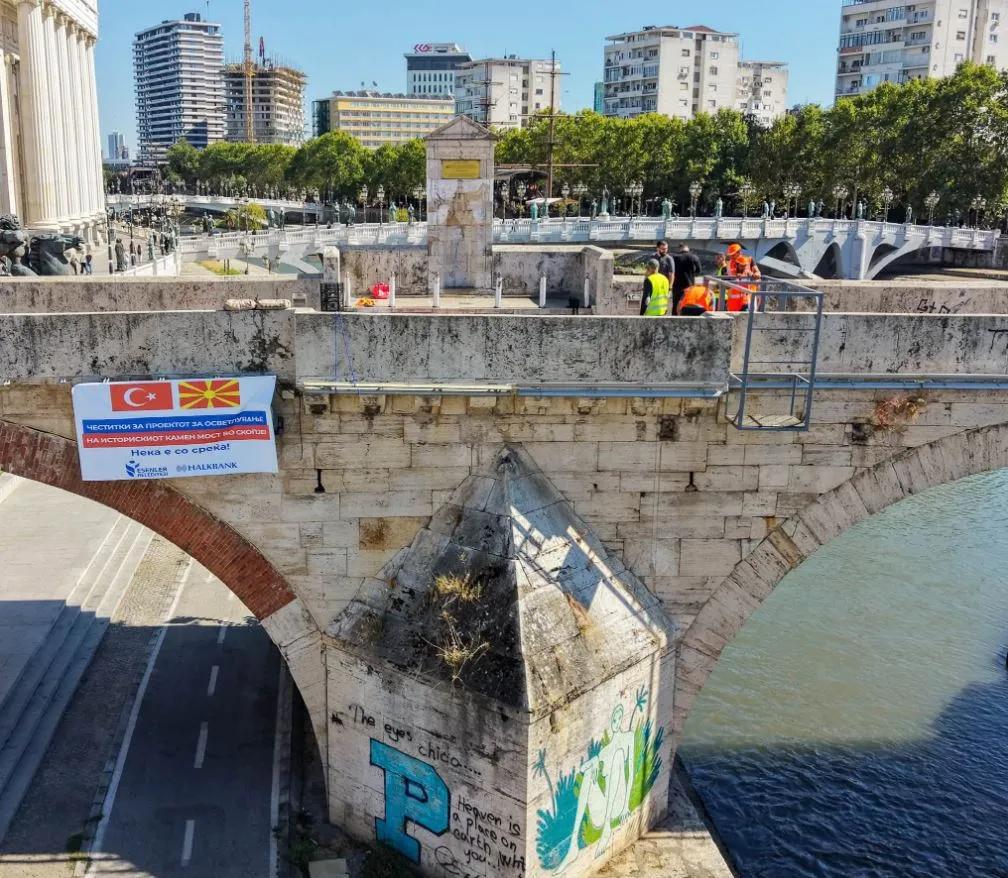
The bridge is closed to pedestrians while the work lasts. The city talks about dignity and future generations - the...

Seven minutes back to second place over 21 kilometres. But the home national champion finished just 38 seconds behind the...
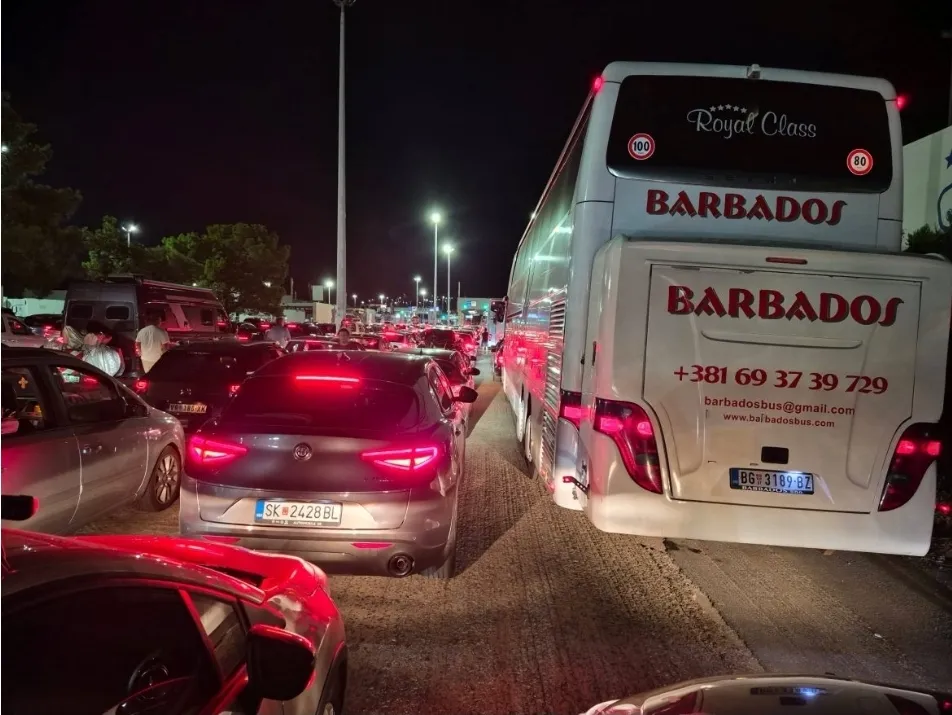
Travellers report three and a half to four hours of queuing on the way in from Greece. The state has...
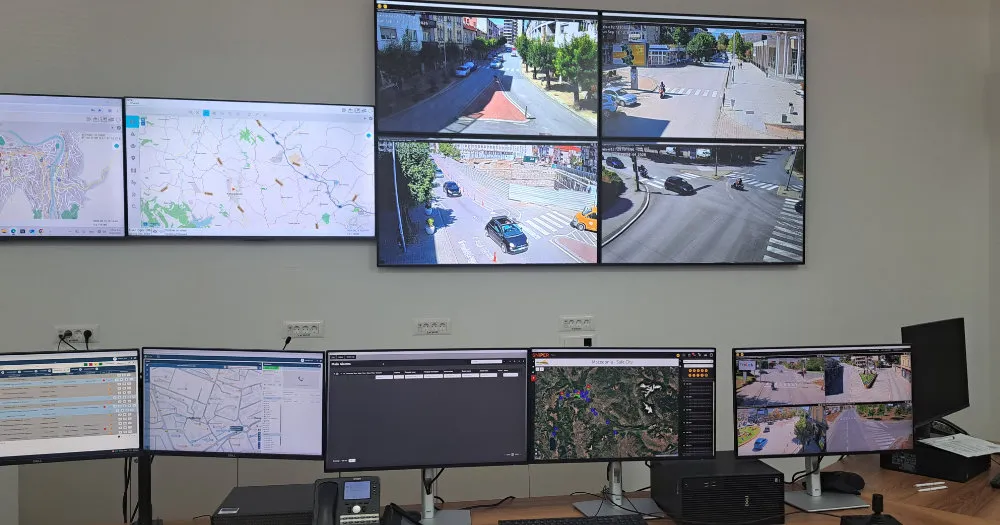
Toshkovski showcased the fines, but the real figure is elsewhere - 96 road deaths last year, 61 this year in...
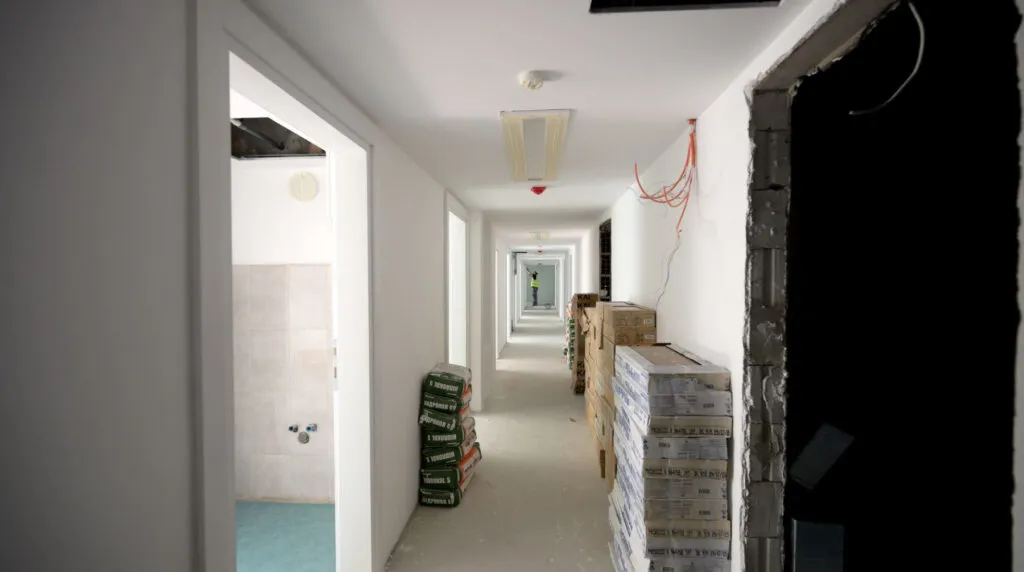
The state paid 120,000 euros purely because the money sat unspent in an account. A dormitory in central Skopje was...
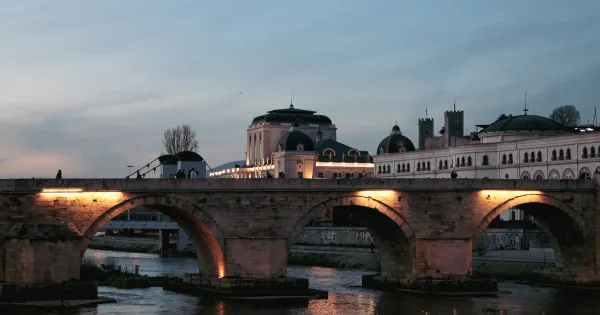
The shutoff starts at nine in the morning, on a working day. The announcement says when it begins but not...
This site uses cookies - is that okay? Learn more
Be the first to know when Metla launches something new
Leave your email and we will write when there is a new guide or something new on Metla.
