A New Criminal Complaint Against Jakimovski: A Building Permit Based on a Plan Struck Down Back in 2018
16.09.2026


16.09.2026
16.09.2026

16.09.2026

16.09.2026
16.09.2026
16.09.2026
16.09.2026

15.09.2026

14.09.2026

16.09.2026

16.09.2026

15.09.2026

16.09.2026

15.09.2026

14.09.2026

16.09.2026

16.09.2026

16.09.2026

16.09.2026

15.09.2026
15.09.2026

09.03.2026

27.02.2026

19.02.2026

16.09.2026

15.09.2026

14.09.2026

23.04.2026

23.04.2026

12.04.2026

One hundred and nineteen years ago, on July 14, 1907, on the peak of Nozot above the Prilep village of Rakle, a group of Macedonian revolutionaries made a decision that defined them forever - to stay, rather than retreat. The army that surrounded them was many times larger. They stayed all the same. From that decision we speak today of one of the bloodiest and most fateful battles in the Macedonian revolutionary struggle after the Ilinden Uprising.
The numbers are brutal in their simplicity. Around 200 armed fighters against a numerically superior Ottoman detachment. When it was all over, 67 revolutionaries had laid down their lives, and as many as 45 fell on the peak itself. Four years after Ilinden, when many believed the time of great sacrifices had passed, Nozot showed that for one generation freedom had become higher even than life itself.
That is precisely what sets this battle apart from ordinary war statistics. Nozot is not a story of victory - it is a story of choice. The choice not to retreat even when the outcome is known. Unlike many dates that pass quietly in the calendar, this one carries a weight that does not fade with the decades.
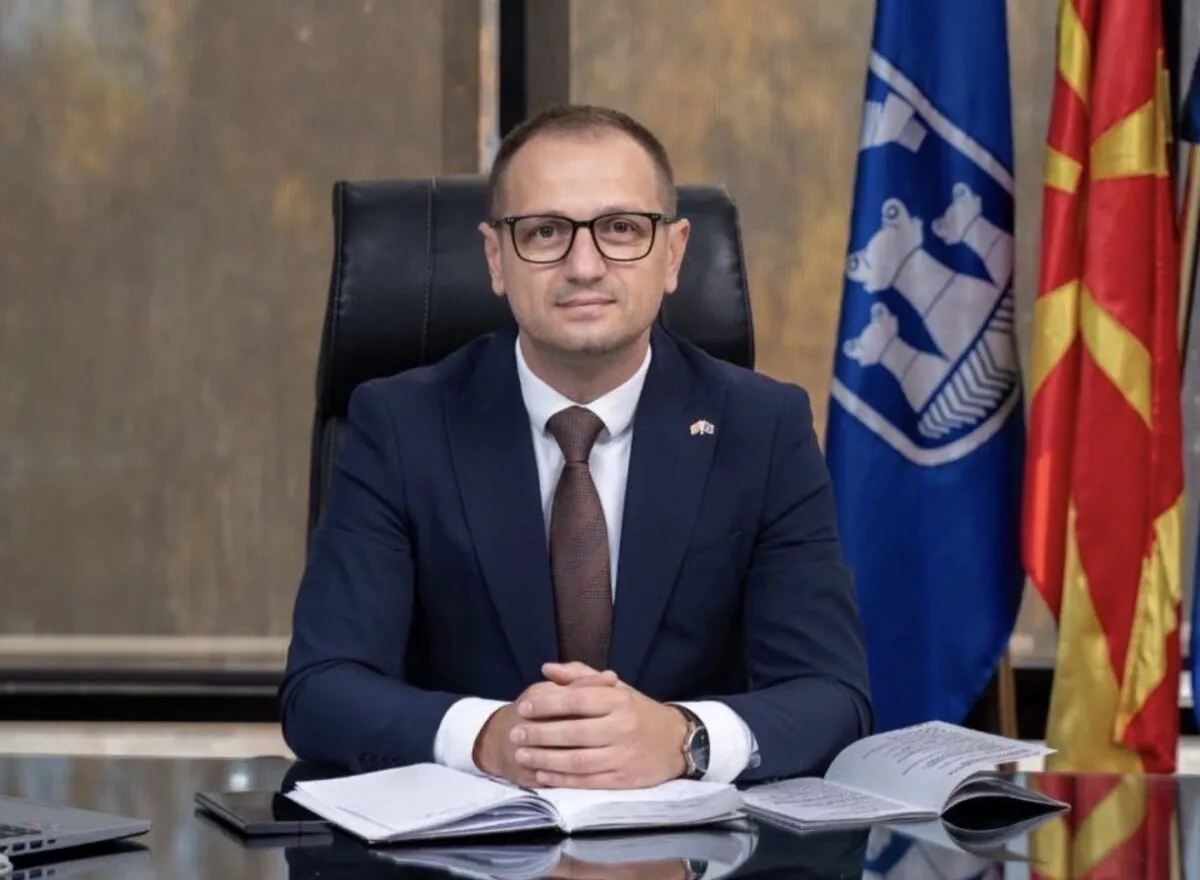
Marking the anniversary, the mayor of Prilep, Dejan Prodanoski, sent a message of remembrance. „In that unequal battle, 67 fighters laid down their lives, leaving an indelible mark on Macedonian history. Their sacrifice is an eternal symbol of defiance, dignity and love for Macedonia”, he said, adding that remembering the heroes is a duty to preserve historical truth and to nurture national unity.
Anniversaries like this easily turn into ceremonial statements - a wreath, a photograph, a sentence for the media. But the value of remembering Nozot is not in the ceremony, but in the fact that the story goes on being told at all. Because every generation that knows why the fighters of Nozot died carries with it a question that does not grow old: what are we prepared to defend, and how far?
The latest 10 news from this category

The World Bank dropped out over misalignment with EU requirements. Construction will take two and a half years, and the...
Of 9,500 square metres of greenery, 268 remain. Terrain with an 80-metre height difference, no erosion study and no opinion...
Gjorgjievski says the system should be ready by the middle of next year. The BRT tender is announced for the...
The second operation at the same site within a year. Gerasimovski himself is appealing to the Labour Ministry - because...
A prosumer scheme, a solar oven and electricity generated by bicycle on Magnolija square. The city that has paid the...
Stefanija Dimovska won two medals at IESO 2026, working in mixed international teams. Before that she was also national champion...
Out of nearly 4.7 million denars, the municipality is putting in around 180,000. The rest comes through the Bureau for...

Ten years working inside the health system - and she still had to pull strings to be admitted. The clinic...
Appeals run from 15 to 25 September. There is not enough space at Goce Delčev, so students go to Stiv...
From 23:00 to 05:00 there is no getting through towards Evzoni. Towards Halkidiki - business as usual. Those heading on...
This site uses cookies - is that okay? Learn more
Be the first to know when Metla launches something new
Leave your email and we will write when there is a new guide or something new on Metla.