

They Rode In on Scooters, Torched the Shops and Left: The Fire in Shuto Orizari Burned for Three Hours, Setting It Took Fifty Seconds
13.09.2026


13.09.2026

13.09.2026
13.09.2026

13.09.2026

13.09.2026

13.09.2026

13.09.2026

12.09.2026

11.09.2026

13.09.2026

13.09.2026

12.09.2026

13.09.2026

13.09.2026

13.09.2026

13.09.2026

12.09.2026

11.09.2026

13.09.2026

13.09.2026

13.09.2026

13.09.2026

13.09.2026

12.09.2026

09.03.2026

27.02.2026

19.02.2026

13.09.2026

12.09.2026

11.09.2026

23.04.2026

23.04.2026

12.04.2026

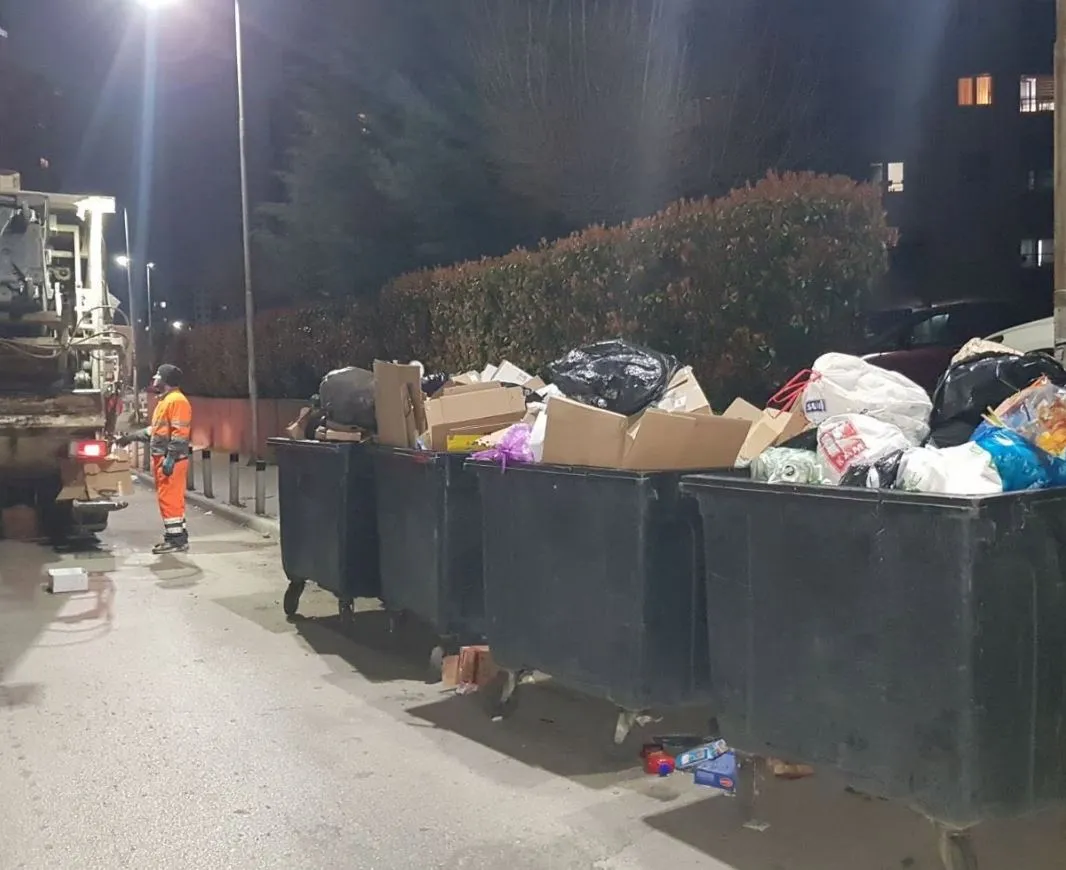
Every morning when overflowing bins greet the people of Skopje, the story looks like a local problem - a truck that never came, rubbish piling up. But the final report of the State Audit Office reveals that the problem is not in a single morning, but in the whole system. Of the 189 specialised municipal vehicles at the public utility „Komunalna Higiena - Skopje”, only 76 were roadworthy. The rest - 113 vehicles, or around 60 percent of the fleet - are broken down or written off.
The number says a lot on its own, but the context makes it heavier. The average age of the vehicles is 15 years. As much as 40 percent of the spare parts are outdated, some dating back to 2009. In other words, this is not a company that suddenly ran into trouble - it is a company that has been falling apart in front of everyone for years, while those in charge looked the other way.
Twelve million euros in debt
The financial picture is even darker. „Komunalna Higiena” carries obligations of nearly 12 million euros, reduced liquidity, and late payments to suppliers that come with penalties and the risk of frozen accounts. The auditors also found uncertain receivables of around 2 million euros, plus equipment worth about 472,000 euros that is not recorded at all - the property relations stem from a 1992 division with no proper documentation.
And when your own fleet does not work, the hole gets patched with outside labour: in 2024, 354 workers were hired through a private agency. So instead of investing in its own vehicles and its own staff, the money goes to temporarily patching a situation that has been worsening for years. It is a model that suits someone - but certainly not the resident of Skopje who pays a bill for a service they often do not receive.
The auditors recommend a comprehensive strategy to modernise the fleet, tailored to the workload and to the need for a 24-hours, seven-days-a-week service, as well as a permanent system for tracking technical fitness and costs. Recommendations that sound reasonable - but that are worth exactly as much as they get carried out.
The question that remains is not why the bins are full. The question is who will answer for a city company sinking into debt and broken trucks for years, while nobody pulled the alarm in time. The audit report is not the end of the story - it is merely the proof that the problem is known. What is missing is accountability, and no report can impose that on its own.
The latest 10 news from this category
Ivanovska recalls why Vodno was forested in the first place. Gerasimovski says the court annulled the old plan and a...

Three Bulgarian ministries, MPs from different parties and flags inside the medical centre. MAEI asks why a check-up in a...
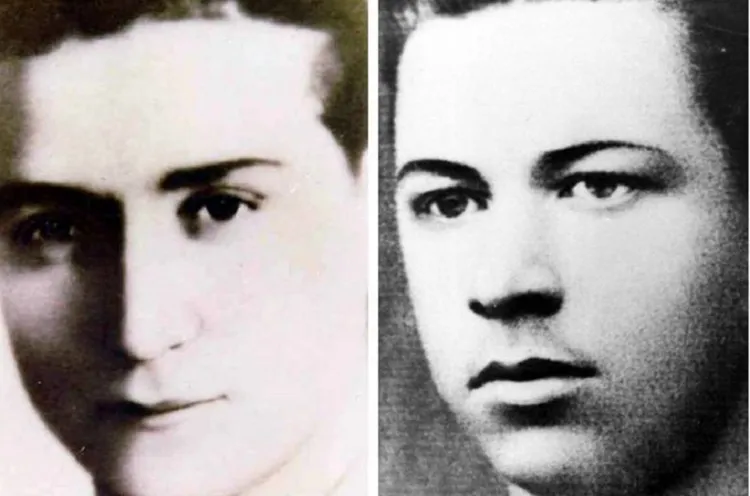
Flowers were laid in Bitola for Stefan Naumov and Dimitar Bogoevski. Behind the anniversary stand two biographies that ended at...
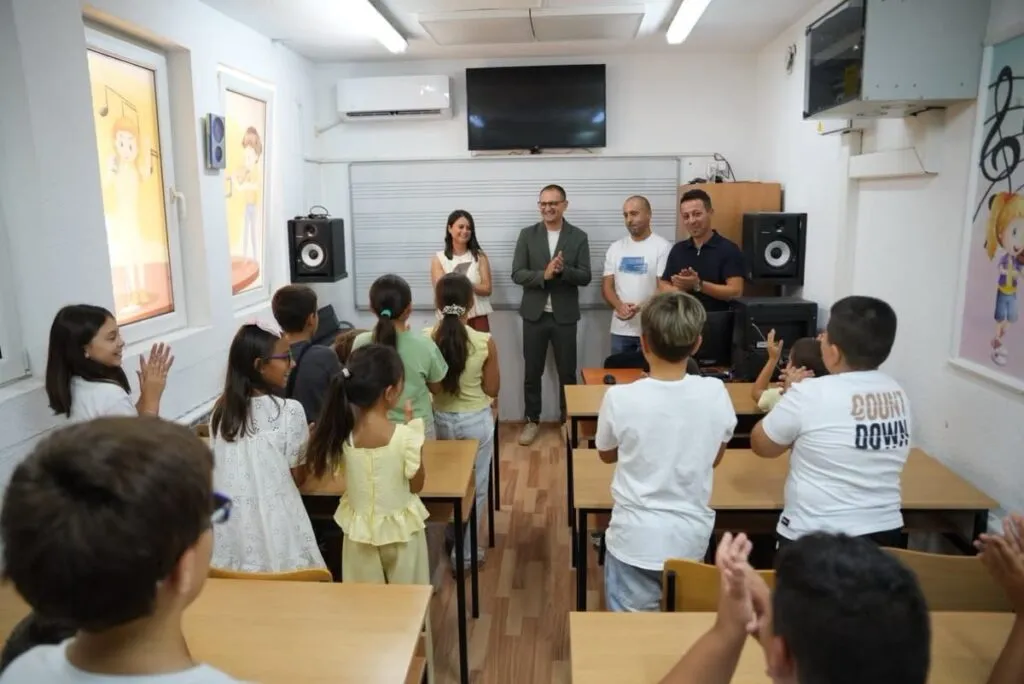
Eighty children do not simply appear out of nowhere. The question no ceremony answers is whether there are enough instruments...
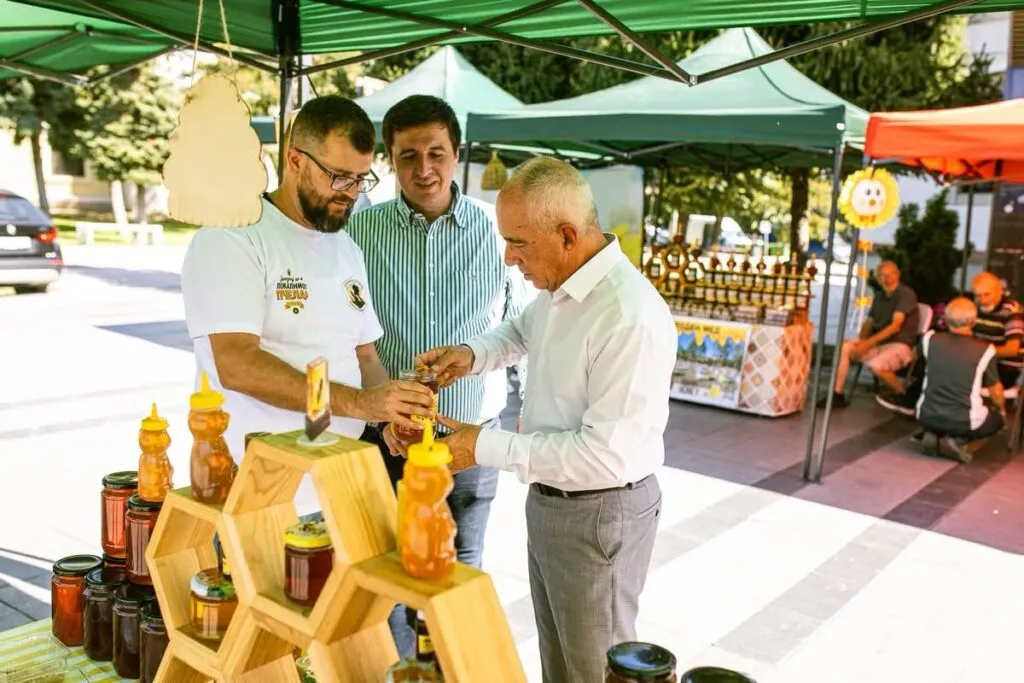
When you buy honey from the man who tells you which village it came from, you bypass the entire trade...
Any citizen can submit a nomination. That is exactly where these competitions either come alive or become an internal affair...
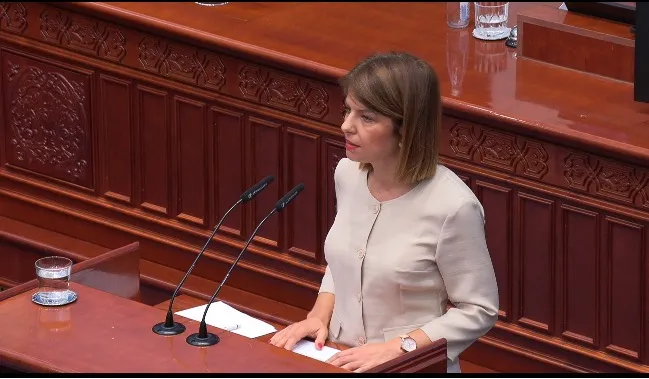
The minister answered that pupils are not a risk group because the youngest patient was 25. The MP had asked...
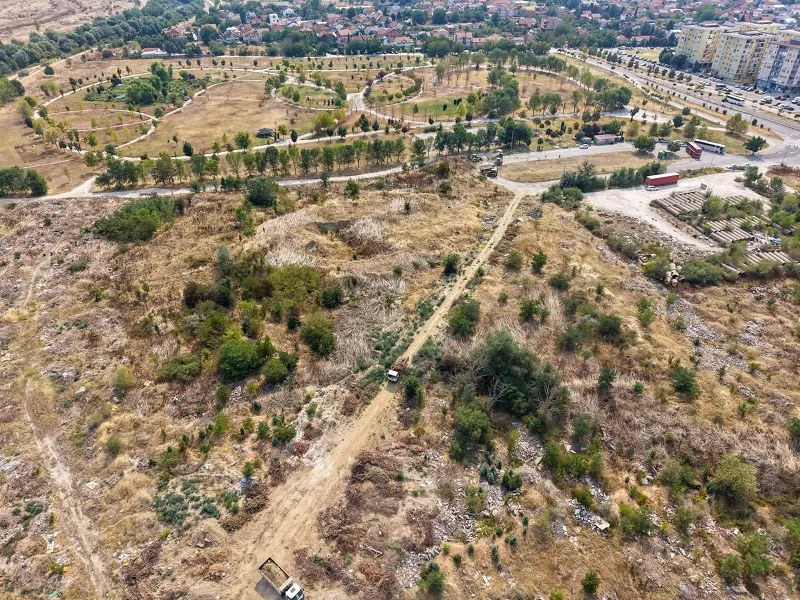
For five years after the promise, the dump stayed a dump. The two neighbouring parks tell the story that comes...
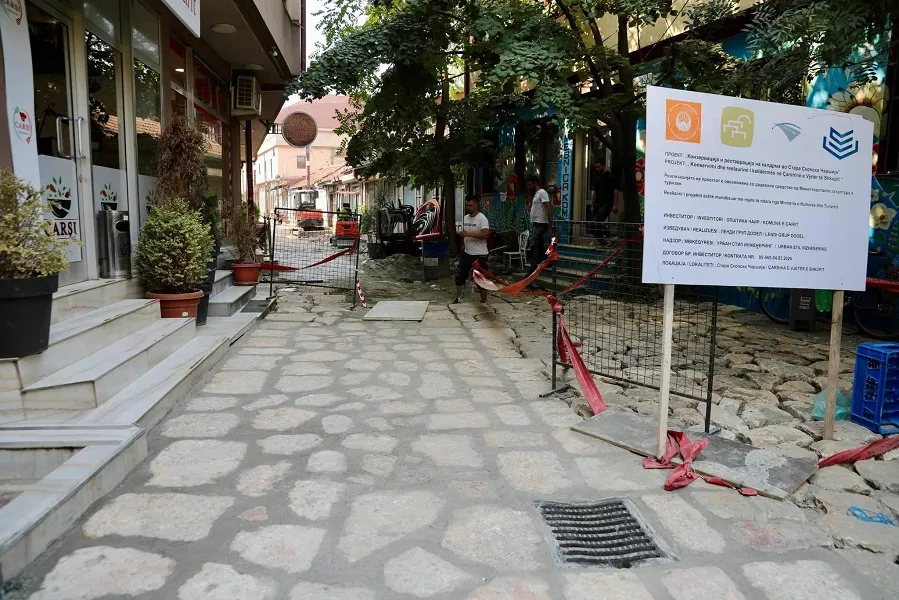
The most visited historic space in Skopje waited fifty years for someone to replace the pipe under the cobblestones. The...

There is a route, there is a presentation and there is agreement that the road is needed. There is no...
This site uses cookies - is that okay? Learn more
Be the first to know when Metla launches something new
Leave your email and we will write when there is a new guide or something new on Metla.
