A Family Left for a Greek Holiday, Only One Child Comes Home: Tragedy on Halkidiki
16.07.2026


16.07.2026

16.07.2026

16.07.2026

16.07.2026

16.07.2026

16.07.2026

16.07.2026

15.07.2026

14.07.2026

16.07.2026

16.07.2026

16.07.2026

16.07.2026

16.07.2026

16.07.2026

09.03.2026

27.02.2026

19.02.2026

16.07.2026

15.07.2026

14.07.2026

23.04.2026

23.04.2026

12.04.2026

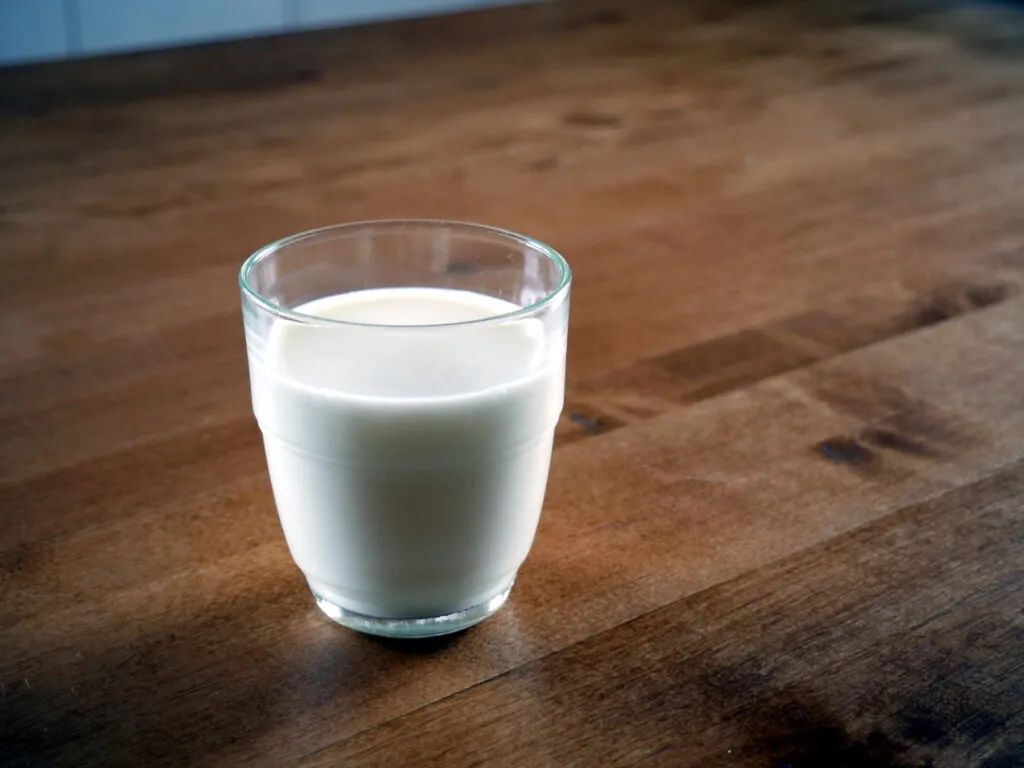
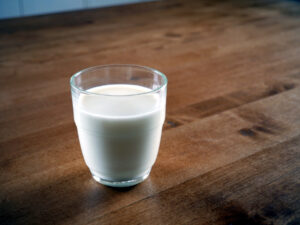
For decades they told us the same thing: fatty milk is the enemy, buy skimmed. Whole generations in Macedonia grew up with the feeling that full-fat milk is a sin, and skimmed the healthy choice. Now science is quietly flipping the record, and the question is why they sold us the opposite for so long.
Nutritionists explain that the evidence has not been on the side of fat-phobia for a long time. According to a systematic review from Laval University, people who consume full-fat dairy have no more obesity, diabetes or heart disease than those who drink skimmed. The fats in milk, they say, are nowhere near as harmful as we were led to believe.
The difference between the three versions - full-fat, semi-skimmed and skimmed - is smaller than you think. All three contain almost the same amount of protein, calcium and micronutrients. The only real difference is in the fat: full-fat has around 3.5 percent, semi-skimmed 1.5 to 2, and skimmed almost zero. That is all - the rest was marketing.
There is a detail that is rarely mentioned: milk fat contains a complex blend of over 400 different fatty acids. Butyric acid has anti-inflammatory properties and benefits for gut health. Conjugated linoleic acid, in experimental studies, has shown effects on body composition. And odd-chain fatty acids are linked to a lower risk of type 2 diabetes. When you skim milk, you are not just throwing out calories - you are also throwing out the fat-soluble vitamins (A, D, E and K).
Does that mean everyone should switch to full-fat right away? Not quite. If your goal is fewer calories, skimmed still makes sense. But if you have no reason to count calories, there is no reason to deprive yourself of the taste and nutrition of full-fat milk. A glass of full-fat fills you up more than a glass of watery skimmed - and the body absorbs the vitamins more easily.
The lesson is not „drink fat" nor „drink lean". The lesson is that a piece of dietary advice served to us for decades as absolute truth turned out to be far too simplistic. Next time someone tells you something is „unhealthy", it is worth asking - according to which study, and from when?
The latest 10 news from this category
A creamy cold dessert with five ingredients and no eggs. The secret isn't in the chocolate but in one step...

Nearly nine decades of tracking hundreds of people. The factor that most strongly predicted longevity was neither salary nor waistline...
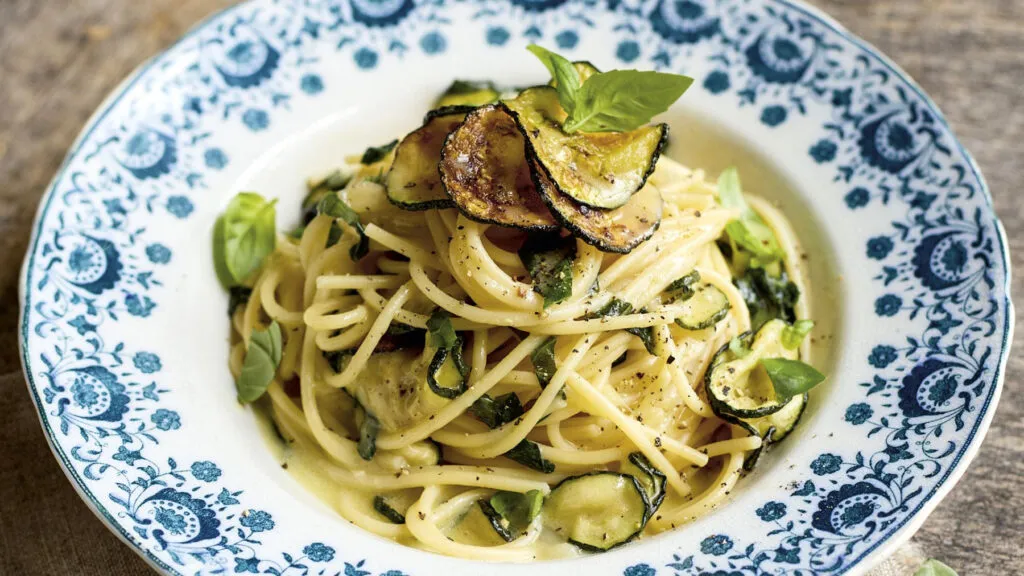
Three ingredients that put whole kitchens of twenty to shame. The secret isn't in the ingredients - the secret is...
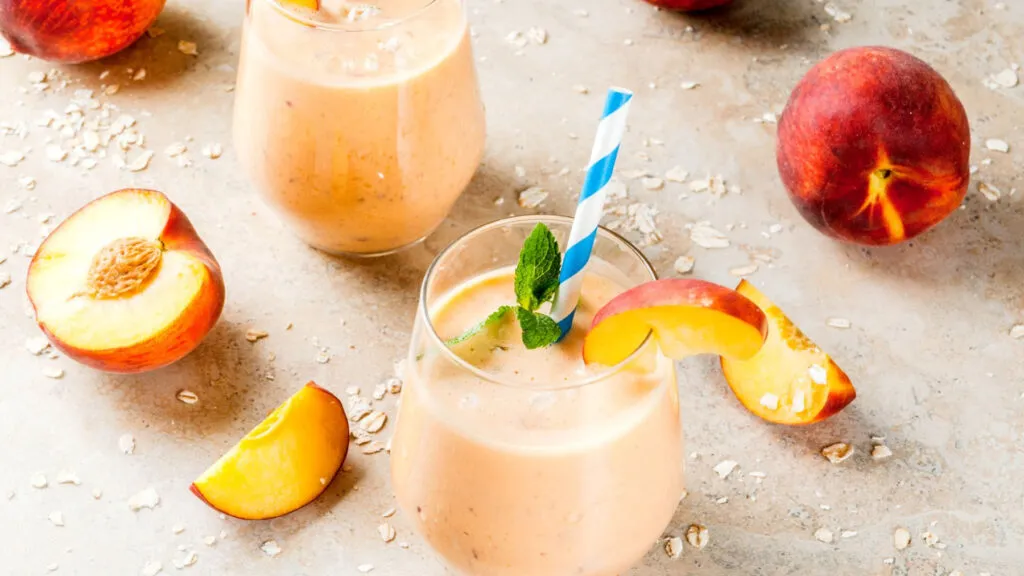
The line between a healthy drink and a liquid dessert is in the details. Concrete recipes with seasonal fruit and...

A nutritionist explains which kind of coffee and which hour make the difference between a calm sleep and a wakeful...

When it's scorching outside, this is the no-stove solution. The secret is fresh tuna and the order of plating -...

Keanu Reeves' line resonates widely. Experts explain why acceptance doesn't mean forgetting - and when grief calls for professional help.
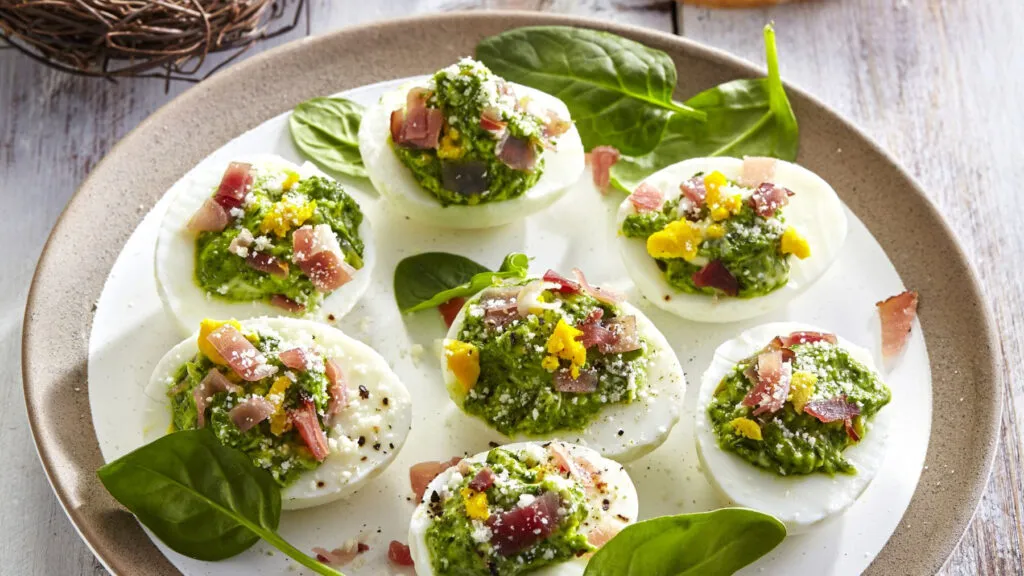
The quiet hero of every table - cheap, fast, and always the first to vanish from the plate. The secret...

What keeps a top athlete in shape isn't automatically a recipe for you. A dentist warns - without a medical...
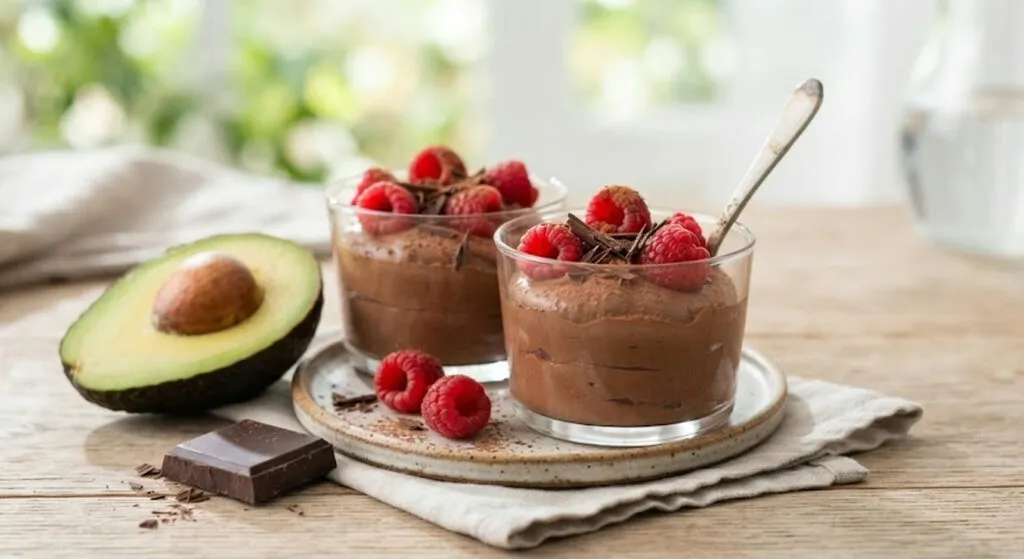
A summer dessert with no stove fired up in a sweltering kitchen. The avocado gives the mousse a silky texture,...
This site uses cookies - is that okay? Learn more