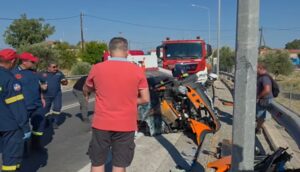
A Family Left for a Greek Holiday, Only One Child Comes Home: Tragedy on Halkidiki
16.07.2026


16.07.2026
16.07.2026
16.07.2026
16.07.2026
16.07.2026
16.07.2026

16.07.2026

15.07.2026

14.07.2026

16.07.2026

16.07.2026

16.07.2026
16.07.2026
16.07.2026

16.07.2026

09.03.2026

27.02.2026

19.02.2026

16.07.2026

15.07.2026
14.07.2026

23.04.2026

23.04.2026

12.04.2026

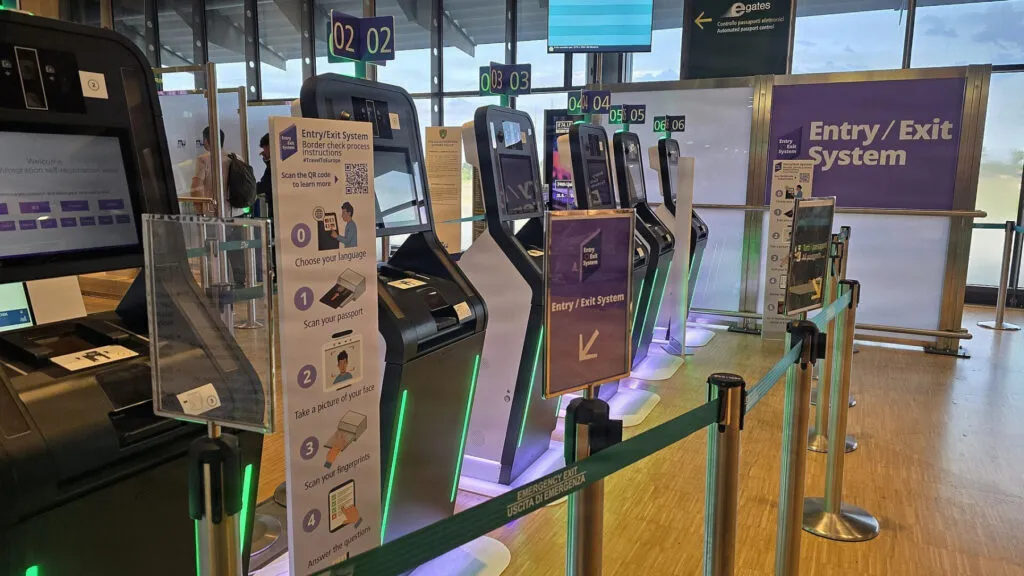
Heading to Greece? We have a complete guide - live border, beaches, prices and documents.
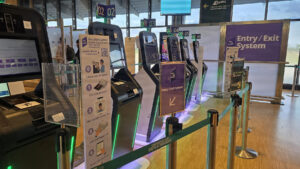
The EU's new digital border system was supposed to "bring travel into the 21st century." Instead, for now it's producing long queues at the border crossings - and a story that looks more like a comedy episode than a high-tech future: the system can't tell identical twins apart.
The Entry/Exit System, known as EES, was rolled out on 10 April after four years of delays. Instead of a stamp in your passport, it stores biometric data - a face scan and fingerprints. The president of the European Commission, Ursula von der Leyen, admitted this month that the system still has "technical problems" and that "a lot of work still needs to be done."
The most bizarre case so far: a British woman was stopped by Romanian border police and accused of having stayed illegally in the Schengen zone. The reason? The system had confused her with her identical twin sister, who really had travelled there. The two have the same surname, the same date of birth and the same nationality - but different fingerprints and different passports. Even so, the machine saw the same facial features and concluded they were the same person.
According to experts, officers are not allowed to identify a traveller solely on the basis of a facial image; they also have to check fingerprints or passport data. In this case, that wasn't done. In other words - the technology didn't fail on its own; what failed was the training of the people using it.
And now the point that hits us directly. That same EES is the system Macedonians pass through every time they enter Greece or any Schengen country. If the technology at Cluj airport creates this kind of chaos, what awaits us at Bogorodica and Evzoni at the peak of the summer season, in a column of thousands of vehicles? The technology promises a future. For now, the only thing it reliably delivers is a longer wait - and at least one passport mixed up with another.
The latest 10 news from this category
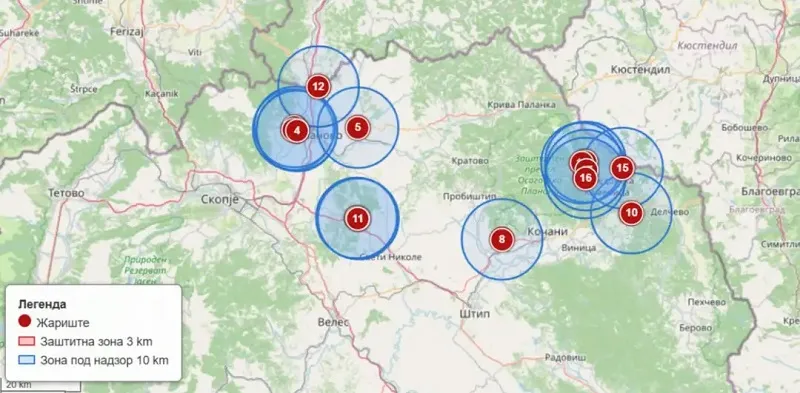
Over 2,700 animals affected, more than 1,400 already killed. "No danger to humans" is true, but for the farmer watching...
Probištip, Delčevo and Karbinci have already been surveyed and carved up to the last plot, and now new concessions are...
The former OpenAI tech chief showed what she's been building behind closed doors. An open model that companies fine-tune themselves...
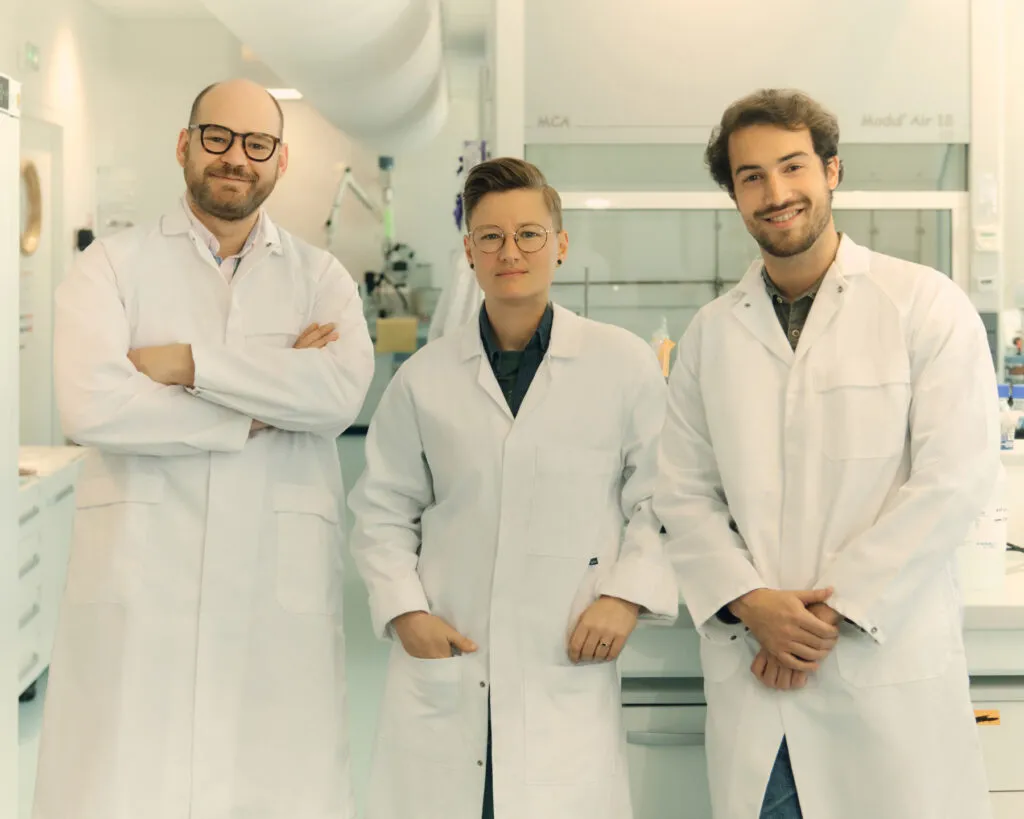
With the turbulence in the oil industry, the price of nylon is renegotiated almost weekly. Big brands are now racing...

The live-shopping platform is worth over 11 billion dollars and wants its algorithms to react to your desire before you...
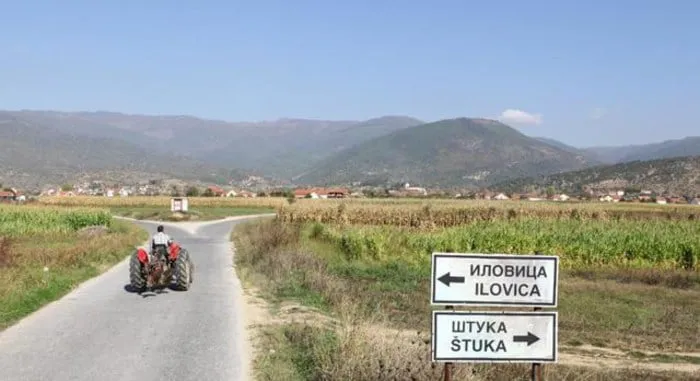
The country sits on a resource the whole Union is fighting over - and won't budge. But the Ilovica story...
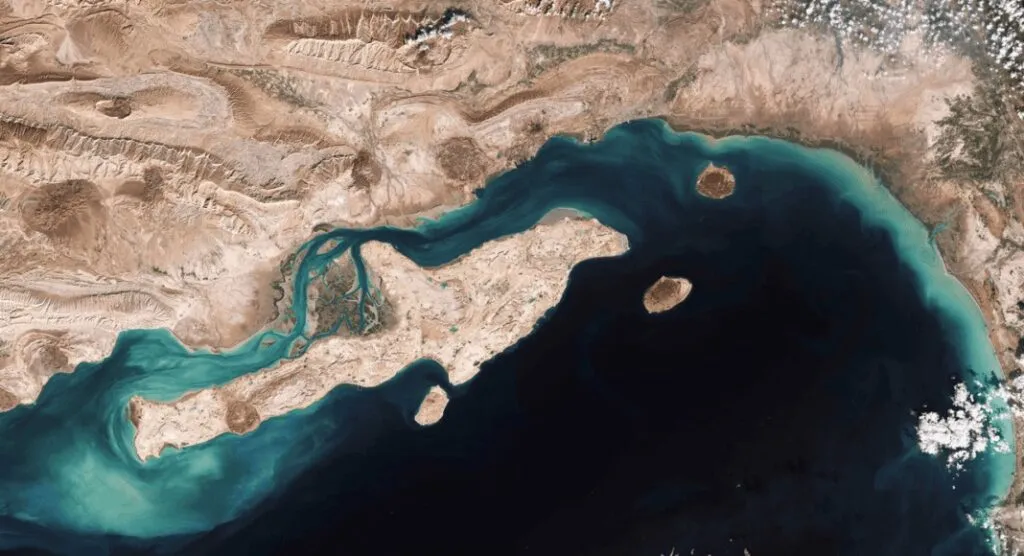
Numbers that sound far away, until you pull up at the pump. The geopolitics between Washington and Tehran are ultimately...
Together with Serbia, the Western Balkans took a seat at the table in Athens. Joining is a necessary step -...

A screenless box that turns toward you, learns from your habits and pretends to be a friend. Built with ex-Apple...

Match Group, owner of Tinder and Hinge, is funding the spinout of its former boss. Less swiping, more artificial intelligence...
This site uses cookies - is that okay? Learn more