

Studeničani: 35-year-old dies after being electrocuted while washing his car with a pressure washer
18.09.2026


18.09.2026
18.09.2026

18.09.2026

18.09.2026

18.09.2026
18.09.2026
18.09.2026

17.09.2026

16.09.2026

18.09.2026

18.09.2026

17.09.2026

18.09.2026

18.09.2026

18.09.2026

18.09.2026

17.09.2026

16.09.2026

18.09.2026

18.09.2026

18.09.2026

18.09.2026

17.09.2026

17.09.2026

09.03.2026

27.02.2026

19.02.2026

18.09.2026
17.09.2026
16.09.2026

23.04.2026

23.04.2026

12.04.2026

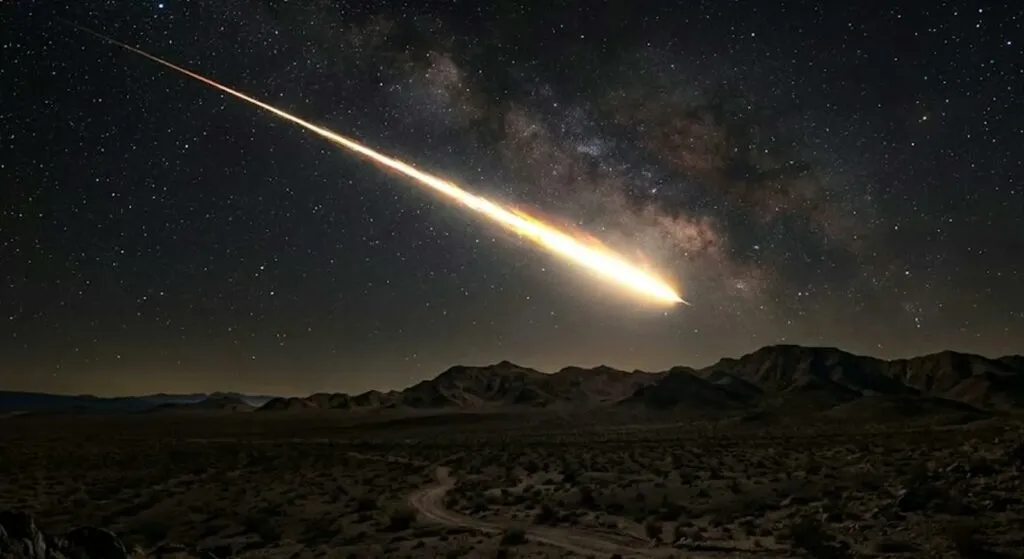
On Saturday evening, the sky over the Israeli town of Beit Shemesh, only 30 kilometres from Jerusalem, lit up with a fireball visible from kilometres away. Residents thought the war with Iran was starting again. Iranian missile attacks in recent months have hit that particular town more than once. The panic was immediate, real, and - as it turned out - wrong.
The defence company Tomer, which works in the rocket-fuel industry, later confirmed that the explosion had been a planned experiment. „A pre-planned test conducted according to plan", their statement read. It's almost ironic - in a country under constant attack, an experiment with rocket fuel won't be registered by the population as anything other than war.
An anonymous source from the company told Israeli public broadcaster Kan that the explosion had been controlled and planned. Channel 12 reported - on the basis of unofficial information - that the test involved rocket fuel for projectiles with a range of thousands of kilometres. That means Tomer is working on weapons of intercontinental range - not something the population should be asked to take in as a back-yard experiment.
The test was carried out five kilometres from a residential area. That's a distance that technically satisfies safety standards but emotionally destroys any attempt by the company to stay anonymous. When 30,000 people see a fireball in the sky and don't know what's happening, the panic isn't neutralised by the fact that the police were informed.
How did they react? Tomer held a meeting and decided that future tests would include public warnings. Translation - „we admitted the mistake, we'll fix it". The Israeli Defence Ministry said it would „examine the question of timely public warnings" with the company. That's diplomatic language for „this can't happen again".
For Balkan readers, this story is instructive in two ways. First - we live in a world where the difference between „attack" and „experiment" is settled by a 24-hour statement. That's the cost of constant tension, and that cost isn't economic - it's psychological. Second - when the military operates in civilian space without transparency, every mistake becomes ammunition for disinformation. It's no accident that social media at that moment claimed the factory had been attacked, or that a major accident had occurred. Under those conditions no state functions for long.
The latest 6 news from this category
Hamas accepted the 15-point plan, Israel wants genuine disarmament first. When allies agree only on the destination, negotiations come down...
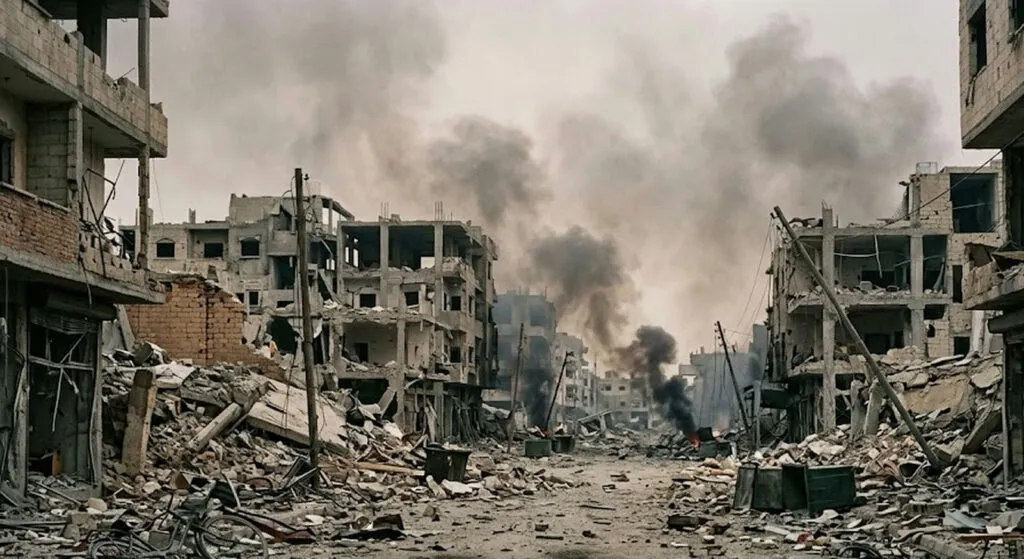
Шиитското движење Хезболах има право да одговори во секое време на израелското убиство на својот лидер, изјави сегашниот лидер на...
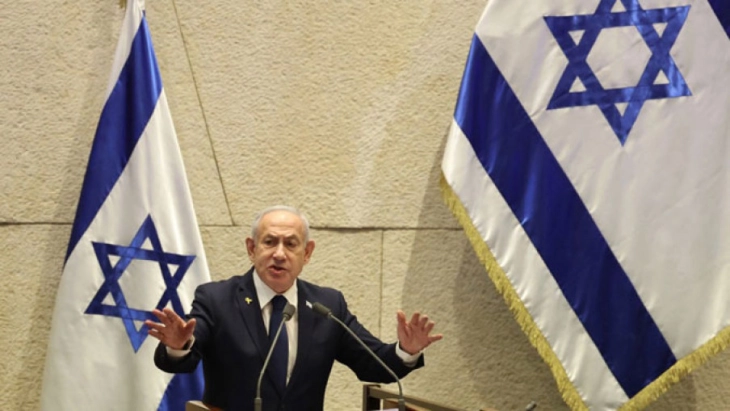
Израелскиот премиер Бенјамин Нетанјаху вечерва повтори дека „нема да има палестинска држава, дури ни по цена на нормализирање на односите...
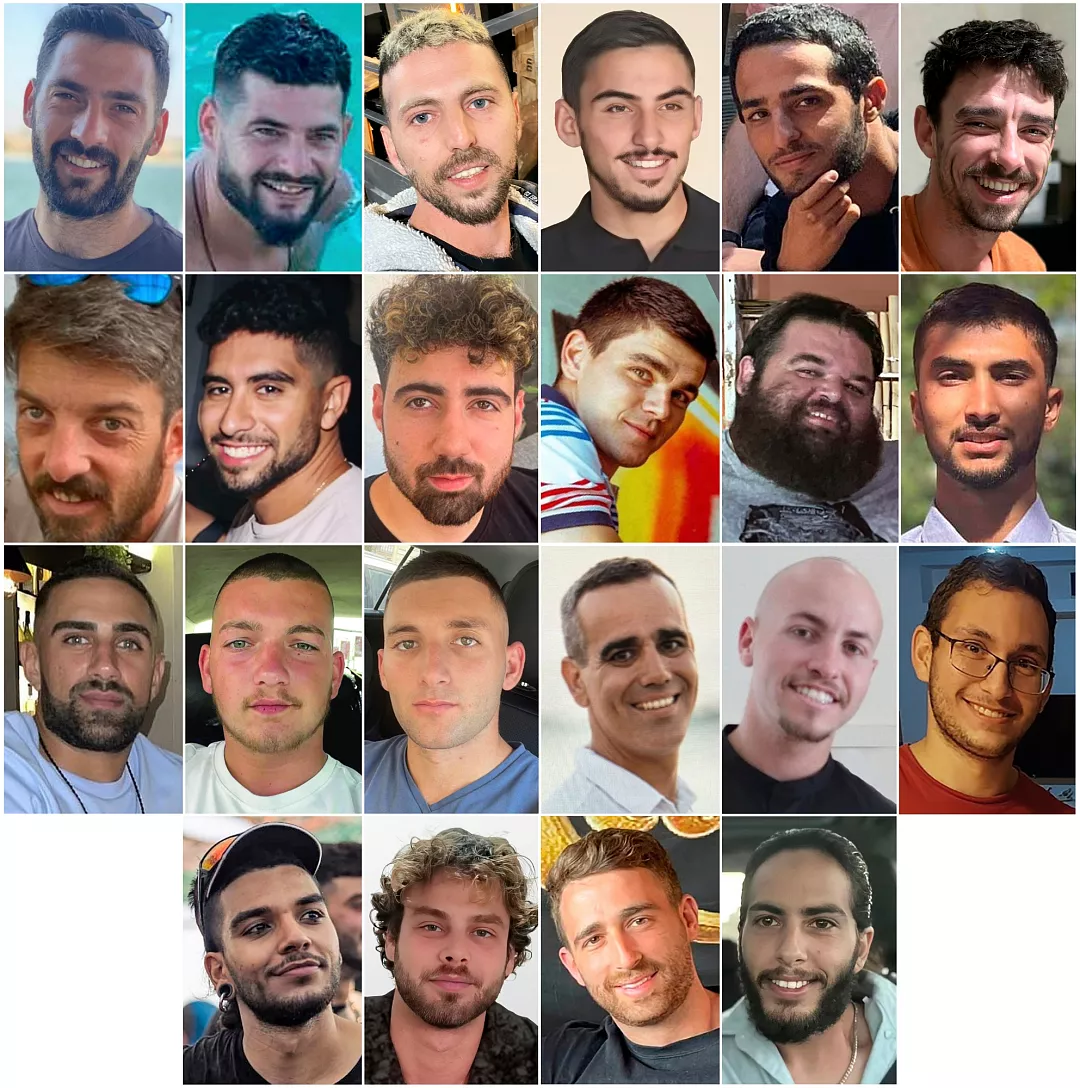
Околу 20 израелски заложници, кои се верува дека се живи, би можеле да бидат ослободени во понеделник, откако стапи во...
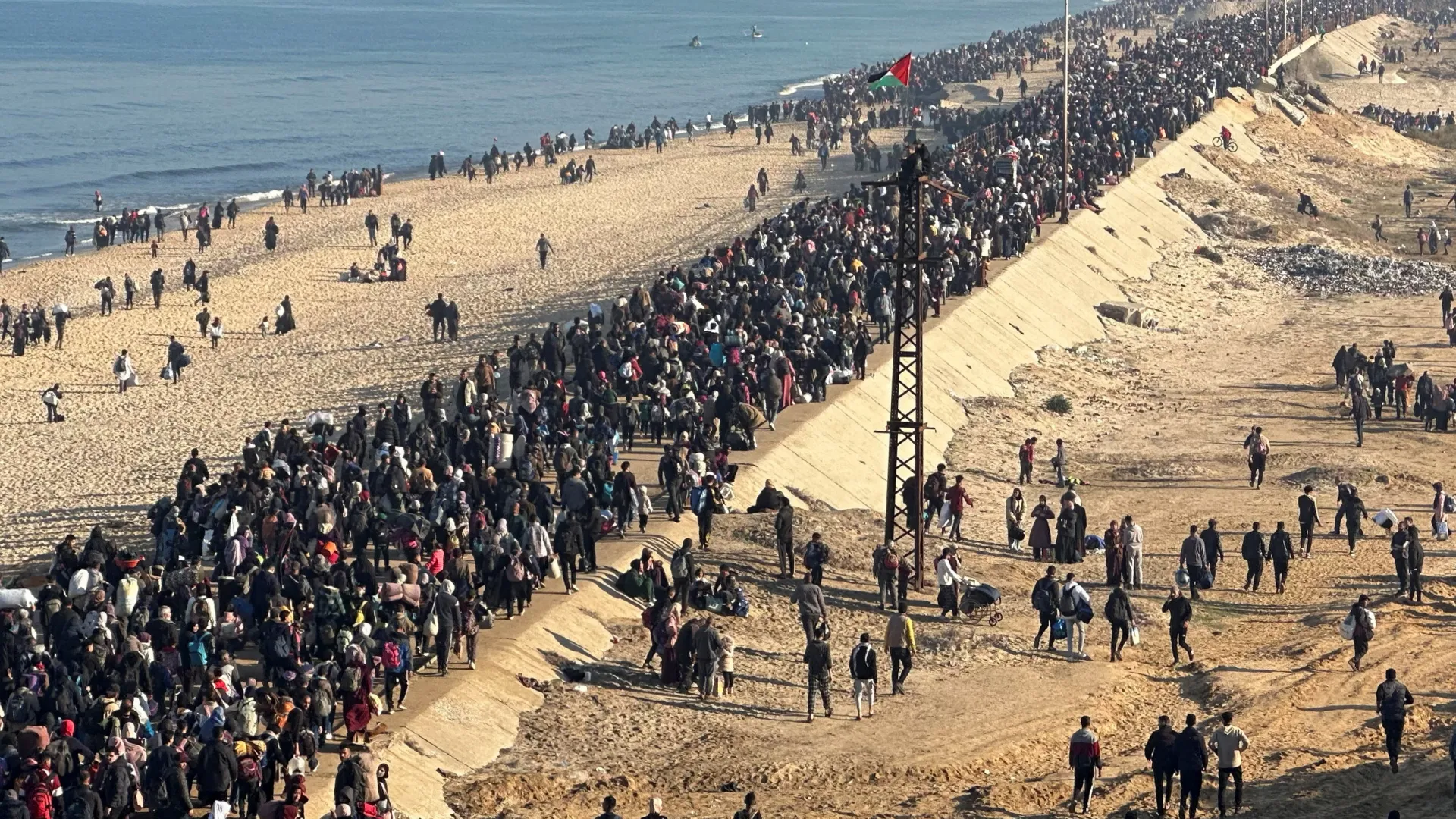
Агенцијата за цивилна заштита на Газа, која е под контрола на Хамас, соопшти дека над 500.000 лица се вратиле во...
Мисијата на Обединетите нации за утврдување факти денес заклучи дека Израел извршил геноцид во Газа и дека високи израелски функционери,...
This site uses cookies - is that okay? Learn more
Be the first to know when Metla launches something new
Leave your email and we will write when there is a new guide or something new on Metla.
