

Studeničani: 35-year-old dies after being electrocuted while washing his car with a pressure washer
18.09.2026


18.09.2026

18.09.2026

18.09.2026

18.09.2026
18.09.2026
18.09.2026
18.09.2026
17.09.2026
16.09.2026
18.09.2026
18.09.2026
17.09.2026

18.09.2026
18.09.2026
18.09.2026
18.09.2026
17.09.2026
16.09.2026

18.09.2026

18.09.2026
18.09.2026

18.09.2026
17.09.2026

17.09.2026

09.03.2026

27.02.2026

19.02.2026
18.09.2026
17.09.2026
16.09.2026

23.04.2026

23.04.2026

12.04.2026

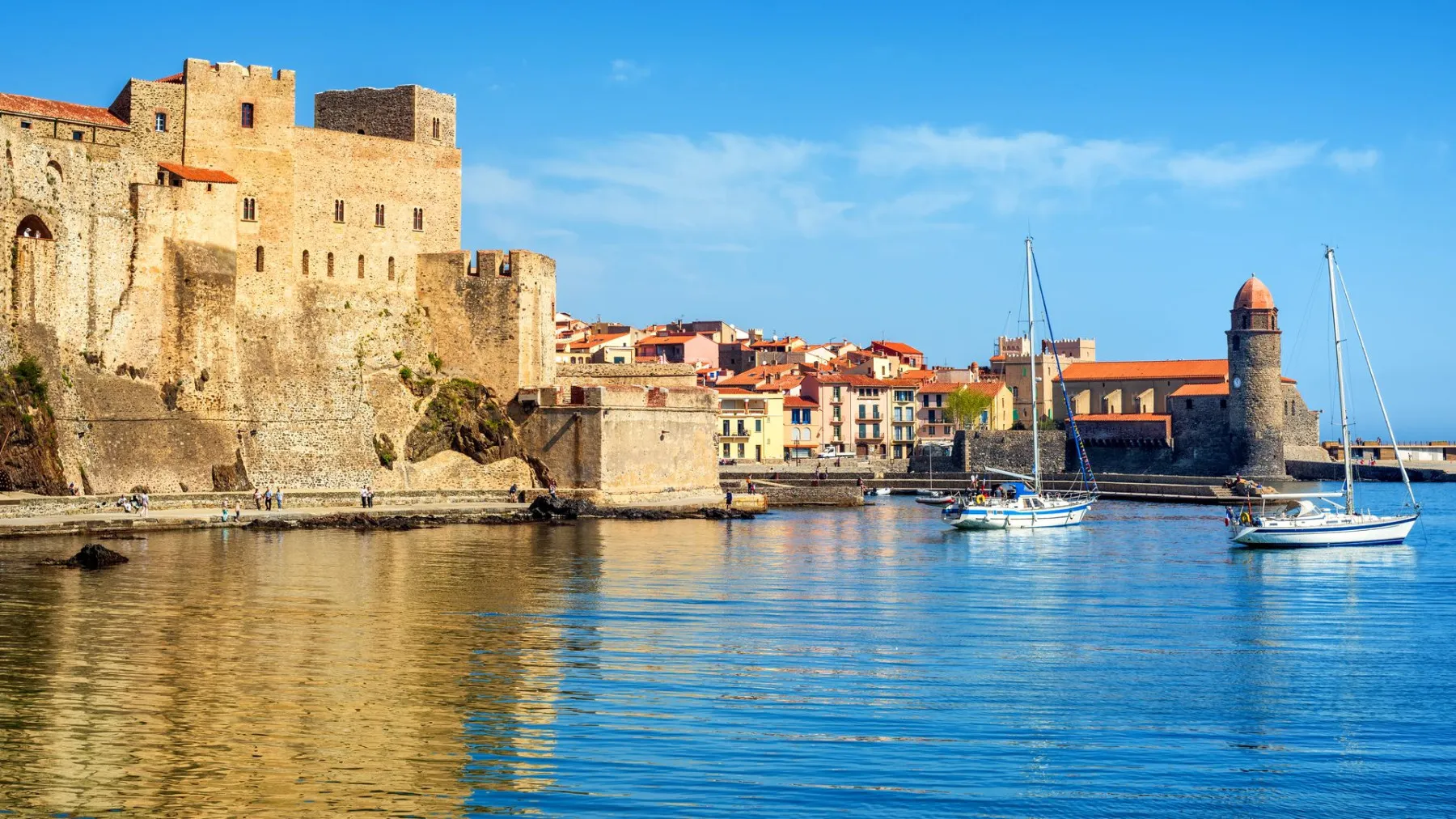
There is a 30-kilometre stretch of the French Mediterranean coast, painted red - not in a metaphorical sense, but literally. The earth is red. The wine is red. In the early evening, the sun before it sets paints the cliffs and the little houses in a colour that the French tourism club in 1912 named Côte Vermeille - "Vermilion Coast". The name was officially adopted on 5 November of that same year. Before that, nobody thought of it as anything special.
Tucked between the Spanish border and Perpignan, this stretch of the Mediterranean stayed off the major tourist roads. In the north is Argelès-sur-Mer with a 7-kilometre beach, in the south Cerbère, which borders Spain. Between them - Collioure, the small harbour where Henri Matisse, André Derain and Paul Signac came at the start of the 20th century and invented an entire art movement. "There is no sky in France bluer than the one over Collioure," Matisse wrote.
Collioure is the heart of the trip. The 7th-century castle, an old Templar fortress, the "Notre-Dame des Anges" church whose bell tower is in fact an old maritime lighthouse. Twice a week there's a market selling fish tins from Banyuls - anchovies in olive oil, sardines. These workshops have existed here since the time fisherman came back from the nets and didn't know what else to do with the catch.
Banyuls-sur-Mer, a few kilometres south, gave the world the dessert wine "Banyuls" - a naturally sweet wine with 14% alcohol, aged in oak barrels in the open sun. That process is only made possible by the Côte Vermeille climate. The vineyards here cut into terraced stone walls - 6,000 kilometres of walls in total, built by hand over the last eight centuries. UNESCO has had them on its World Heritage list since 2015.
What to expect? Coves tucked between cliffs where you'll be alone even in August. Villages of 200 residents where every day you have breakfast on the terrace of the same bar (there isn't another). Wineries where the owner personally pours four or five wines for two euros. Workshop-museums where ceramics are still made. The Museum of Modern Art in Collioure with permanent shows of Matisse, Derain, Picasso. And, if you're lucky with the season (May to September), a pack of fishermen arguing over the price of anchovies on the harbour - a scene you can only see on the Balkans in a Kusturica film.
The latest 10 news from this category
The royal couple walked yesterday into a pub the village bought back for itself. How many buildings like that sit...

Of twenty-five new inscriptions, five are natural - and only one is in Europe. For the richest of them, the...
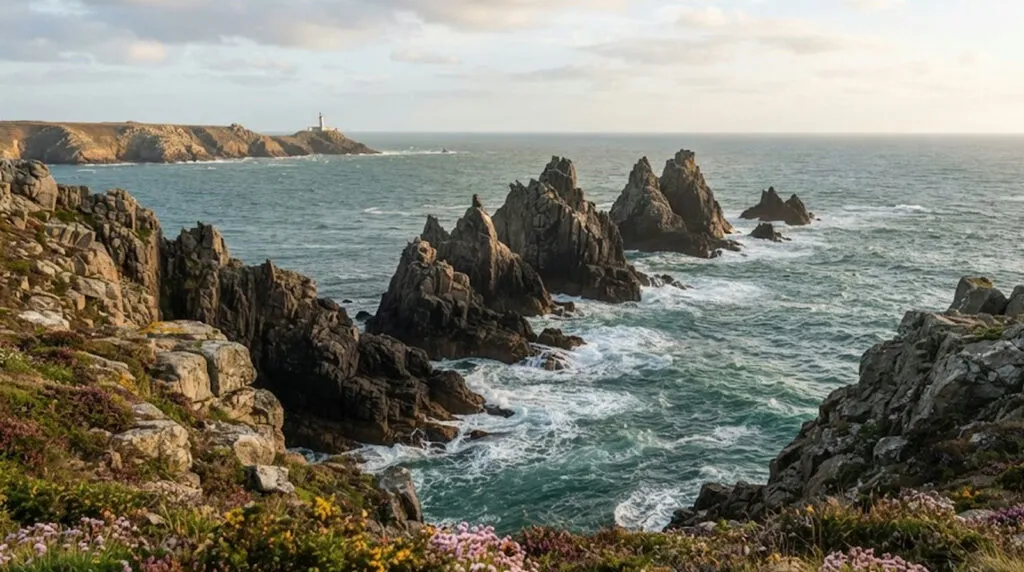
Fifty beaches, more than 120 villages and a trail France voted its favourite. Monet came for a few days and...
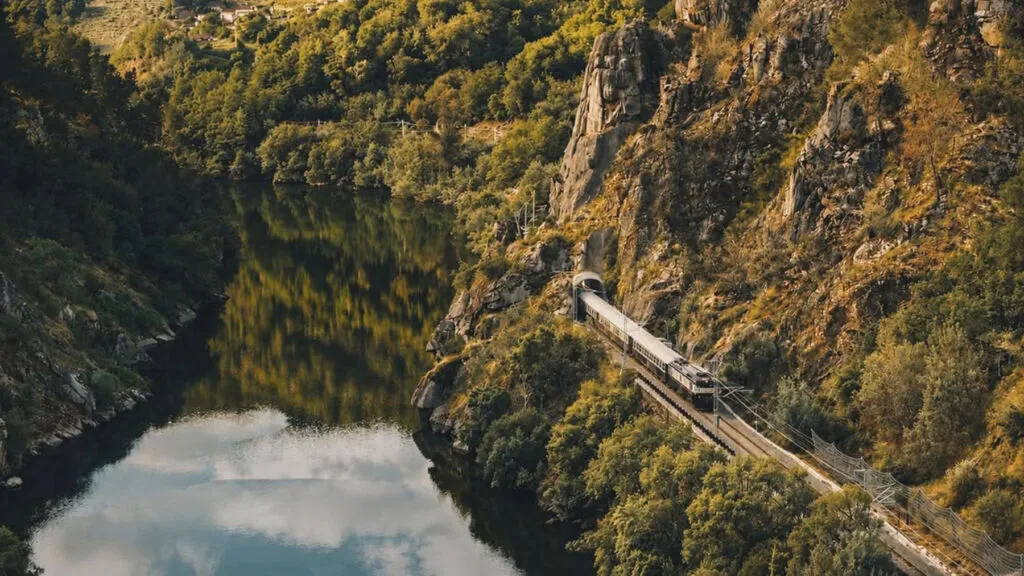
Restored carriages, a locomotive they call the Japanese Woman and a 28.95 euro return ticket. What it sells is not...
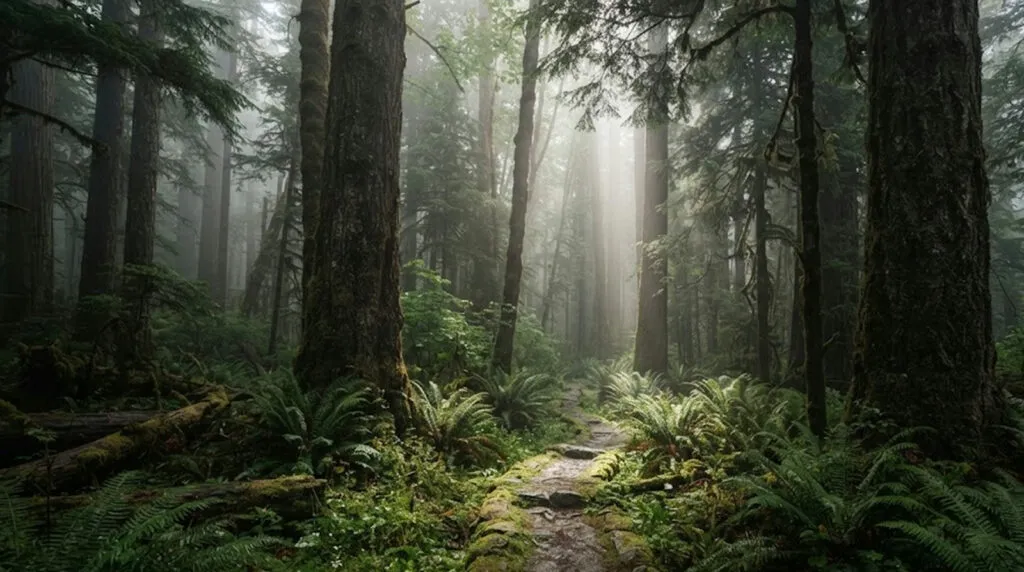
Two hundred and fifty tree species from every corner of the world, a monastery from 1628 and a palace that...
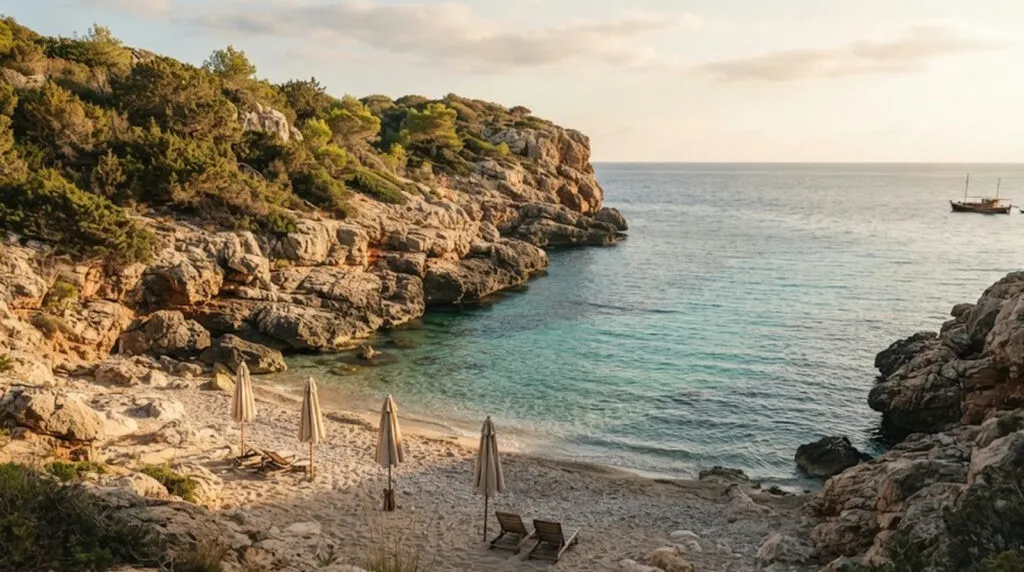
The same places cost more in August, look crowded and are experienced at half strength. The difference is made by...
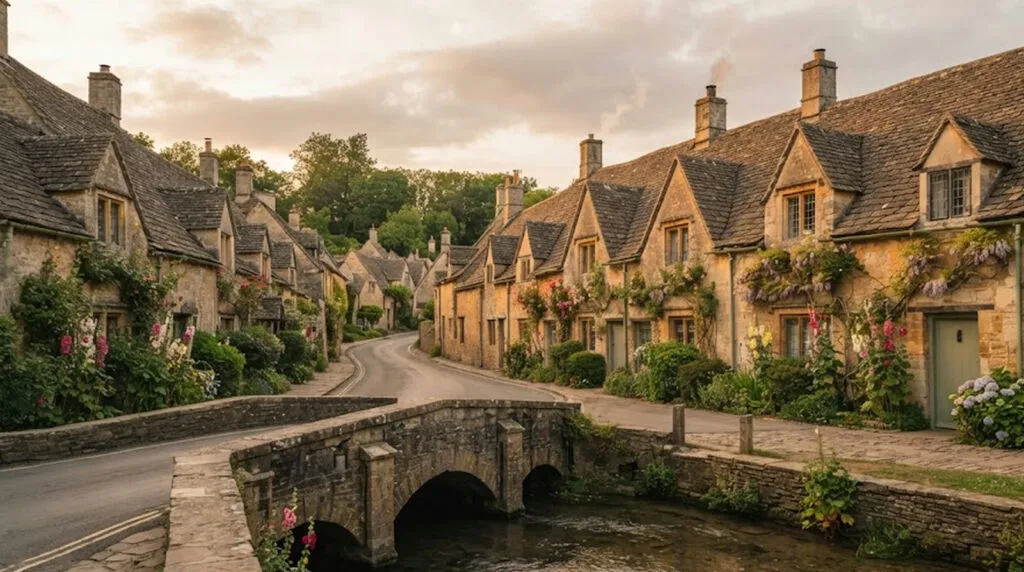
The Beckhams have a place there, so do Kate Moss and Ellen DeGeneres. But the Cotswolds needs none of those...

Down on the coast the buses pass each other with centimetres to spare and all you see is people. Up...
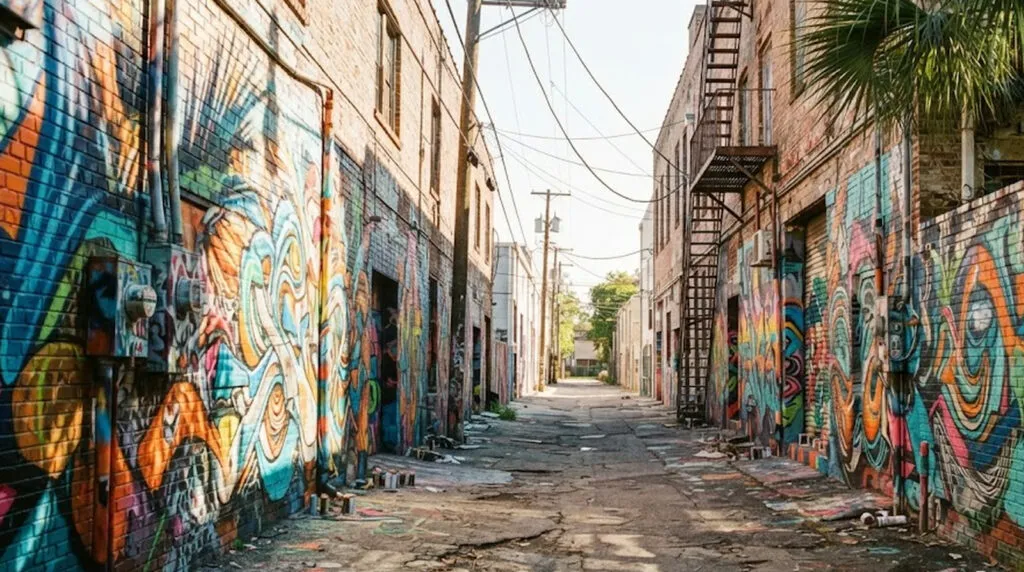
Empty warehouses, low rents and one real estate developer. A model we know without flying to Florida.
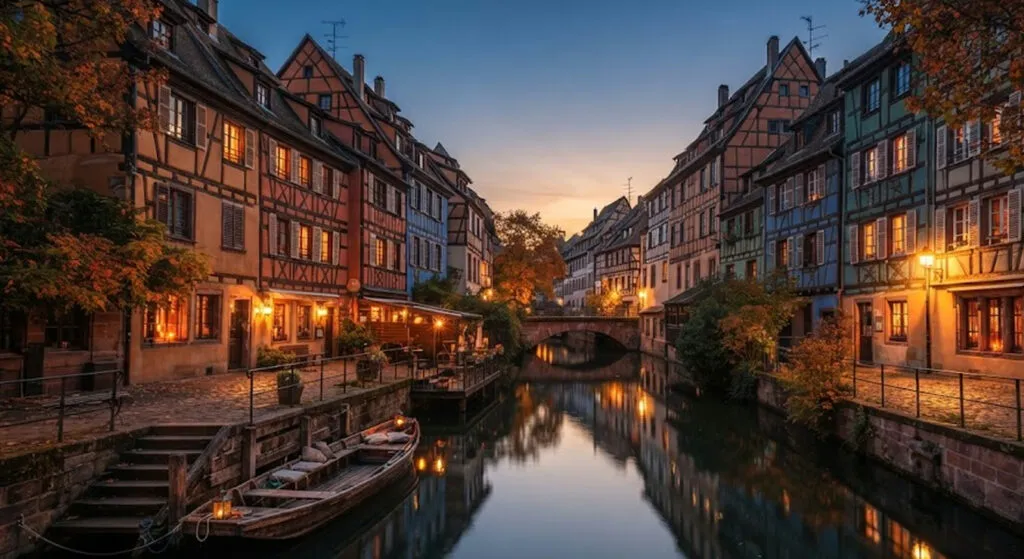
Old tanners' and dyers' workshops, built directly over the river. From 10 to 13 September the town puts boats and...
This site uses cookies - is that okay? Learn more
Be the first to know when Metla launches something new
Leave your email and we will write when there is a new guide or something new on Metla.
