

Studeničani: 35-year-old dies after being electrocuted while washing his car with a pressure washer
18.09.2026


18.09.2026

18.09.2026

18.09.2026

18.09.2026

18.09.2026

18.09.2026
18.09.2026

17.09.2026
16.09.2026

18.09.2026

18.09.2026
17.09.2026

18.09.2026

18.09.2026

18.09.2026
18.09.2026
17.09.2026
16.09.2026

18.09.2026

18.09.2026
18.09.2026

18.09.2026
17.09.2026

17.09.2026

09.03.2026

27.02.2026

19.02.2026

18.09.2026
17.09.2026
16.09.2026

23.04.2026

23.04.2026

12.04.2026

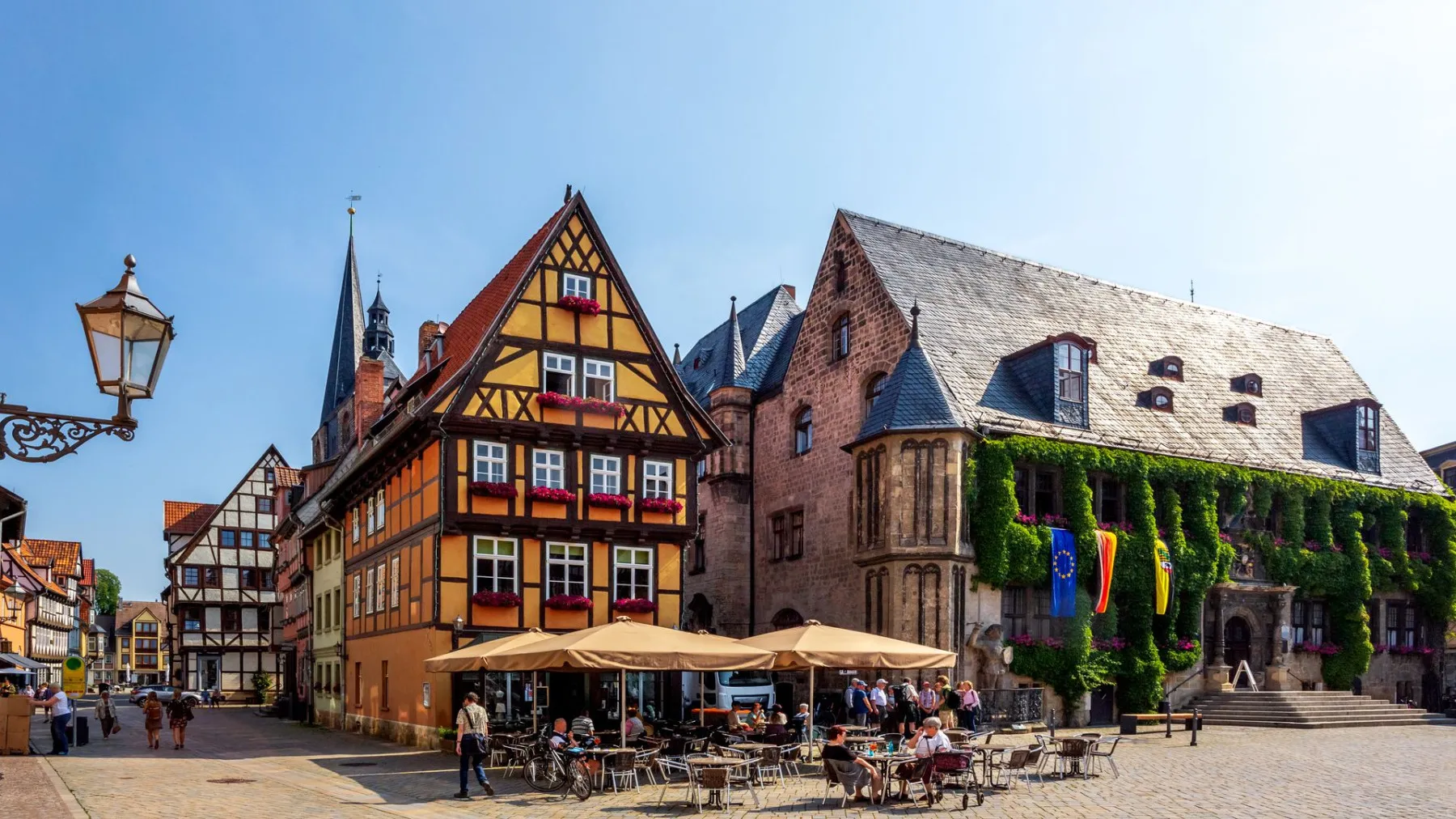
A two-hour drive south of Berlin, tucked into the Harz mountains, there's a town that looks as if it got stuck in the 16th century - and with reason. Quedlinburg has roughly 1,200 half-timbered houses, its medieval lanes are untouched, and it survived the Second World War and socialist isolation largely because no one had the resources to tear it down and rebuild it.
The town has held UNESCO World Cultural Heritage status since 1994. Its history is imperial: it was founded by Henry I, the first king of Germany, together with his wife Matilda in the 10th century. Stiftskirche St Servatius - the church towering over the town - holds a Romanesque crypt that experts describe as "one of the most beautiful of its kind on the entire continent." The founders lie inside it.
Across the centuries, Quedlinburg's abbesses tended herbs and vegetables in the abbey gardens with such dedication that the town became a world-famous centre for seed propagation - a legacy locals are still proud of today. And in the 16th and 17th centuries, the half-timbered houses around the Marktplatz shaped the skyline that pulls tourists from all over the world today.
There's a darker layer too. In 1936, the Nazi SS leader Heinrich Himmler declared the town a sacred place of the "Nordic race" and physically removed Henry I's remains from the Stiftskirche - they're still mysteriously missing today. In the same period, the Nazi regime tried to turn the town into a nationalist shrine. After German reunification, Quedlinburgers reclaimed their real identity - a medieval merchant town, not a Nazi temple.
Today a walk through Schuhof, the artisans' quarter, or a coffee on the Marktplatz among houses with a 500-year-old framework, feels closer to a Balkan we'd recognise - old Ohrid, Kratovo, Berat, Shkodër - than to the polished German stereotype. Quedlinburg is the town for those who want a Europe without turbo-tourism and without plastic - just stone, wood, and time still moving at its own pace.
The latest 10 news from this category
The royal couple walked yesterday into a pub the village bought back for itself. How many buildings like that sit...

Of twenty-five new inscriptions, five are natural - and only one is in Europe. For the richest of them, the...
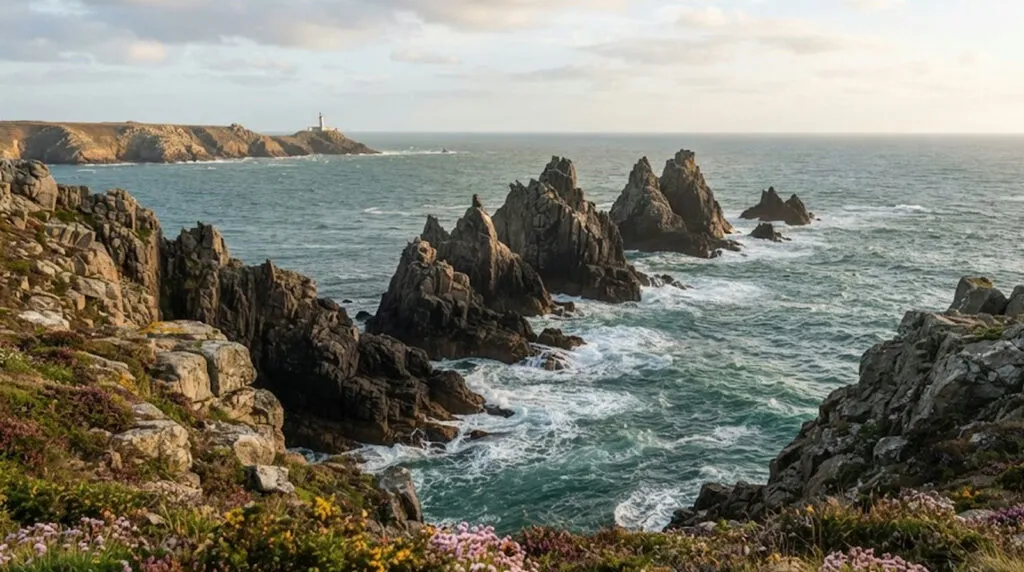
Fifty beaches, more than 120 villages and a trail France voted its favourite. Monet came for a few days and...
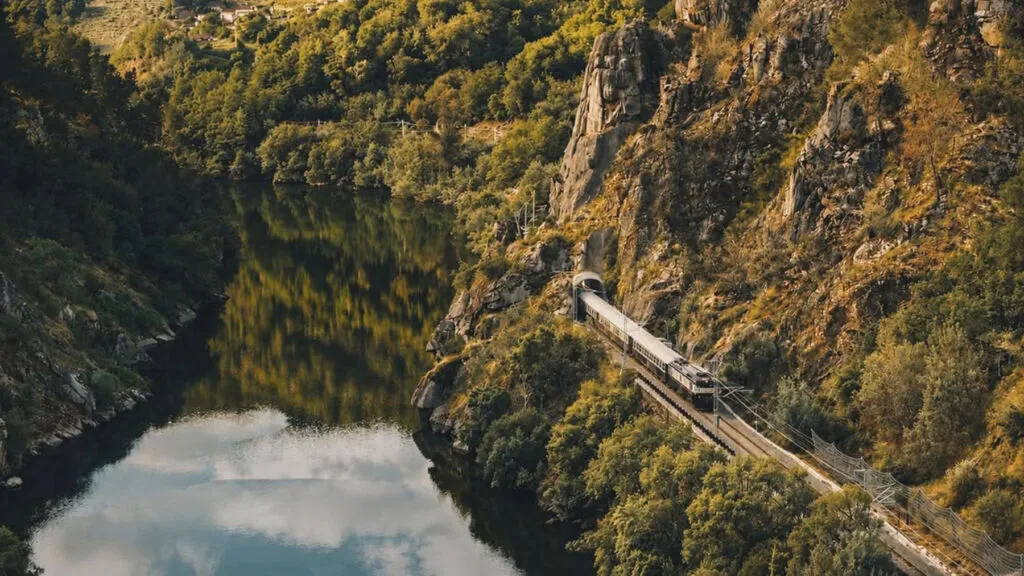
Restored carriages, a locomotive they call the Japanese Woman and a 28.95 euro return ticket. What it sells is not...
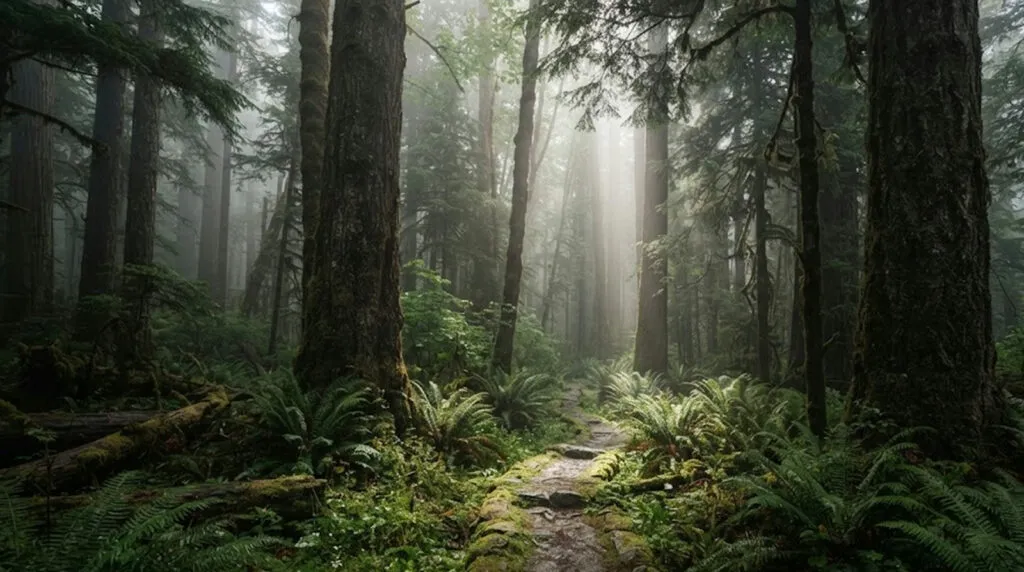
Two hundred and fifty tree species from every corner of the world, a monastery from 1628 and a palace that...
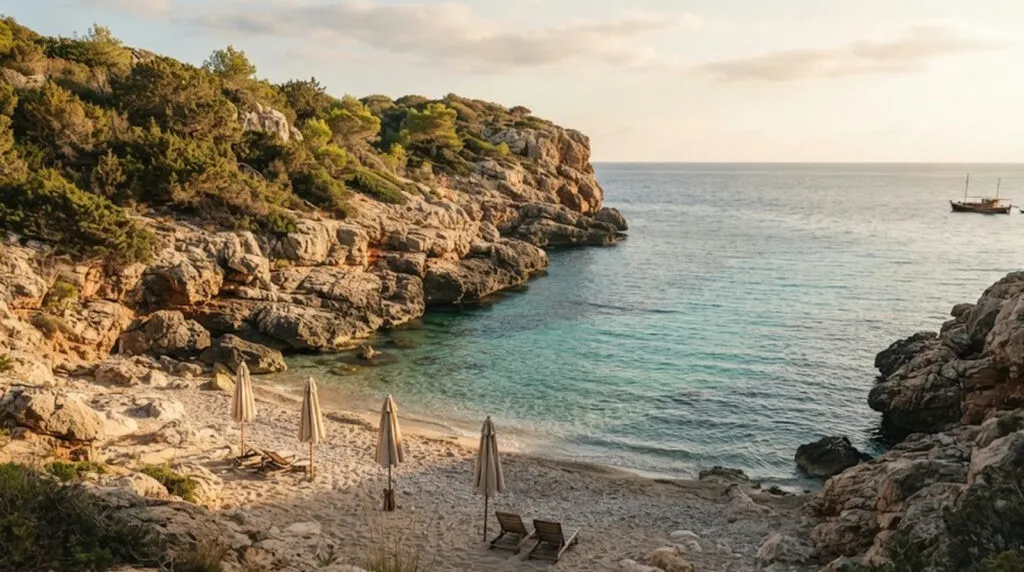
The same places cost more in August, look crowded and are experienced at half strength. The difference is made by...
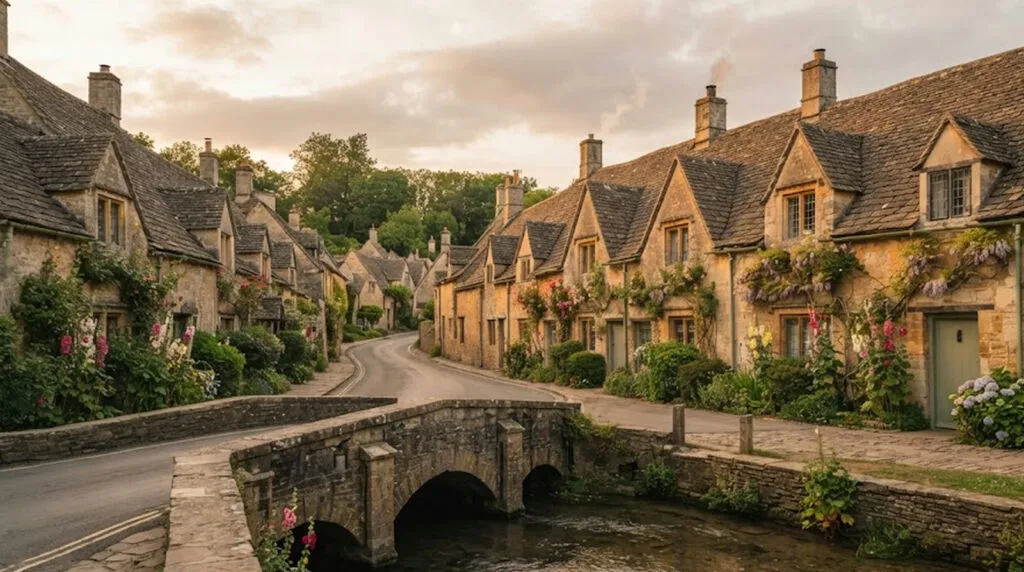
The Beckhams have a place there, so do Kate Moss and Ellen DeGeneres. But the Cotswolds needs none of those...

Down on the coast the buses pass each other with centimetres to spare and all you see is people. Up...
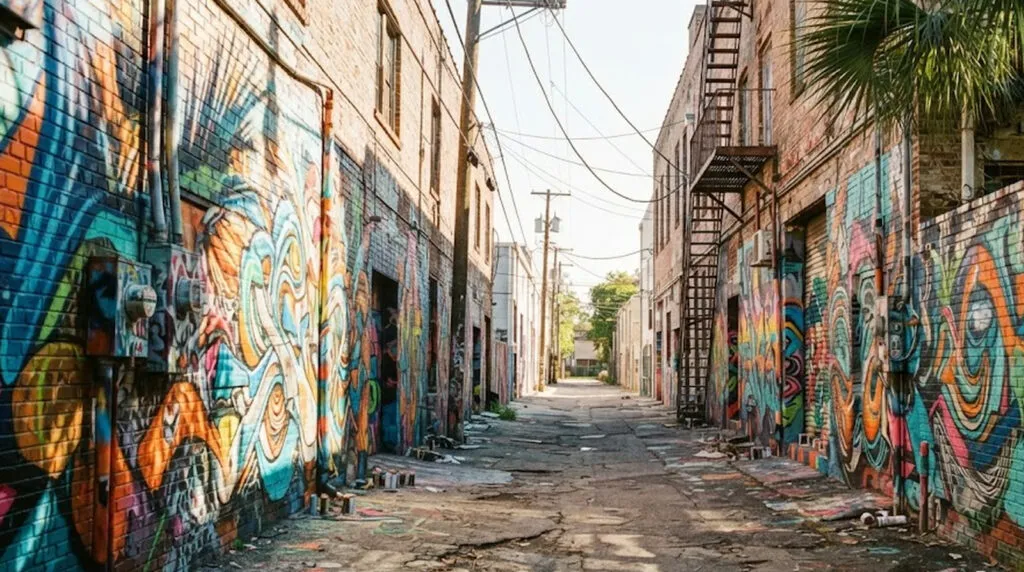
Empty warehouses, low rents and one real estate developer. A model we know without flying to Florida.
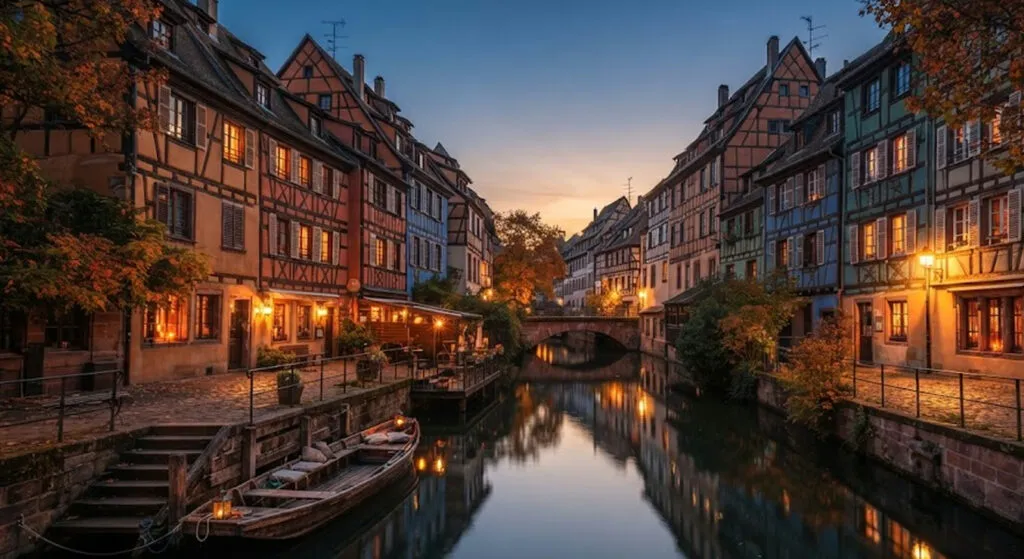
Old tanners' and dyers' workshops, built directly over the river. From 10 to 13 September the town puts boats and...
This site uses cookies - is that okay? Learn more
Be the first to know when Metla launches something new
Leave your email and we will write when there is a new guide or something new on Metla.
