
A Pole Drove 164 km/h Where the Limit Is 80: The Camera Caught Him, the Border Stopped Him
23.08.2026


23.08.2026

23.08.2026

23.08.2026

23.08.2026
22.08.2026

22.08.2026

23.08.2026
23.08.2026
22.08.2026
23.08.2026
23.08.2026
23.08.2026
23.08.2026
22.08.2026
21.08.2026

23.08.2026
23.08.2026

23.08.2026
23.08.2026

23.08.2026
22.08.2026

09.03.2026

27.02.2026

19.02.2026

23.08.2026
23.08.2026
22.08.2026

23.04.2026

23.04.2026

12.04.2026
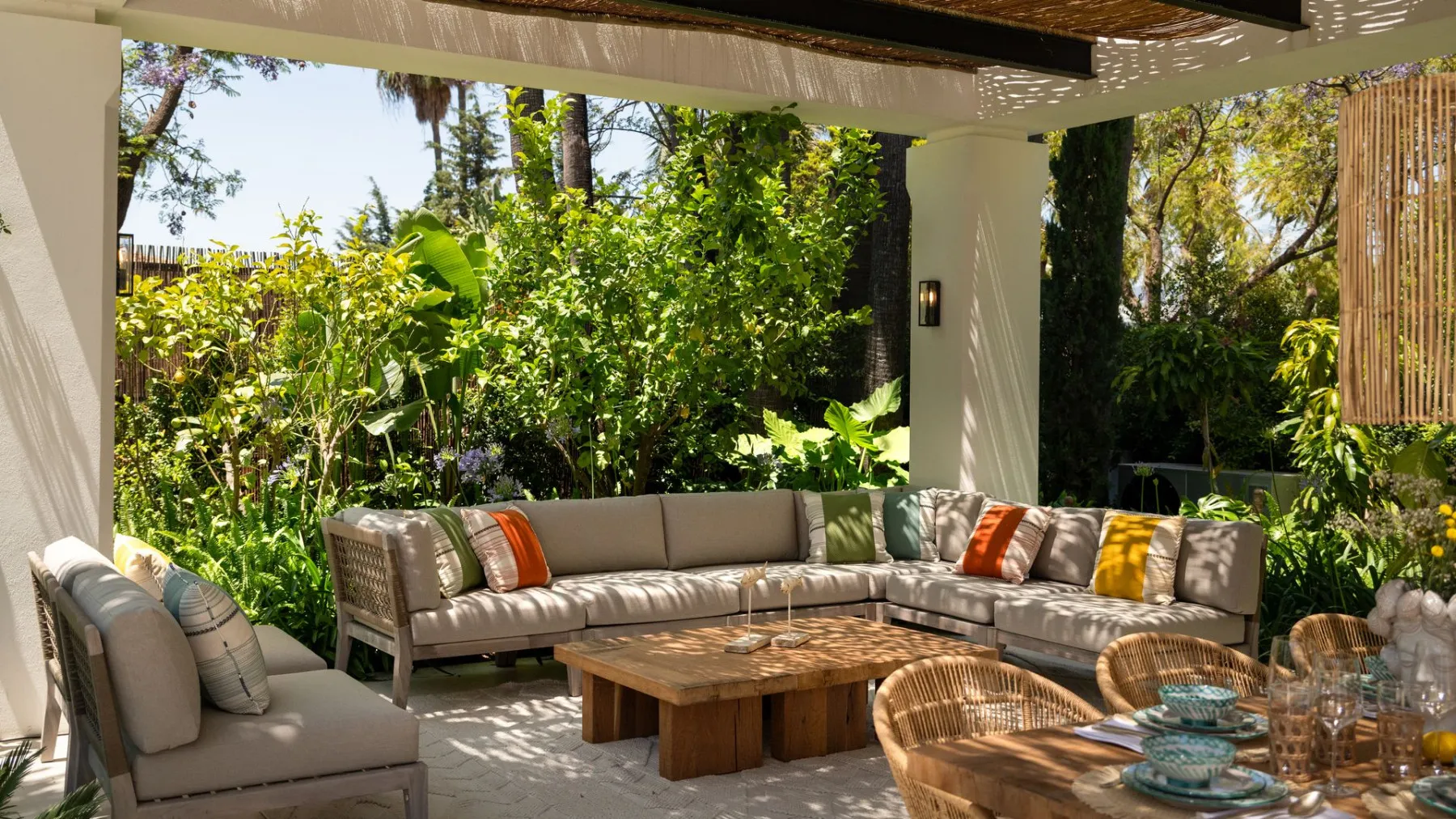
Perfectly matched terraces - that sofa with two identical armchairs in the same material, the same table and the same side-table bought as a "garden set" - are over. The 2026 outdoor furniture trend ditches the kits like a military uniform and starts to look like what Balkan houses have always had: a terrace gathered over time, made up of different pieces, with different stories.
The principle isn't chaos. It's intentional mixing. Designers describe the most successful 2026 terraces as "spaces composed as if they'd been built up over time" - one wooden table bought five years ago, metal stools from this season, and woven armchairs found in an antique shop. The result is a home, not a catalogue.
Materials are the key. Wood plus metal. Bamboo plus rattan. Porcelain plus rope. Those combinations create a textural interest that a uniform set will never reach. And contrary to how it might look at first - if they're tied together under a single colour palette (warm neutrals, or calm earth tones, or one dominant like terracotta) - the whole terrace becomes visually calm and natural.
Textiles play an unexpectedly important role. Printed cushions, patterned throws, woven runners on the table - those are the elements that let you change the look every season without buying new furniture. Green and orange for summer, brown and terracotta for autumn, white and grey for winter. Same furniture, different clothes.
Asymmetric layouts are the next key. Not symmetrical pairs - free composition: one large sofa on one end, two different armchairs on the other, a table at a lower or higher level depending on mood. Not a rule, but an order that matches how people actually sit and talk.
For small terraces the principle doesn't change, just applies under tighter constraints. One hero piece - a chair, table or sofa that stands out - alongside two or three neutral elements. And one shared light - warm, soft, absolutely the same temperature across every lamp - that pulls every difference into a single atmosphere.
Contrasting styles are also in. A classic table with rustic chairs. A modern shape with a vintage detail. What used to be considered a taste mistake is now recommended as a designer decision. The idea: no style dominates, every style is in conversation.
For the Balkan house - the one with grandma's terrace, the olive tree or the grapevine - this approach is naturally at home. What our grandmothers did intuitively, decade after decade (a chair from one generation, a table from another, a lamp from a third) is now sold as a "2026 trend." Maybe the only thing we need to do is stop telling ourselves it has to be "matchy" and let the terrace become what it already is - a place to live, not a place to be photographed.
The latest 10 news from this category
The garden stops being an ornament and becomes infrastructure. What is a Valencian experiment today is an ordinary back yard...
The blue rectangle in the corner of the garden is no longer the law, but the real mistake is not...
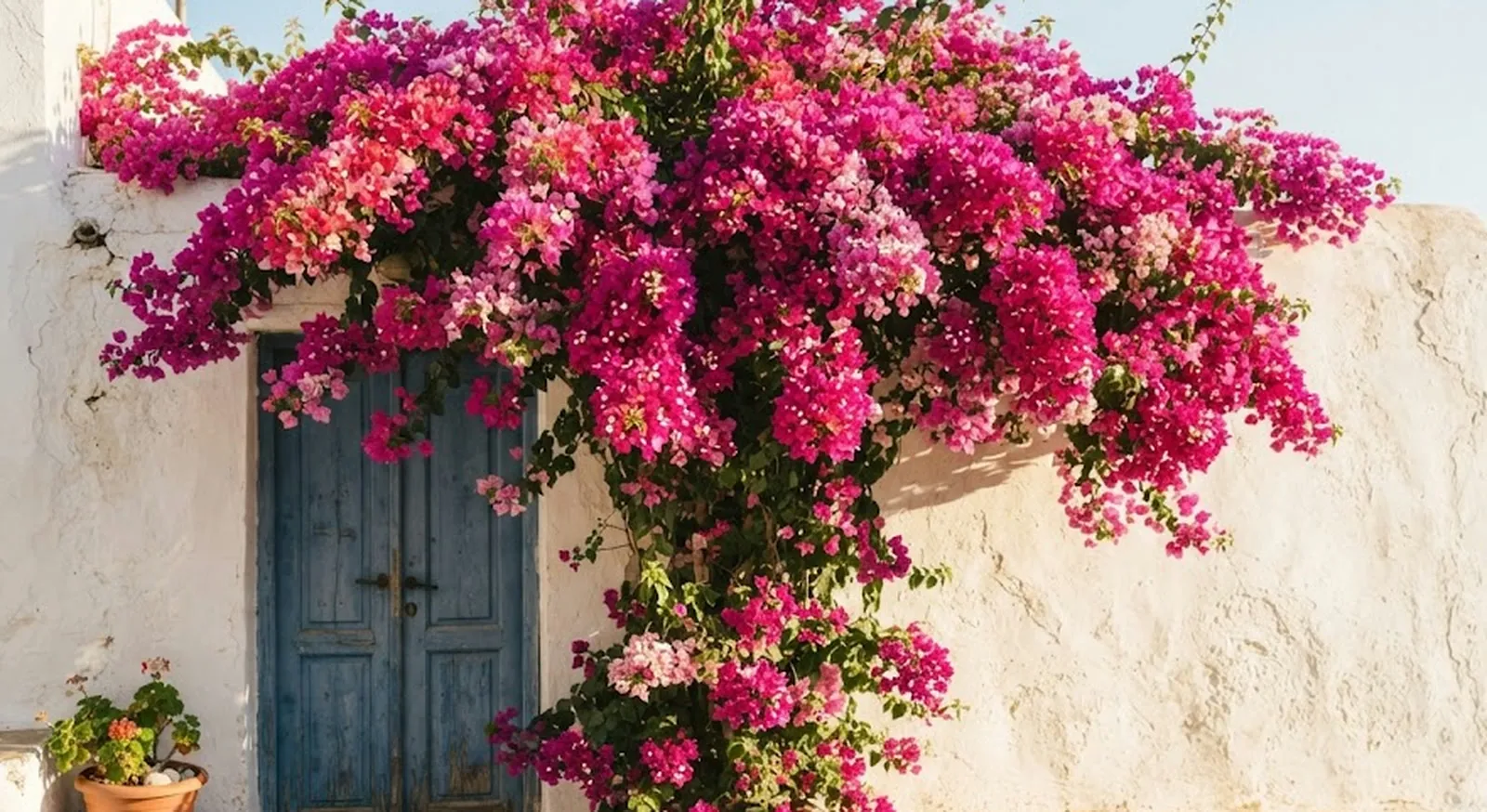
That explosion of colour spilling over Mediterranean walls asks for just two things - sun and a little thirst. And...
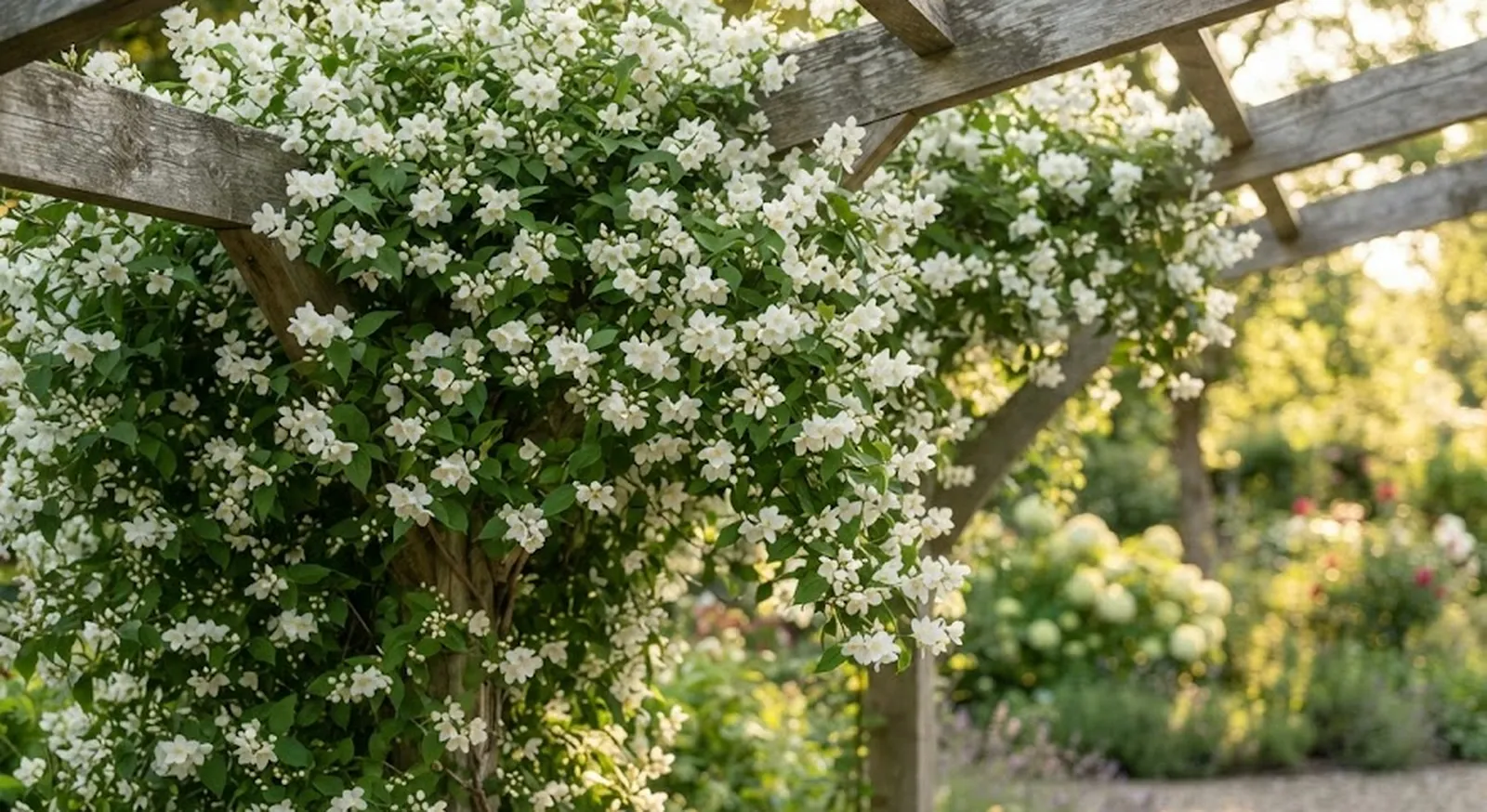
For months of flowers and that heady scent, common jasmine asks you to do a few things right. The most...
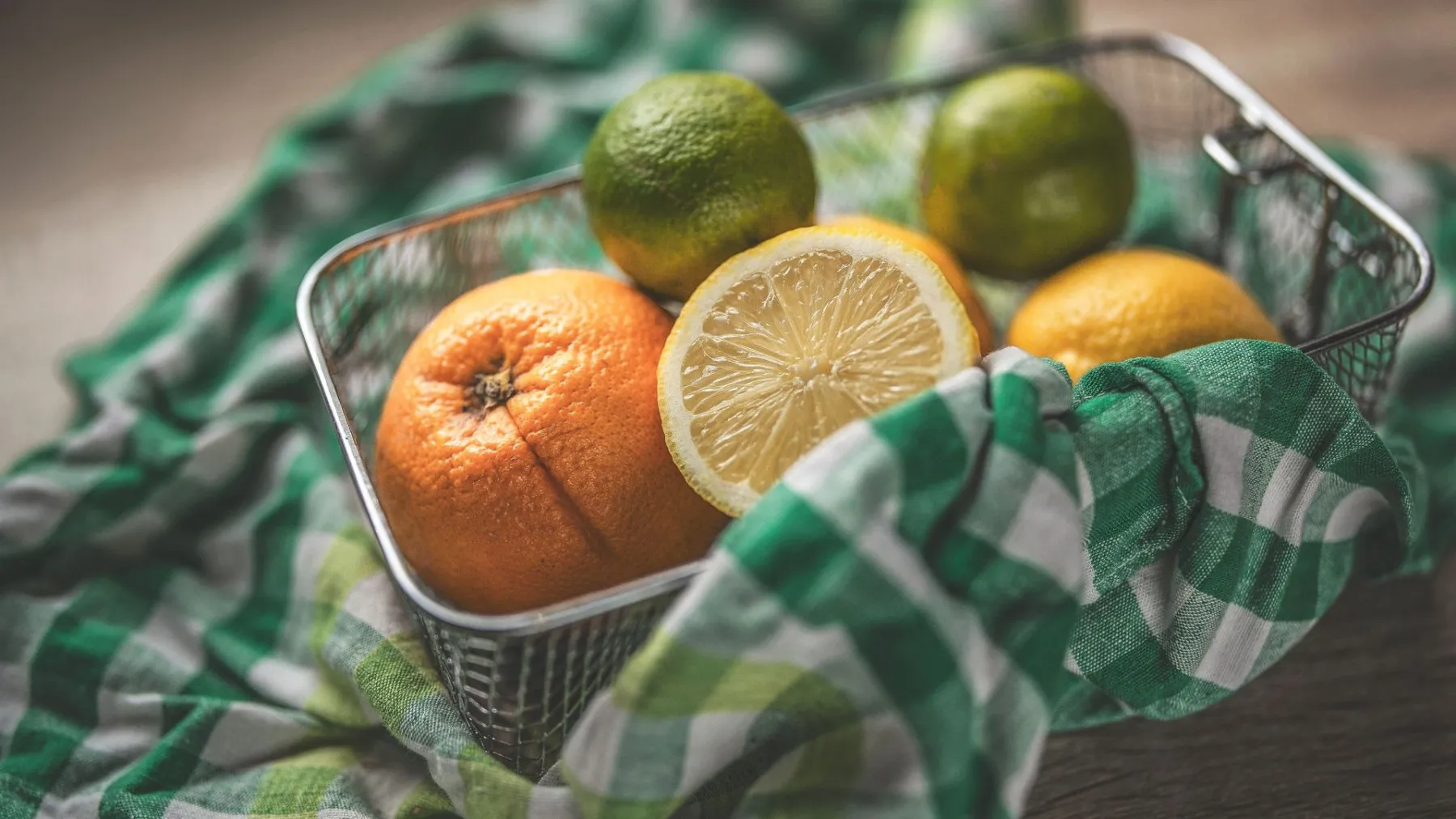
Not a scent from a spray can, but something alive that calms you. Sometimes the freshest home is the one...
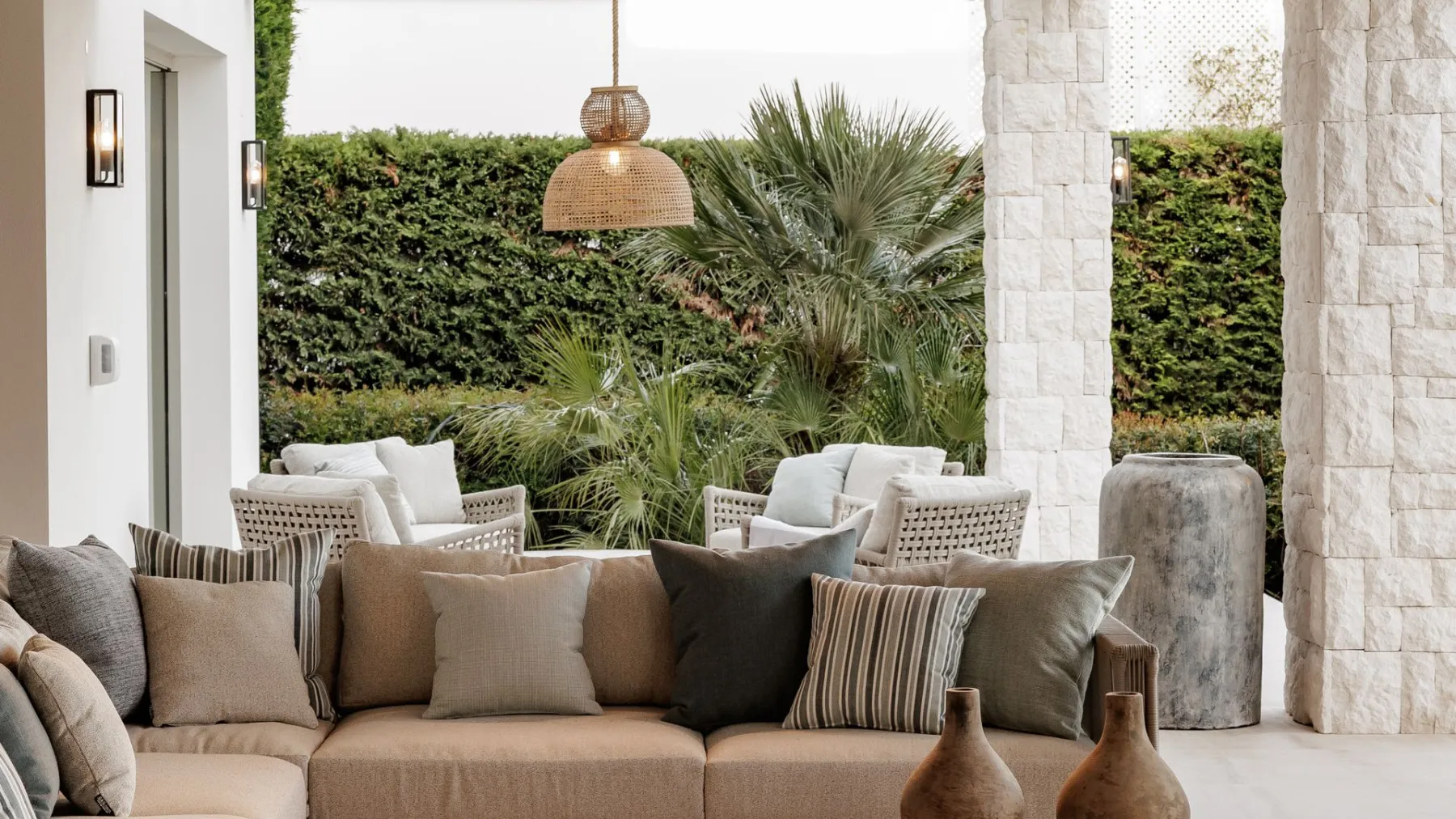
The difference between a terrace that collects plants and a terrace where you stay lies in a few decisions that...
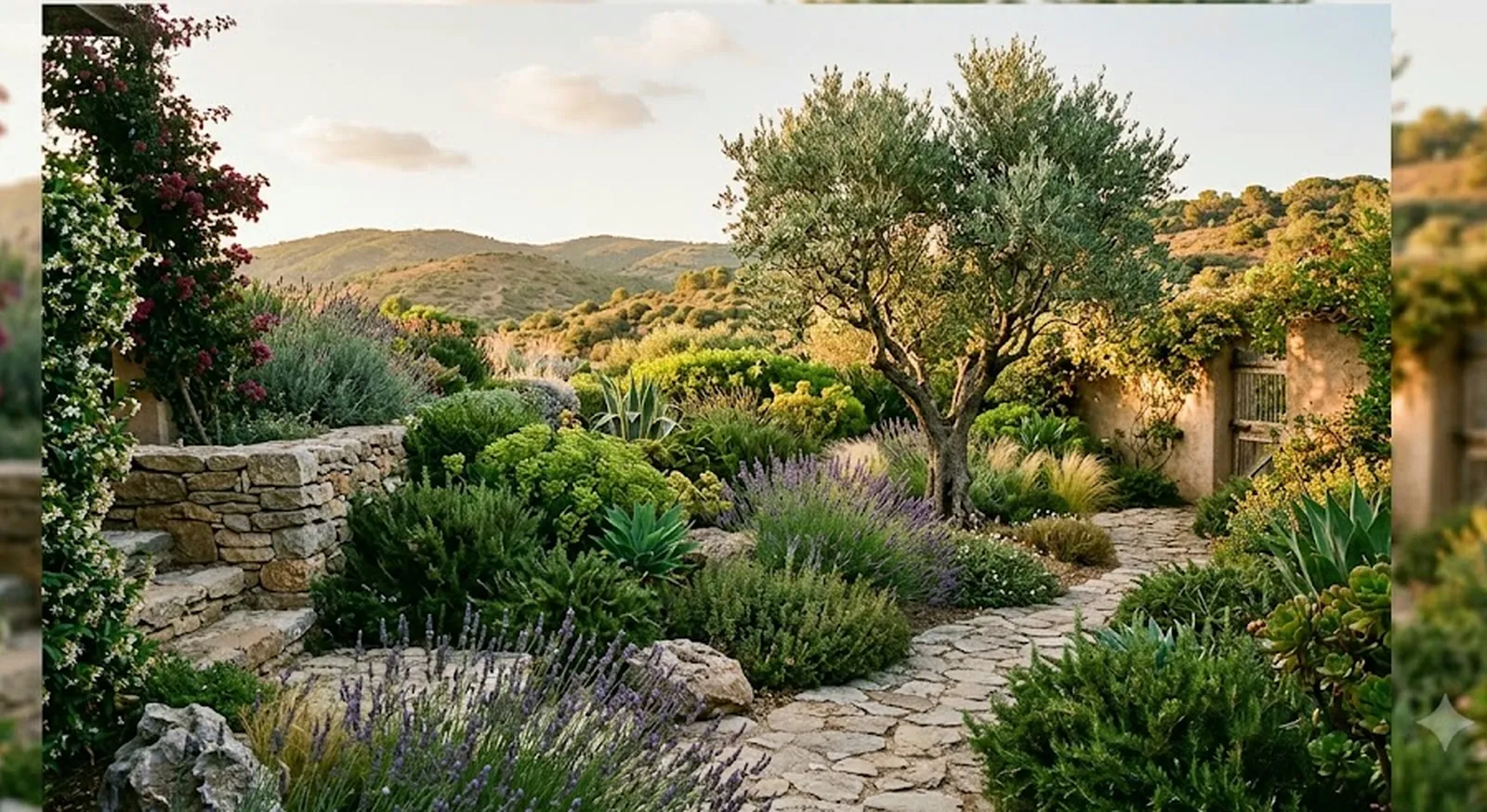
Buying plants with no plan, artificial grass, oversized saplings - a landscape architect lists the mistakes you pay for late....
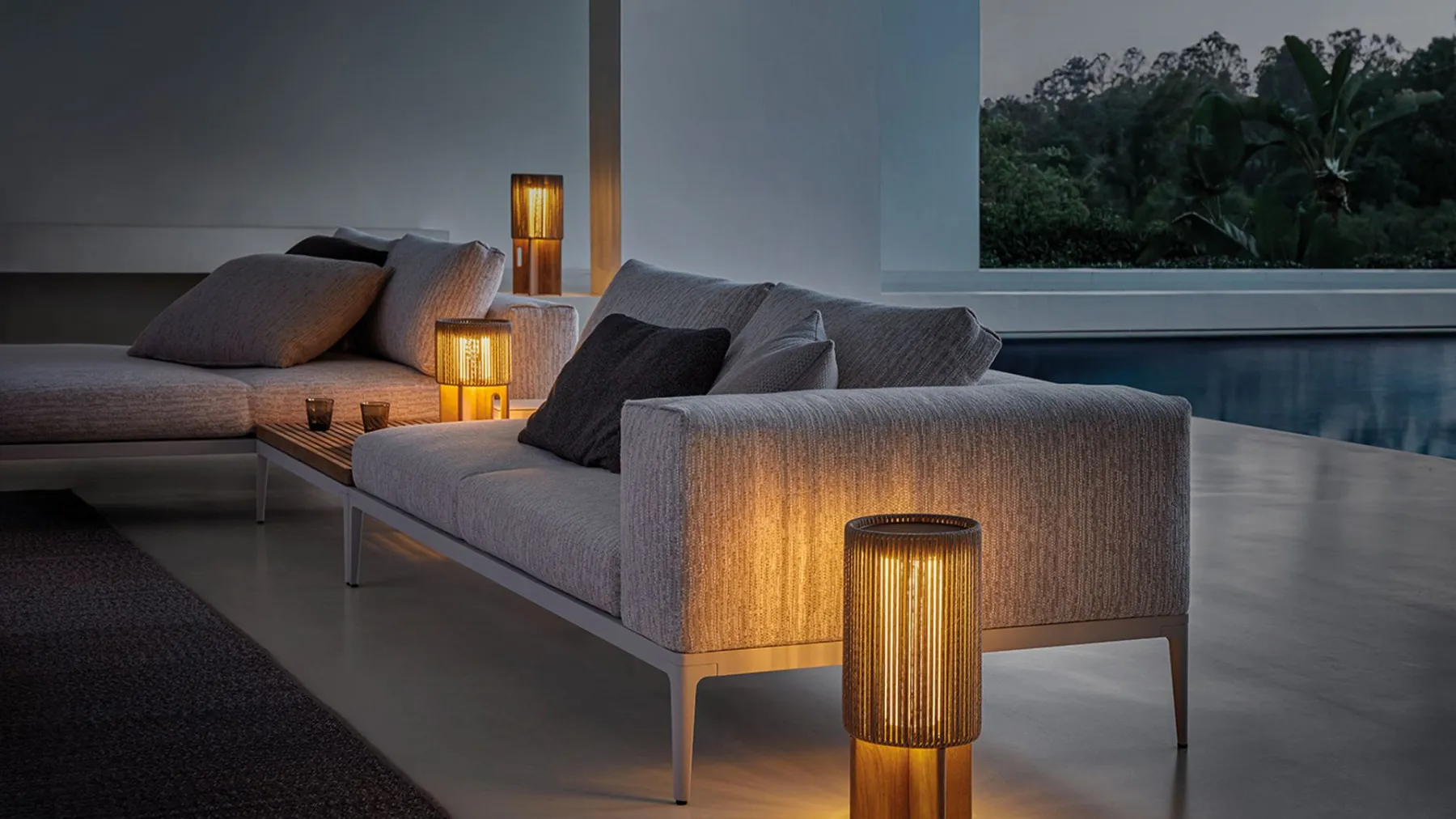
The feeling that every corner was designed to calm you doesn't depend on a five-star budget. It depends on one...
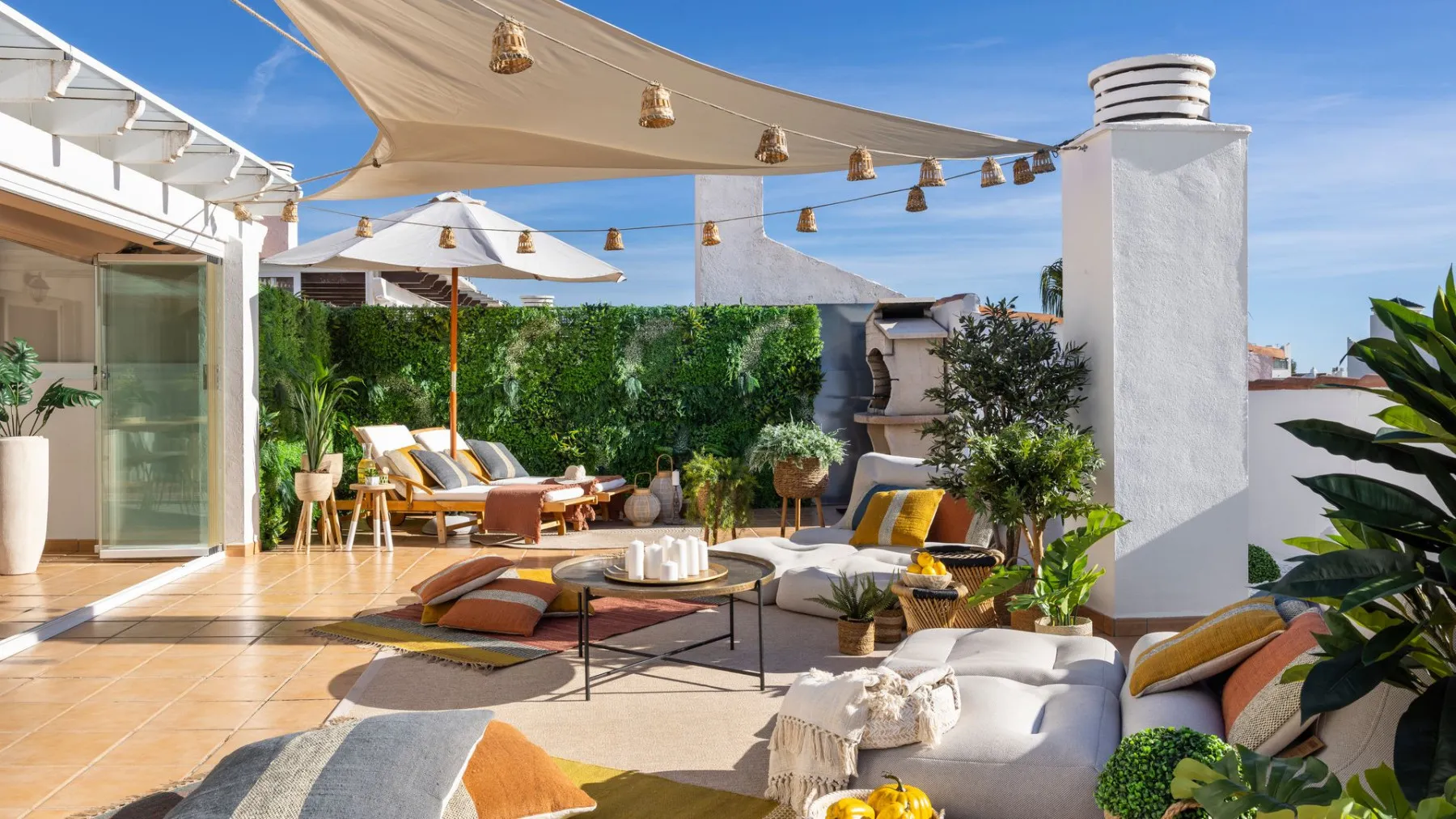
70% of outdoor-space mistakes start before you walk into the shop. A checklist that leans more on Grandma's kitchen than...
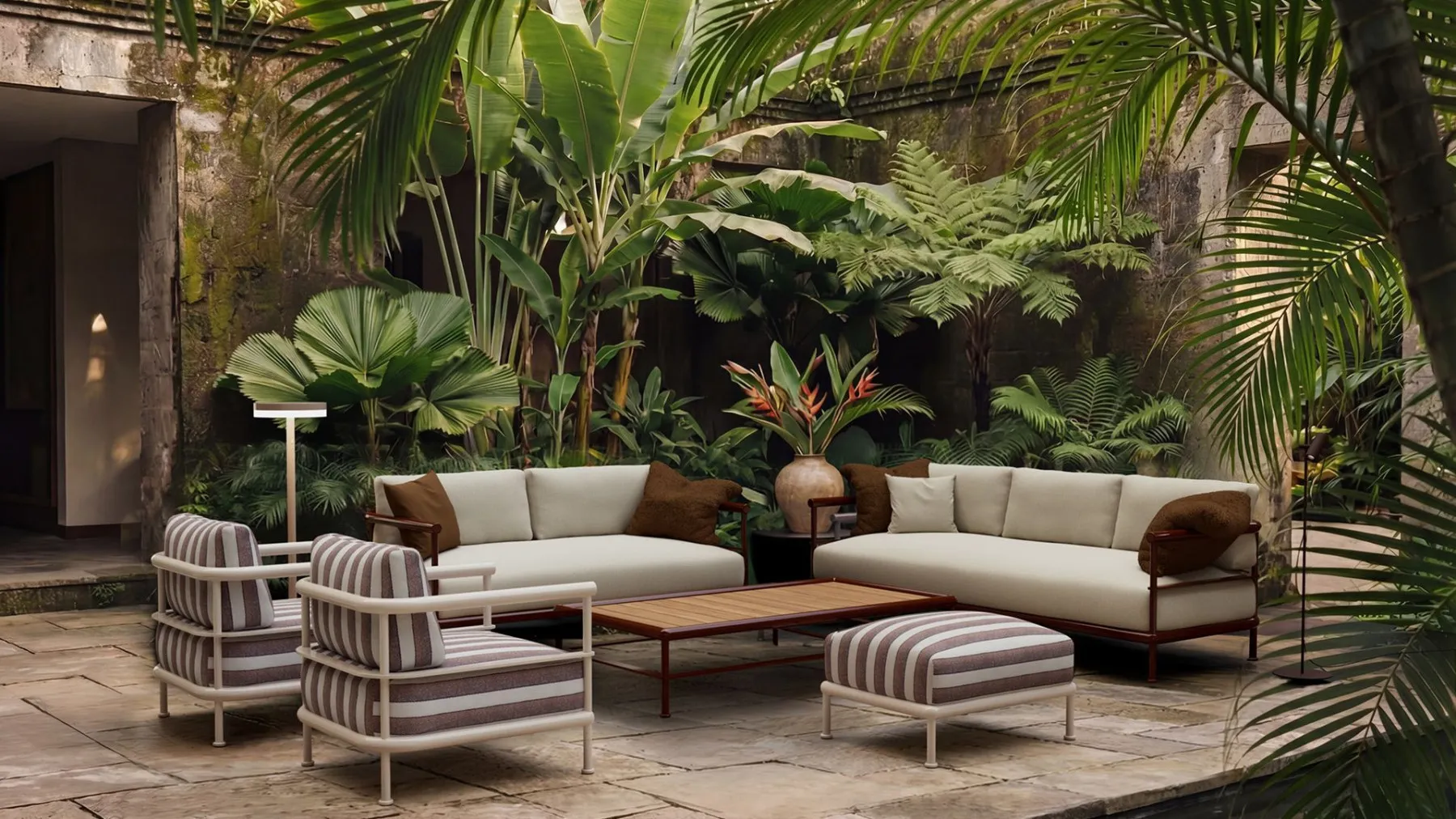
A small space needs more thinking, not less. Analyse before you buy a plant - one mistake and the whole...
This site uses cookies - is that okay? Learn more
Be the first to know when Metla launches something new
Leave your email and we will write when there is a new guide or something new on Metla.