
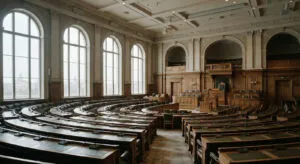
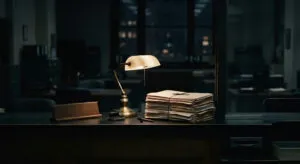
"That's not my job": the trial of the 13 Puls police officers restarted from scratch, and witnesses describe help being refused
22.09.2026


22.09.2026

22.09.2026

22.09.2026

22.09.2026

22.09.2026
22.09.2026

22.09.2026

21.09.2026

20.09.2026

22.09.2026
22.09.2026

21.09.2026
22.09.2026

22.09.2026
22.09.2026

22.09.2026

21.09.2026

20.09.2026
22.09.2026

22.09.2026
22.09.2026
22.09.2026

22.09.2026

22.09.2026

09.03.2026

27.02.2026

19.02.2026

22.09.2026

21.09.2026
21.09.2026

23.04.2026

23.04.2026

12.04.2026

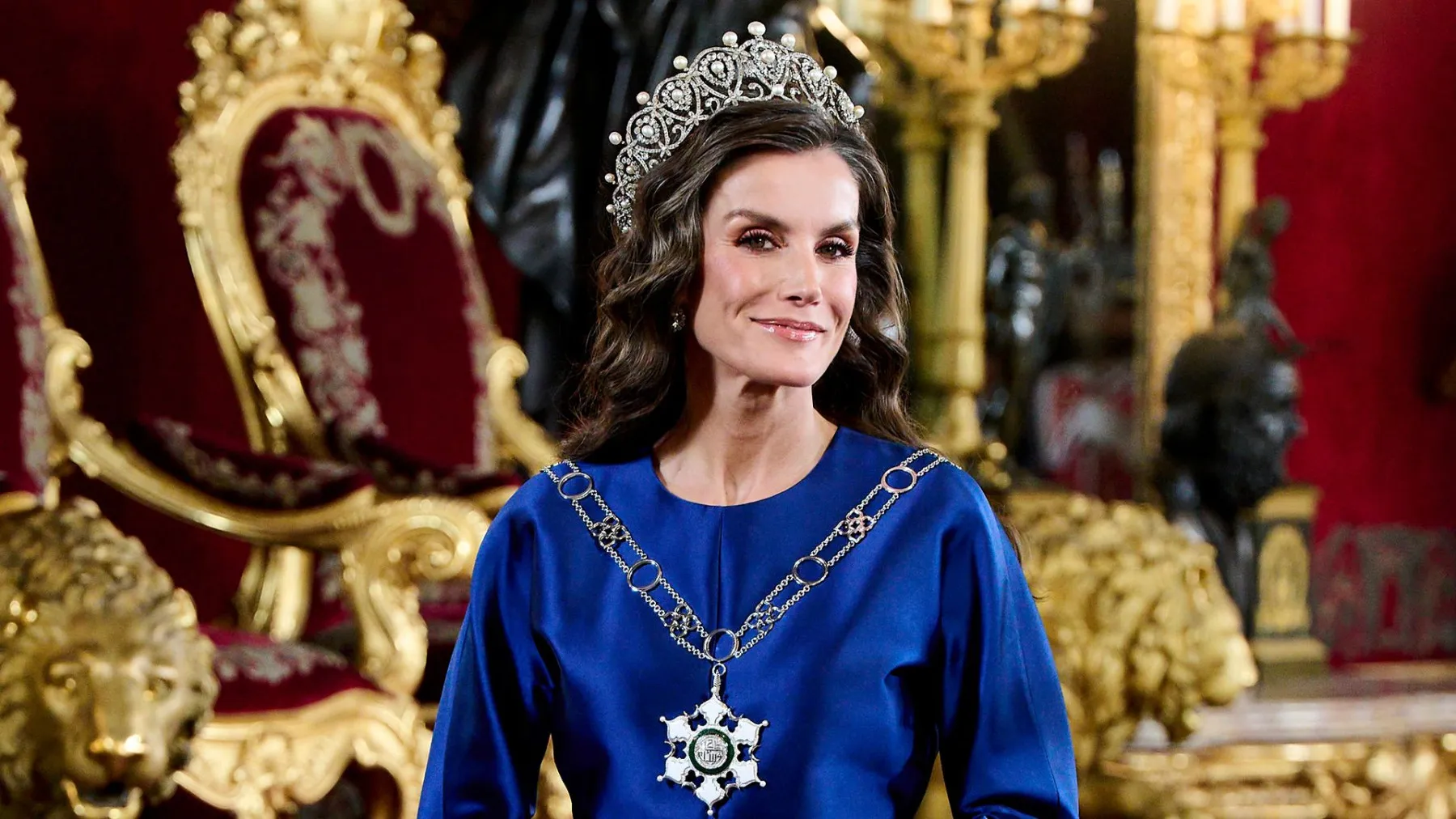
The colour of a dress is not a fashion decision - it's a language. When Queen Elizabeth II said decades ago, "I have to be seen to be believed," she summed up the whole visual strategy of the modern monarchy. The highly saturated "joyas" tones - emerald green, sapphire blue, ruby red - aren't accidental choices, they're an institutional obligation for anyone who lives under the spotlight.
The studies of visual perception are concrete: people dressed in highly saturated tones are perceived as more self-assured, more convincing, and more dominant in a room. Colours aren't just aesthetic - they communicate before the mouth even opens.
Queen Letizia uses emerald and sapphire tones at state receptions, when the weight of the institution needs to be felt. Kate Middleton leans on saturated blue for trust, and on saturated red for moments of public leadership. Mary of Denmark and Máxima of the Netherlands play with green and violet - colours that historically carry noble weight.
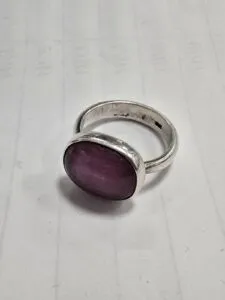
Violet is a good example of how deep this symbolism goes. In antiquity, Tyrian purple was extracted from shellfish hand-collected in thousands of pieces for a single gram - a production so expensive that only emperors could afford to wear it. Today it can be picked up in any wardrobe, but the meaning has stayed: violet still means power.
Balkan diplomatic appearances usually use colour as a way to deflect attention - grey, dark blue, beige. That's a deliberate choice. We aren't monarchies, we don't live under spotlights, and so we don't wear violet. But when a Balkan minister in the future actually wants to be remembered, they won't do it with another grey tie. Colours have power, and the era of hiding is slowly running out.
The latest 10 news from this category
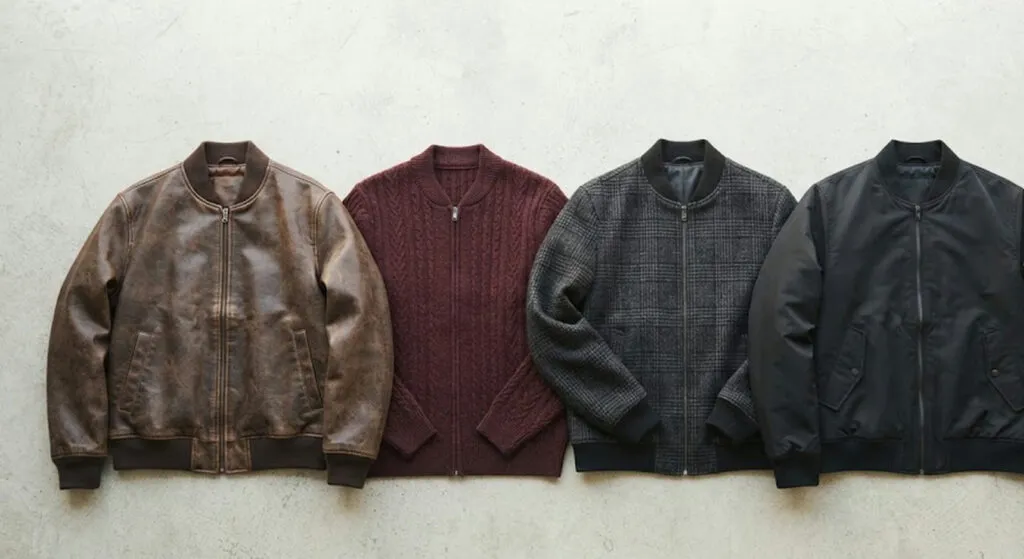
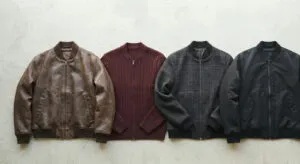
Here, half a wardrobe is bought by calculating how many years it will last. The brown leather one will look...
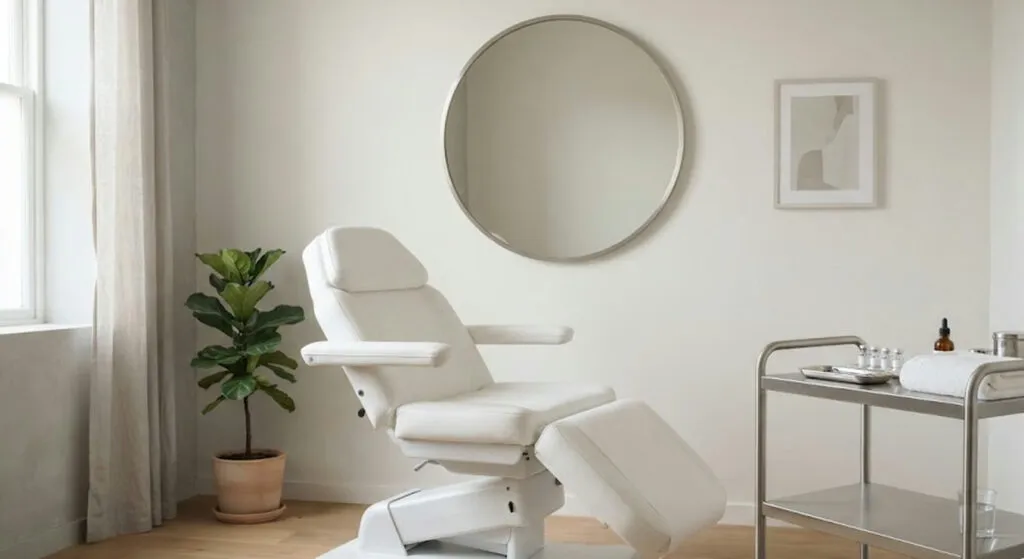
A decade in which aesthetic medicine sold transformation ends with one sentence: they want to look better, not different.
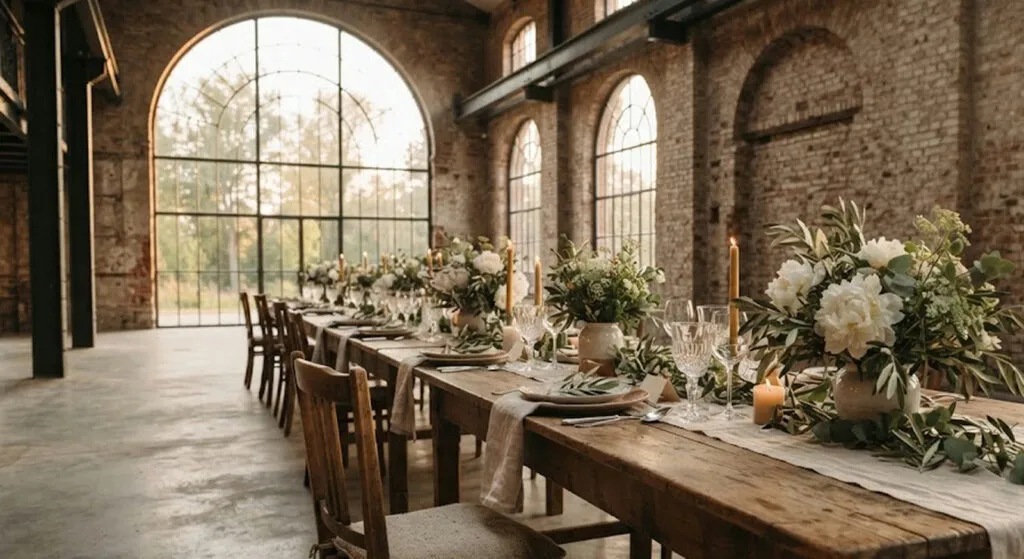
The catering was run by an uncle, the music was played by an uncle. If that sounds familiar, you have...
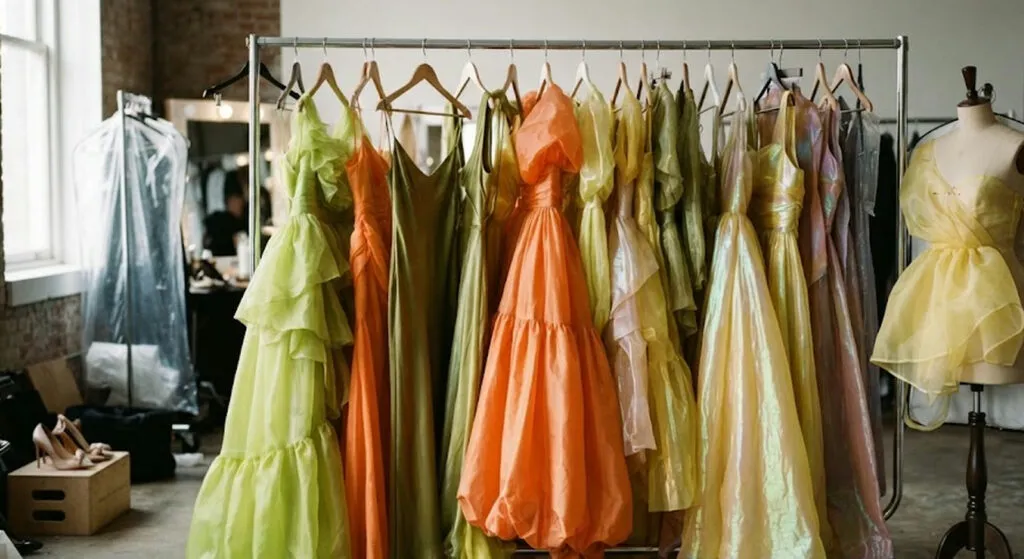
Three days in a lab coat with colorimetry scientists to produce a collection in lime and tangerine. The design director...
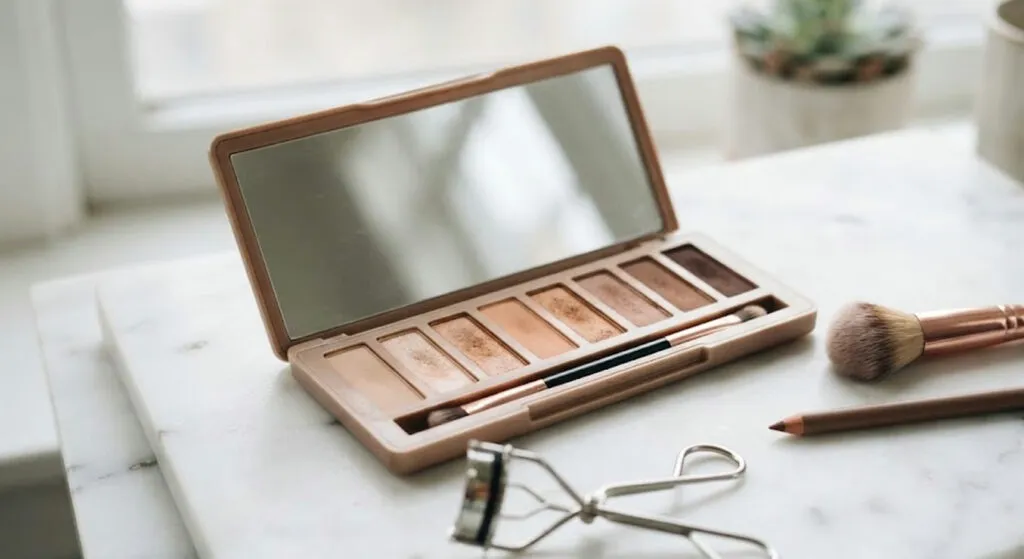
Cream concealer instead of powder, a brown pencil instead of black eyeliner, and a curler before the mascara. Not one...
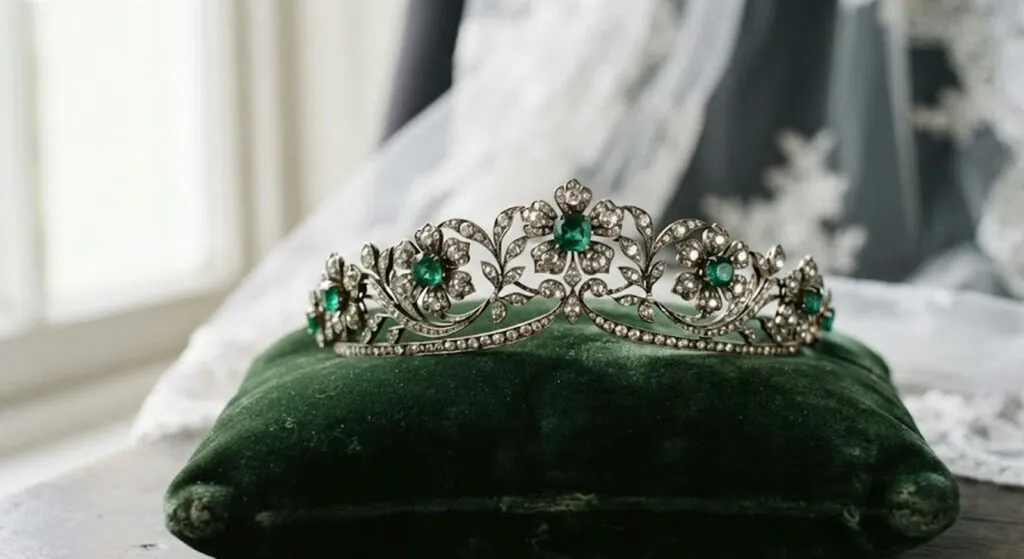
A boat-neck gown and wildflowers that deliberately refuse to compete with the jewellery. A fourth generation under the same diadem,...
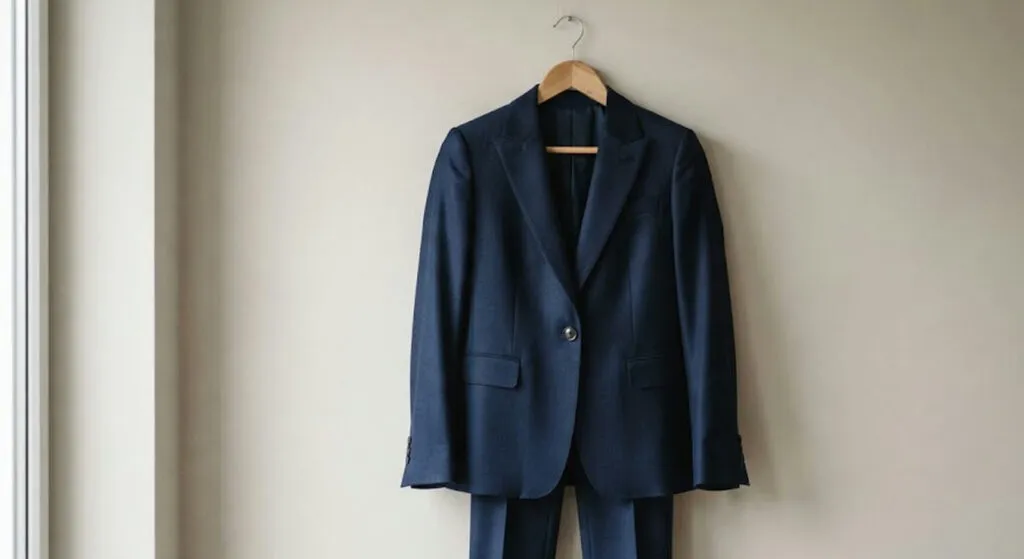
A communications expert says the trouser suit sidesteps sexist readings of hemlines and necklines. The same expert warns that the...

Dermatologists explain why the shedding arrives with a two to three month delay and why iron and vitamins do not...
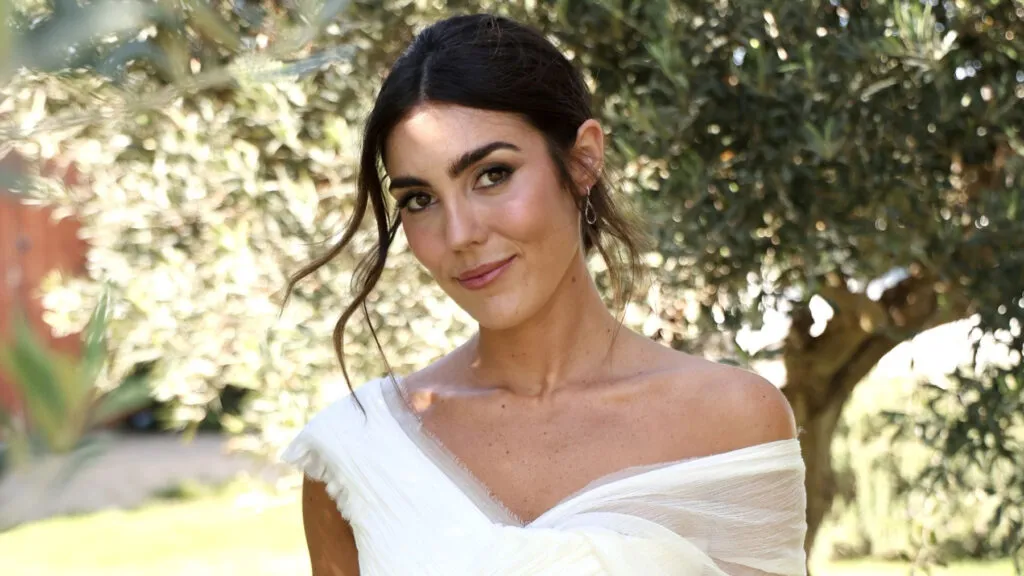
Silk bambula muslin, a hand-draped waist and a veil of crystal organza. The wedding was held in Cadiz, where the...
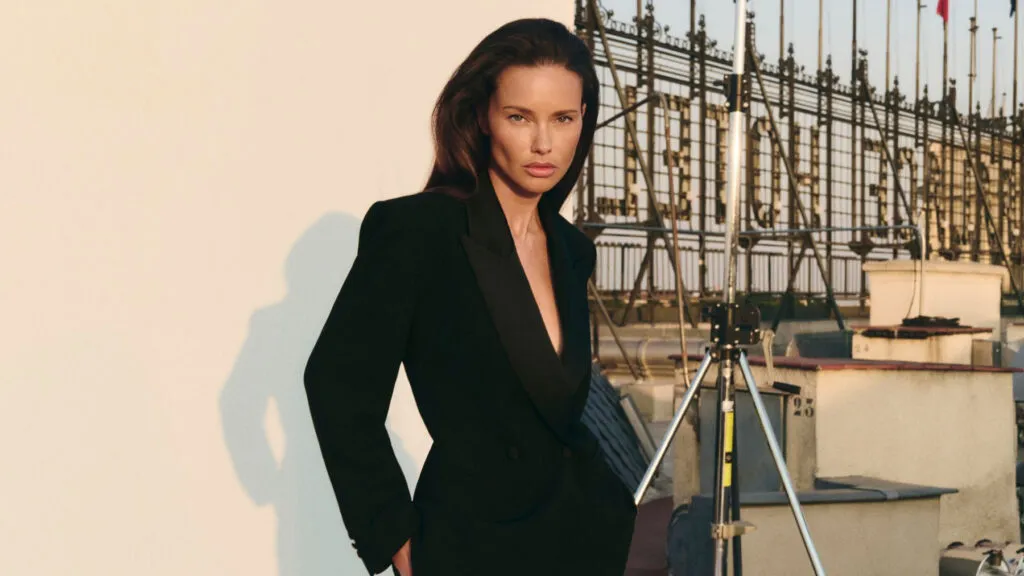
An industry that spent decades selling a flawless illusion is suddenly showing the shoot itself. That is not candour -...
This site uses cookies - is that okay? Learn more
Be the first to know when Metla launches something new
Leave your email and we will write when there is a new guide or something new on Metla.