


Studeničani: 35-year-old dies after being electrocuted while washing his car with a pressure washer
18.09.2026


18.09.2026

18.09.2026

18.09.2026

18.09.2026

18.09.2026

18.09.2026
18.09.2026
17.09.2026
16.09.2026
18.09.2026

18.09.2026
17.09.2026

18.09.2026

18.09.2026

18.09.2026
18.09.2026
17.09.2026
16.09.2026

18.09.2026

18.09.2026

18.09.2026

18.09.2026
17.09.2026

17.09.2026

09.03.2026

27.02.2026

19.02.2026

18.09.2026
17.09.2026
16.09.2026

23.04.2026

23.04.2026

12.04.2026

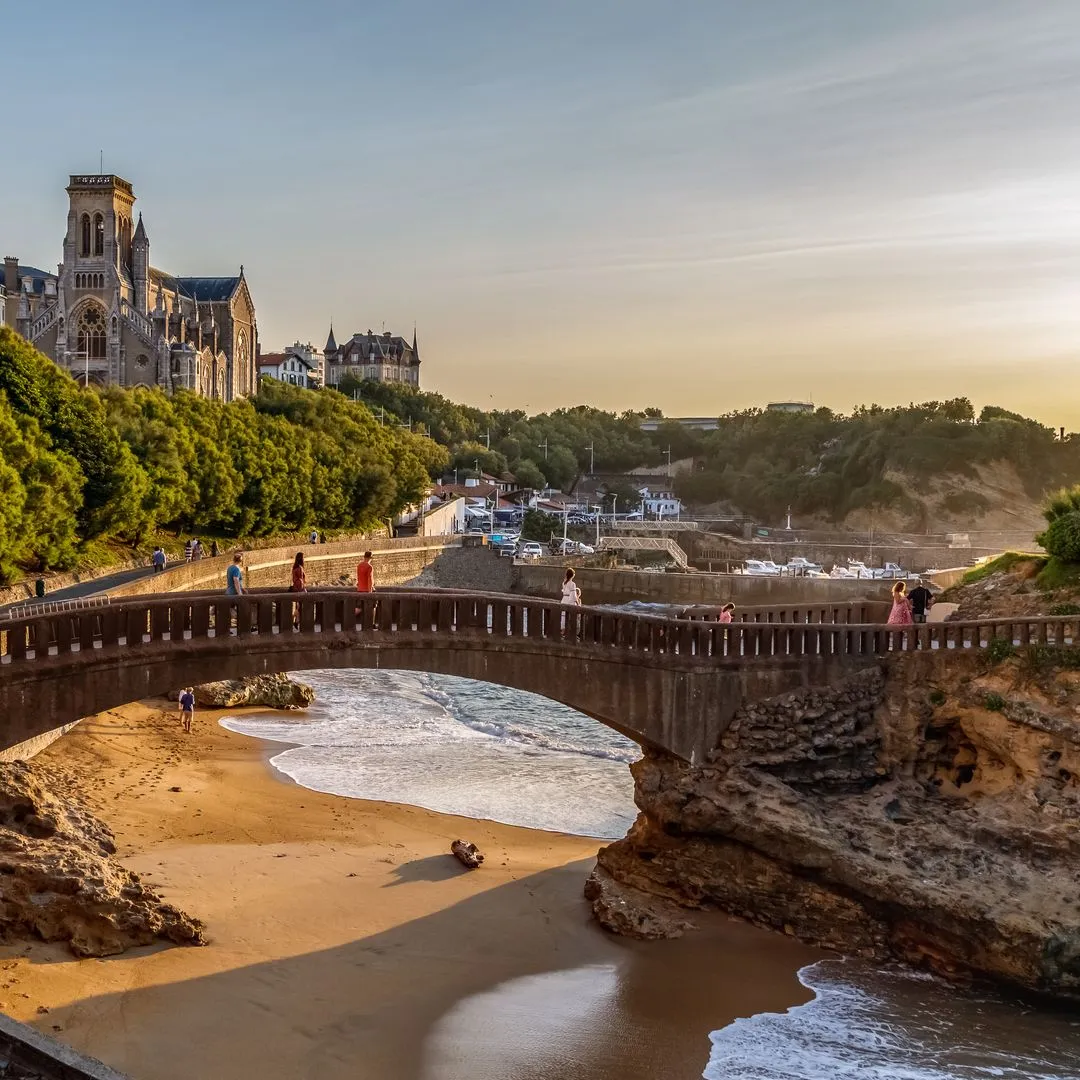
Biarritz is one of those places that on paper look like a boutique-tourism story, but are in fact a genuine historical crossroads. The French Basque town on the Atlantic coast was a whaling village until the 19th century, when Empress Eugénie de Montijo, the Spanish noblewoman married to Napoleon III, turned it into an aristocratic retreat. From there Biarritz only went up - Belle Époque villas, the Hôtel du Palais, the Art Deco casino, and a Russian Orthodox church to signal that the Russian nobility wasn't going to skip their holiday here either.
Today Biarritz is a strange mix - 6 kilometres of wild beaches, the European capital of surfing, and at the same time a town where dresses by Chanel and Hermès turn up on the same street. Spanish journalist Helena Resano chose it as the setting of her first novel "Las rutas del silencio," the story of a young girl who after a family tragedy puts her life back together piece by piece.
"Biarritz lets me completely disconnect," Resano says. "Here I become anonymous again." That's what Biarritz sells as its real luxury - not the wealth, but the ability to disappear into a crowd at midday.
For the Balkan tourist Biarritz may sound expensive, and rightly so. But there's a one-day visit that works: a cheap flight to Bilbao, then a two-hour bus to Biarritz, a day on the beach and dinner in one of the hundreds of small fish restaurants. It can be done for under 200 euros, and you watch the same sunset Edward VII and Empress Eugénie watched. History plays evenly for everyone.
The latest 10 news from this category
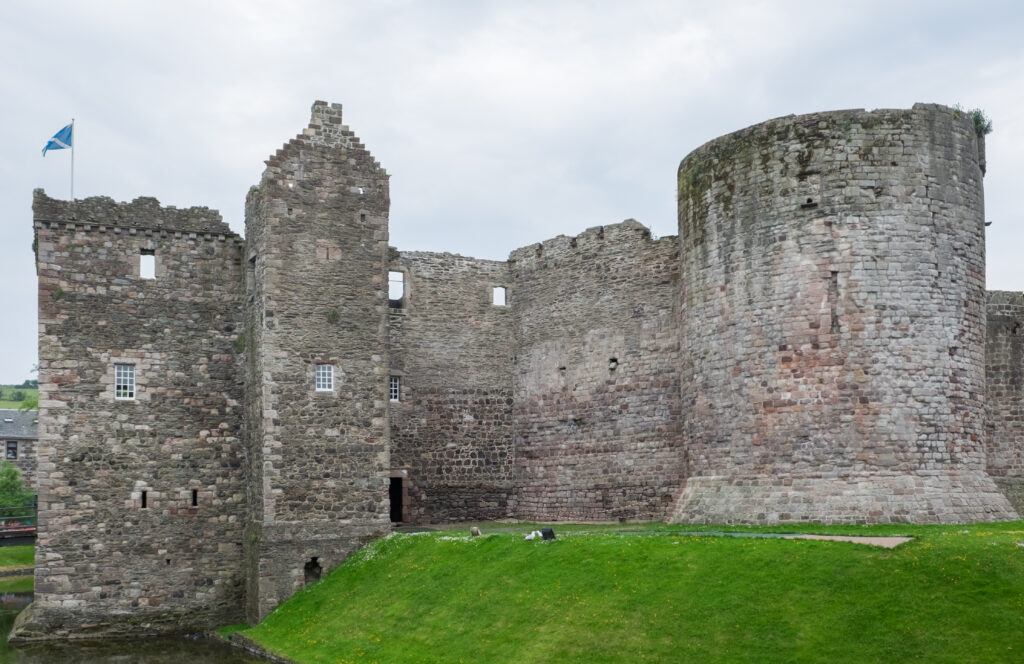
The royal couple walked yesterday into a pub the village bought back for itself. How many buildings like that sit...

Of twenty-five new inscriptions, five are natural - and only one is in Europe. For the richest of them, the...
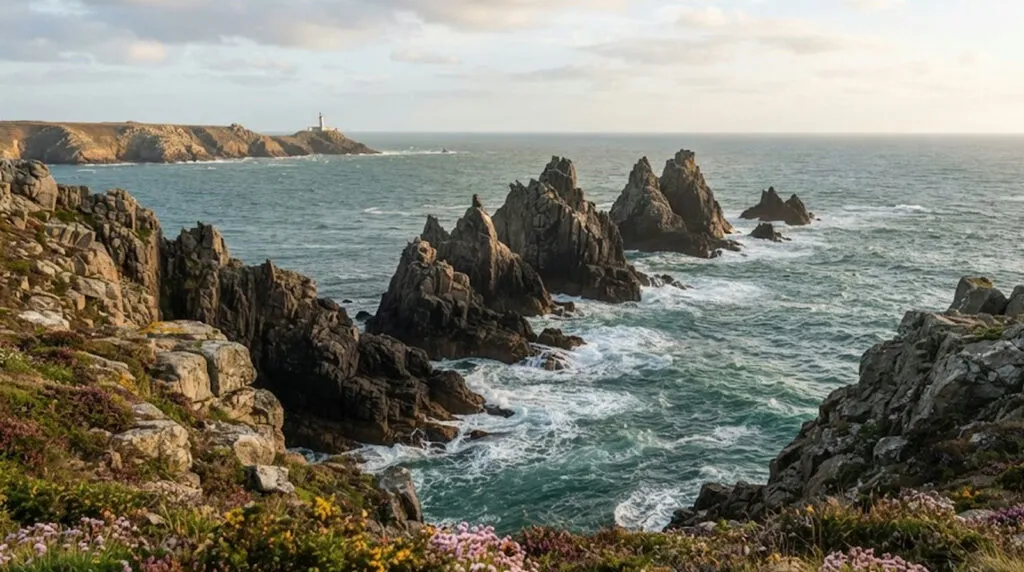
Fifty beaches, more than 120 villages and a trail France voted its favourite. Monet came for a few days and...
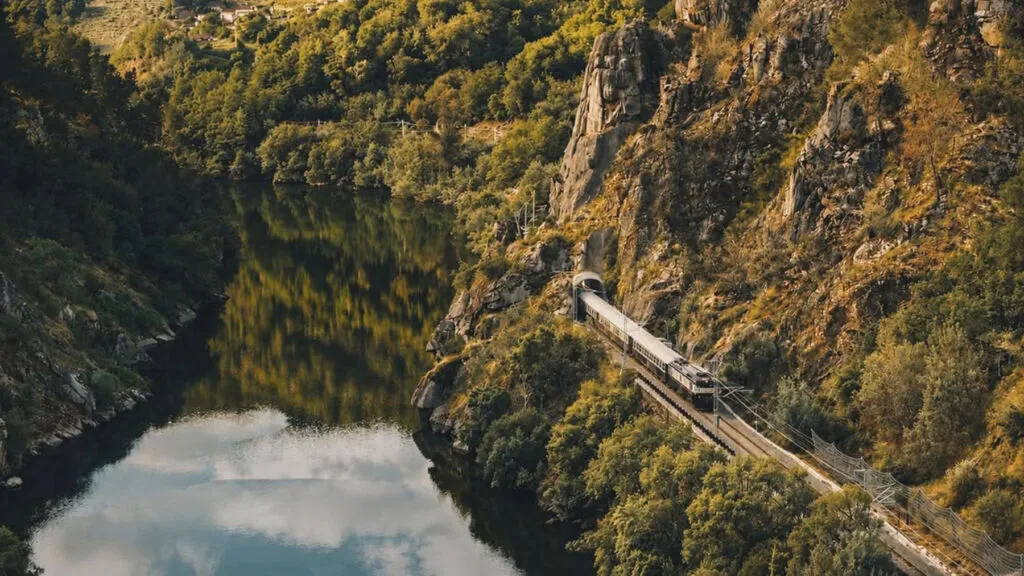
Restored carriages, a locomotive they call the Japanese Woman and a 28.95 euro return ticket. What it sells is not...
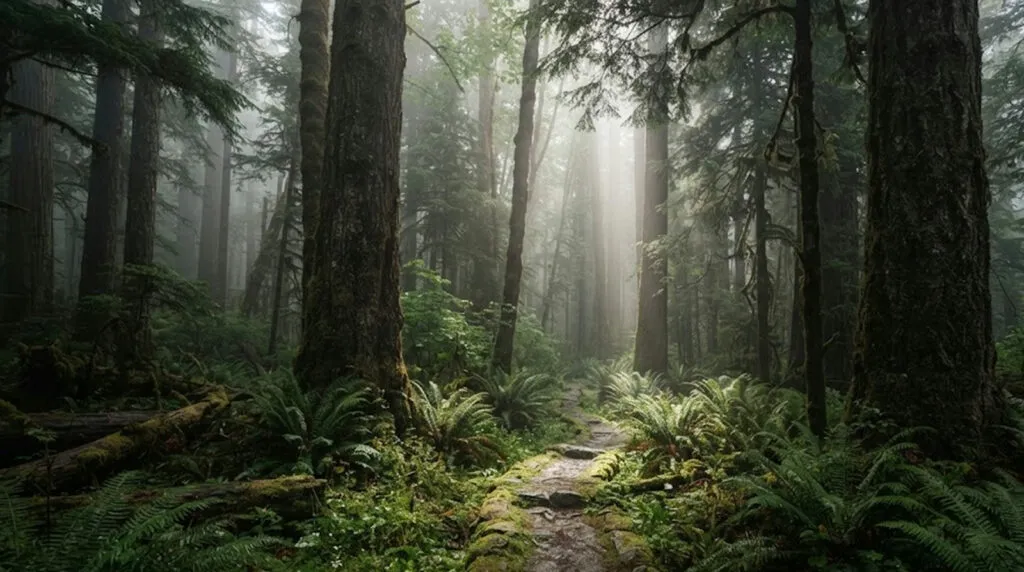
Two hundred and fifty tree species from every corner of the world, a monastery from 1628 and a palace that...
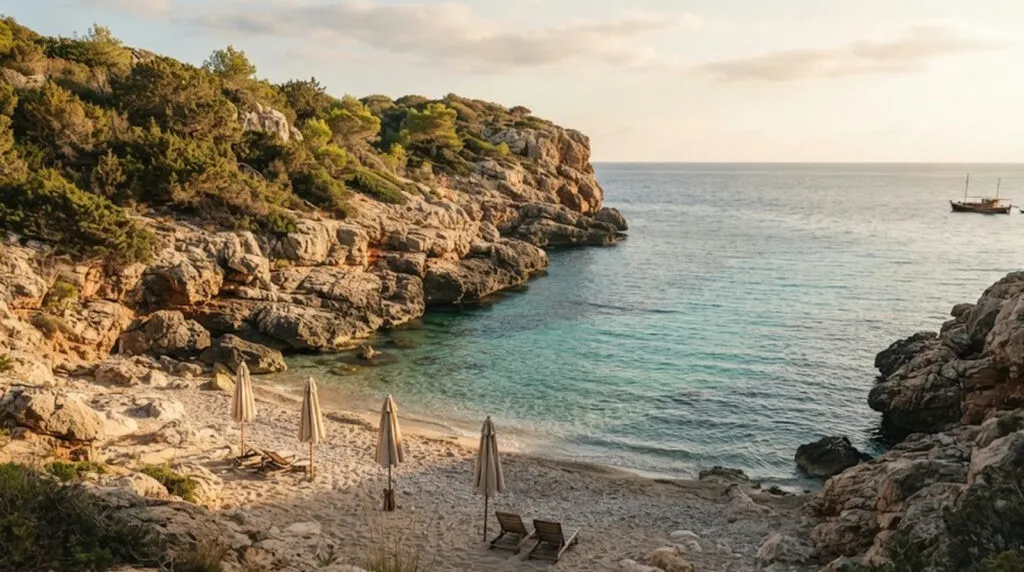
The same places cost more in August, look crowded and are experienced at half strength. The difference is made by...
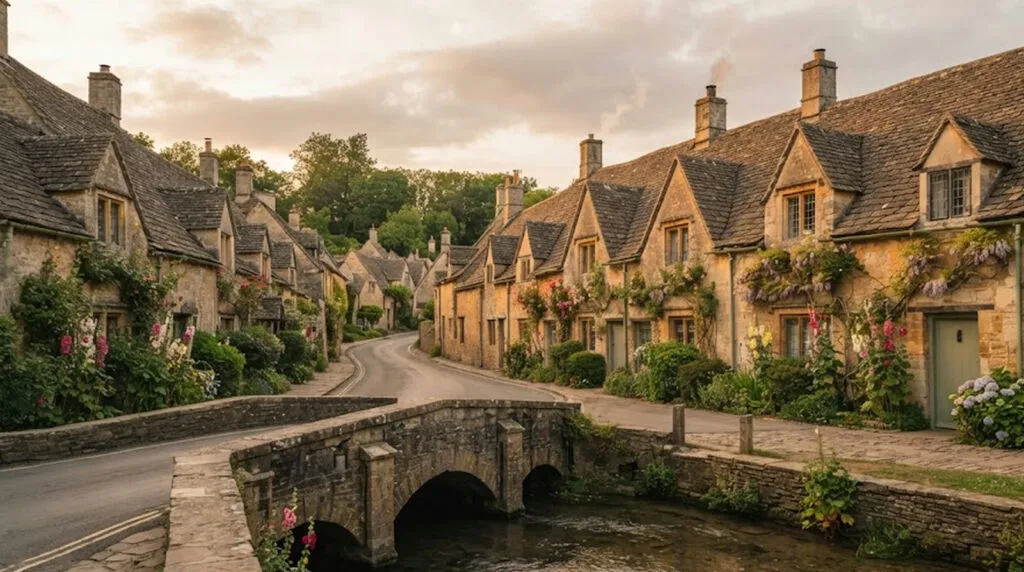
The Beckhams have a place there, so do Kate Moss and Ellen DeGeneres. But the Cotswolds needs none of those...

Down on the coast the buses pass each other with centimetres to spare and all you see is people. Up...
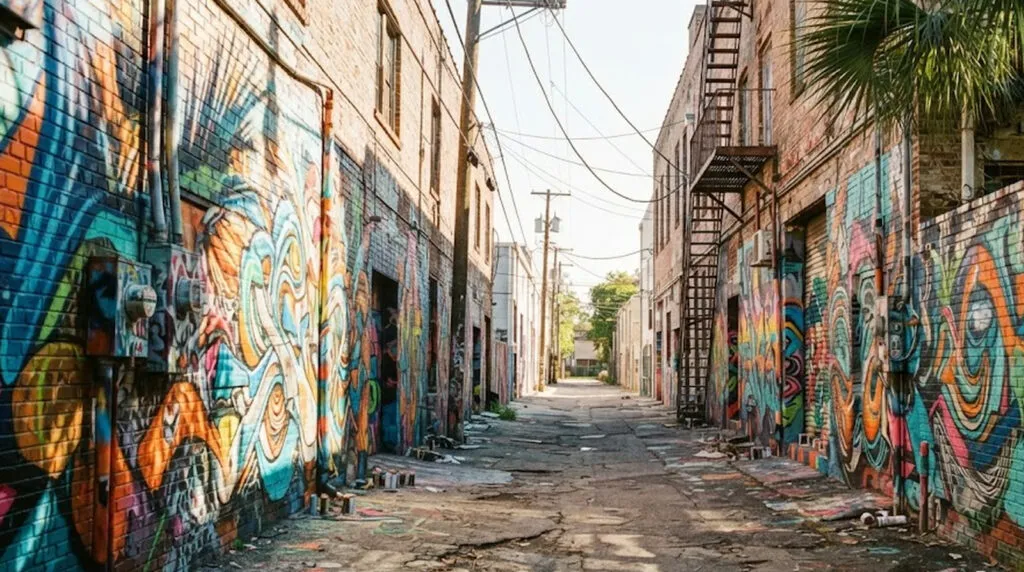
Empty warehouses, low rents and one real estate developer. A model we know without flying to Florida.
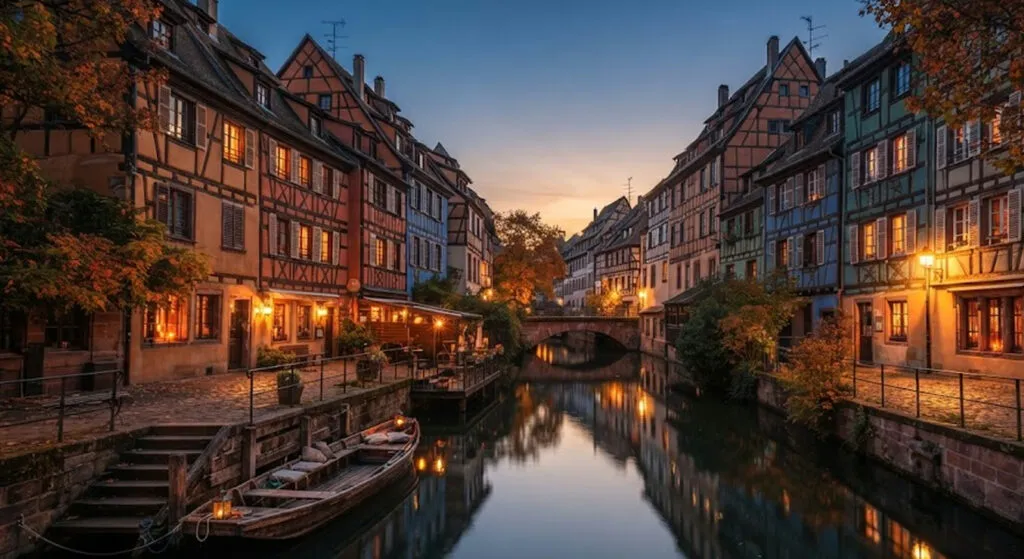
Old tanners' and dyers' workshops, built directly over the river. From 10 to 13 September the town puts boats and...
This site uses cookies - is that okay? Learn more
Be the first to know when Metla launches something new
Leave your email and we will write when there is a new guide or something new on Metla.
