
"That's not my job": the trial of the 13 Puls police officers restarted from scratch, and witnesses describe help being refused
22.09.2026


22.09.2026

22.09.2026

22.09.2026

22.09.2026

22.09.2026
22.09.2026

22.09.2026

21.09.2026

20.09.2026

22.09.2026

22.09.2026

21.09.2026

22.09.2026

22.09.2026

22.09.2026

22.09.2026

21.09.2026

20.09.2026

22.09.2026

22.09.2026

22.09.2026

22.09.2026

22.09.2026

22.09.2026

09.03.2026

27.02.2026

19.02.2026

22.09.2026

21.09.2026

21.09.2026

23.04.2026

23.04.2026

12.04.2026

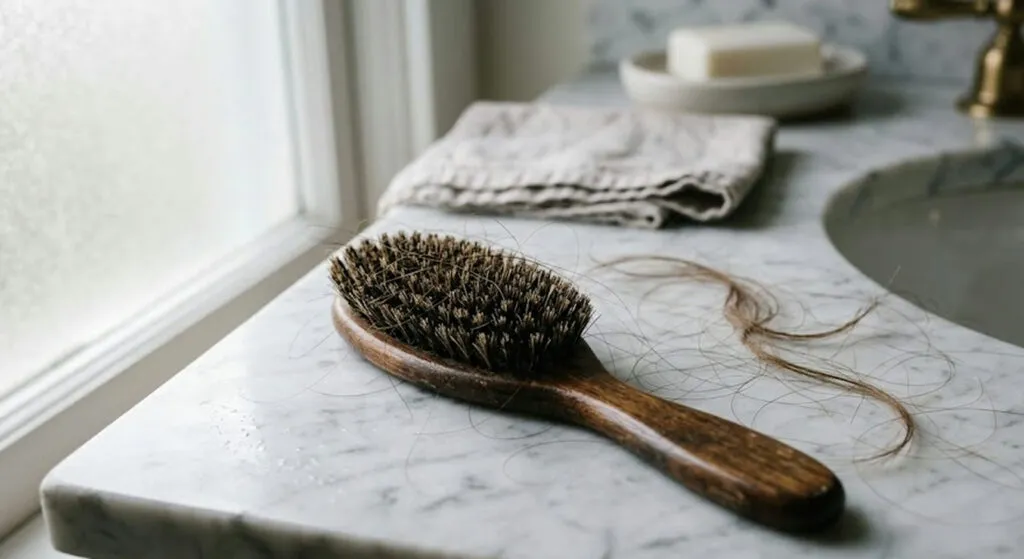
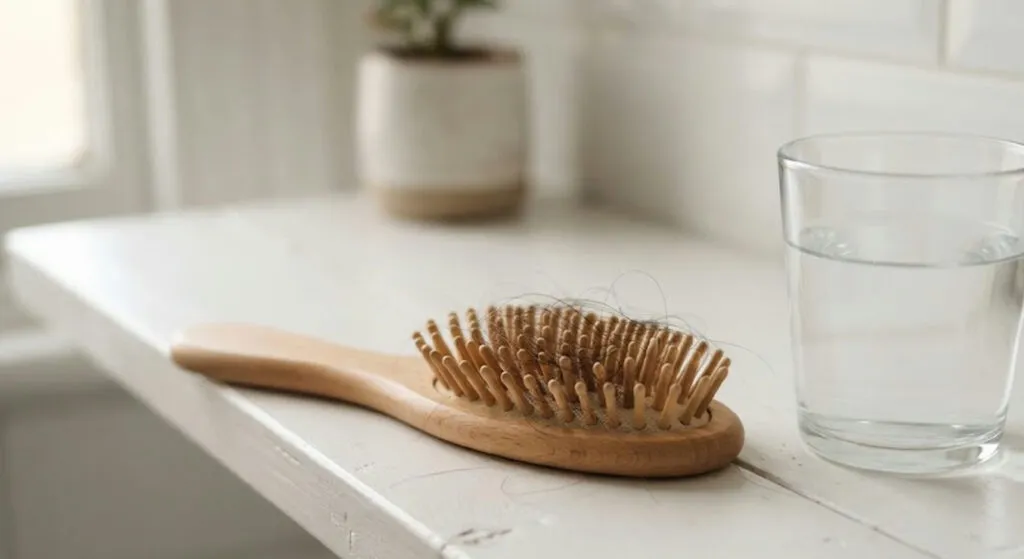
Hair doesn't fall out from stress or shampoo - it falls out from what you put on your plate. That's the point of a new discussion launched by Dr Raquel Amaro, a trichologist at Hospital Capilar, and one that brings order to the chaos around "miracle" hair treatments.
Amaro is concise: "The hair shaft is a structure with high metabolic activity, which is why it requires a constant supply of nutrients." That means all the miracle shampoos and serums work on the surface, while the real problem is decided by six nutrients - iron, B vitamins, vitamin D, protein, zinc, and healthy fats.
When they go missing, the body doesn't panic right away. The shaft keeps growing for 2-3 months as if nothing is wrong. After that comes telogen effluvium - a mass shedding that feels mysterious. "Many restrictive diets generate metabolic stress that can trigger intensive hair loss," Amaro says. The results of a weight-loss diet often turn up in the hair on your comb - three months later, when nobody is connecting the dots.
The second myth Dr Amaro broke is "superfood thinking." One bowl of avocado, one bag of walnuts, one collagen capsule - it doesn't work. "Hair health depends on the overall balance of your diet, not on isolated foods." The message is simple: hair pays attention to what you eat over months, not what you eat on a single Thursday.
For the Balkan woman past 40 who worries about weight more than about nutrition, this is an important return to basics. Coffee and bread for breakfast, tomato for lunch, nothing for dinner - the classic diet that works on the kilo count and destroys the hair. The question isn't how much you weigh. The question is how much hair will be left by the time you retire. The two go together, or they go against each other.
The latest 10 news from this category

Here, half a wardrobe is bought by calculating how many years it will last. The brown leather one will look...

A decade in which aesthetic medicine sold transformation ends with one sentence: they want to look better, not different.

The catering was run by an uncle, the music was played by an uncle. If that sounds familiar, you have...

Three days in a lab coat with colorimetry scientists to produce a collection in lime and tangerine. The design director...

Cream concealer instead of powder, a brown pencil instead of black eyeliner, and a curler before the mascara. Not one...
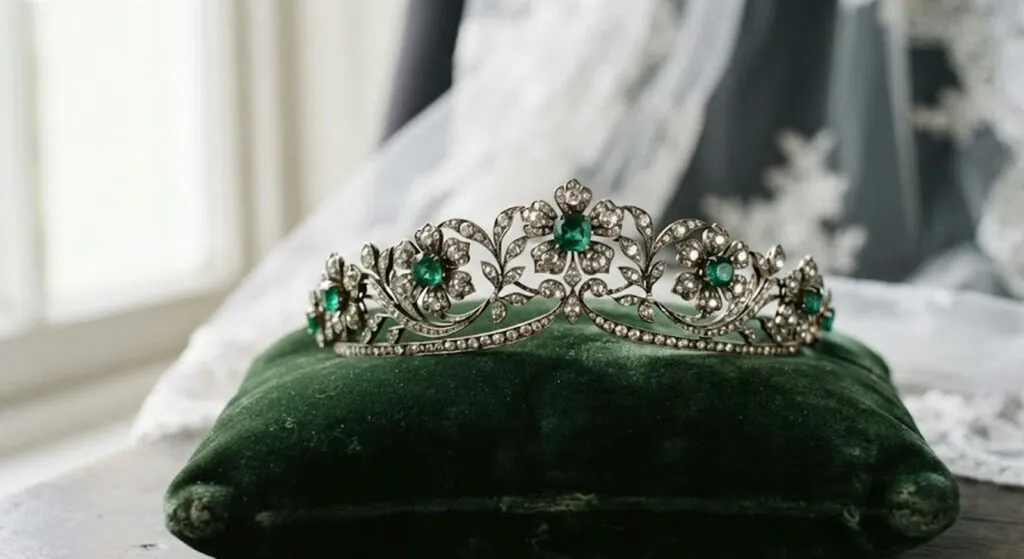
A boat-neck gown and wildflowers that deliberately refuse to compete with the jewellery. A fourth generation under the same diadem,...
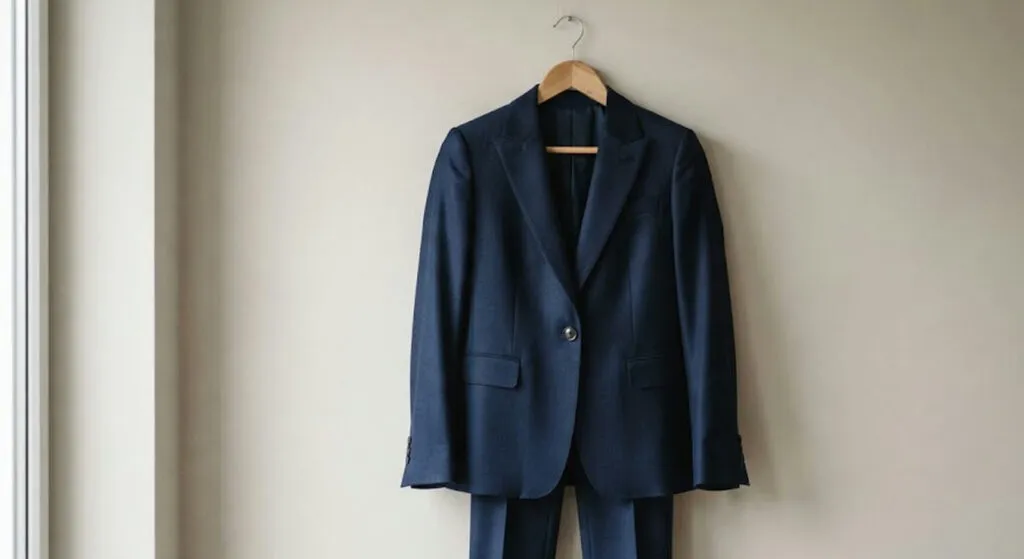
A communications expert says the trouser suit sidesteps sexist readings of hemlines and necklines. The same expert warns that the...
Dermatologists explain why the shedding arrives with a two to three month delay and why iron and vitamins do not...
Silk bambula muslin, a hand-draped waist and a veil of crystal organza. The wedding was held in Cadiz, where the...

An industry that spent decades selling a flawless illusion is suddenly showing the shoot itself. That is not candour -...
This site uses cookies - is that okay? Learn more
Be the first to know when Metla launches something new
Leave your email and we will write when there is a new guide or something new on Metla.