


Studeničani: 35-year-old dies after being electrocuted while washing his car with a pressure washer
18.09.2026


18.09.2026
18.09.2026
18.09.2026

18.09.2026
18.09.2026
18.09.2026
18.09.2026
17.09.2026
16.09.2026
18.09.2026
18.09.2026
17.09.2026

18.09.2026
18.09.2026

18.09.2026
18.09.2026
17.09.2026
16.09.2026
18.09.2026

18.09.2026
18.09.2026

18.09.2026
17.09.2026

17.09.2026

09.03.2026

27.02.2026

19.02.2026
18.09.2026
17.09.2026

16.09.2026

23.04.2026

23.04.2026

12.04.2026

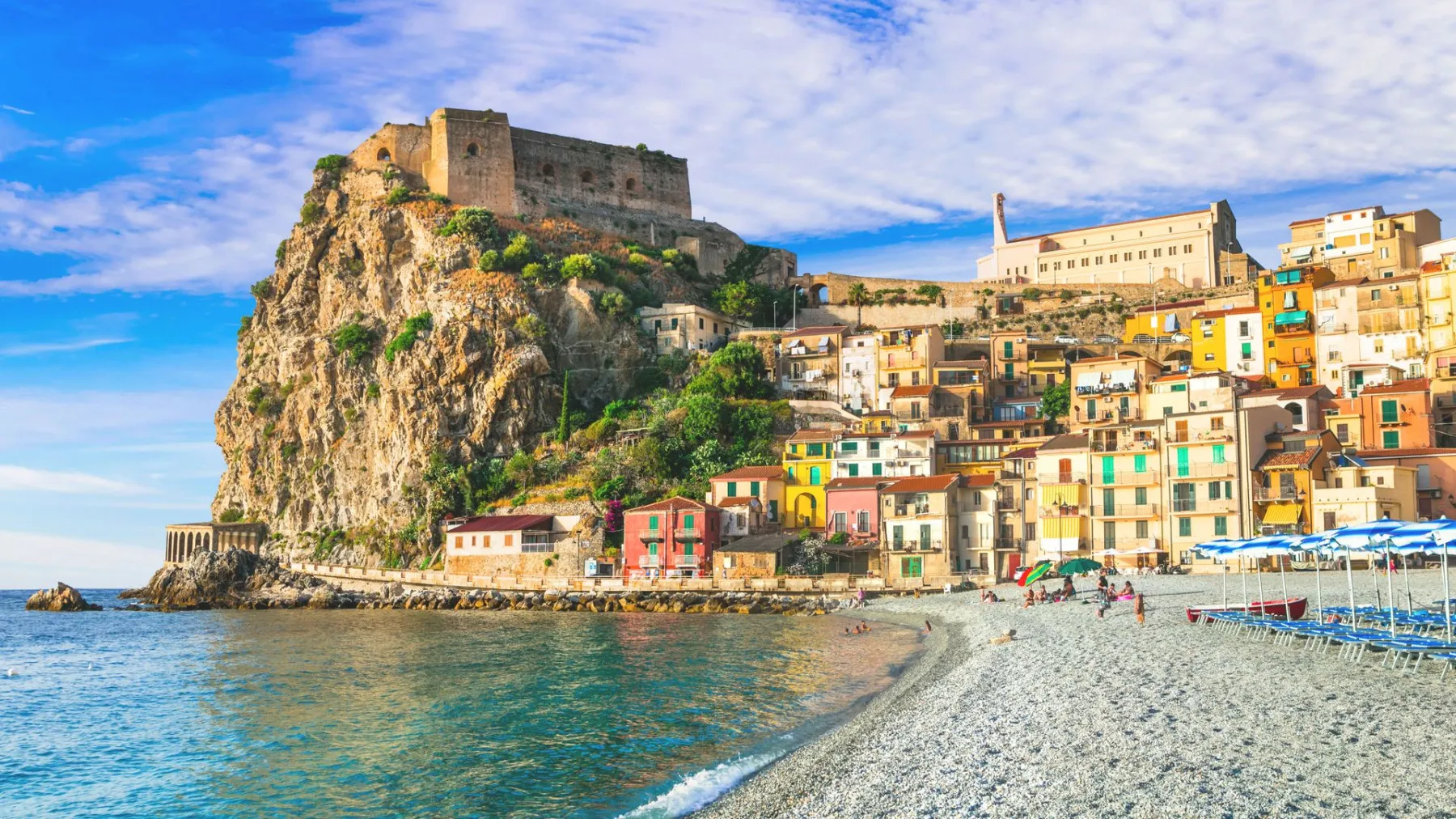
On the southern tip of the Italian "boot", where Calabria looks toward Sicily across the Strait of Messina, there is a village that Balkan tourists rarely discover. Scilla - five thousand inhabitants, fishermen's houses that hang over the sea, and a name drawn from Greek mythology. The locals call it "the little Venice", even though the real one is more than a thousand kilometres away. But the resemblance is not in scale - it is in the way water and architecture are woven together.
The village lies on a coast called Costa Viola - "the Violet Coast". The name is not poetic - it is a scientific fact. Sea algae in this region give the water a violet hue under certain conditions, a phenomenon that even Plato described in antiquity. At the foot of Aspromonte, Scilla is not just a postcard - it is also a scientific anomaly.
The history is as old as the Mediterranean. The first settlements are linked to Trojan communities in the 5th century BC. Later the village survives Vandal and Saracen attacks. In the 11th century, the Normans rebuild it, opening it to trade. The Ruffo fortress, built to defend against pirates, still dominates the seaside quarter Chianalea. And the Maria Santissima Immaculata Church from the 5th century is considered the oldest Christian building in Calabria.
The village is divided into three zones. Marina Grande is the bathers' beach, with sand and calm water. San Giorgio is the upper part, with little streets climbing like stairs. And Chianalea di Scilla is what catches the eye of every visitor - the old fishermen's houses look as if they grew directly out of the sea, built atop rocks that were once just the floor of the bay.
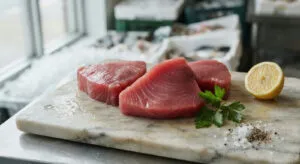
The cuisine is simple and powerful: swordfish is the king of the table. It is made in rolls, on parmesan, grilled, or as an Italian take on a burger. Local fishermen still use traditional boats with wooden tops representing the constellation "Ursa Minor" - a heritage that is not an exhibit, but a tool in daily use.
For visitors who want more than the beach, there are Palazzo Scategna (today a hotel), Villa Zagari from 1933 (a national monument), the Ruffo fountain from the 16th century, and the Fontana dei tre Canali from the 17th. In Piazza San Rocco stands a statue of Scilla herself - the mythical creature from Homer's "Odyssey" after which the village is named.
For a Balkan traveller, Scilla is close - as close as the Albanian coast is for Italians. But unlike Tuscany or Puglia, here you are not surrounded by buses and tour groups. You can sit at a café on Marina Grande at seven in the evening and watch Stromboli smoking in the distance - and be the only customer at the table without an Italian accent.
The latest 10 news from this category
The royal couple walked yesterday into a pub the village bought back for itself. How many buildings like that sit...

Of twenty-five new inscriptions, five are natural - and only one is in Europe. For the richest of them, the...
Fifty beaches, more than 120 villages and a trail France voted its favourite. Monet came for a few days and...
Restored carriages, a locomotive they call the Japanese Woman and a 28.95 euro return ticket. What it sells is not...
Two hundred and fifty tree species from every corner of the world, a monastery from 1628 and a palace that...
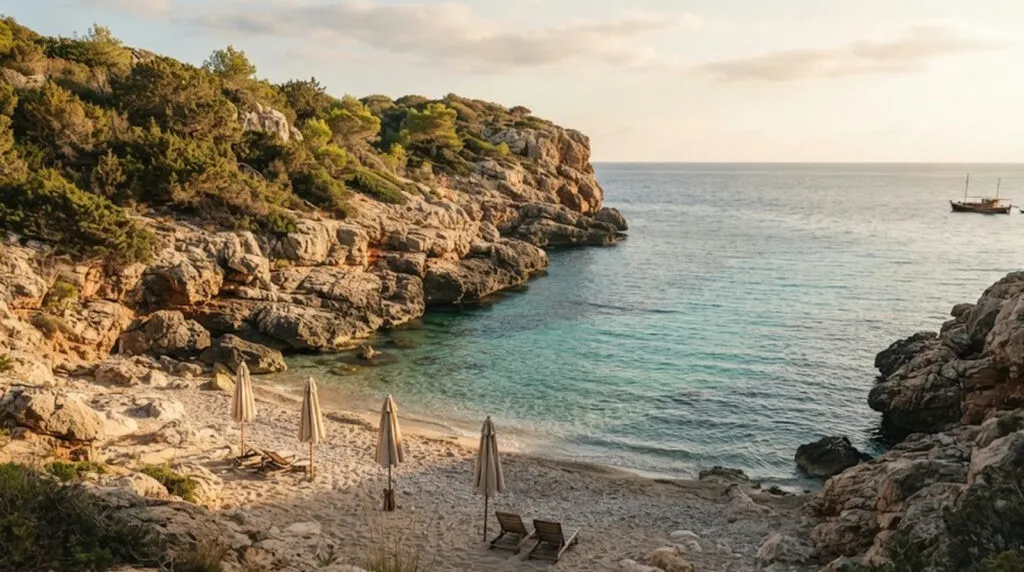
The same places cost more in August, look crowded and are experienced at half strength. The difference is made by...
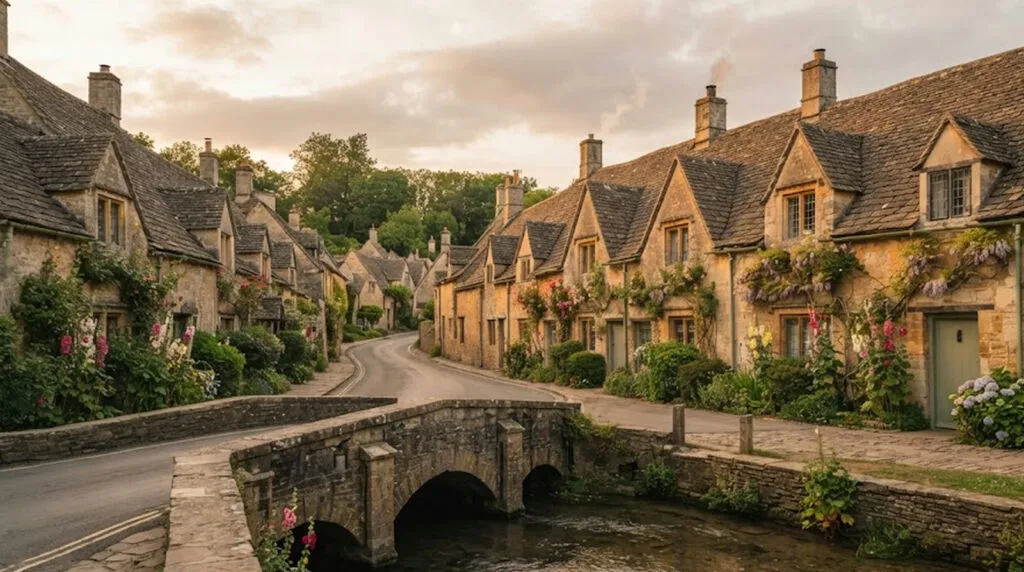
The Beckhams have a place there, so do Kate Moss and Ellen DeGeneres. But the Cotswolds needs none of those...

Down on the coast the buses pass each other with centimetres to spare and all you see is people. Up...
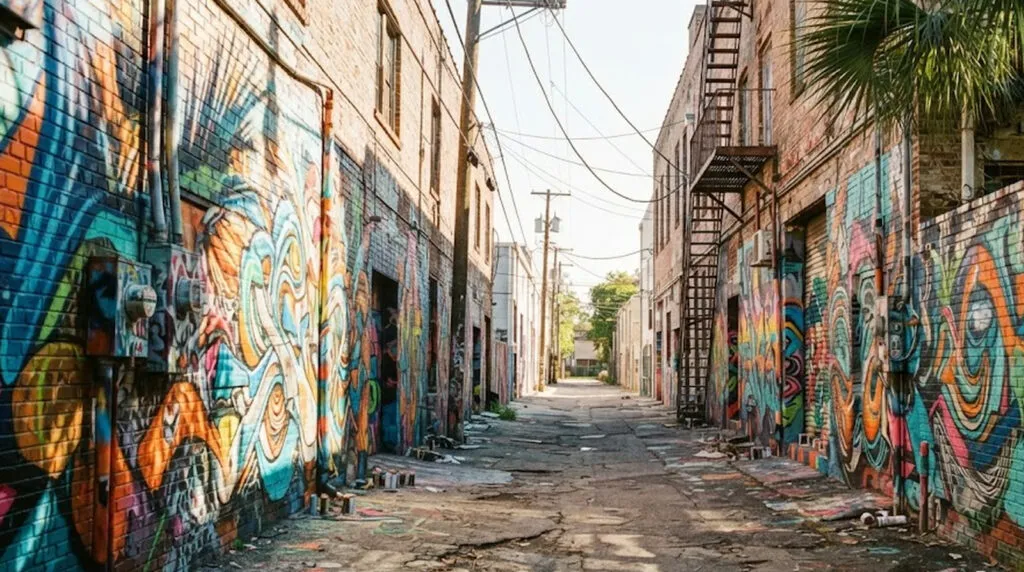
Empty warehouses, low rents and one real estate developer. A model we know without flying to Florida.
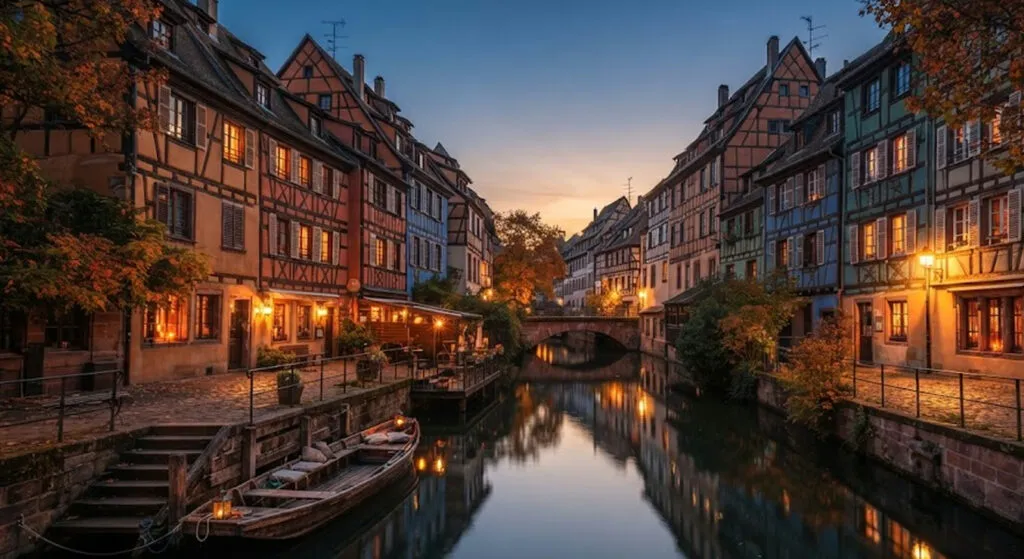
Old tanners' and dyers' workshops, built directly over the river. From 10 to 13 September the town puts boats and...
This site uses cookies - is that okay? Learn more
Be the first to know when Metla launches something new
Leave your email and we will write when there is a new guide or something new on Metla.
