
Three of Four Sensors Were Dead: Skopje's Vodno Cable Car Ran Fifteen Years Without a Real Service
17.09.2026


17.09.2026

17.09.2026

17.09.2026

17.09.2026

17.09.2026

17.09.2026

17.09.2026

16.09.2026

15.09.2026

17.09.2026

17.09.2026
16.09.2026

17.09.2026

17.09.2026

17.09.2026

17.09.2026

16.09.2026

15.09.2026

17.09.2026

17.09.2026

17.09.2026

17.09.2026

17.09.2026

17.09.2026

09.03.2026

27.02.2026

19.02.2026

23.04.2026

23.04.2026

12.04.2026

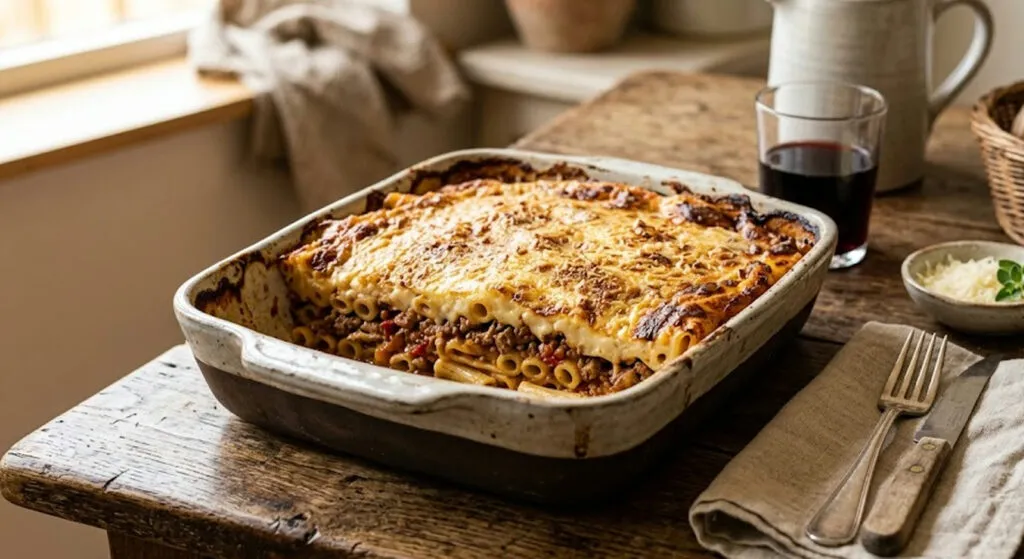
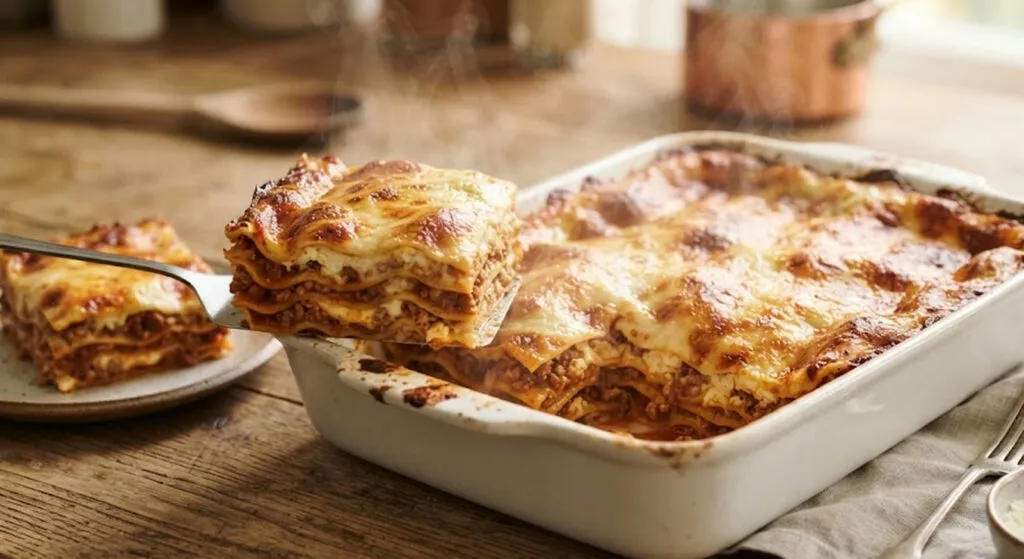
Greek pastitsio is the lasagna with no Italian passport - pasta, mince, and a thick layer of béchamel that turns into a golden-brown crust in the oven. Seasoning with cinnamon, nutmeg and clove in the sauce, which doesn't taste like anything else, and which in Greek homes is made for a holiday, not for any old Tuesday.
The history is younger than people think. Béchamel isn't traditionally a Greek ingredient - it was brought into Greek cooking by chef Nikolaos Tselementes in the early 20th century, after he returned from studies in Vienna and Paris. That's also why béchamel, technically French, is today recognised as Greek. Cultural classics migrate.
The recipe for four people is simple. 400g of long hollow pasta (pastitsio no. 2 or bucatini), 500g of mince (beef or lamb), onion, tinned tomatoes, half a glass of red wine. For the spices: half a teaspoon of cinnamon, nutmeg and clove. For the béchamel: 1 litre of milk, 80g of butter, 80g of flour, 2 egg yolks. Cheese on top.
Technique is what separates a good pastitsio from an ordinary one. Akis Petretzikis, the Greek chef with millions of followers, insists: "The béchamel must be thick but pourable and silky, achieved with butter and an egg yolk at the end." Jamie Oliver recommends letting the meat caramelise a little, and a quality red wine. Diane Kochilas, author of the Greek cooking bible, adds a trick: mix the meat sauce with grated cheese and an egg white - the result is clean, firm slices.
For Balkan cuisine, pastitsio is close family. Same logic as our moussaka, just with pasta in place of potato. 180°C, 35-40 minutes, and let it rest before slicing. Don't slice it hot - it falls apart. Don't slice it cold - it loses its gloss. Warm-to-cool, the way grandma slices it - that's the border between a meal and a state of being.
The latest 10 news from this category
Home-made chicken curry fails at the same point for everyone. The difference is made by one step that has nothing...
Jose Andres has lived in America for over thirty years, and when asked for his favourite American dish he named...
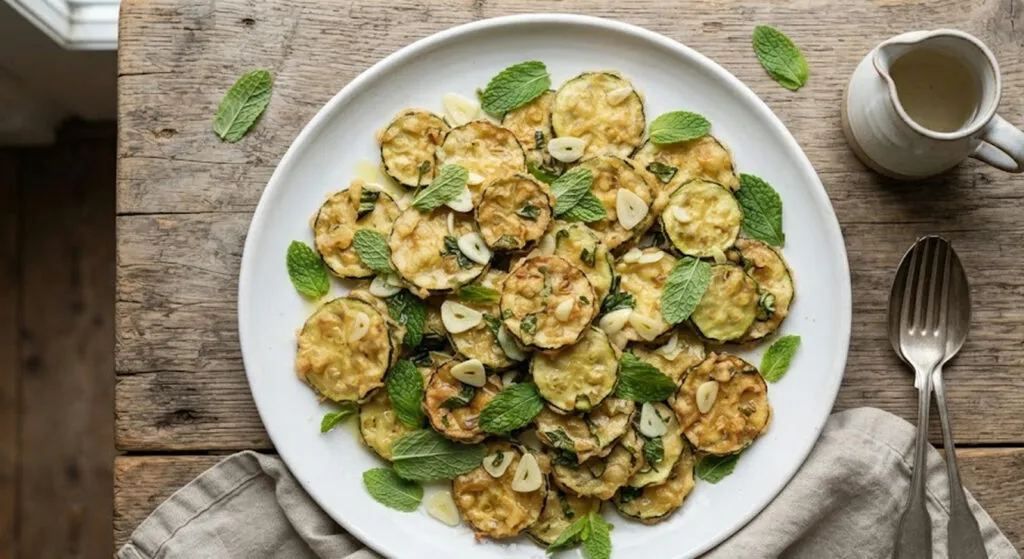
A kilo of courgettes, mint, garlic and eighty millilitres of vinegar. Not one expensive ingredient - and the water you...
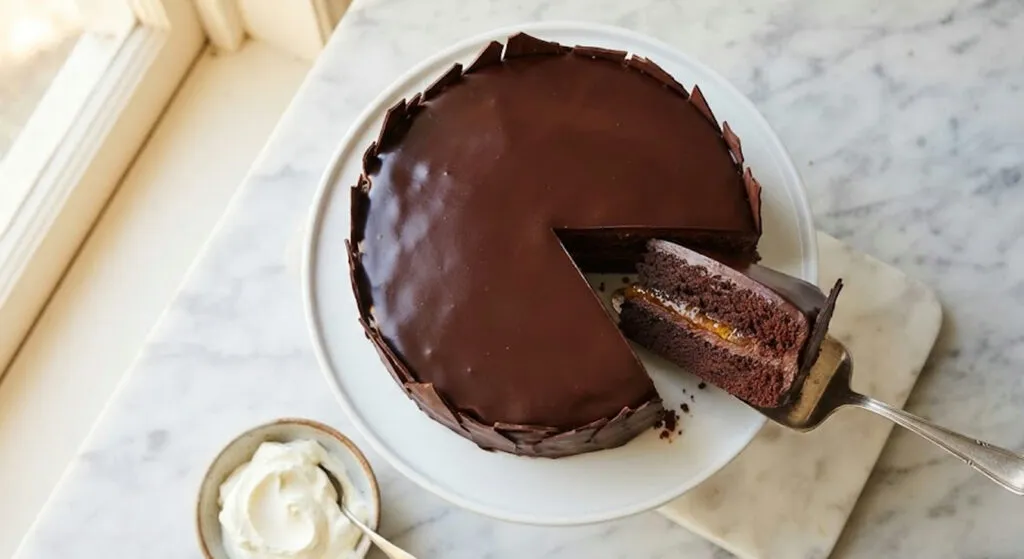
Whoever beat all the eggs together made a different cake. And the glaze must not pass 45 degrees, or the...
One rule applies to all three and it is the one most often skipped. It is not a recommendation to...
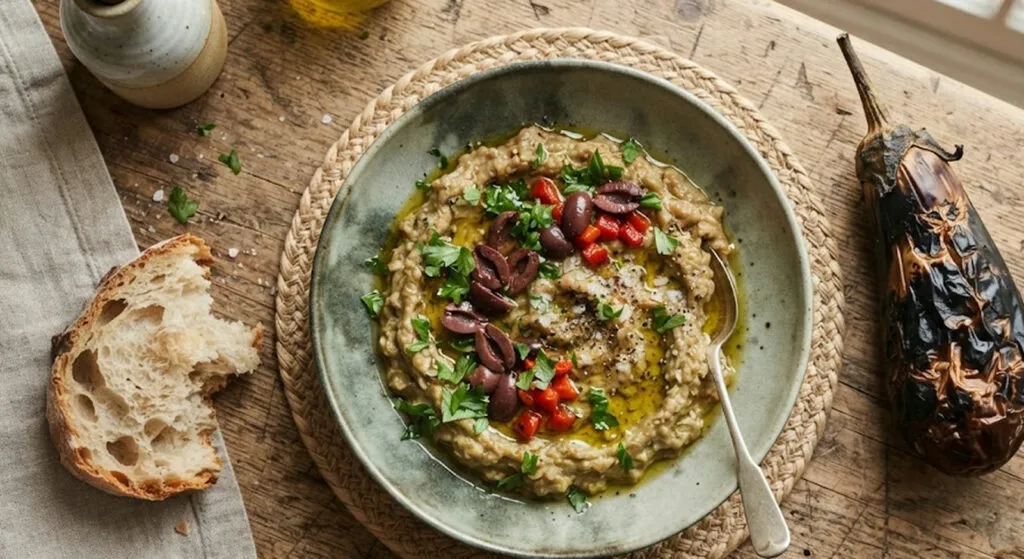
One single ingredient separates melitzanosalata from mutabal - tahini. Three aubergines, one clove of garlic, and an oven at 220...

The chicken ends up in the pan anyway. The salad that was sitting half a metre away does not.
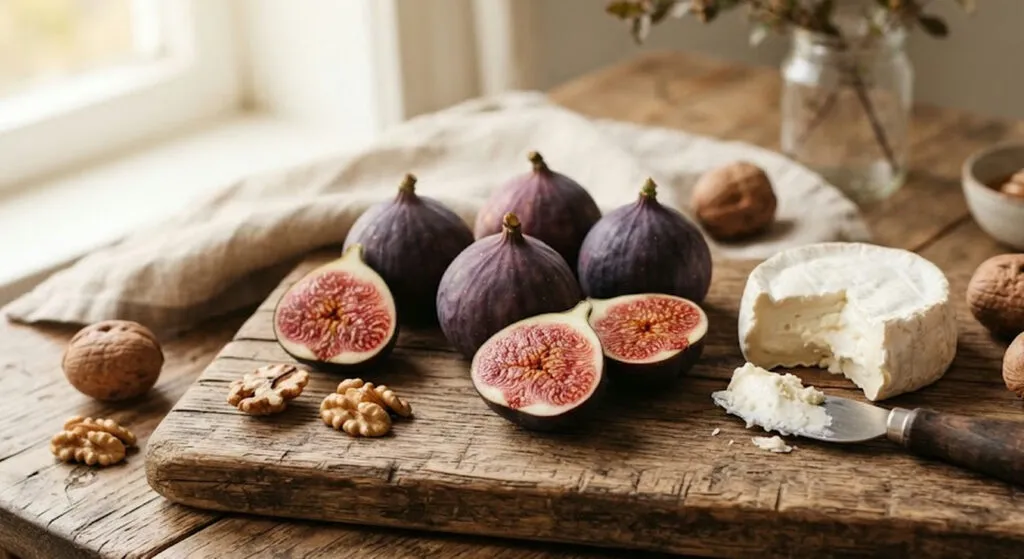
This year the season started as early as August because of the heat. From breakfast to pizza - everywhere a...
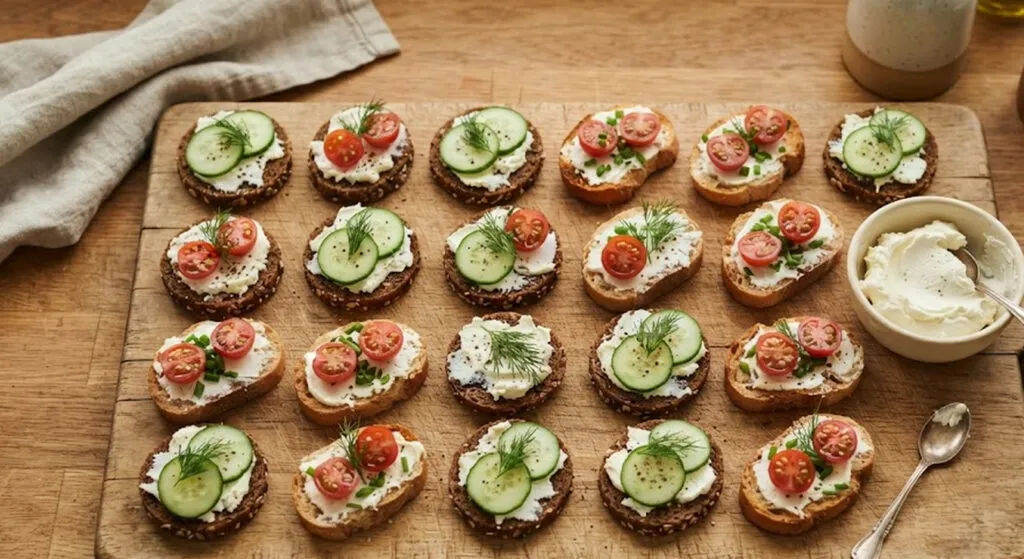
The recipe is not hard, the temperature is wrong. Ten cream cheese canapés and the two rules without which none...
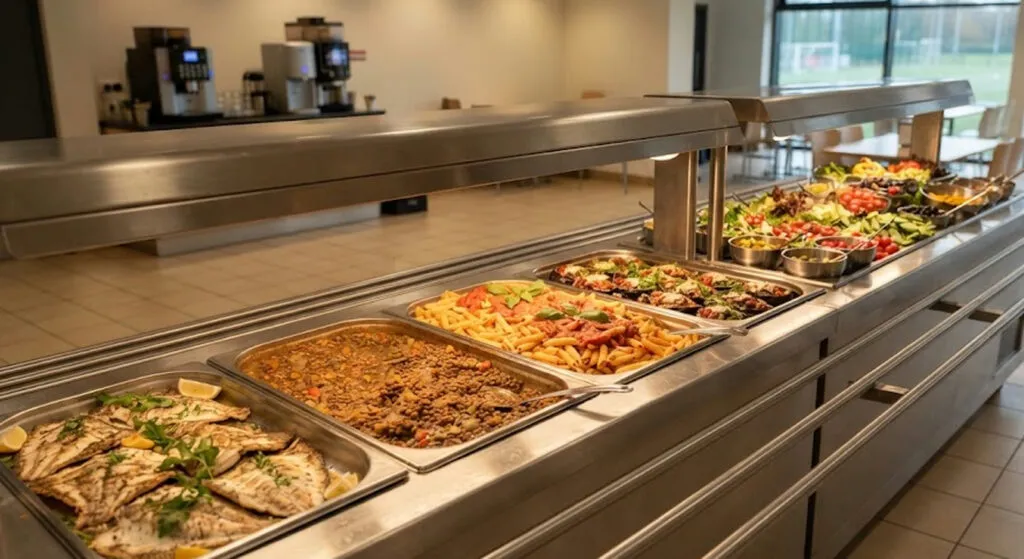
The image of boiled chicken breast is wrong. The indulgence is planned, not broken.
This site uses cookies - is that okay? Learn more
Be the first to know when Metla launches something new
Leave your email and we will write when there is a new guide or something new on Metla.