

Gostivar: Three Arrested With Marijuana, Digital Scale, Cash and a Small Rifle - the Infrastructure of Selling
09.05.2026


09.05.2026
09.05.2026

09.05.2026
09.05.2026
08.05.2026

07.05.2026
09.05.2026

09.05.2026
08.05.2026
09.05.2026
09.05.2026
09.05.2026

09.05.2026
08.05.2026

07.05.2026

09.05.2026
09.05.2026
09.05.2026

09.03.2026

27.02.2026

19.02.2026

14.04.2026

07.11.2025
07.11.2025

23.04.2026

23.04.2026

12.04.2026

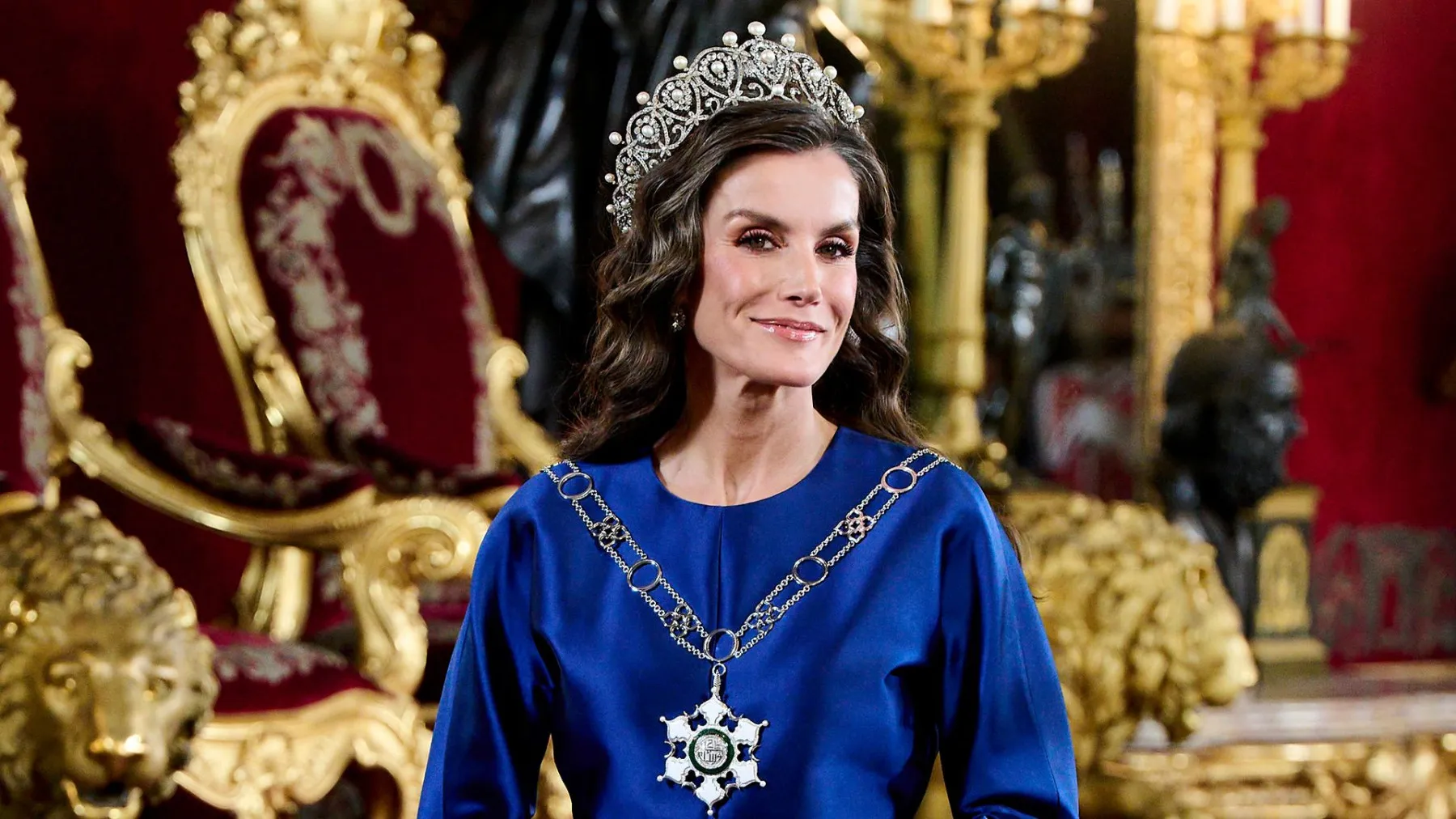
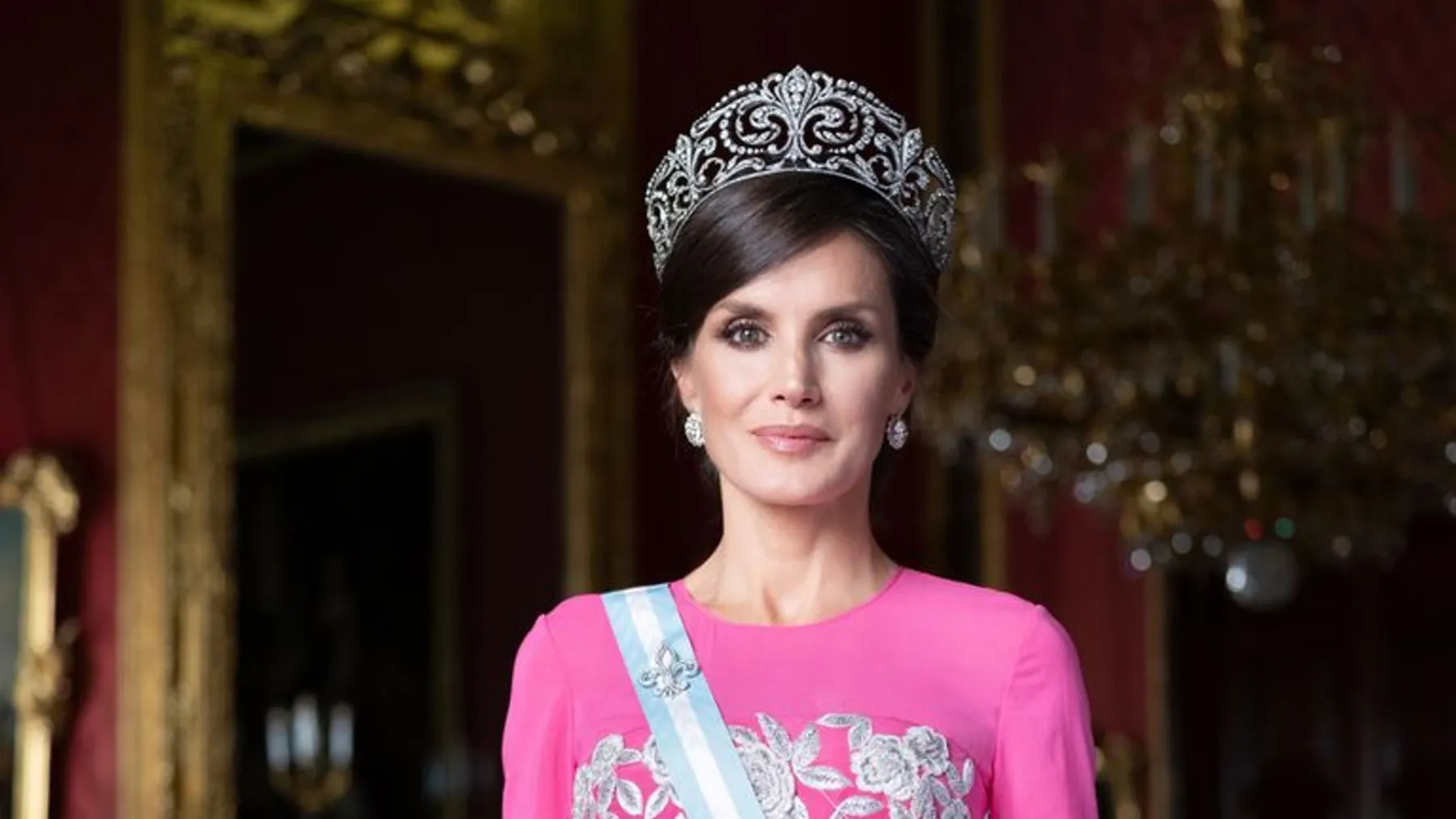
When Queen Letizia stepped out in Barcelona wearing the chaton necklace of Victoria Eugenia and the matching earrings, that wasn't a fashion choice - it was an institutional pose. The necklace is part of an eight-piece set inherited from Victoria Eugenia, the last queen of the old Spanish regime, which represents the powerful system of the "joyas de pasar" - jewels that don't belong to the person, but to the position.
In Victoria Eugenia's will, it is written that the jewels are to go to her son Juan de Borbón, who passed them to Juan Carlos, who finally landed them with Felipe VI and Letizia. Not ornaments - legal objects that travel across generations.
The collection has eight pieces, and the most recognisable is the tiara Fleur-de-Lis from 1906, which Letizia has worn only six times since 2017. The 37-pearl necklace with Russian pearls was a gift from Alfonso XII in 1878. The two chaton necklaces were a wedding gift from Alfonso XIII. The chaton earrings are her most frequent pick from this collection.
There are also pieces Letizia has never worn - the four-strand pearl necklace sits in the vault, unused. The same with Queen Sofía. The jewellery doesn't just travel through queens - it decides for itself when it appears.
For the Balkans these stories read like a foreign brochure. But they're not: this is what institutions count as real wealth - not money, but an inherited symbol that proves the line of power. The Macedonian problem is similar, only the inverse - we don't know where our 19th-century crosses are, or who inherited the icons that have disappeared into state archives.
The latest 10 news from this category
Trump's 19-year-old son is studying at NYU, and his mother writes for the first time about his bond with the...
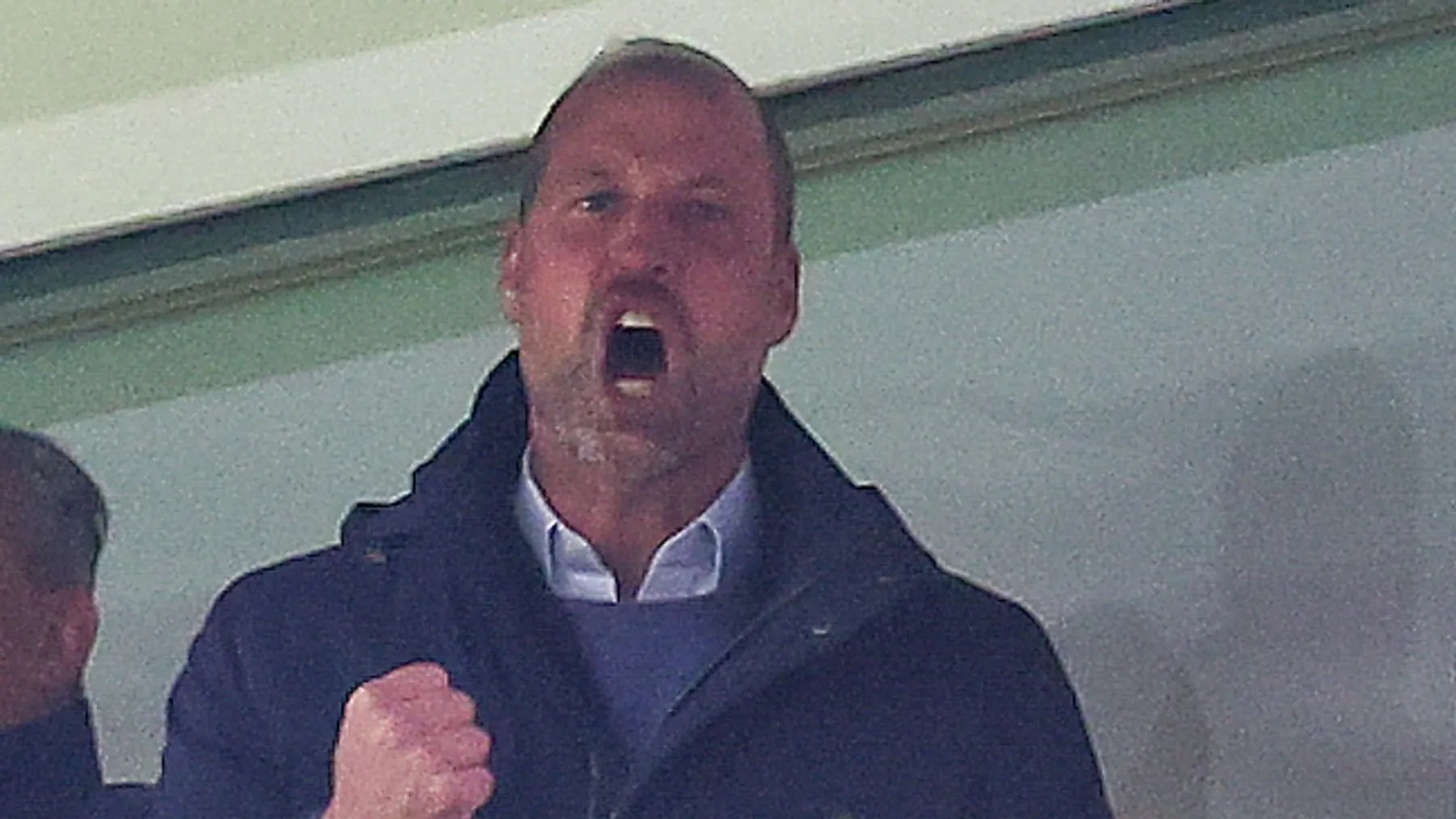
Prince William was at Villa Park for his club's 4-0 win - and that's where the page of decades-long membership...
Malena Alterio in the role of her life, directed by three women, produced by a new Spanish generation. And everyone...
The royal plan is set: 6 June reception at the palace, 7 June Mass at Cibeles. Leonor and Sofia run...
Daily horoscope - 06.05.2026
Married at 53, twins at 56, lives on a French vineyard and doesn't allow cameras near the kids. A lesson...
The granddaughter of Prince Michael of Kent finally leaves the address where her five-year marriage began and ended - a...