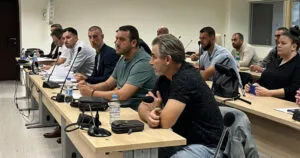
"That's not my job": the trial of the 13 Puls police officers restarted from scratch, and witnesses describe help being refused
22.09.2026


22.09.2026

22.09.2026

22.09.2026

22.09.2026

22.09.2026
22.09.2026

22.09.2026

21.09.2026

20.09.2026

22.09.2026

22.09.2026

21.09.2026
22.09.2026

22.09.2026
22.09.2026

22.09.2026

21.09.2026

20.09.2026
22.09.2026

22.09.2026
22.09.2026

22.09.2026

22.09.2026

22.09.2026

09.03.2026

27.02.2026

19.02.2026

22.09.2026

21.09.2026
21.09.2026

23.04.2026

23.04.2026

12.04.2026

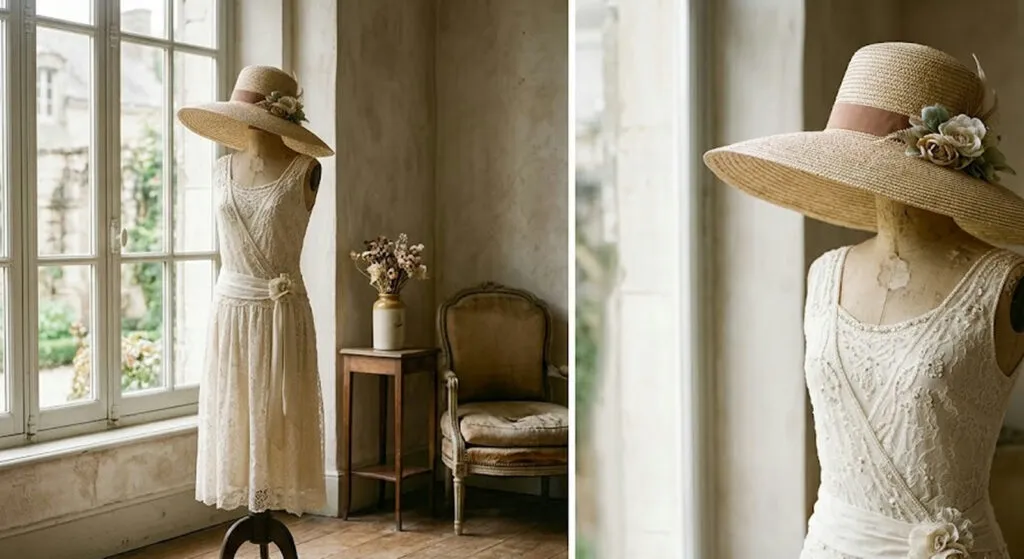
From Malaga comes a wardrobe story that broke the rules of modern weddings. The maid of honour Belinda showed up at the wedding in a dress that was not bought from a boutique and not styled by anyone - it was sewn by her cousin, the designer Isabel Montiel. The inspiration is the 1920s, the era of the Charleston and the liberated woman.
The dress is champagne-coloured silk gauze, with hand-sewn decorative pleats and movable accents. There was one shawl for the ceremony in the Church of the Sacred Heart, and - what better backup for an evening - the family manila shawl for the reception at La Casita de Madera in Churriana. The hat was oversized, in natural raffia, a deliberate provocation in an era of minimalist small hats.
The details matter. Isabel Montiel is a designer working in a small circle in Malaga, and her approach to this wedding wasn't a fashion statement - it was a family duty. She sewed dresses for the bride, for the maid of honour, and for several other guests. "It was inspired by the Charleston era," she describes. Everything within the family circle: an aunt, a cousin, a dialogue between form and freedom in a quietly intimate moment in the wardrobe.
For a Balkan wedding, this is a radical thought. Here the maid of honour is usually under pressure not to "outshine the bride" - a rule used against any bold woman with style. The Malaga example shows the opposite: an outfit can be both homage and discretion, both historical and personal, all at once. The maid of honour shouldn't be a smaller lamp than the bride - she should be a second lamp. And she should carry it with soul.
The latest 10 news from this category
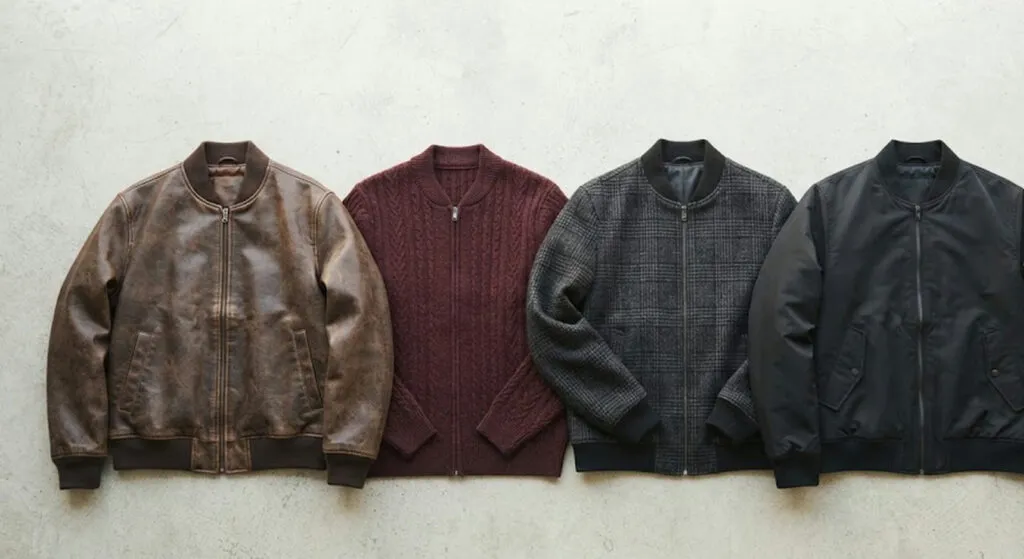
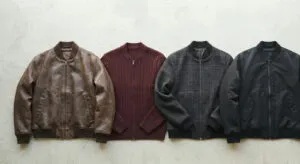
Here, half a wardrobe is bought by calculating how many years it will last. The brown leather one will look...

A decade in which aesthetic medicine sold transformation ends with one sentence: they want to look better, not different.
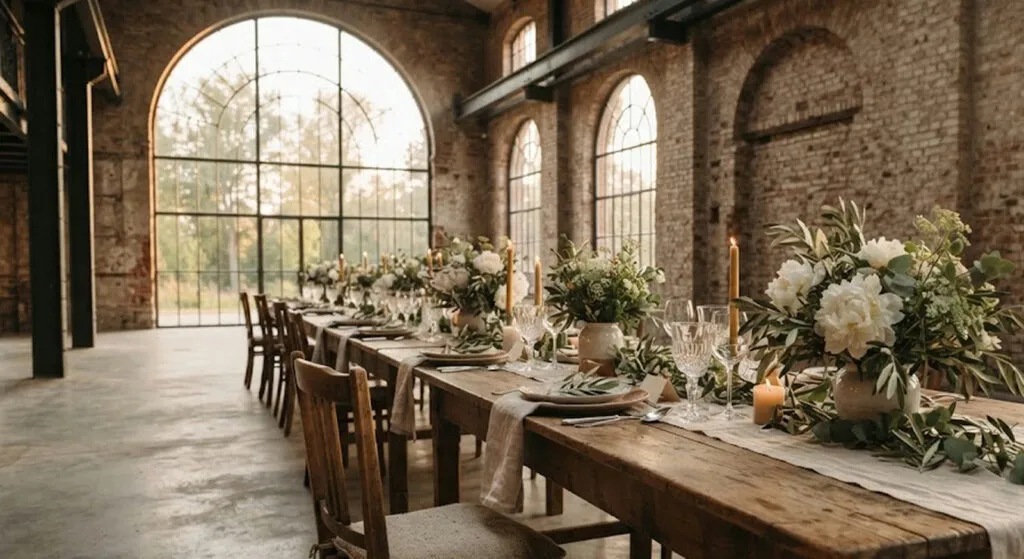
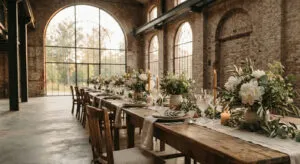
The catering was run by an uncle, the music was played by an uncle. If that sounds familiar, you have...
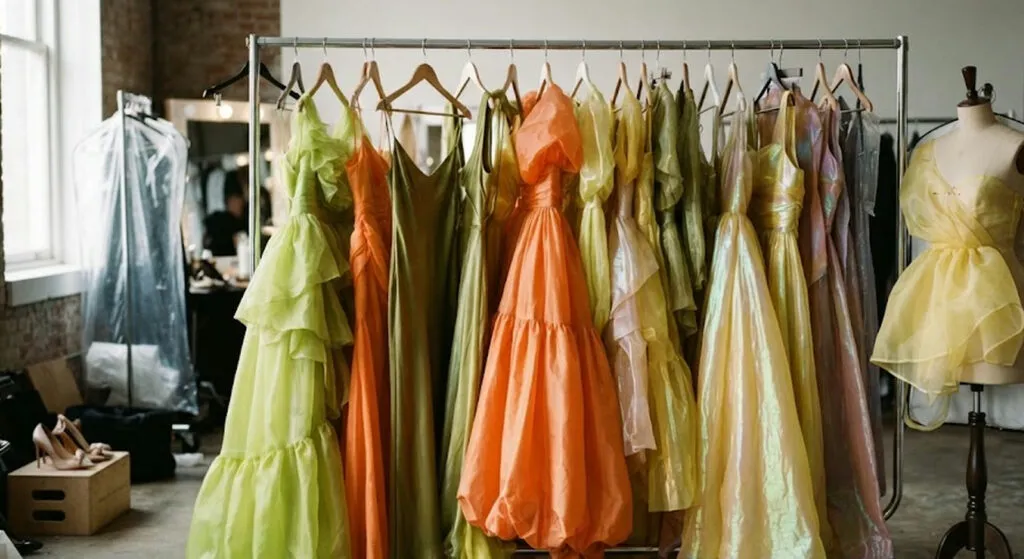
Three days in a lab coat with colorimetry scientists to produce a collection in lime and tangerine. The design director...
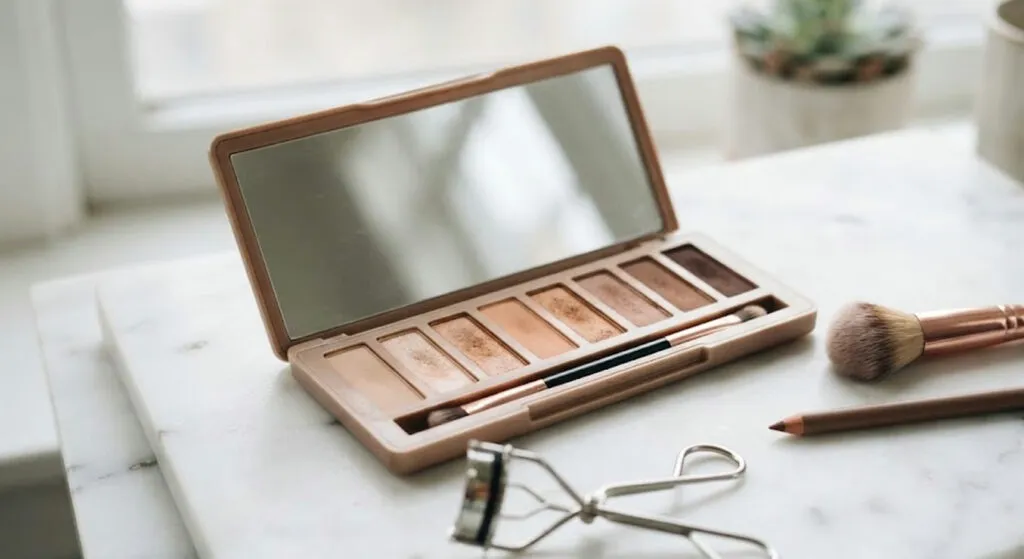
Cream concealer instead of powder, a brown pencil instead of black eyeliner, and a curler before the mascara. Not one...
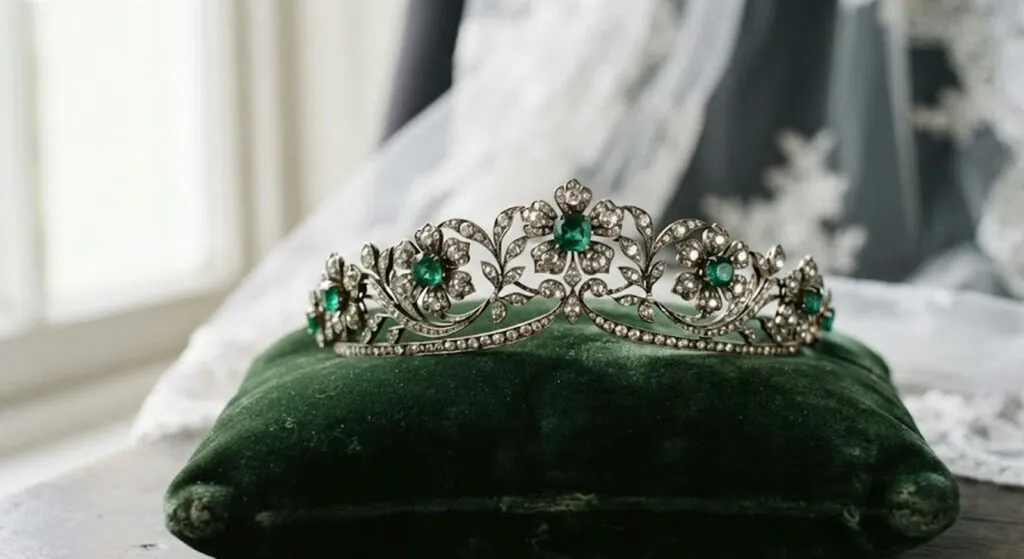
A boat-neck gown and wildflowers that deliberately refuse to compete with the jewellery. A fourth generation under the same diadem,...
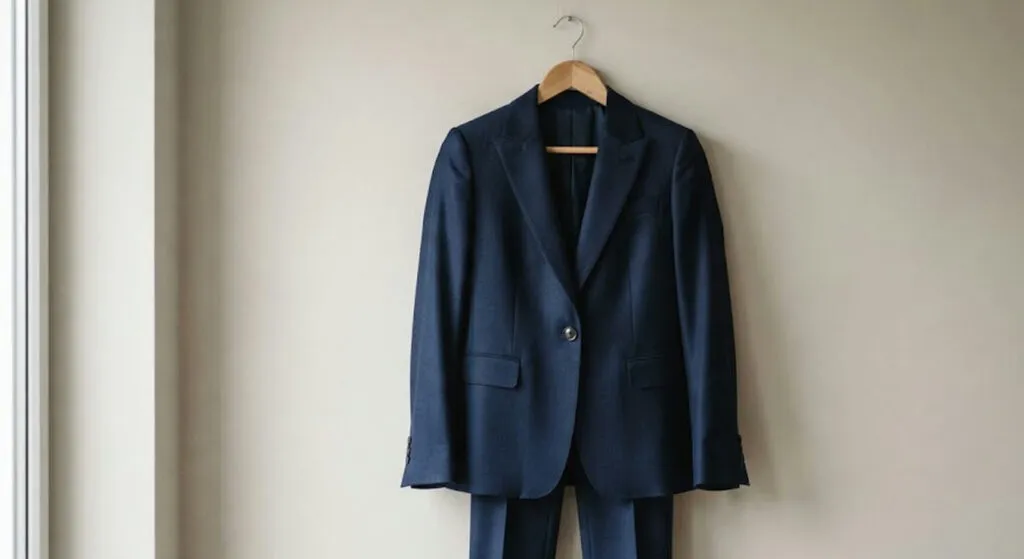
A communications expert says the trouser suit sidesteps sexist readings of hemlines and necklines. The same expert warns that the...
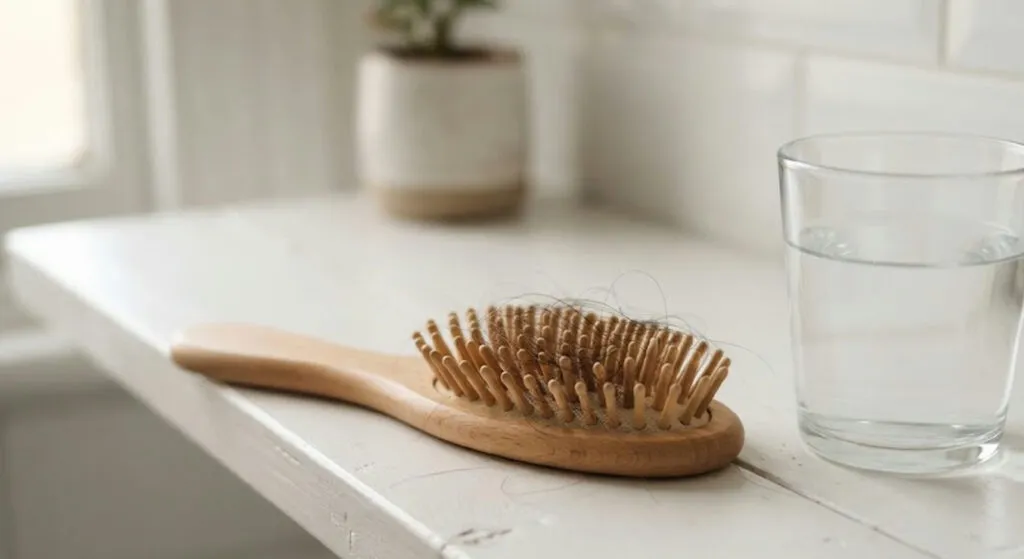
Dermatologists explain why the shedding arrives with a two to three month delay and why iron and vitamins do not...
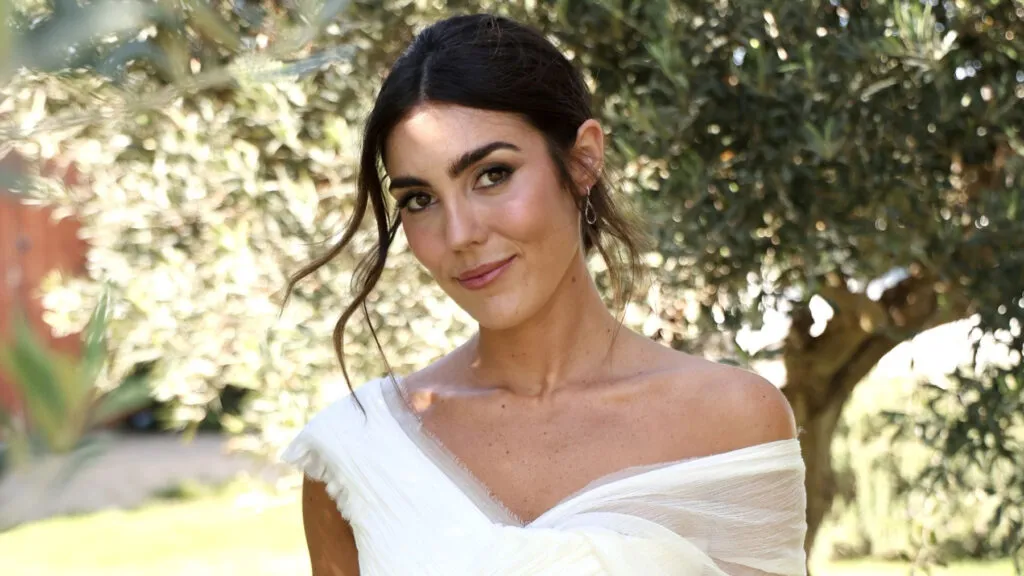
Silk bambula muslin, a hand-draped waist and a veil of crystal organza. The wedding was held in Cadiz, where the...
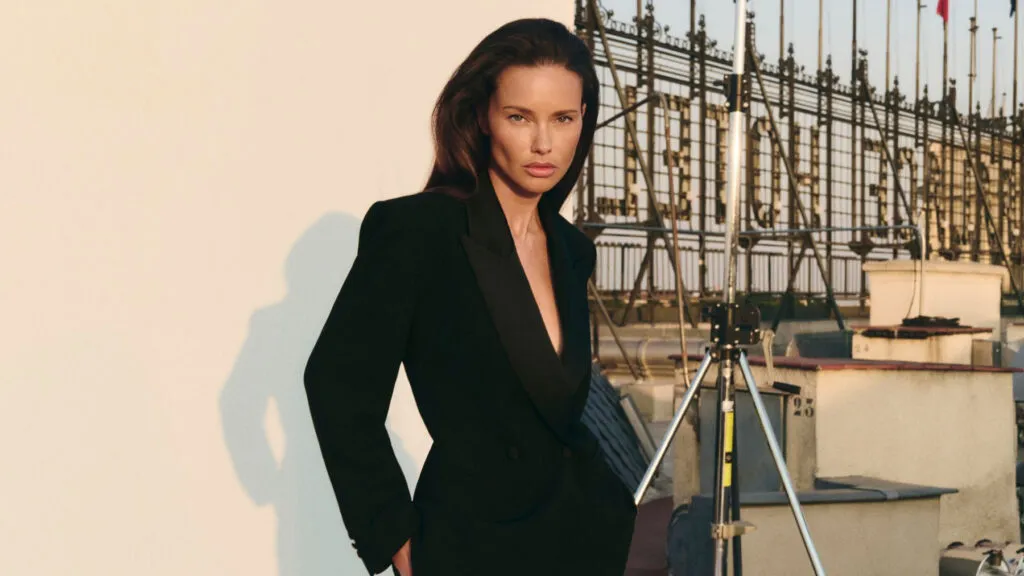
An industry that spent decades selling a flawless illusion is suddenly showing the shoot itself. That is not candour -...
This site uses cookies - is that okay? Learn more
Be the first to know when Metla launches something new
Leave your email and we will write when there is a new guide or something new on Metla.