Gostivar: Three Arrested With Marijuana, Digital Scale, Cash and a Small Rifle - the Infrastructure of Selling
09.05.2026


09.05.2026
09.05.2026
09.05.2026
09.05.2026
08.05.2026
07.05.2026

09.05.2026

09.05.2026
08.05.2026

09.05.2026

09.05.2026

09.05.2026

09.05.2026

08.05.2026

07.05.2026

09.05.2026

09.05.2026

09.05.2026

09.03.2026

27.02.2026

19.02.2026

14.04.2026

07.11.2025
07.11.2025

23.04.2026

23.04.2026

12.04.2026

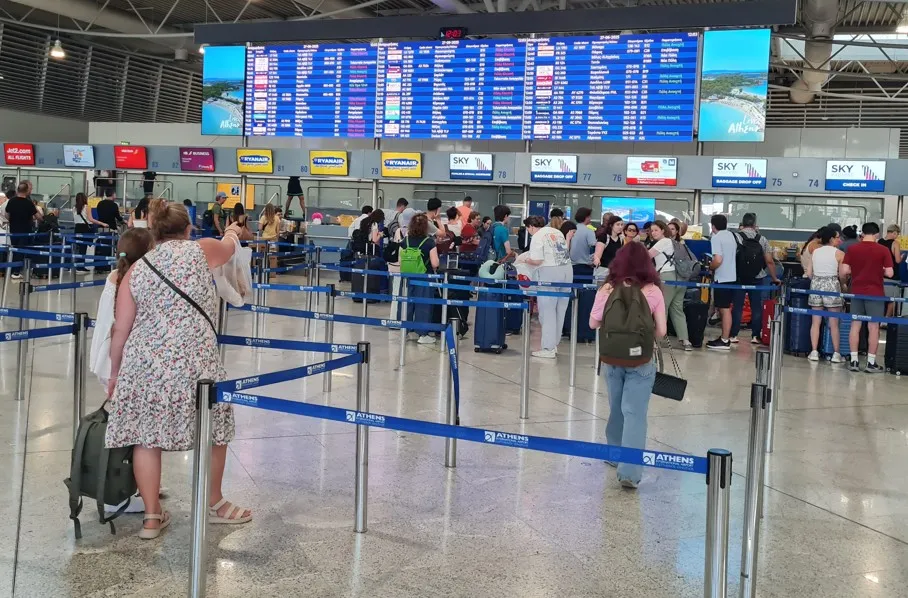
The aviation-fuel crunch in Europe is real, and Brussels is already weighing emergency measures. The European Union Aviation Safety Agency (EASA) announced that European airlines can use American fuel if shortages hit, concluding that "there are no obstacles for European carriers to use American-produced fuel as long as they do so safely."
Technically, the difference comes down to two variants. Jet A-1 is the global standard in Europe, Africa, Australia and most of Asia. Jet A is used in the US and Canada. Both are kerosene-based and "essentially similar" - but Jet A-1 has a lower freezing point, which on intercontinental flights can be the decisive difference. EASA isn't asking for extra safety steps, just flagging "operational recommendations during the transition period."
The context for Macedonia is different, and Minister Aleksandar Nikoloski rushed to describe it as calm. "We have reserves for 90 days, the legal requirement is 60. There is no problem," he said. Skopje's airport supplies kerosene to Pristina (fully) and Niš (partially), making it a regional fuel distributor.
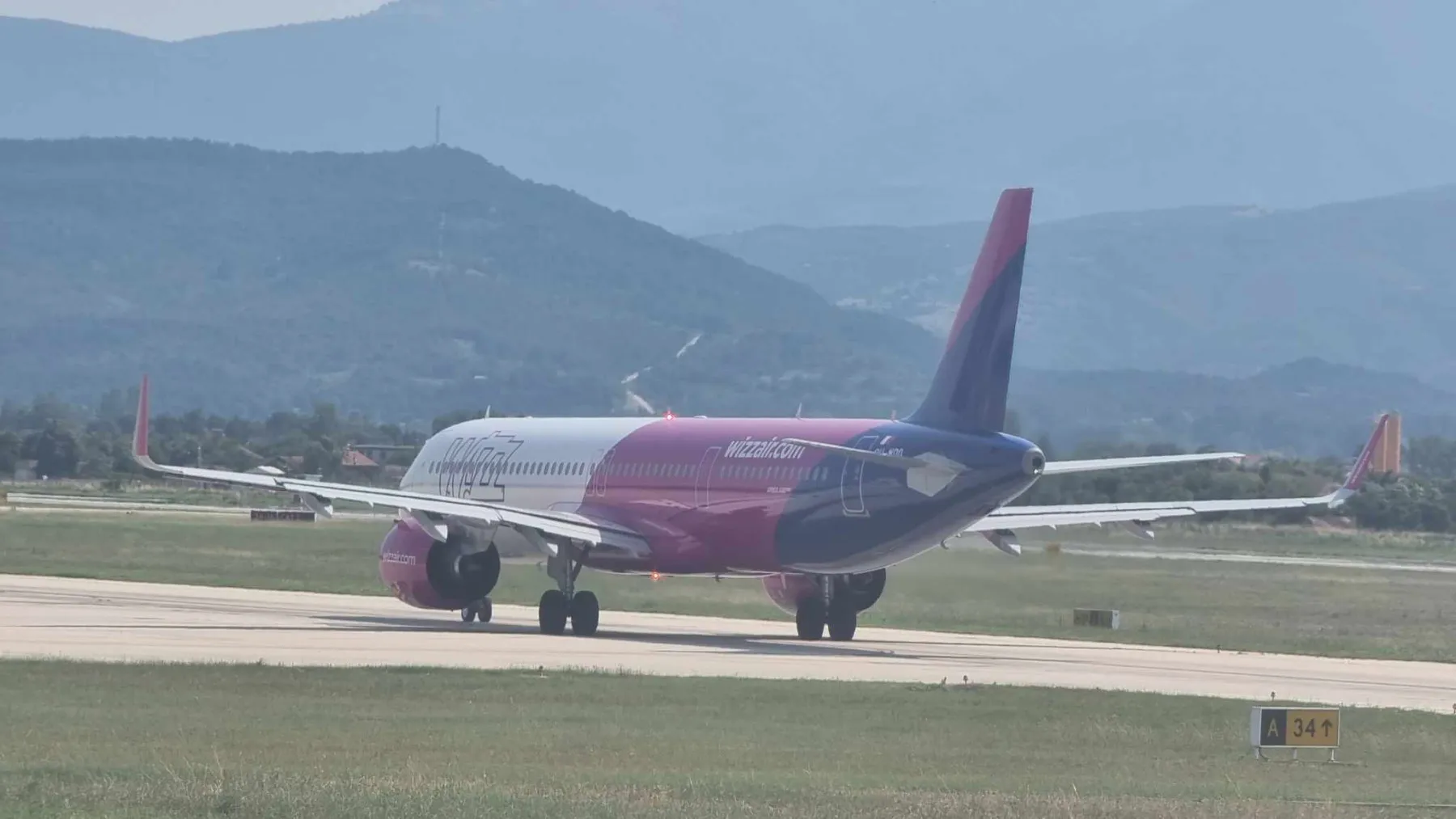
Even more interesting - in the middle of the crisis, Macedonia is opening five new air routes in June. Austrian Airlines is launching Vienna-Ohrid for the first time. Wizz Air is adding Kraków-Ohrid and Wrocław-Ohrid. From Skopje, two Italian destinations are coming: Palermo in Sicily and Alghero in Sardinia. In a year when half of Europe is worried about cancelled flights, Skopje is adding more.
EASA also rolled in a counter-rule for the airlines. Expensive fuel cannot be an excuse for cancelling a flight without compensating passengers - a rule that puts carriers between two fires: either pay through the nose for fuel, or pay through the nose in compensation. Not the ideal moment to be investing in aviation.
For the Balkan traveller the question is simple: if ticket prices jump 20-30 percent this summer, will the tourist economy still hold up? And if Skopje airport turns into a regional hub, does that mean Macedonia has finally cashed in a piece of geographic advantage it rarely uses? On first read, the minister's numbers sound good. The real question is how long those reserves last if Brussels and Iran can't find a compromise before the end of summer.
The latest 10 news from this category
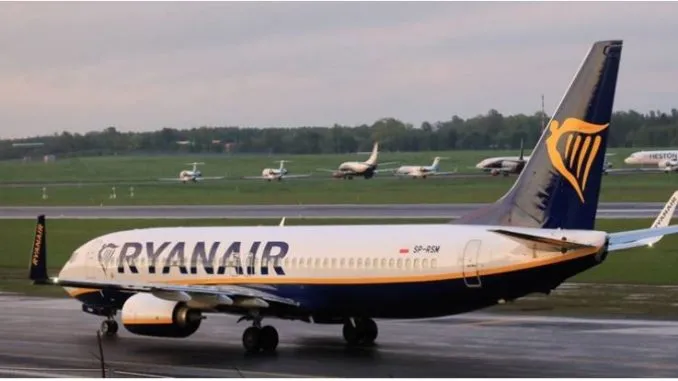
Tariffs 66 percent above pre-pandemic levels, 100 jobs possibly gone. Skopjeans who fly out of Thessaloniki just got one more...
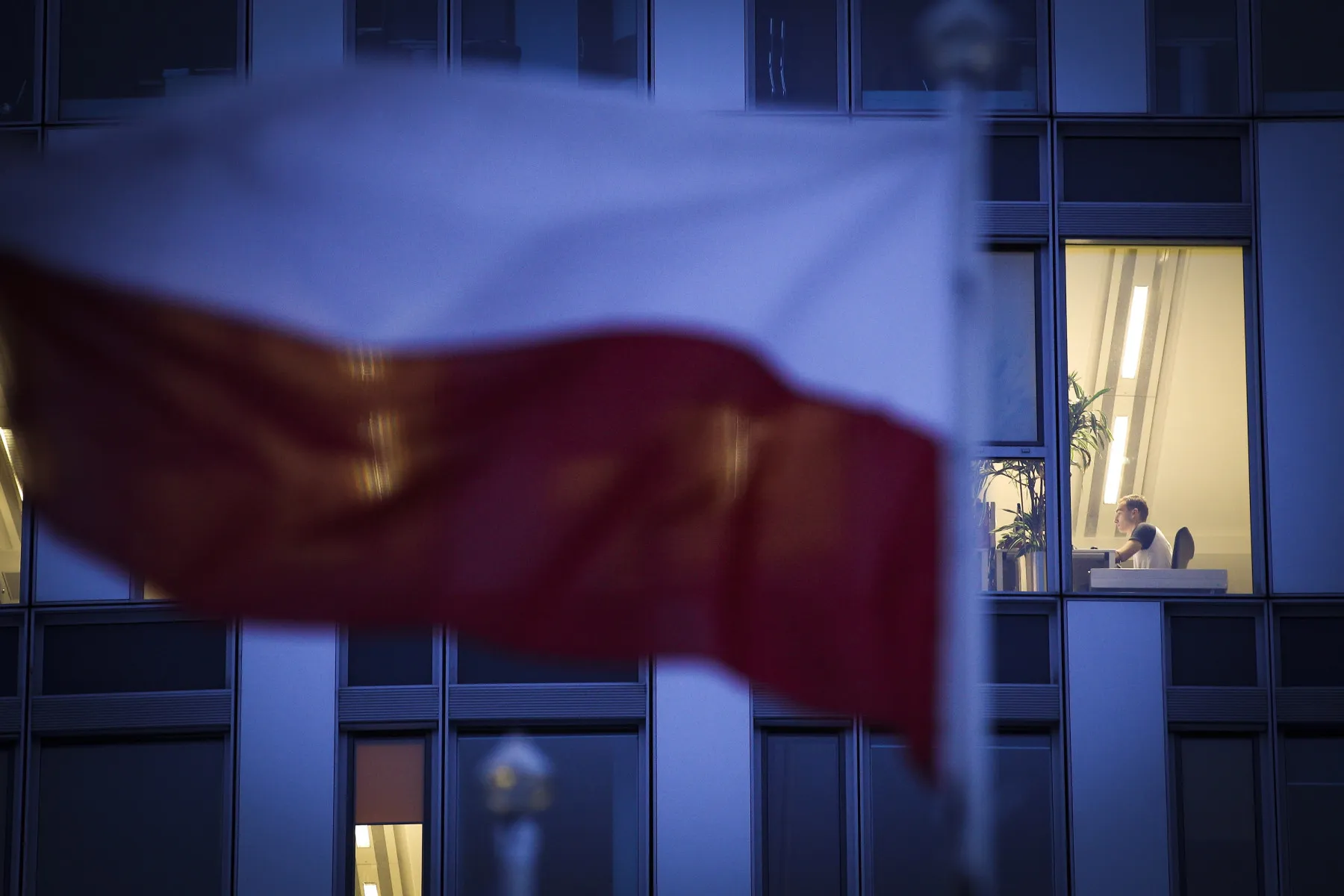
Five water treatment plants in Poland breached by hackers, the attack could have manipulated the safety of the water itself....

The scooters that don't show up in Skopje, Belgrade or Zagreb will trade under the LIME ticker. The question for...

An email one morning, four weeks of severance, 1 million dollars in unvested shares wiped out for one worker. When...

Whitney Wolfe Herd announced that the gesture that defined an entire generation of dating apps will disappear by the end...

Elon Musk's lawsuit opened a process in which former employees and board members describe a company that sacrificed research culture...

Match Group: AI costs a lot, we pay for it by cutting new hires. Users are running to IRL events....

The test didn't pass, users weren't converting. Snap laid off 16 per cent of its workforce. Perplexity pays for distribution...
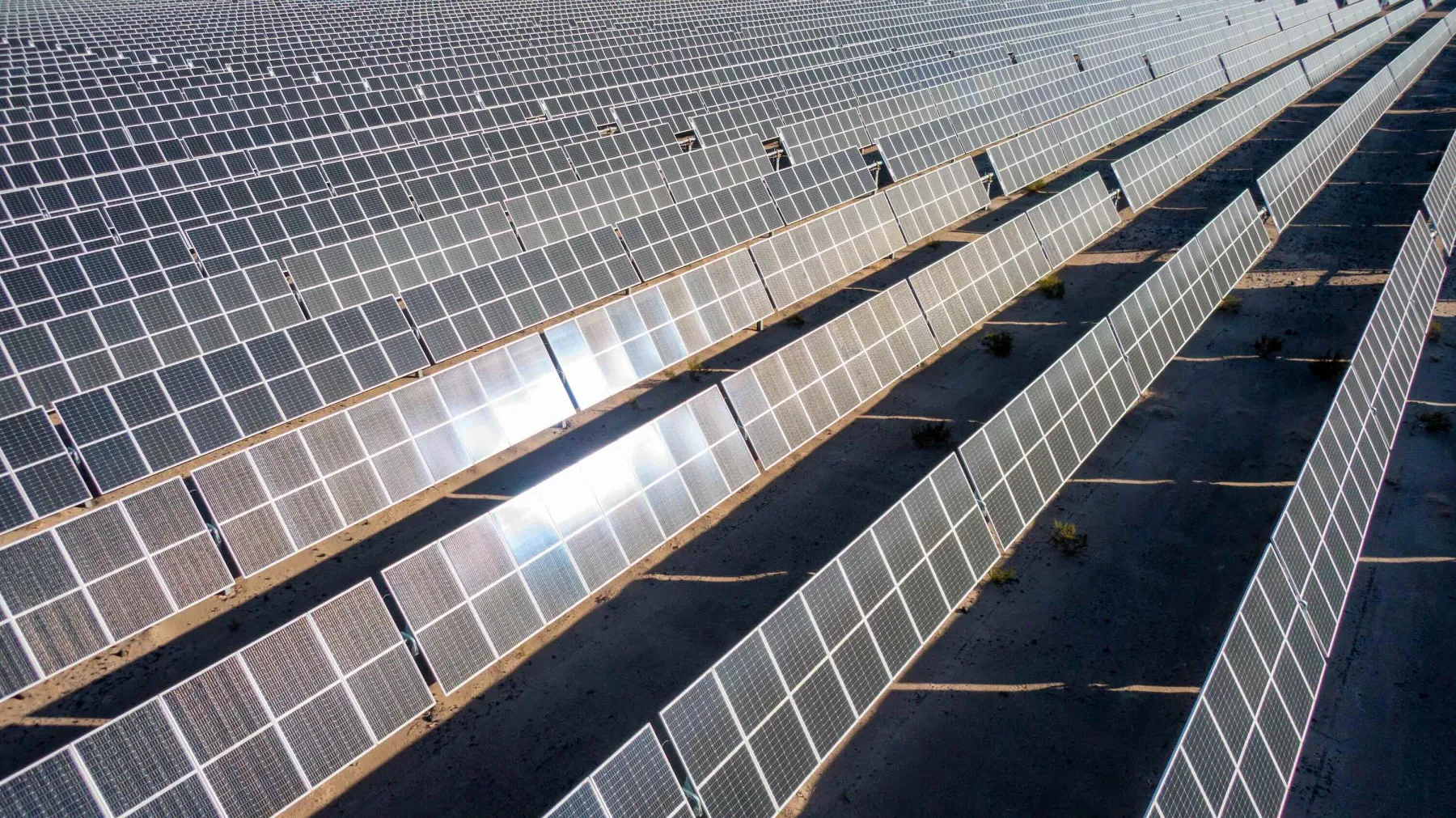
A 5-gigawatt gas plant with Chevron, alongside zero-emissions promises. When AI demands power, the climate is pushed for later.
Lufthansa scrapped 20,000 short-haul flights. Istanbul and Munich are dropping. Macedonians, Serbs and Albanians had planned a summer at home...