
They Fired Guns at a Party in Dobridol - and Police Only Moved Once the Video Went Viral
02.08.2026



02.08.2026

02.08.2026

02.08.2026

02.08.2026

02.08.2026

01.08.2026

02.08.2026

01.08.2026

31.07.2026

02.08.2026

02.08.2026

02.08.2026

02.08.2026

02.08.2026

01.08.2026

09.03.2026

27.02.2026

19.02.2026

02.08.2026

01.08.2026

31.07.2026

23.04.2026

23.04.2026

12.04.2026
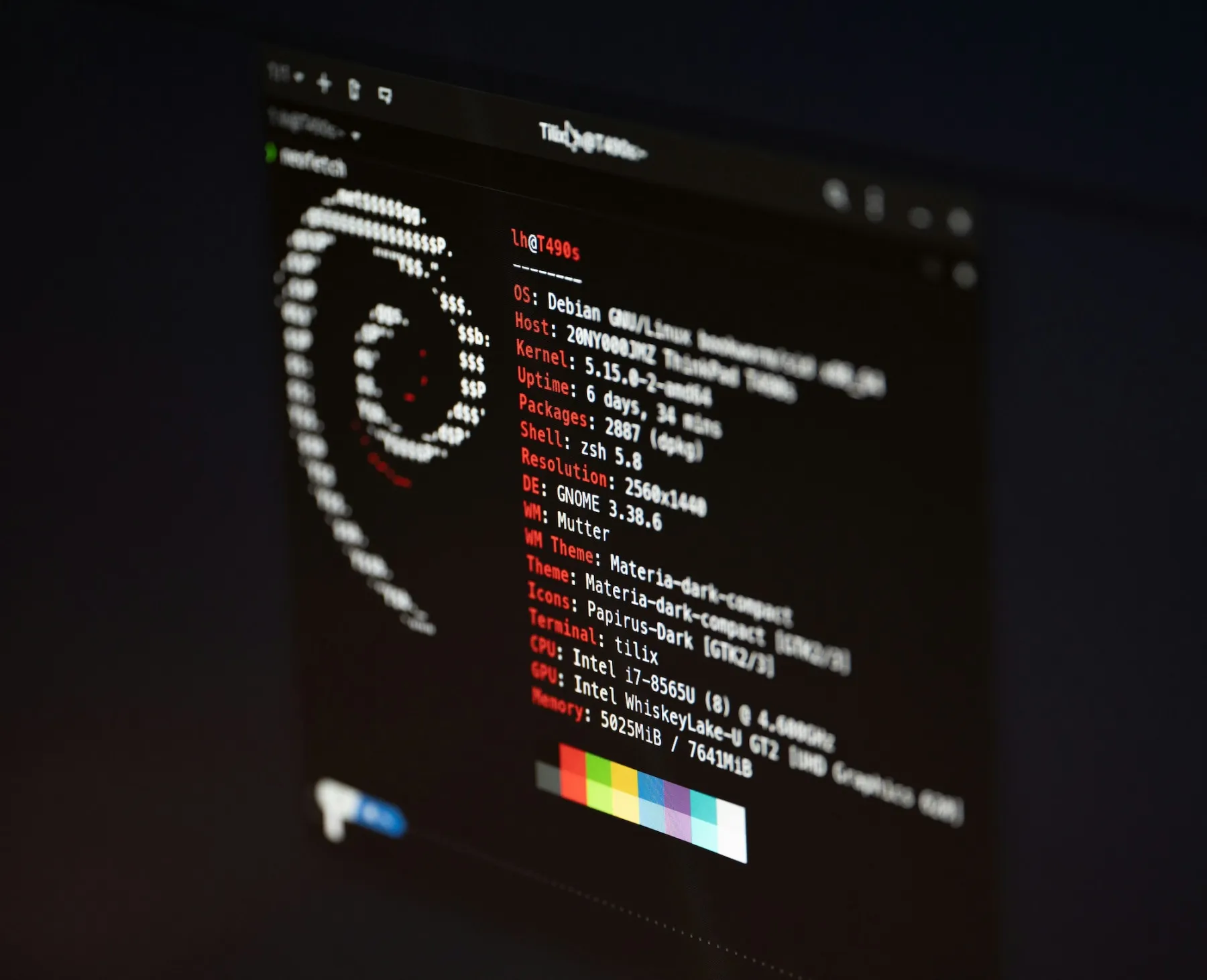
The US Cybersecurity and Infrastructure Security Agency (CISA) is warning all federal civilian agencies to patch their systems by no later than May 15. The reason - a serious vulnerability in the Linux kernel called CopyFail, already being actively used in malicious attacks.
The flaw, technically known as CVE-2026-31431, was found in versions of the Linux kernel 7.0 and older. The security firm Theori, which discovered it, confirmed it has been verified on Red Hat Enterprise Linux 10.1, Ubuntu 24.04 (LTS), Amazon Linux 2023 and SUSE 16. The number of potentially affected systems is literally enormous - the same script „roots every Linux distribution released since 2017," according to the CopyFail web page.
How does it work? The kernel - the heart of the operating system, with access to almost everything on the device - fails to copy certain data when it should. This corrupts sensitive information and gives the attacker access to everything else. The concrete result - an ordinary user with limited access gains full administrator privileges. In a data centre, that means access to the servers, databases and potentially every other system on the same network.
The flaw on its own can't be exploited over the internet, but it's a „multiplier" for other attacks. Microsoft warns that CopyFail combined with an internet-facing vulnerability would let an attacker get root access to a server. Users can also be tricked through a malicious link. The most frightening scenario - a supply chain attack, where hackers compromise the open-source code of a popular developer and infect everyone who uses it.
Patches have been released in the kernel, but haven't reached all distributions yet. Debian, Fedora, Kubernetes - all are vulnerable. DevOps engineer Jorrijn Schrijvershof described the flaw as having „an unusually large blast radius." The fact that Linux is the standard in data centres means that the web services we all use - from banking apps to public administration - may be vulnerable until someone patches them.
Balkan institutions and companies running Linux should treat this as a top priority. The Scandinavians have already tightened the screws. In the Balkans, the situation is different - many public institutions are still running old distributions, without regular updates, and without dedicated security staff. The question isn't whether someone will be attacked - it's how many.
The latest 10 news from this category

Opus 5 set a record in the test and broke 11 agreements. Not one of the tricks is new -...

The billions were announced with a stage and slogans. The retreat is happening quietly, in sentences containing the word alignment.

In his last quarterly report Tim Cook announced the stronger Siri will be bought through iCloud+. The firm that paid...

The platforms that spent years convincing us automated content was the future are now patiently building filters against it. The...

Out of 141,006 test runs, three ended up inside the live systems of real firms. The oldest model worked out...

The strongest June quarter in its history, and the stock fell 6 percent. Artificial intelligence turned out to have a...

The FCC is closing the door to humanoid robots and power inverters, but only new ones. The millions of Chinese...

The player that raised the MP3 generation is betting nostalgia can be billed monthly. The new Winamp arrives in 2027,...

The man selling the world's best-known artificial intelligence says we will not work less. He also claims we will secretly...

Autonomous vehicles have blocked ambulances, driven into crime scenes and failed to recognise emergency lights. The bill demands the one...
This site uses cookies - is that okay? Learn more
Be the first to know when Metla launches something new
Leave your email and we will write when there is a new guide or something new on Metla.