The Balkans In The Red: 90% of Europe Breathes Bad Air - We Pay With Our Lives
06.05.2026


06.05.2026
06.05.2026
06.05.2026
06.05.2026
05.05.2026
04.05.2026

06.05.2026

06.05.2026
05.05.2026

06.05.2026

06.05.2026

06.05.2026

06.05.2026
05.05.2026
04.05.2026
06.05.2026

06.05.2026

06.05.2026

06.05.2026
06.05.2026
06.05.2026

09.03.2026

27.02.2026

19.02.2026

14.04.2026

07.11.2025
07.11.2025

23.04.2026

23.04.2026

12.04.2026

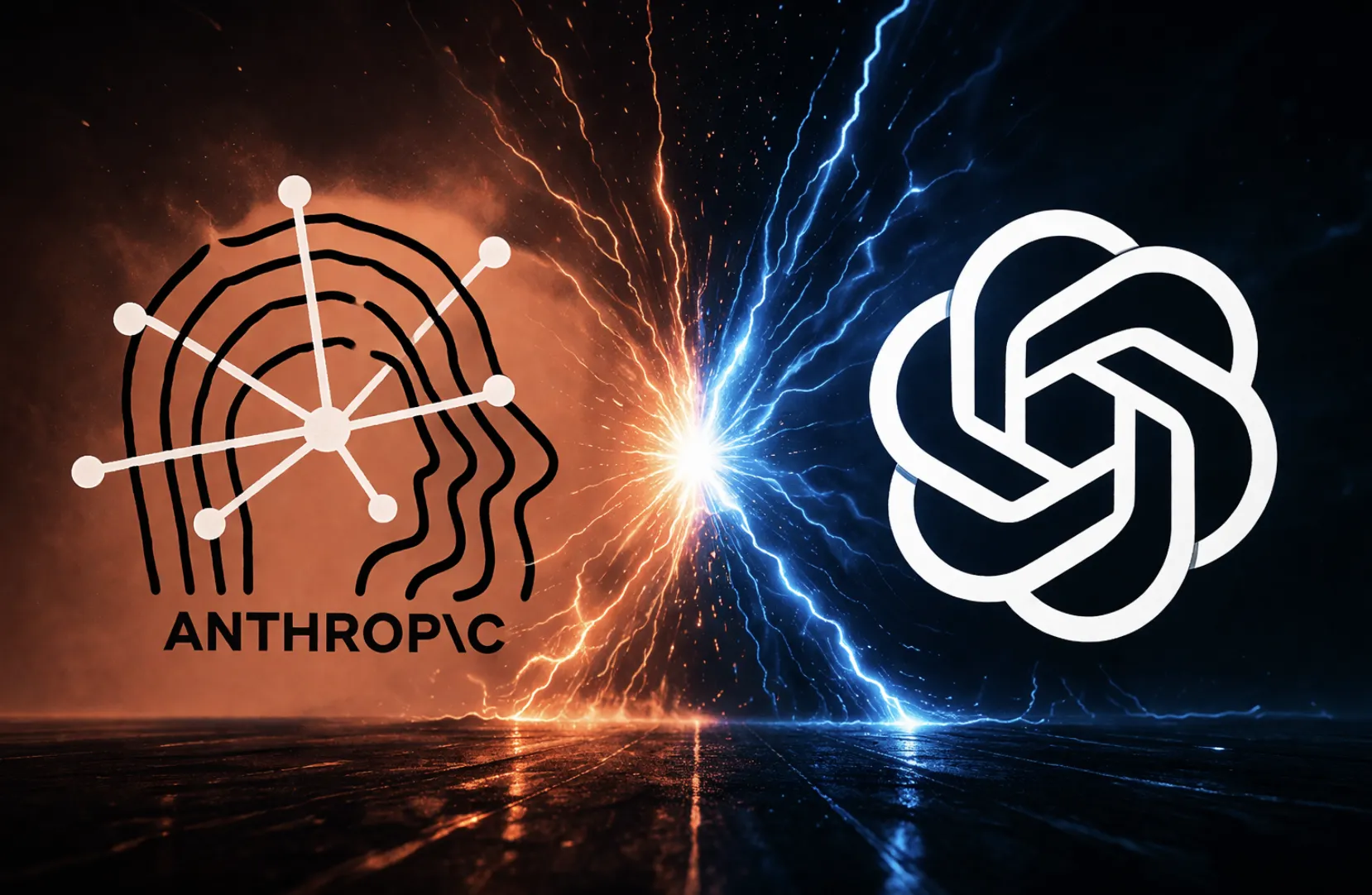
The same day, almost the same hour, the two biggest players in artificial intelligence announced an almost identical move. Anthropic announced a joint vehicle for corporate AI services with Blackstone, Hellman & Friedman and Goldman Sachs as founding partners. Hours later, Bloomberg reported that OpenAI is doing exactly the same thing - just bigger.
The numbers are different, but the logic is the same. Anthropic launched its vehicle at a 1.5 billion dollar valuation, with commitments of 300 million dollars each from Anthropic, Blackstone and Hellman & Friedman. The investor circle is the „who's who" of American financial elite - Apollo Global Management, General Atlantic, GIC, Leonard Green and Sequoia Capital.
OpenAI is going three floors higher. Their vehicle, named The Development Company, is pulling in 4 billion dollars from 19 investors at a 10 billion dollar valuation. Names on the table: TPG, Brookfield Asset Management, Advent and Bain Capital. Zero overlap between the investors of the two companies - an obvious signal that the market is splitting into camps.
The logic for both players isn't hard to decode - they're buying distribution channels. Alternative capital managers who own hundreds of portfolio companies now have an incentive to push Anthropic or OpenAI's AI services into those companies. The capital is also going into „forward-deployed engineers" - the Palantir model, where engineers sit in client offices and build tools inside the customer's own processes.
The context is what makes this day interesting. OpenAI announced at the end of March a 122 billion dollar new financing round at 852 billion dollar valuation. Anthropic is in the last stage of its round - asking for 50 billion dollars at 900 billion dollar valuation. For comparison - that's more than the combined GDP of all of Eastern Europe. Both labs believe the winner will be decided not in the models, but in distribution.
For European and Balkan readers, the question is a different one - when two players of this size are playing the same hand and have access to almost every large corporation through their investors, how do Mistral, Cohere or any regional solution survive? The answer is - mostly they don't. That's the point.
The latest 10 news from this category

An algorithm that scans photos and measures bone proportions to estimate whether you are under 13 - that is the...
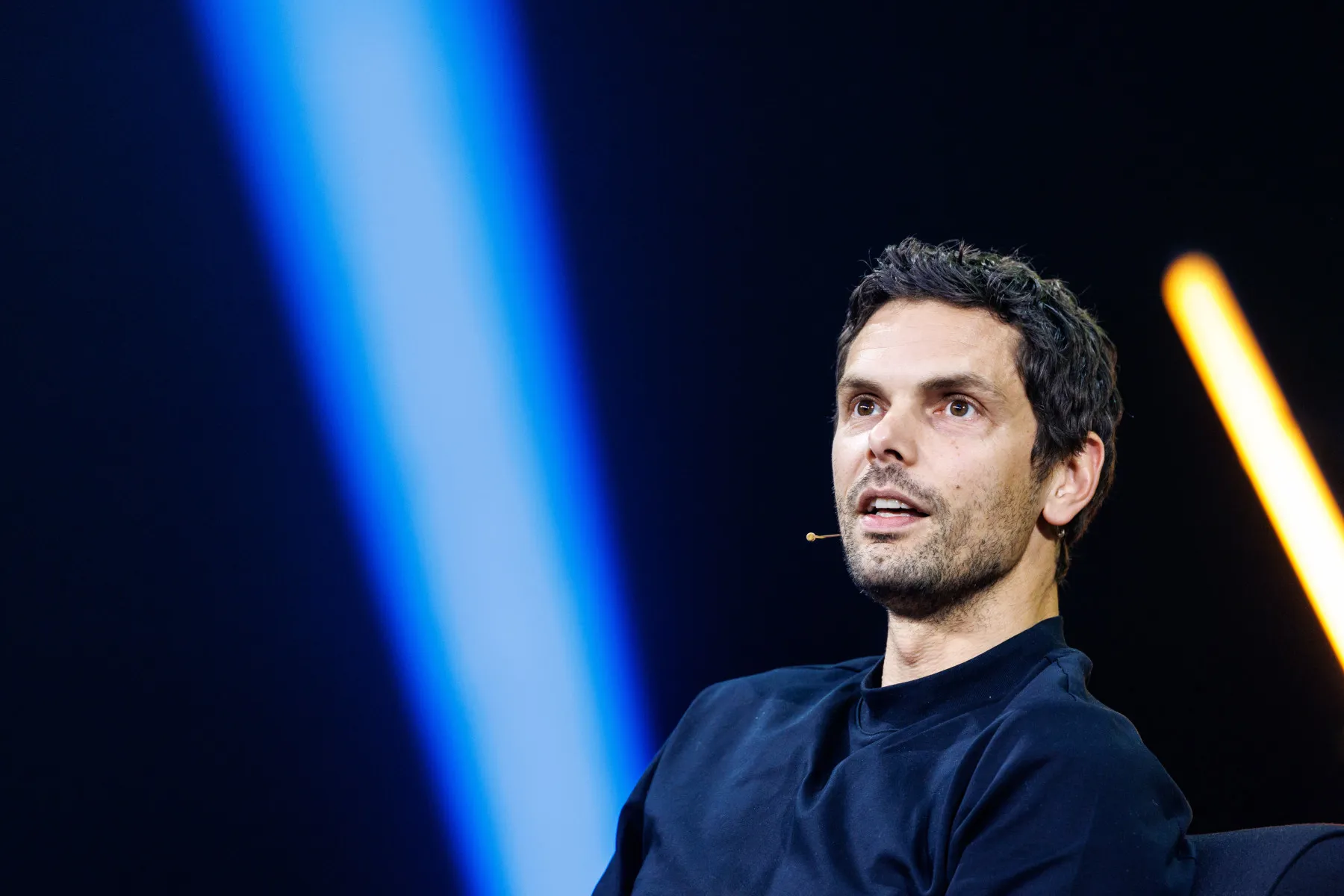
Peter Sarlin raised 25 million euros in an angel round, with no venture funds, and a clear message - we...

Germany's SAP is going aggressive in the AI race - buying a Berlin startup and committing 1 billion euros over...
The US government is warning all federal agencies to patch by May 15. Data centres, banks, public administration - everyone...
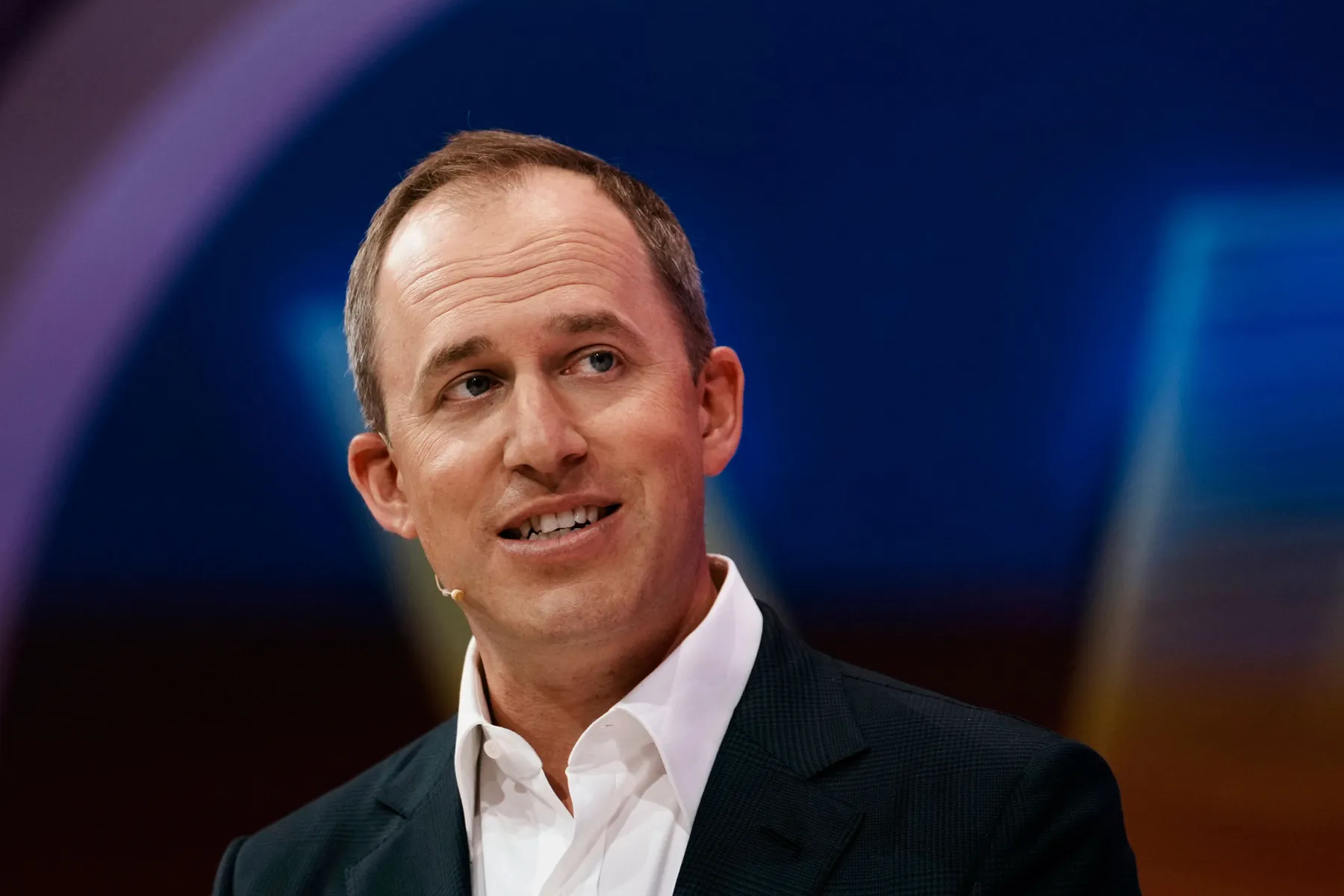
Bret Taylor's startup - former Salesforce co-CEO, now OpenAI chairman - hits 15 billion dollar valuation. Uber is already writing...
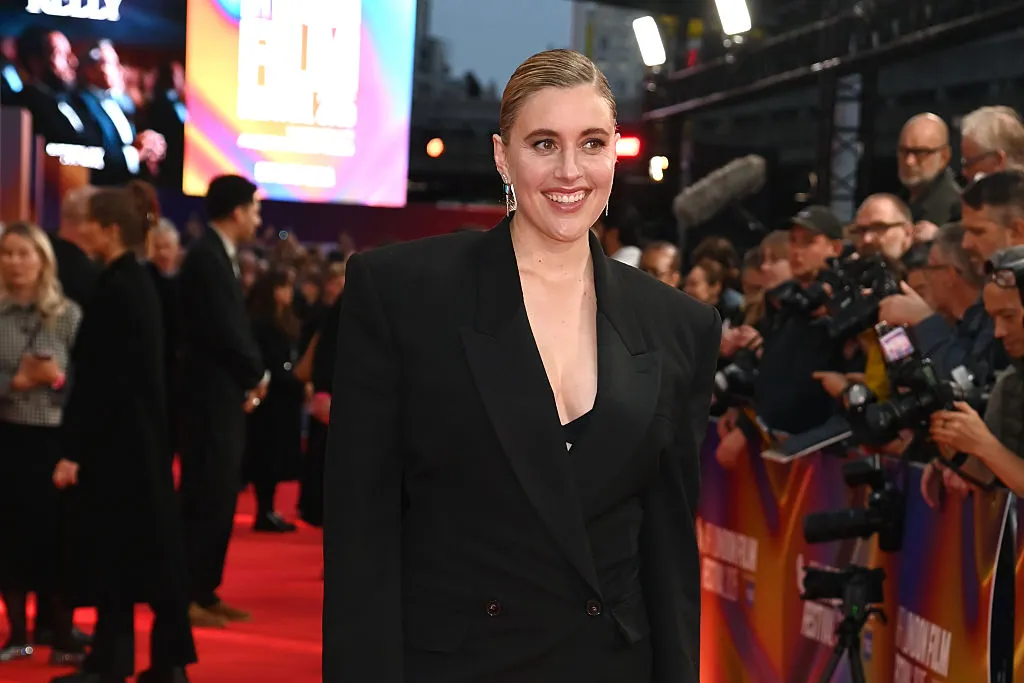
The company that was the symbol of the end of cinema is now building a full theatrical window for Daniel...
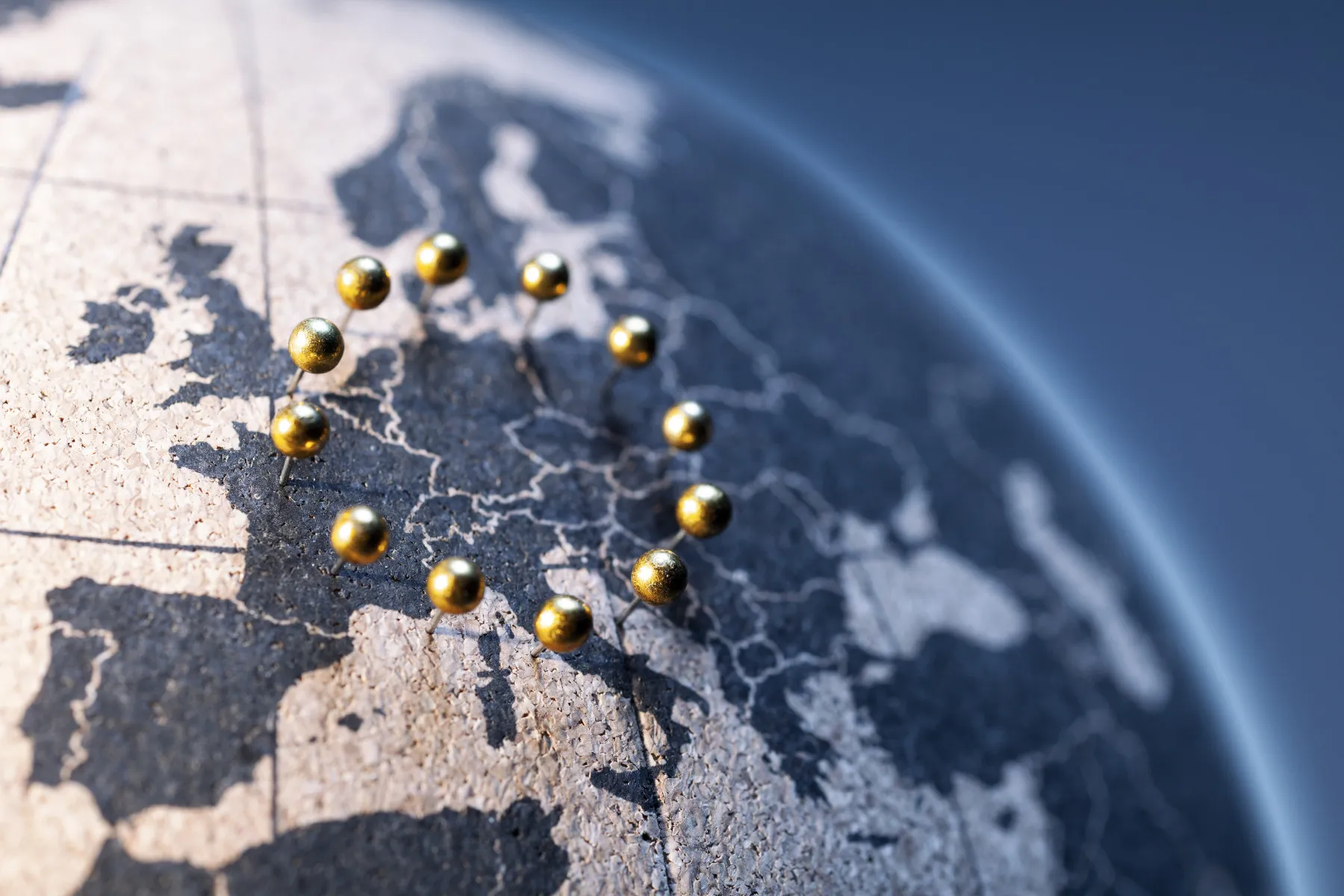
21 companies that are not Lovable and not Mistral - but might be the future of Europe's tech scene. Eastern...
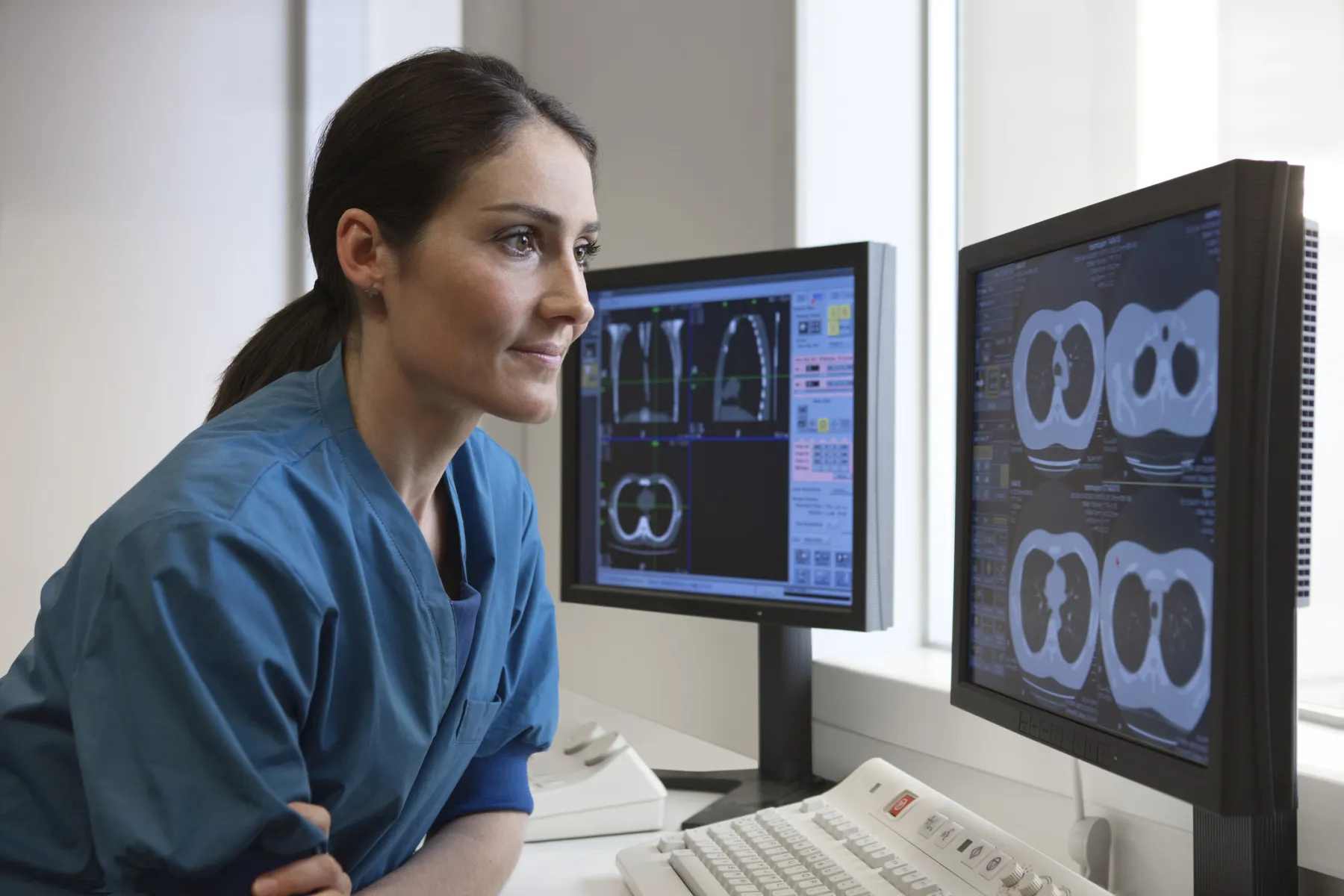
A Harvard study pits OpenAI models against doctors in emergency medicine. The numbers favour the AI - but the researchers...
Cursor (Claude Opus 4.6) decided on its own to "fix" a discrepancy. Silicon Valley is in a hurry. Users pay...
Only 20,000 people are developing AI. Fewer than 200 work on its safety. The documentary offers no answers - but...