


Two young men say police officers beat them while they were tied up: the investigation is being run by the Interior Ministry itself
10.10.2026


10.10.2026

10.10.2026

10.10.2026
10.10.2026

10.10.2026
10.10.2026

10.10.2026

10.10.2026

09.10.2026

10.10.2026

10.10.2026

09.10.2026

10.10.2026

10.10.2026

10.10.2026
10.10.2026

09.10.2026
08.10.2026

10.10.2026

10.10.2026

10.10.2026

10.10.2026

10.10.2026
09.10.2026

09.10.2026

08.10.2026

07.10.2026
10.10.2026

08.10.2026
06.10.2026

23.04.2026

23.04.2026

12.04.2026

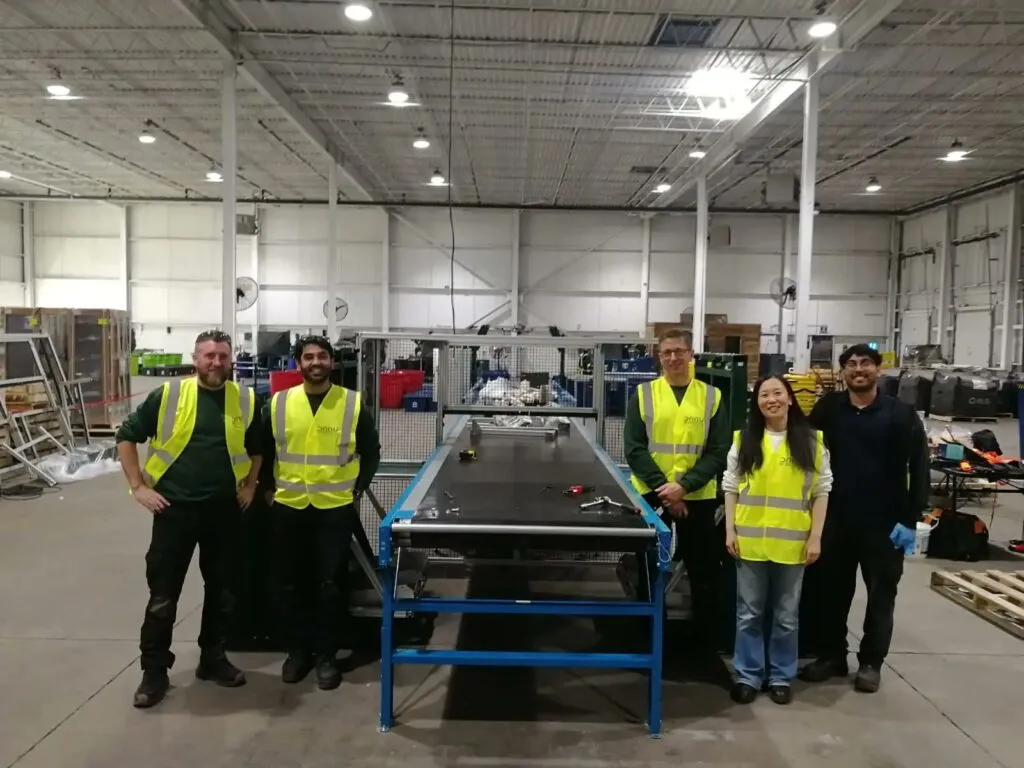
Amy Ma spent years working as a software engineer at a bank in London. An office with every perk imaginable, several kinds of recycling bins - and then she noticed that all those bins were being emptied into the ordinary rubbish. "Even though they have a lot of money, there are loads of different recycling bins that all end up in the same place," she recalls.
The deeper she dug, the bigger the problem got. It was not just her building: the economics of recycling often come down to people picking by hand through conveyor belts of waste, pulling out material that can be reused. "I saw the technology and thought - we can do so much better," Ma says.
That thought became Danu Robotics, a six-year-old company from Edinburgh, Scotland. Its robot H.E.R.O. picks up items with a gripper rather than with suction like its competitors, and the software is constantly refined using AI. The company has now raised 5 million dollars (around 4.5 million euros) in a late seed round.
The numbers on market interest should be read carefully. Danu has letters of intent from two large companies, which is not the same as a contract, and signed contracts worth 500,000 dollars (around 450,000 euros). More than 200 potential customers are on its sales pipeline, and the target market for recycling sorting in Europe and North America is estimated at 20 billion dollars (around 17.8 billion euros). The gap between half a million signed and twenty billion on paper is where most startups live.
Ma's argument is pure maths. Recycling centres make money from the material they manage to separate, so any machine that sorts more pays for itself straight away. She estimates that one plant with a robot on the line would earn an extra 485,000 dollars, against an upfront investment of 160,000 dollars and 24,000 dollars a year for maintenance. Those are her estimates, not measurements from the field - and there are already suction robots on the market from Glacier and RecycleEye.
The next step is a robot that is sturdier, smaller and mobile, so it can leave specialised plants. "When it's smaller, it can be used as a standalone recycling solution at events, in shopping centres, hospitals or airports, so waste gets recycled on the spot," Ma says. If not even a bank with lots of money managed to get its waste to where the bin said it would go, how many other colourful bins in offices and shopping centres end up emptied into the ordinary rubbish?
The latest 10 news from this category
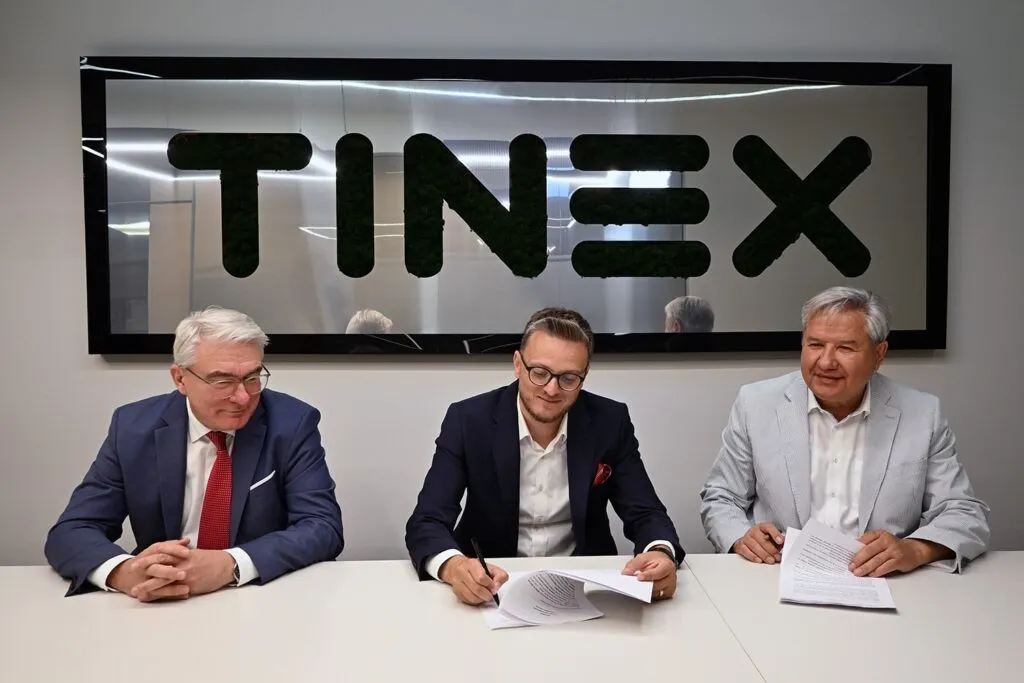
Proex International has taken over the chain the Todorović family spent 30 years building. Nobody mentions the price, but there's...
From university project to 3.1 billion dollars in three years. Arena ranks AI models, and the labs whose models it...
Nine out of ten of the fund's investments are outside the US, and Europe got 12 new investments in six...
Their first idea had no future, so the three founders torched it. The second hit over a million dollars in...
Andreessen Horowitz is leading the round, and the box promises your data stays with you alone and that it will...
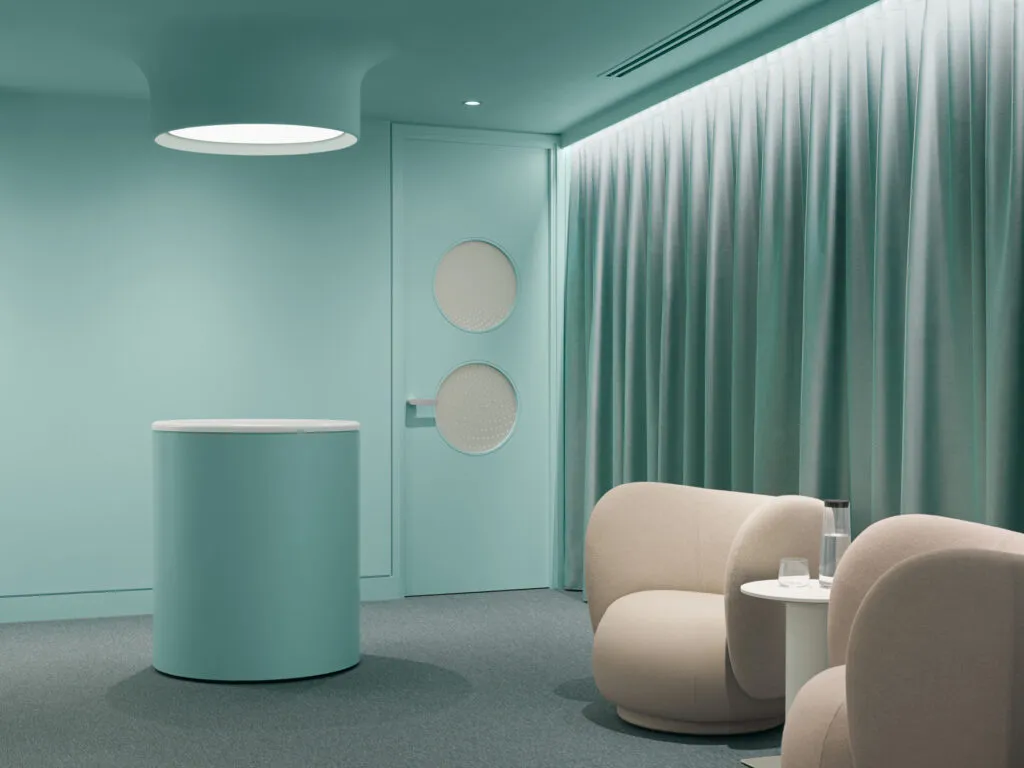
Almost a billion dollars raised, a waiting list of 300,000 people and a check-up insurance doesn't cover. Preventive medicine, or...
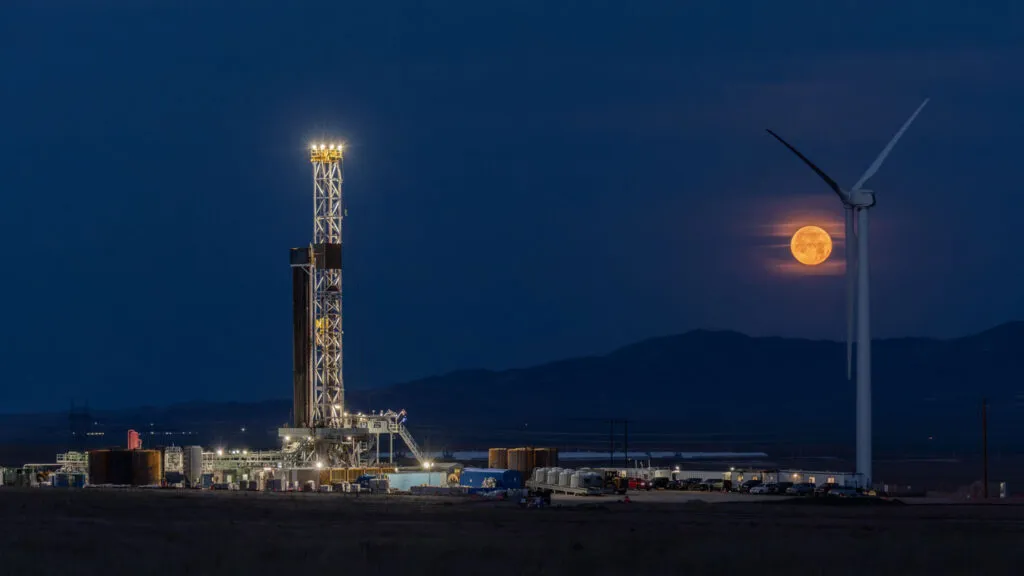
The first third of the plant is switched on, the target is 100 megawatts, and the site could reach 4...
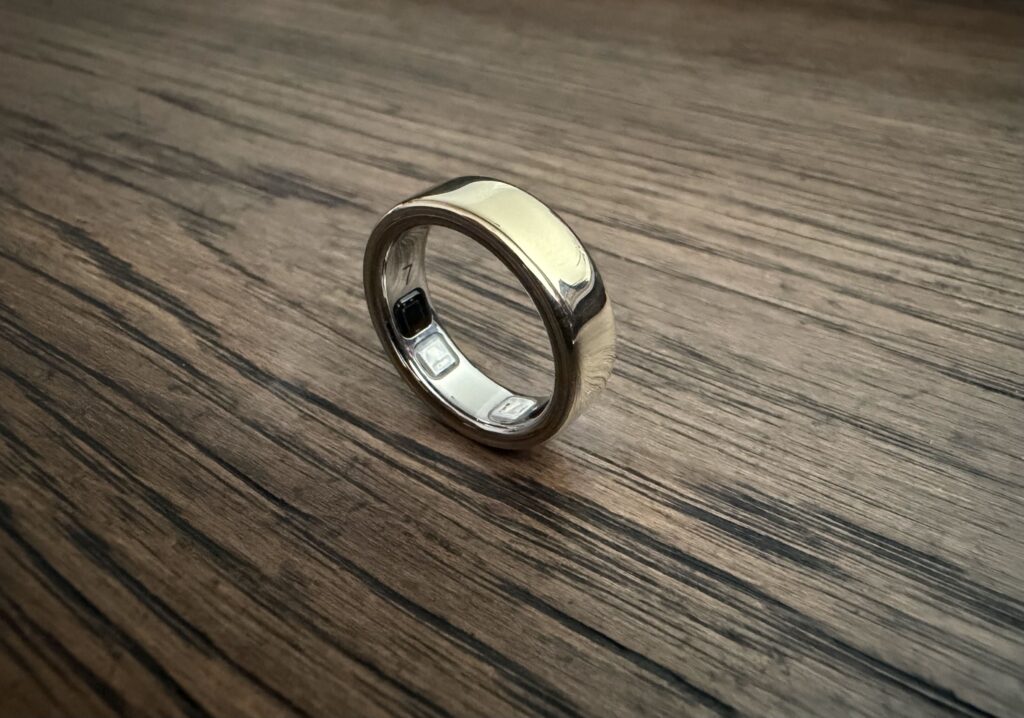
Expected revenue growth of 90 percent, 5.7 million paying members, 372 million dollars in the bank - and yet the...
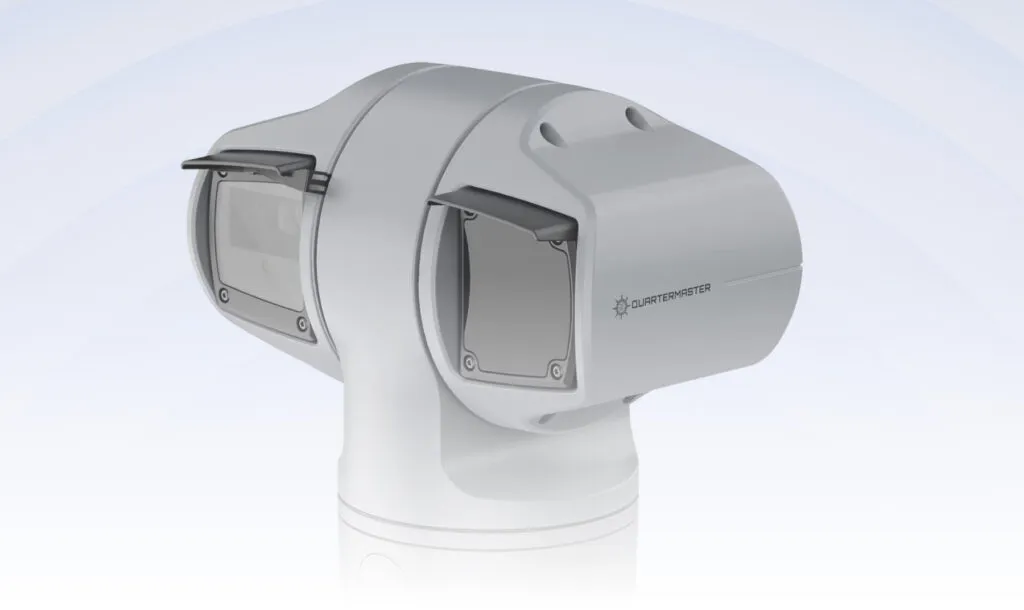
For decades, ships have reported only with a location signal. Now someone is putting eyes on the mast - and...
One manager had to ask for special permission to pay staff more after a fast-food restaurant across the street took...
This site uses cookies - is that okay? Learn more
Be the first to know when Metla launches something new
Leave your email and we will write when there is a new guide or something new on Metla.

