
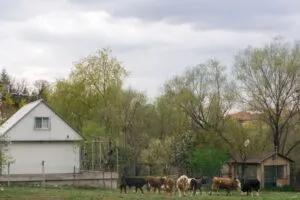
Kriva Palanka: 104 Police Reports Against the Family with the Cows - and Now a Woman with a Broken Leg
24.11.2026


24.11.2026
24.11.2026

24.11.2026
24.11.2026

24.11.2026

24.11.2026
24.11.2026

23.11.2026

22.11.2026
24.11.2026

24.11.2026

23.11.2026
24.11.2026

24.11.2026

24.11.2026
24.11.2026

23.11.2026

22.11.2026

24.11.2026

23.11.2026

22.11.2026

24.11.2026

23.11.2026

23.11.2026

24.11.2026
23.11.2026

23.11.2026

23.04.2026

23.04.2026

12.04.2026

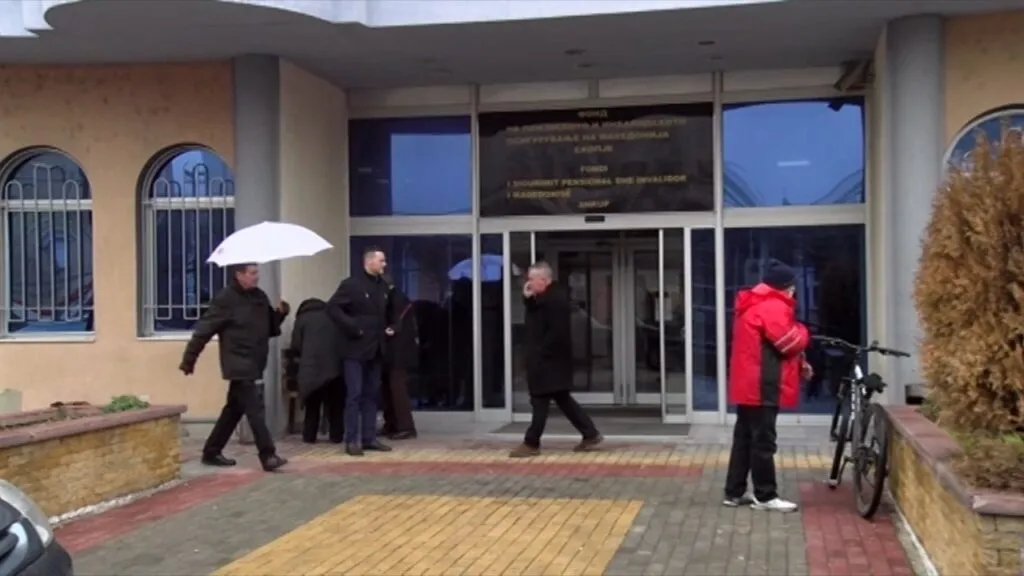
The draft is published on ENER, the national e-consultation portal, and it contains one article that set off the whole debate. Article 17 of the proposed amendments to the Law on Pension and Disability Insurance provides for deleting Article 120 of the current law - precisely the one that sets the contribution rate going into the second pension pillar. Citizens and interested parties have 17 days to submit comments.
The Minister of Social Policy, Demography and Youth, Gjoko Velkovski, hurried to calm things down: "The second pension pillar is not being abolished. The proposed amendments to the Law on Pension and Disability Insurance abolish neither the second pension pillar nor the contribution paid into it." According to him, this is a legal and technical alignment - the provision moves into the Law on Mandatory Social Insurance Contributions, as a new Article 25-a.
For now, the numbers look like this. The total pension and disability insurance contribution is 19.9 percent of the base, of which six percentage points go into the second pillar and 13.9 into the state fund. The new Article 25-a, which is supposed to carry over the six percent rate, has not been published yet and there is no date for when it will be. The old rule has been proposed for deletion, and the new one doesn't exist on paper yet.
Then Prime Minister Hristijan Mickoski spoke up in a TV interview. He said the article "absolutely exists" and that the second pillar stays - but in the same interview he listed everything that is being considered. Nationalisation, which, as he put it, he personally supports least. A temporary halt to the mandatory payment and moving the money into the state pillar, as the Baltic states did during the Covid crisis. Cutting the percentage, for example from 6 to 5, 4 or 3 percent. Or voluntary payments into both the state and the private pillar. He didn't rule out a hybrid solution either, and the final model, he says, will be chosen after a public debate and will go through Parliament.
If nothing is changing, why are so many scenarios on the table? And if something is changing, why does the minister call it a technical alignment? Both statements can only be true at the same time if deleting Article 120 really is just a move, and the real reform is still to come.
The opposition SDSM claims this is "the definitive demolition of the second pension pillar" and that the savings of more than 650,000 citizens who are members are at risk. The party repeats that the Pension and Disability Insurance Fund is short of nearly one billion euros and that in recent months the fund failed to transfer about 50 million euros into the second pillar. Mickoski, for his part, admitted that payments to the pension companies are late - now by up to 45 days, compared with 180 days before - and promised to bring that under one month, which is the European standard.
For most employees, the second pillar is the only savings account they fill by force of law, without ever touching it. That is why the question isn't technical. Every scenario the prime minister listed has one common denominator - where those six percent will end up. The public debate will show whether citizens get a real say, or just a 17-day window for comments.
The latest 10 news from this category
The regulator has new requests on its desk to raise heating prices, and an electricity increase is being announced too....

Europe is introducing a common cash ceiling against money laundering. Macedonian law has required everything from 1,000 euros up to...
Two weeks ago he left over a relationship with a woman suspected of spying for China. Today he is back,...

Tell the bot what you believe and it will invest your money. Investors have already put 20 million dollars into...
The company's emissions more than doubled in four years, and there is no new net-zero deadline. A voluntary target, it...

The SecuriMeter 2026 survey measures the empty rainy-day fund and the packed suitcase in one poll. Fewer citizens than the...

Six extensions, no reason given, contracts by email and Sunday shifts in bakeries. The country the Balkans have headed to...
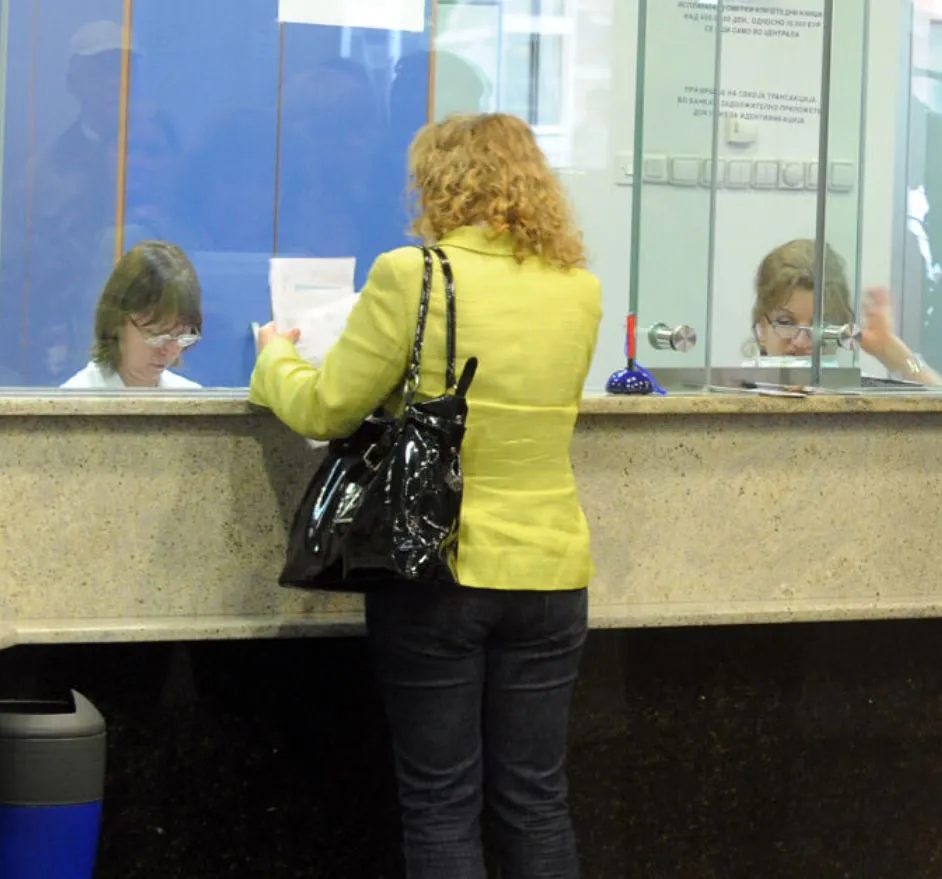
Three forgotten accounts at three banks easily add up to 3,600 denars a year. The law offers a basic account...
The measure is called perplexity, and Sam Altman called the post the most important thing OpenAI has published lately. The...
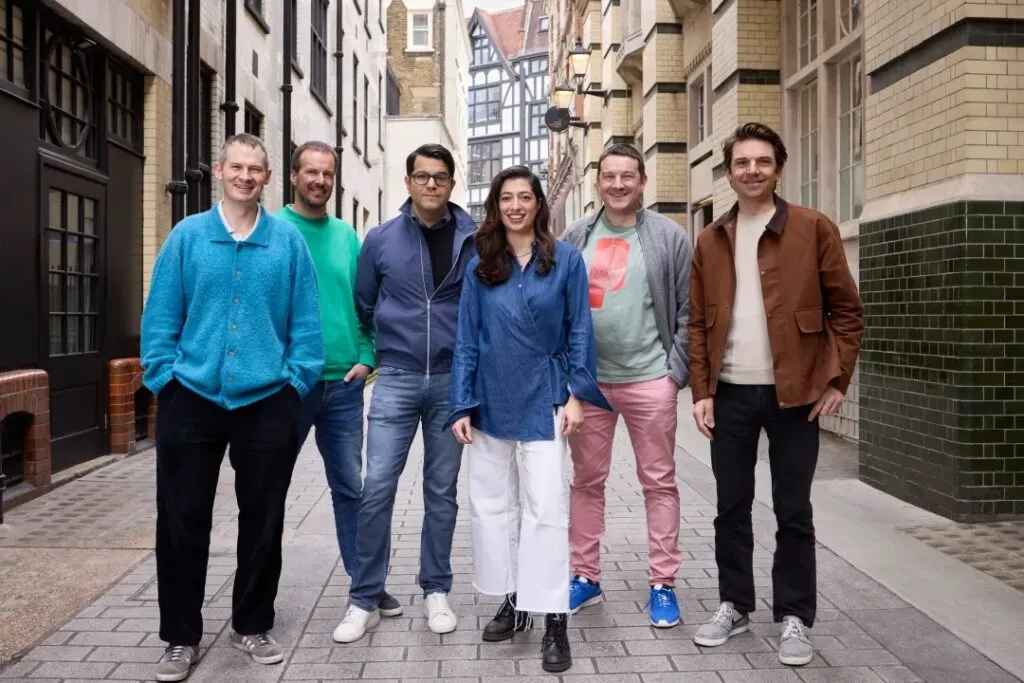
The fund with an office in Tallinn invests in fusion, space and rockets, and openly measures urgency by distance from...
This site uses cookies - is that okay? Learn more
Be the first to know when Metla launches something new
Leave your email and we'll write to you when there's a new guide or something new on Metla.





