
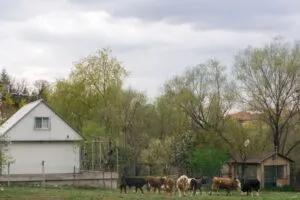
Kriva Palanka: 104 Police Reports Against the Family with the Cows - and Now a Woman with a Broken Leg
24.11.2026


24.11.2026
24.11.2026
24.11.2026
24.11.2026

24.11.2026

24.11.2026
24.11.2026

23.11.2026

22.11.2026
24.11.2026
24.11.2026

23.11.2026
24.11.2026
24.11.2026

24.11.2026
24.11.2026

23.11.2026

22.11.2026

24.11.2026

23.11.2026
22.11.2026

24.11.2026

23.11.2026

23.11.2026
24.11.2026
23.11.2026

23.11.2026

23.04.2026

23.04.2026

12.04.2026


According to Levica, Article 2 of the Law on Subsidised Student Meals explicitly provides that the amount is adjusted to the inflation rate after every fiscal year, before the budget for the next one is adopted. Education and Science Minister Vesna Janevska, speaking on television, offered a different reading: the law, she said, never specified who is supposed to carry out the adjustment. So the ministry will wait for the competent court to rule on the lawsuits filed by a student NGO and the Liberal Democratic Party.
Levica hit back hard. The party claims students have been shortchanged by about 400 million denars (some 6.5 million euros) because of the missing adjustment - a figure it first published back in August - and points out that Articles 3 and 13-a put precisely the ministry in charge of supervising how the law is implemented. "Since when is obeying the law in Macedonia a matter of ministers' goodwill, and since when are citizens obliged to take ministers to court to make them do their job?" the party asks.
If a minister says it is unclear who is responsible for a law whose implementation her own ministry supervises, is that an admission or an excuse? Either way, the ones left waiting are the students. And how long the court case will take, nobody is saying.
Levica says that in September it proposed legal amendments to raise the subsidised meal, which the majority rejected, as well as an amendment raising the meal subsidy in the revised 2026 budget. The party filed a lawsuit with the Administrative Court and a complaint with the Ombudsman over the ministry's inaction, and is now filing an amendment again, this time to the draft budget for 2027.
"Students are not obliged to finance the government's budgetary comfort with their own hunger, nor to wait for a court ruling to get a decent meal," Levica says.
The opposition has its own interest in keeping the topic alive, that much is clear. But the question it raises is a legal one, not a partisan one: if the law requires an adjustment every year and there has been no adjustment, who broke the law? And will anyone answer for it before students have to go to court over their own meals?
The latest 10 news from this category
Ten years is enough for any politician, says the leader. There is no challenger, the leadership won't let him go,...
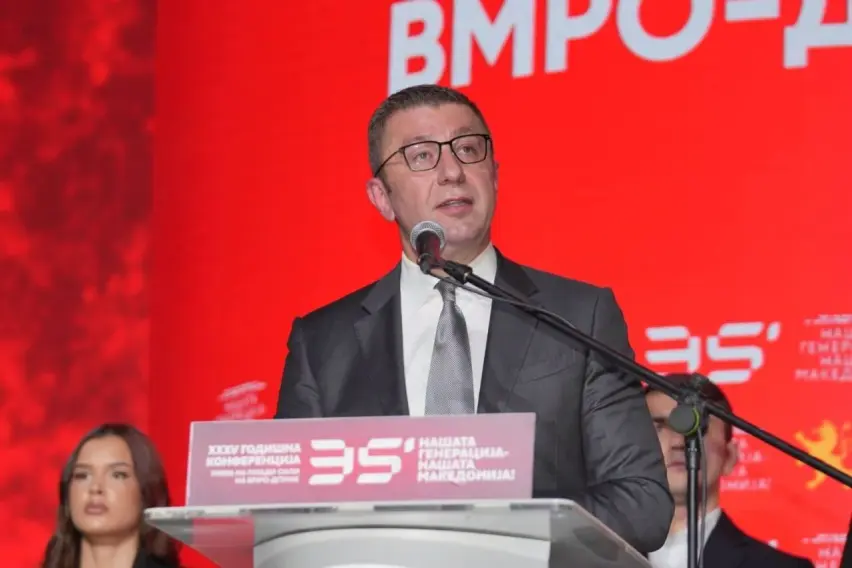
The announcement at the party conference sounds like an answer to the housing crisis. Between the podium and the key...

A protest in the street after a new case from Bitola, an amendment voted down in parliament. Reports will now...

Seven months of reports, court protection orders, then murder. The indictment reached nine officers on the lowest rung - the...

The minister says there's no retroactivity, just a law that hadn't been applied until now. And why wasn't it applied?...

On the Constitution's 35th anniversary, the president counted the changes and told MPs they vote by their own conviction. It's...

The international community brokered 21 of the 36 amendments. The president wants guarantees that the next change won't be just...

One break was requested by DUI, the other by the ruling ZNAM, and the opposition was left without a single...
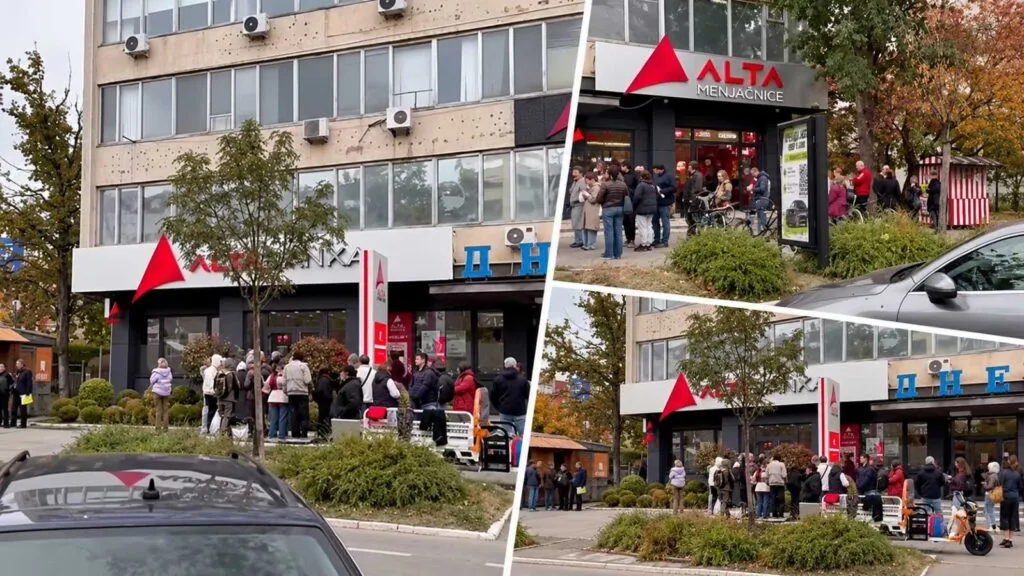
Vredi pulls out Artan Grubi's signature, SDSM says it's about 1.85 percent of Mijalkov's confiscated shares, and DUI calls the...
Parliament has passed changes that double the thresholds for purchases without a tender and triple the cost of an appeal....
This site uses cookies - is that okay? Learn more
Be the first to know when Metla launches something new
Leave your email and we'll write to you when there's a new guide or something new on Metla.





