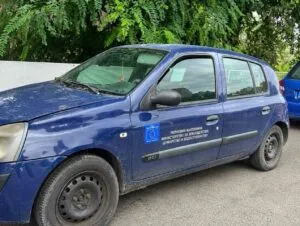
Food safety inspector detained in Skopje: a clean inspection report allegedly came with a price tag
25.09.2026


25.09.2026

25.09.2026
25.09.2026

25.09.2026

25.09.2026

25.09.2026
25.09.2026

24.09.2026

23.09.2026

25.09.2026

25.09.2026

24.09.2026

25.09.2026

25.09.2026

25.09.2026

25.09.2026

24.09.2026

23.09.2026

25.09.2026

25.09.2026

25.09.2026

25.09.2026

25.09.2026
24.09.2026

09.03.2026

27.02.2026

19.02.2026

25.09.2026
24.09.2026

23.09.2026

23.04.2026

23.04.2026

12.04.2026

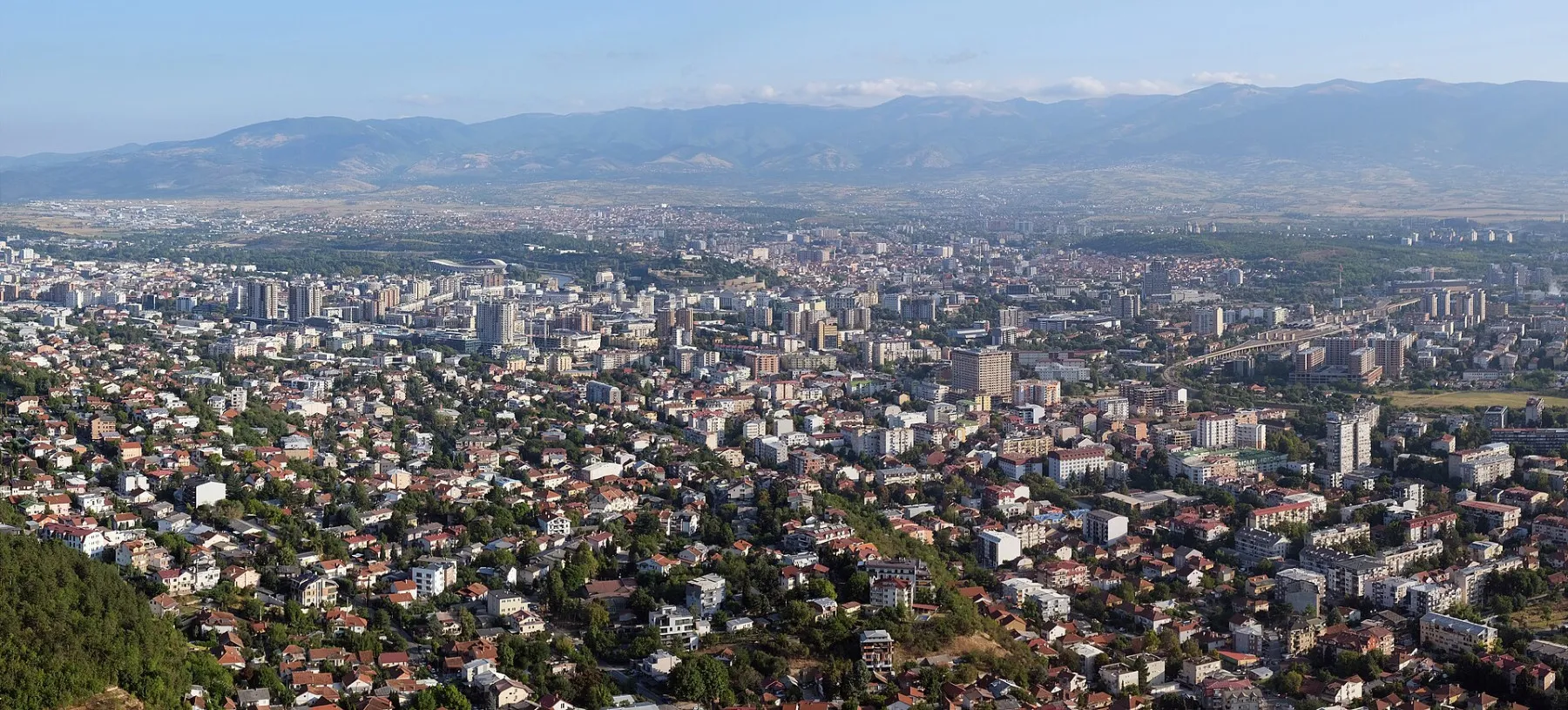
At 21:54 on 2 August, Skopje shook. Briefly, but enough to be felt. The Seismological Observatory at the Faculty of Natural Sciences and Mathematics reported an earthquake with a local magnitude of 2.5 on the Richter scale, with its epicentre in the Skopje epicentral zone.
Residents of Skopje and the surrounding area felt it at an intensity of III to IV on the European Macroseismic Scale. No injuries and no material damage were reported.
Magnitude and intensity are not the same - and that is where the panic starts
Two numbers in the same text are easily confused. Magnitude describes the energy of the earthquake itself and is a single figure for the entire event. Intensity shows how the tremor was felt at a given location and what effects it produced - so it varies across different parts of the city.
That is why "2.5" and "III to IV" are not contradictory. This was a weak earthquake that some people felt as a brief sway, a vibration or a sound.
According to the European-Mediterranean Seismological Centre, the tremor occurred at 21:53, with its epicentre roughly 11 kilometres northeast of Skopje at a depth of 15 kilometres, in the border region between Kosovo, Serbia and Macedonia. The one-minute discrepancy and the difference in location between the two institutions is normal - preliminary locations get corrected.
In Skopje, the word "earthquake" is never just a news item
In another city, a magnitude 2.5 tremor would stay a short evening bulletin. Not here. The city's collective memory returns to 26 July 1963 every time something shakes - even though there is no comparison between that catastrophe and tonight's weak tremor, not in force, not in consequences, not in scale.
It is precisely that sensitivity that fills the first minutes after any tremor with phone calls, messages and checks on whether other people felt it too. That is an understandable reaction. What is problematic is what fills the vacuum in the meantime - unverified posts, mistranslated figures and headlines that confuse magnitude with intensity.
The observatory published the information, and it is accurate. The responsible institution continues monitoring seismic activity. With natural phenomena, accuracy beats panic - and that is the one thing each of us can control the next time the glasses rattle in the cabinet.
The latest 10 news from this category
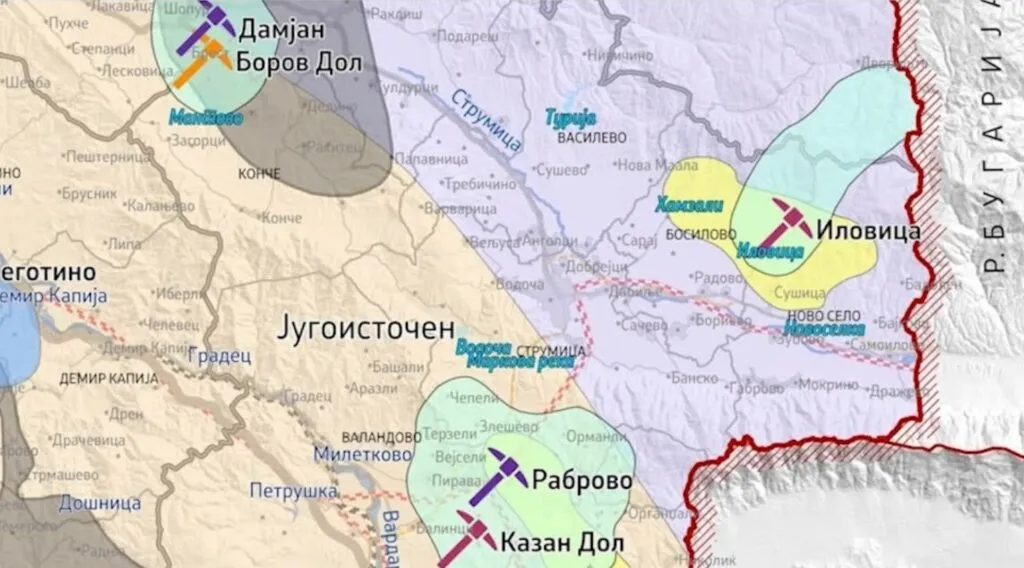
Ilovica-Shtuka, Kazandol, Plavica, Kadiica and Luke are on page 187. The ministry says it's only a draft. But if the...

The dogs were caught, but they're not at the shelter. Animal rights group Anima Mundi is demanding records from the...

The city transport company and the universities will swap data between themselves - no more queues at the ticket office....
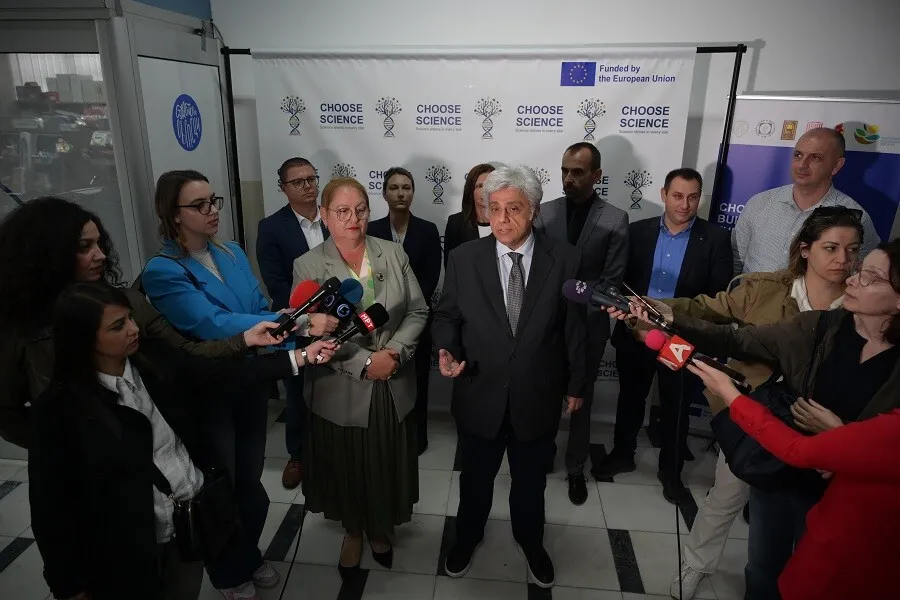
More than 85 free activities in four cities and a fresh budget figure. Is one night enough to make young...
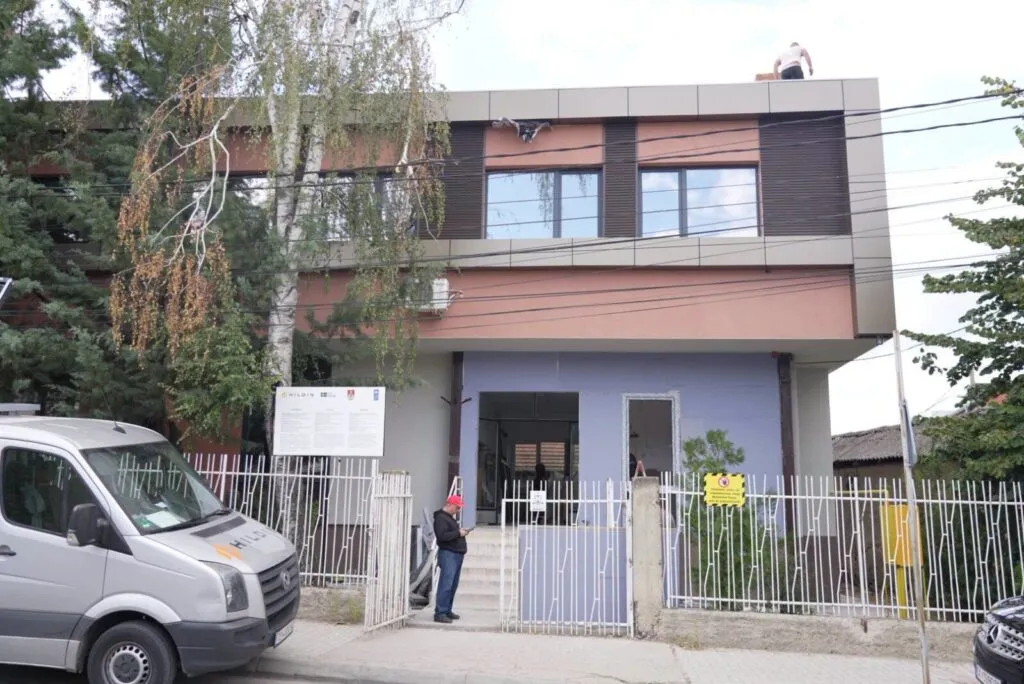
The roof is fixed, the facade is being replaced, the hydrants are in. The municipality's self-congratulation is missing just one...
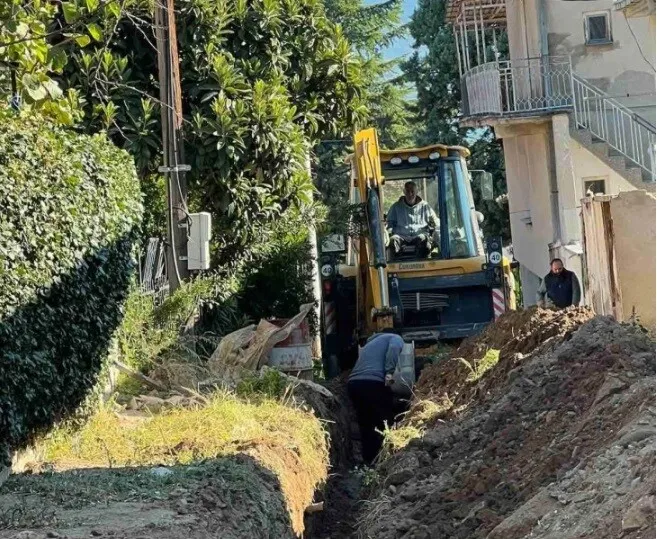
The new pipes go exactly where things kept bursting. How long residents waited for steady pressure at the tap -...

The square metres and parking spaces were announced down to the last one. How many people will be hired and...

The mayors offered a "favourable business climate" and raw materials. The only concrete thing to come out of the meetings...
Home-address checks are being announced with the police as a partner, while the health minister admits that monitoring where sick...
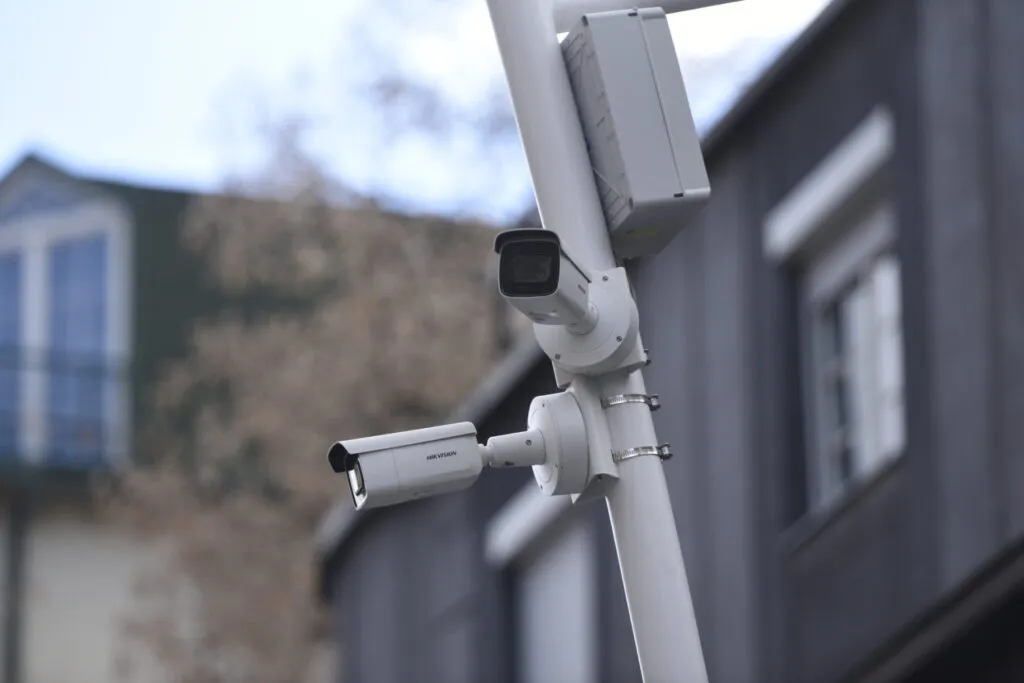
The city has announced round-the-clock video surveillance against illegal dumps and vandals, and the cameras haven't even been bought yet....
This site uses cookies - is that okay? Learn more
Be the first to know when Metla launches something new
Leave your email and we will write when there is a new guide or something new on Metla.