

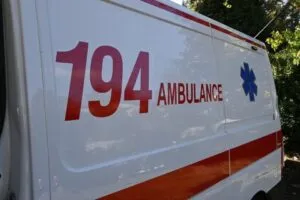
Studeničani: 35-year-old dies after being electrocuted while washing his car with a pressure washer
18.09.2026


18.09.2026
18.09.2026

18.09.2026

18.09.2026

18.09.2026
18.09.2026
18.09.2026

17.09.2026
16.09.2026
18.09.2026

18.09.2026

17.09.2026

18.09.2026

18.09.2026

18.09.2026
18.09.2026
17.09.2026

16.09.2026

18.09.2026

18.09.2026
18.09.2026

18.09.2026

17.09.2026

17.09.2026

09.03.2026

27.02.2026

19.02.2026

18.09.2026
17.09.2026
16.09.2026

23.04.2026

23.04.2026

12.04.2026

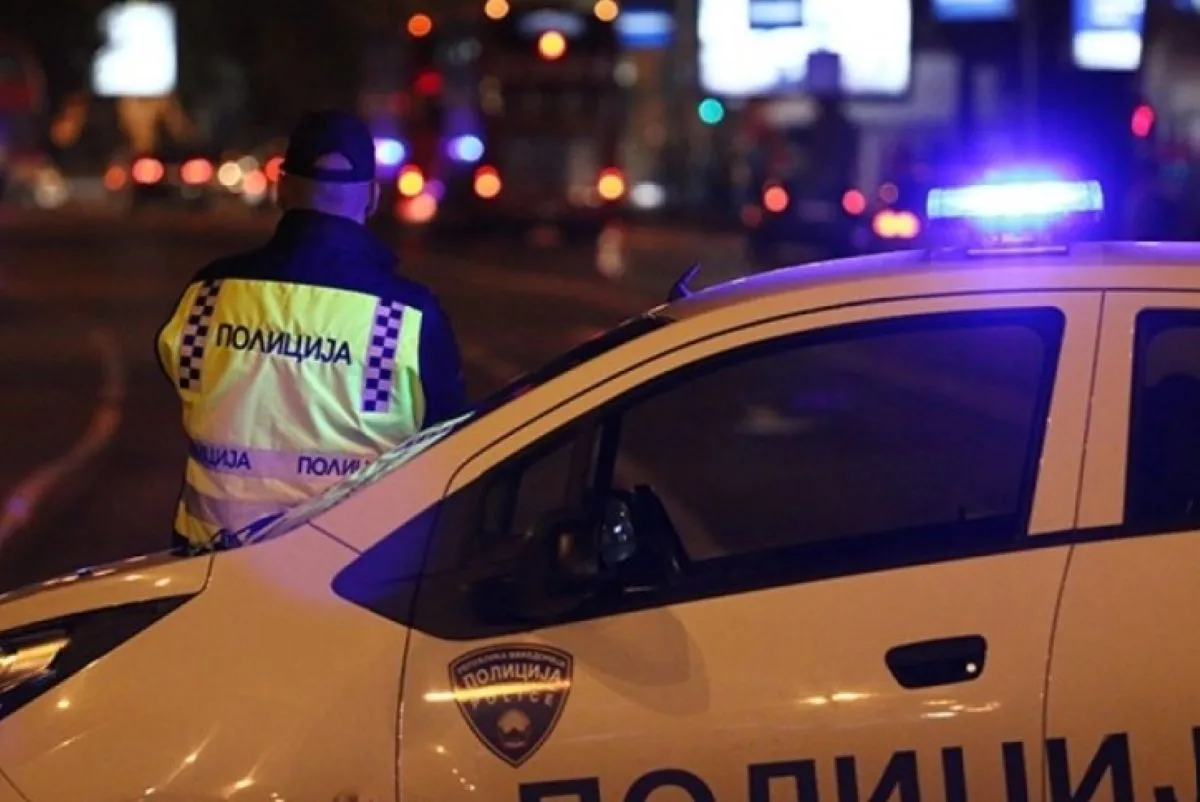
A wave of fake bomb threats is shaking the Balkans. Warnings in Skopje, Belgrade, Zagreb, Sarajevo, Podgorica, Ljubljana - almost simultaneously, almost identical in form, almost identical in result: evacuations, chaos, frightened citizens, no bomb. Investigators are increasingly talking about a coordinated strategy, not random incidents.
The messages arrive by email through VPN addresses registered in different countries. Tracing them is extremely difficult - multiple layers of encryption, multiple servers, multiple jurisdictions. This is not the work of a teenager trying to skip an exam. The level of technical complexity points to organisation.
What are the possible goals? Destabilisation of public space at minimal cost. Hybrid pressure linked to geopolitical tensions. A copycat effect. Or - a combination of all three. Security services across the region are sharing intelligence, but so far without a publicly named source.
For Macedonia, this comes at a moment when institutions are already stretched. Every false alarm ties up police resources, disrupts working hours, frightens citizens. Does a coordinated digital network exist? We may not know yet. But we know that someone clearly considers the Balkans an easy target.
The latest 10 news from this category

Rič, Popčevo, Belotino and Veljusa left without drinking water after an emergency inspection. The two findings travel together, and that...
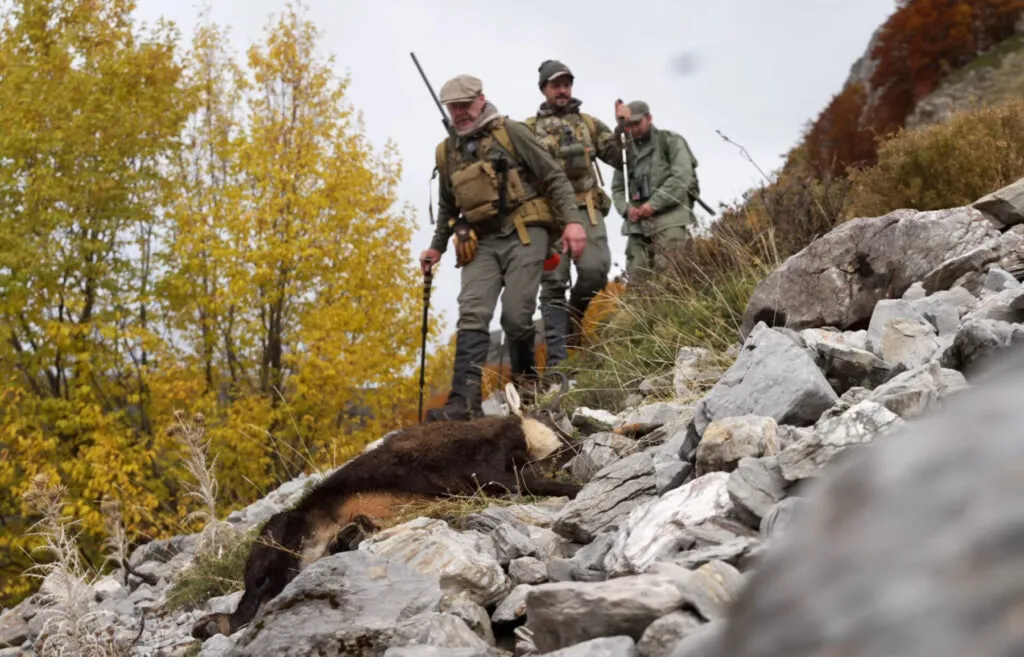
The Balkan chamois is strictly protected under the Bern Convention. The hunting is legal because Mavrovo has been waiting more...
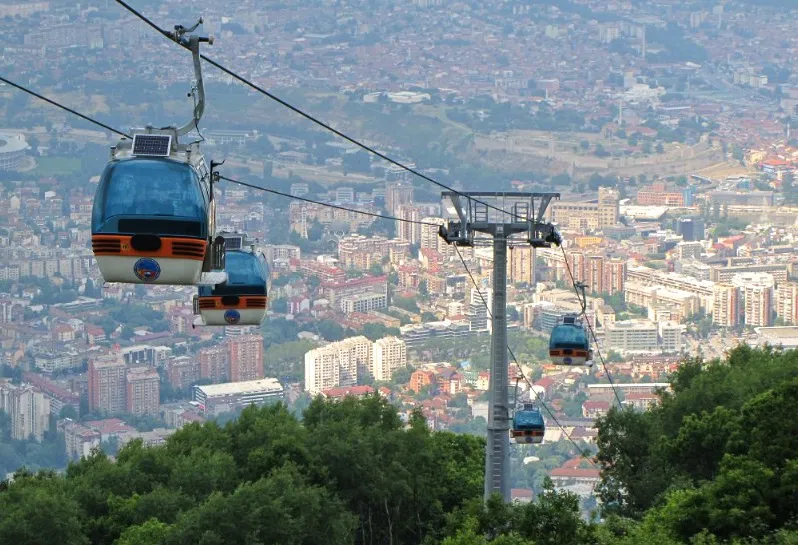
Three of the four sensors were not working, the cables were worn beyond the safety minimum. A state inspection last...
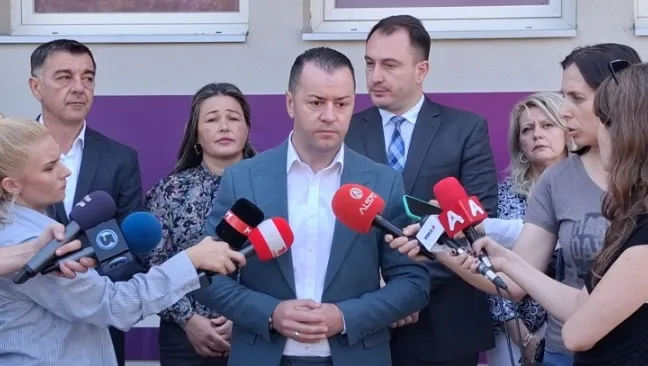
Stefkovski is introducing this after Mucunski. The Constitution applies to the whole country, yet the rule is being made municipality...
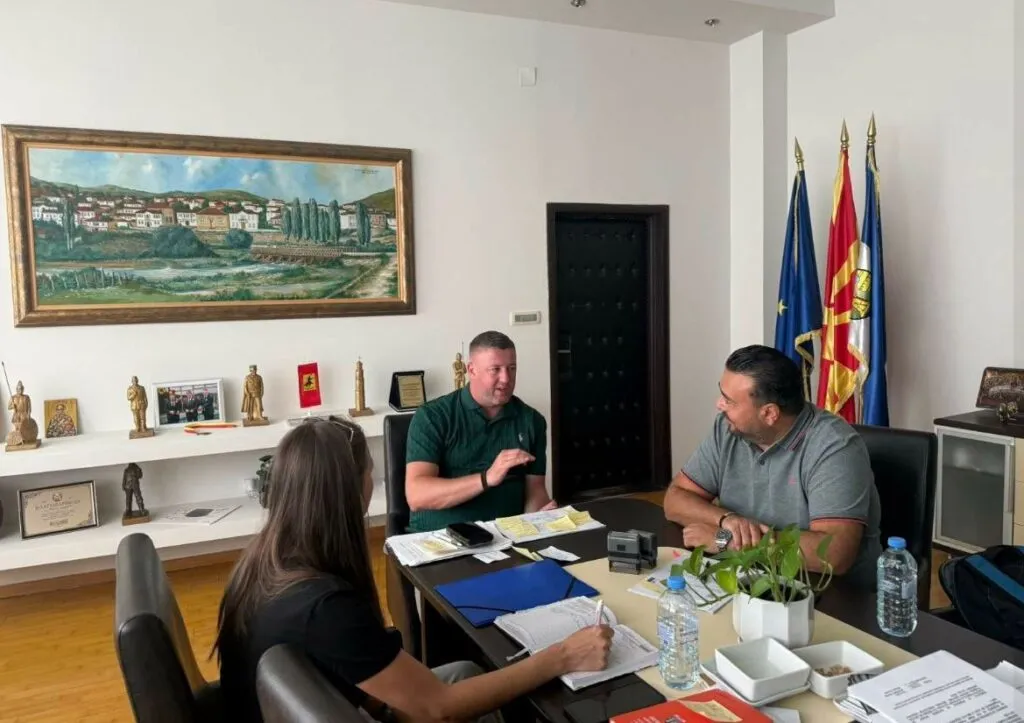
If the full deadline is used, the document arrives in autumn 2027. Realistically, the first paid parking space is not...
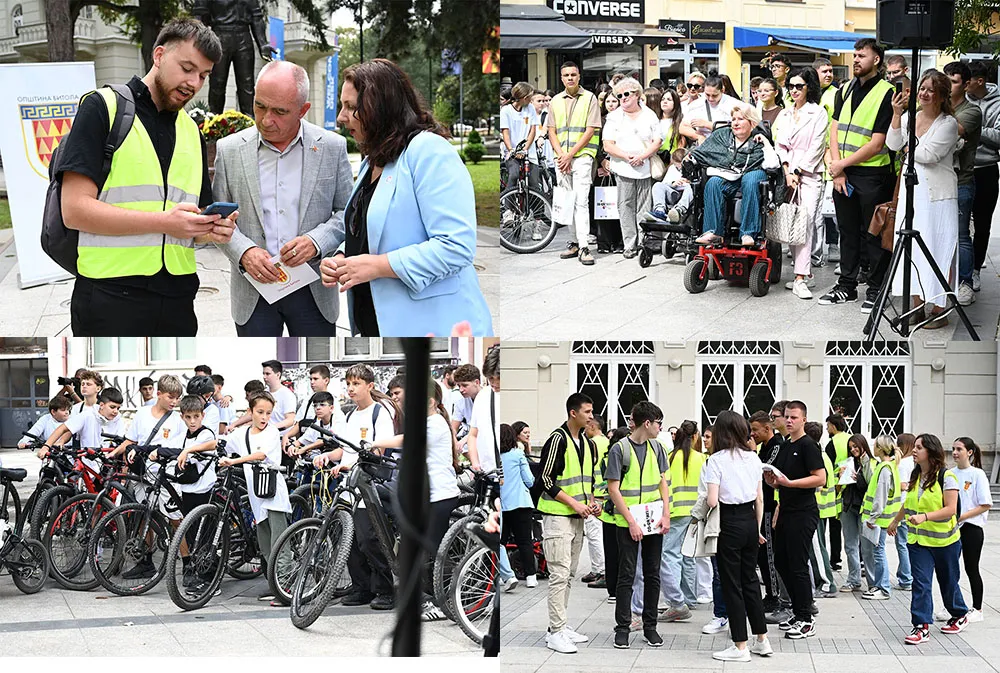
European Mobility Week ended with data carrying an exact location, not with a survey. The map will later show how...
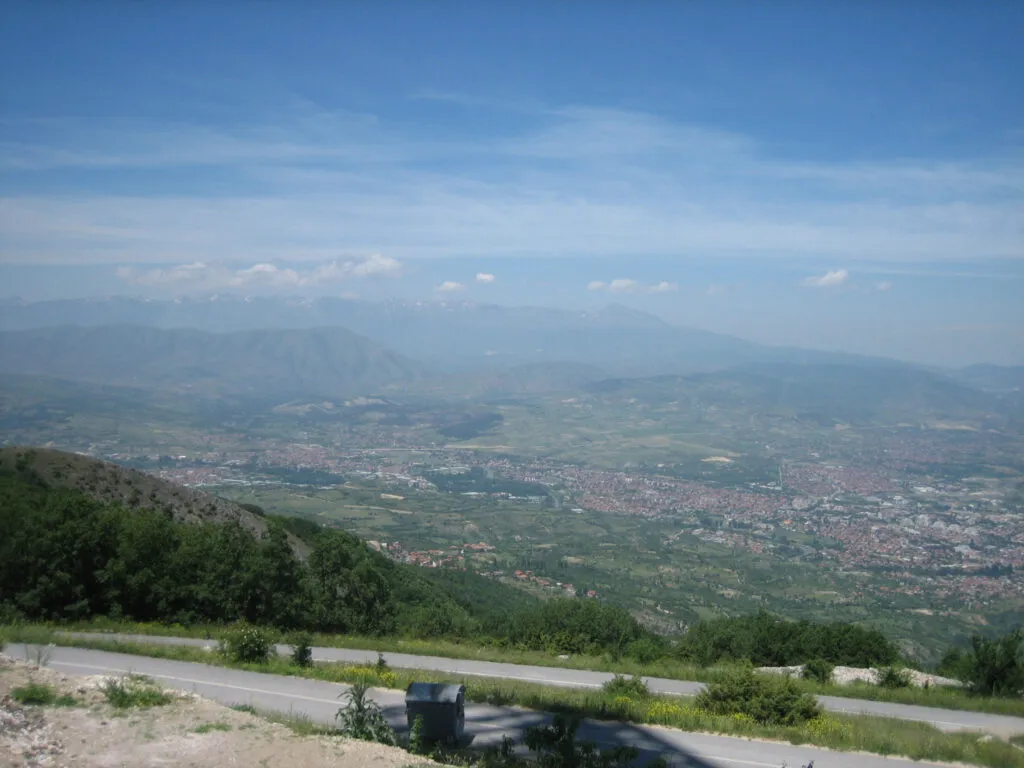
The municipality says a third less construction than the old plan. Measured against what stands on the slope today, it...
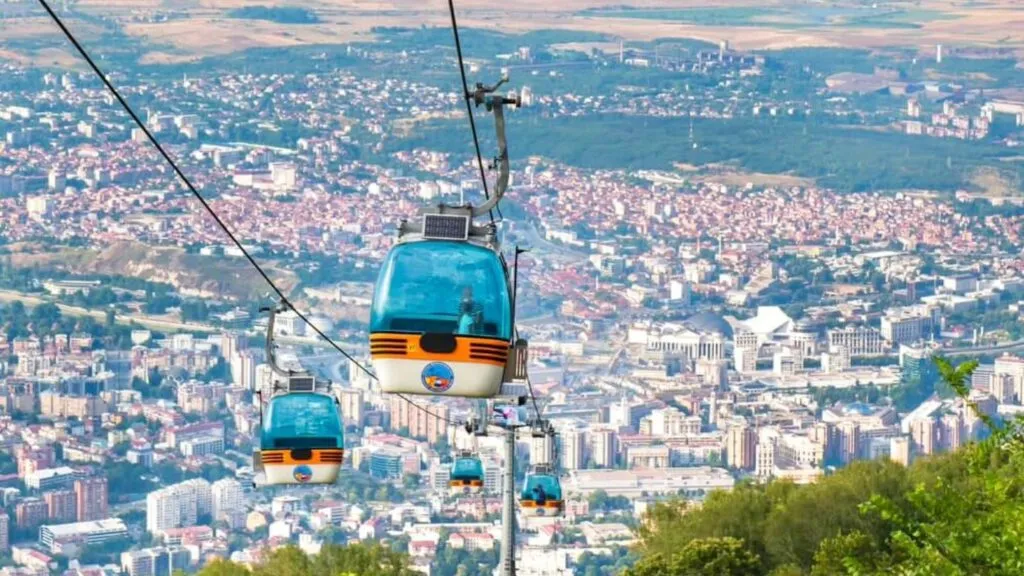
The mayor says the cable car was one step away from tragedy. The manufacturer's report found worn-out parts and dead...

One ticket for both train and bus by the middle of next year, 40 new eco-friendly buses, waits under six...
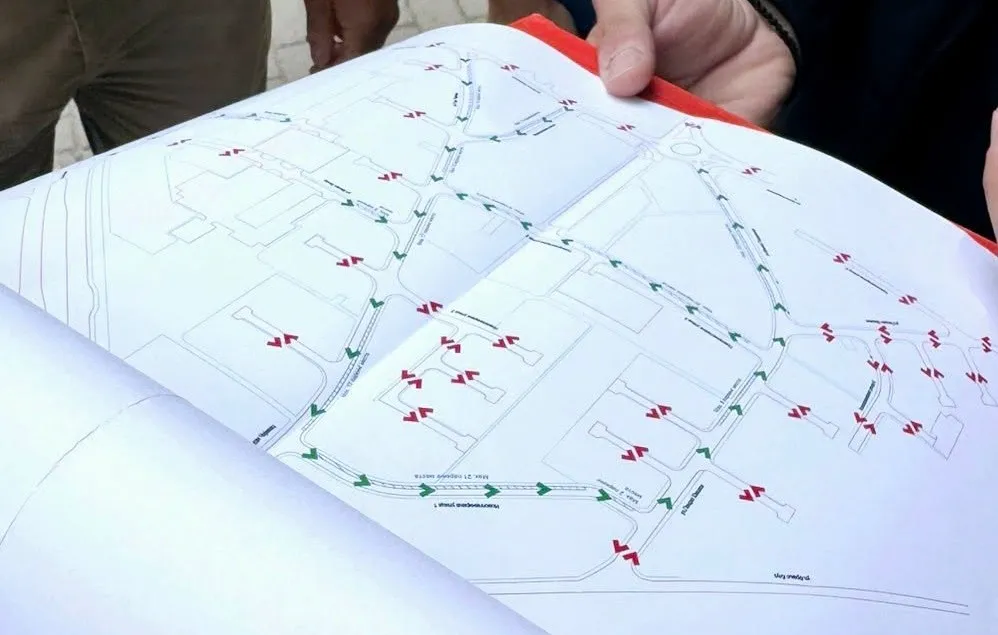
Two streets go one-way, cycle lanes appear and the speed limit drops to 30 km/h. The question nobody answered is...
This site uses cookies - is that okay? Learn more
Be the first to know when Metla launches something new
Leave your email and we will write when there is a new guide or something new on Metla.
