
Fake Clubs and Phantom Matches: Football Federation Officials in Valandovo Under Investigation Over 1.35 Million Denars
19.06.2026


19.06.2026

19.06.2026

19.06.2026

19.06.2026

19.06.2026

19.06.2026
19.06.2026

19.06.2026
18.06.2026

19.06.2026

19.06.2026

19.06.2026

19.06.2026

18.06.2026

17.06.2026

19.06.2026

19.06.2026

19.06.2026

19.06.2026

19.06.2026

19.06.2026

09.03.2026

27.02.2026

19.02.2026

19.06.2026

18.06.2026

17.06.2026

14.04.2026

07.11.2025
07.11.2025

23.04.2026

23.04.2026

12.04.2026


You buy something you don't need, and then you wonder why. According to psychologist Esther Boadas, director of the Sukha center, the answer rarely lies in the thing you're buying - but in what you feel in the moment before you buy it.
"Behind an impulsive purchase we often find fatigue, loneliness or a need for self-care," Boadas says. Buying, eating, even getting a tattoo can function as a way to regulate emotions when a person lacks other tools to cope with strong feelings. Sometimes the object really does mean something - a memory, an identity, a lived experience. Other times it's just escape.
Boadas also debunks a myth circulating on social media - that highly sensitive people spend more money than others. The scientific evidence doesn't bear that out. What some people have is a need for stronger stimuli to hold their attention, but that doesn't automatically mean an empty account at the end of the month.
The real problem, she says, appears when buying becomes a systematic outlet - when, every time you're empty, bored or overwhelmed, you reach for the card. Her advice isn't to control the behavior by force, but to understand it: to recognize which emotion stands behind the urge before acting on it. Sometimes the smartest purchase is the one you didn't make - because you paused for a minute and asked yourself what you actually need.
The latest 10 news from this category
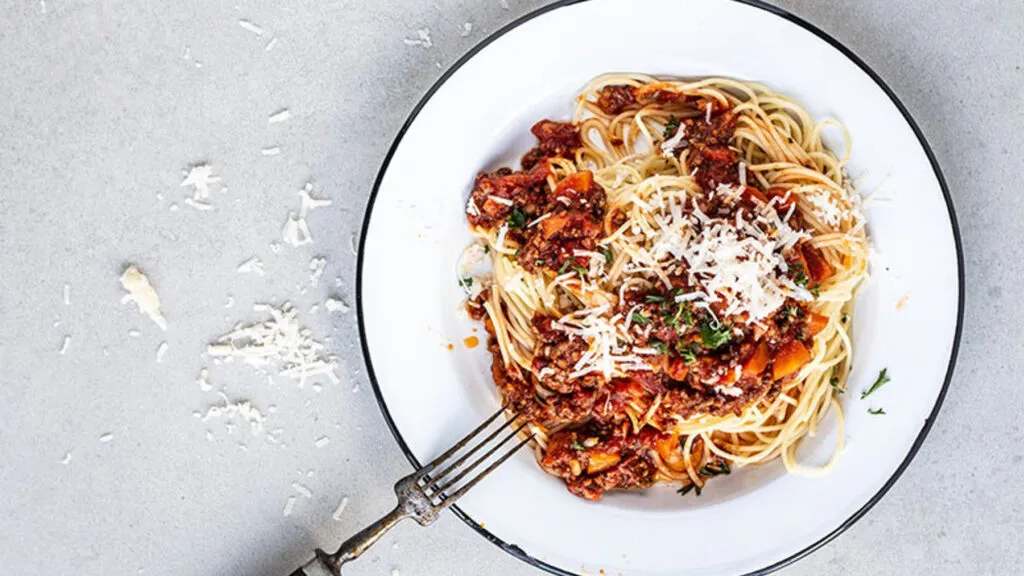
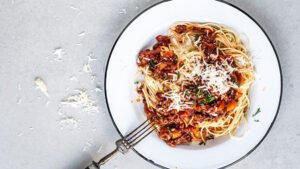
In a world where we want everything ready in ten minutes, bolognese is a reminder that some things simply can't...
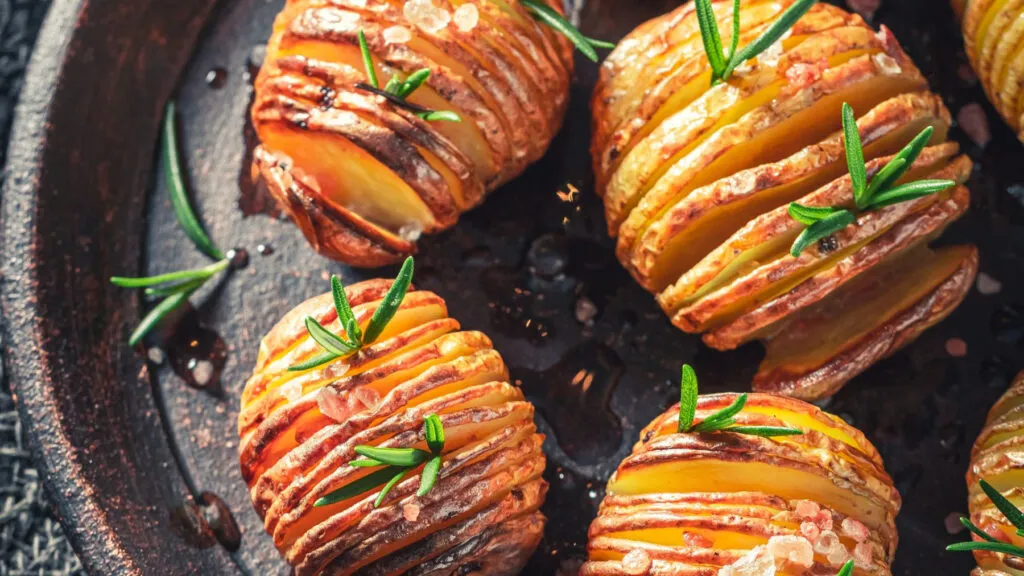
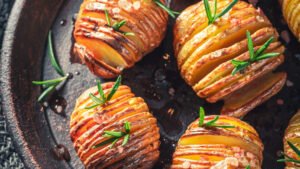
The whole secret isn't in the ingredients, but in a single move with the knife. A dish that looks like...

A full plate doesn't mean a nourished body. Nutritionists explain why we take in calories but lack vitamins - and...
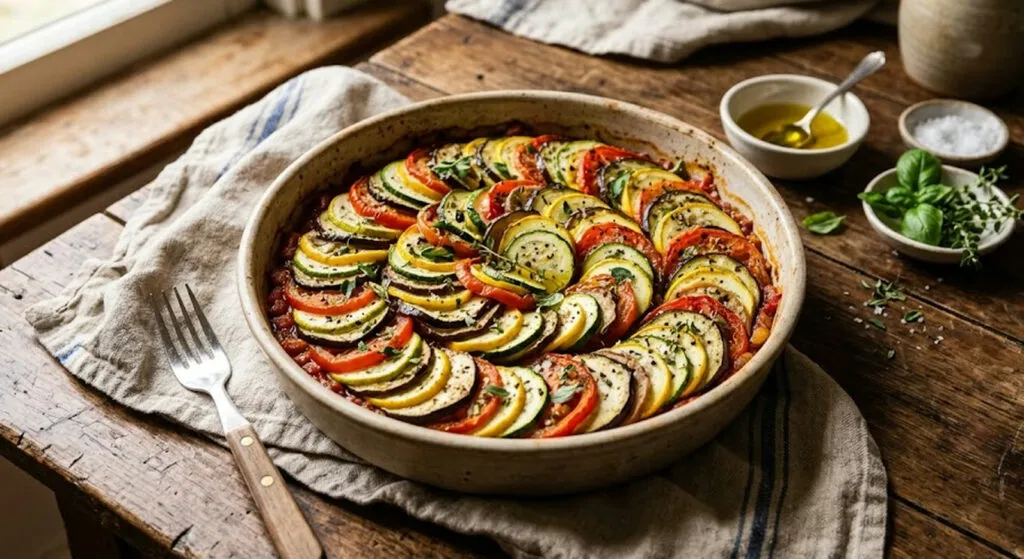
Proof that the best summer cooks the cheapest. Vegetables in a spiral, olive oil and patience - everything else is...
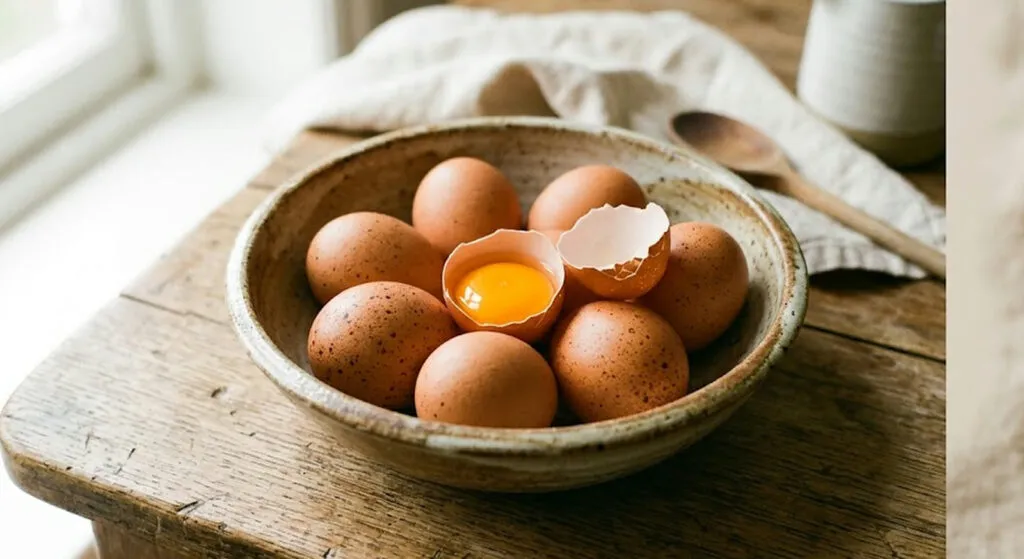
The fad of eating only egg whites sounds healthy, but it actually throws out the most nutritious part. A nutritionist...
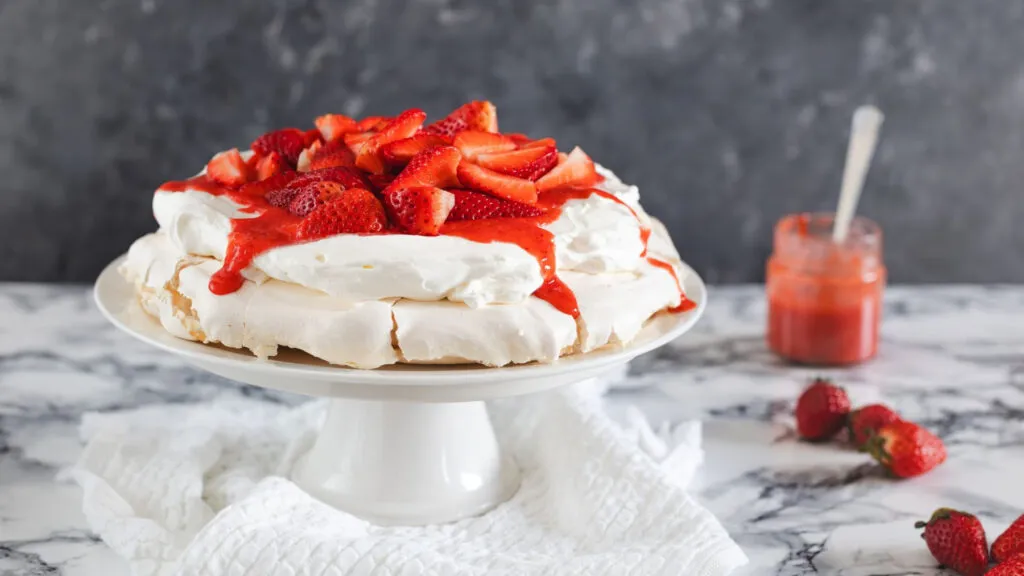
Crisp outside, soft inside - the secret isn't in the ingredients but in one minute of attention and in not...
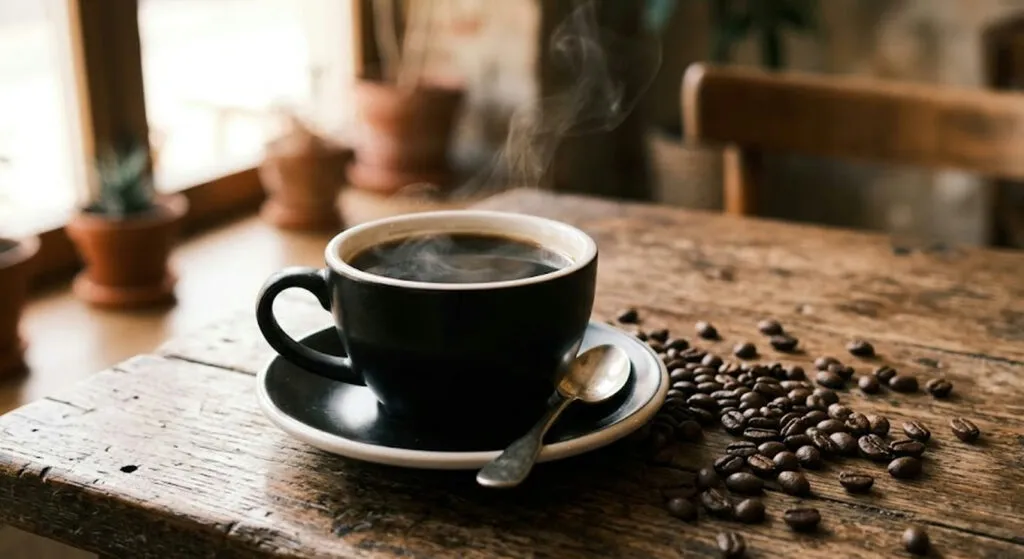
A study of tens of thousands of people found that the credit goes not to caffeine but to polyphenols. But...
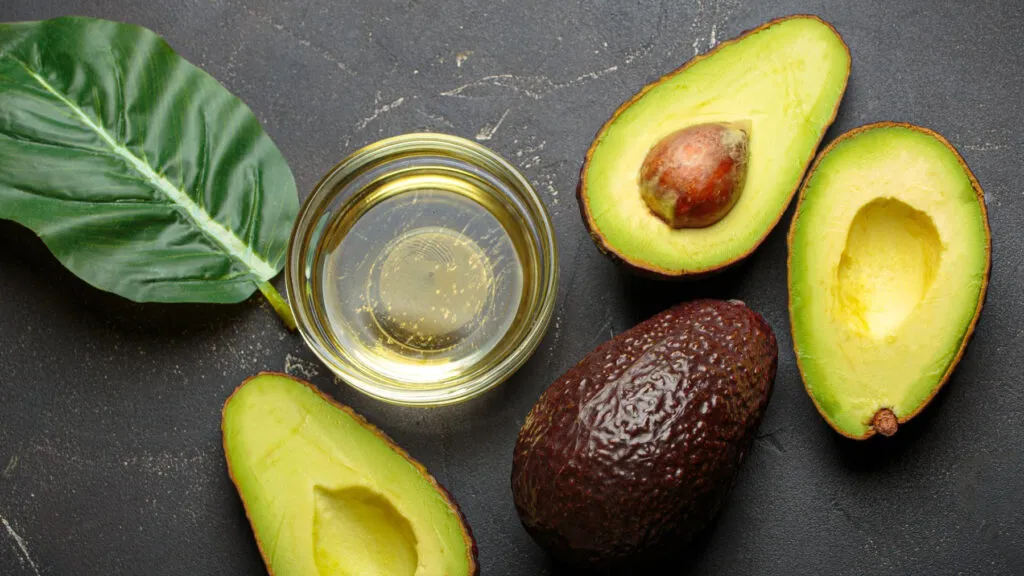
Half an avocado in the fridge until tomorrow is almost always for the bin - but it doesn't have to...

It behaves more like a hormone than a vitamin. But it's no miracle in a bottle - measure before you...
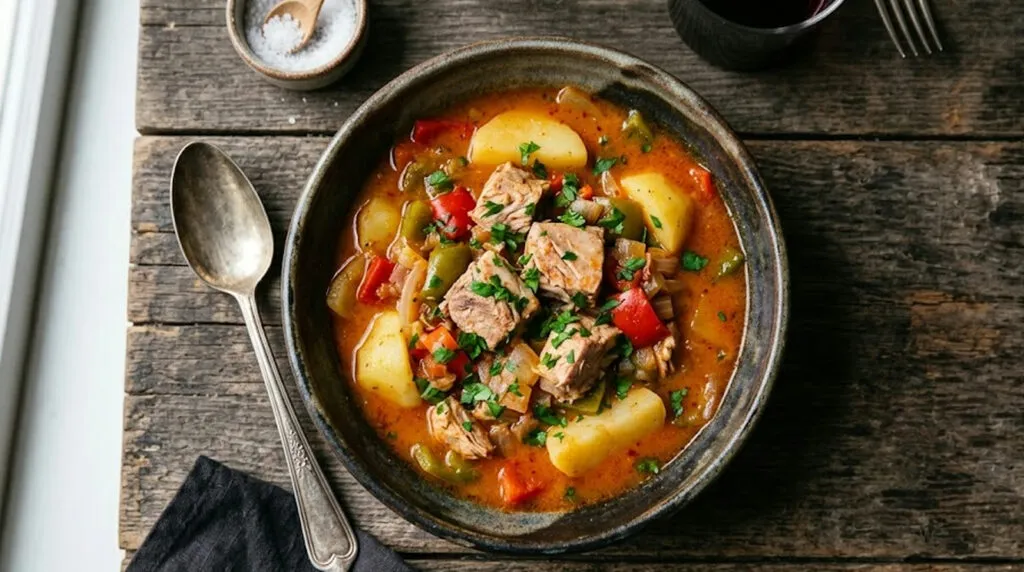
A dish born on a fishing boat that stuck around because it is delicious. The tuna goes in last -...