
Counter-terror raid in Skopje: an ISIS flag and weapons, while official details come "once it's over"
29.09.2026


29.09.2026

29.09.2026
29.09.2026
29.09.2026

29.09.2026

29.09.2026

29.09.2026

28.09.2026

27.09.2026

29.09.2026

29.09.2026

28.09.2026

29.09.2026

29.09.2026

29.09.2026

29.09.2026

28.09.2026

27.09.2026

29.09.2026

29.09.2026

29.09.2026

29.09.2026

29.09.2026

28.09.2026

09.03.2026

27.02.2026

19.02.2026
29.09.2026

28.09.2026

27.09.2026

23.04.2026

23.04.2026

12.04.2026

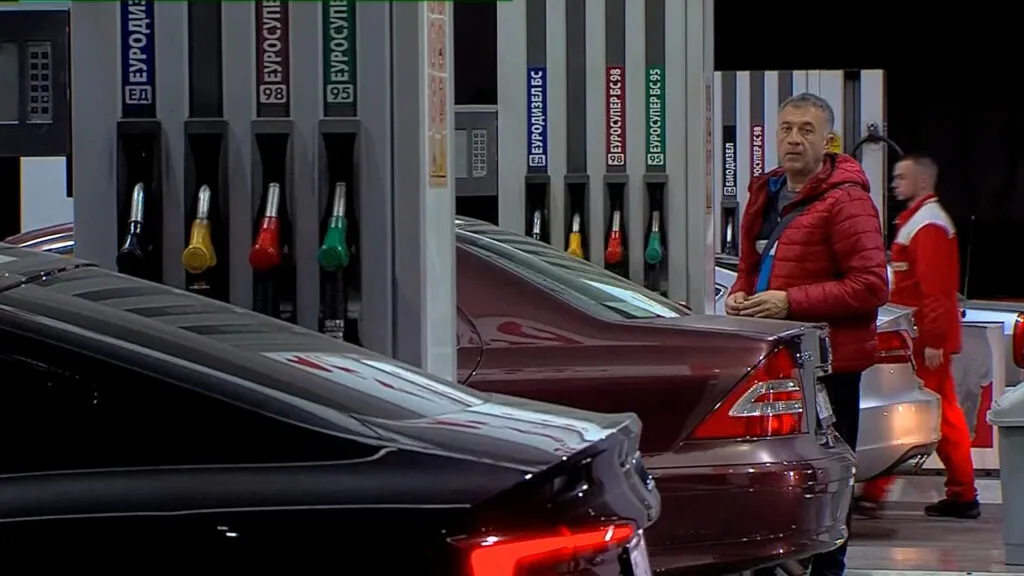
From midnight, a litre of diesel and a litre of EUROSUPER BS-95 cost exactly the same - 100 denars each. The Energy Regulatory Commission (RKE) cut diesel by 4.50 denars and raised petrol by one denar across the board. BS-98 now costs 102 denars, extra light heating oil for households drops by three denars to 111.50 denars a litre, and fuel oil sells at 49.882 denars a kilogram. On average, prices are 1.06 percent lower than in the September 21 calculation.
The seesaw. Only a week ago, things were moving the other way. On September 21, RKE raised diesel by a hefty 5.50 denars, to 104.50 a litre, and lowered petrol by 1.50 denars. Now almost that entire jump has been wiped out by a single new calculation. In seven days, drivers have gone from "diesel costs more than petrol" to "everything's a hundred".
Why does petrol go up while diesel comes down, when both are made from the same crude oil? Because RKE doesn't just look at what a barrel costs, but also at exchange quotations for refined products. Over the past period, the reference price of diesel on the world market fell by 6.73 percent, while petrol practically stood still, with a minimal rise of 0.049 percent. The denar, meanwhile, weakened against the dollar by just under one percent, which ate into part of the price cut.
The second part of the calculation is the state. The government extended the reduced 10 percent VAT rate on diesel, which will apply until October 12, and also extended the reduced excise duty of four denars per litre on petrol and diesel. "By extending this measure, we are directly influencing retail fuel prices," said Finance Minister Gordana Dimitrieska-Kočoska.
How much that measure weighs is easy to calculate. If diesel at 104.50 denars were taxed at 18 percent VAT instead of 10, with nothing else changed, the difference would be more than seven denars a litre. In other words, part of today's "hundred" is borrowed from the budget - and it has an expiry date.
Out in the wider world, the pressure isn't letting up. Brent crude is back above 100 dollars a barrel, and markets are watching the Middle East and shipping through the Strait of Hormuz. What happens on October 12 if the markets don't cooperate and the tax relief runs out? That is the calculation drivers still don't have.
These are maximum prices, so retailers are free to sell for less. How many of them actually will, the first glance at the price board at the pump will tell.
The latest 10 news from this category

The average across 55 global markets is 1.4 percent. In Macedonia, flat prices are rising by around 13 percent even...

The growth figures came from a campaign rally, along with the message that wages still have to catch up. And...

It was supposed to arrive in ChatGPT in October and work with no human looking over its shoulder. In testing,...

The Stanford professor who built ImageNet will now be telling a chipmaker what to build. Nvidia already has its own...
For decades, ships have reported only with a location signal. Now someone is putting eyes on the mast - and...
The most powerful rocket ever built lost an engine, aborted the attempt, then changed its mind within minutes. That's Musk's...
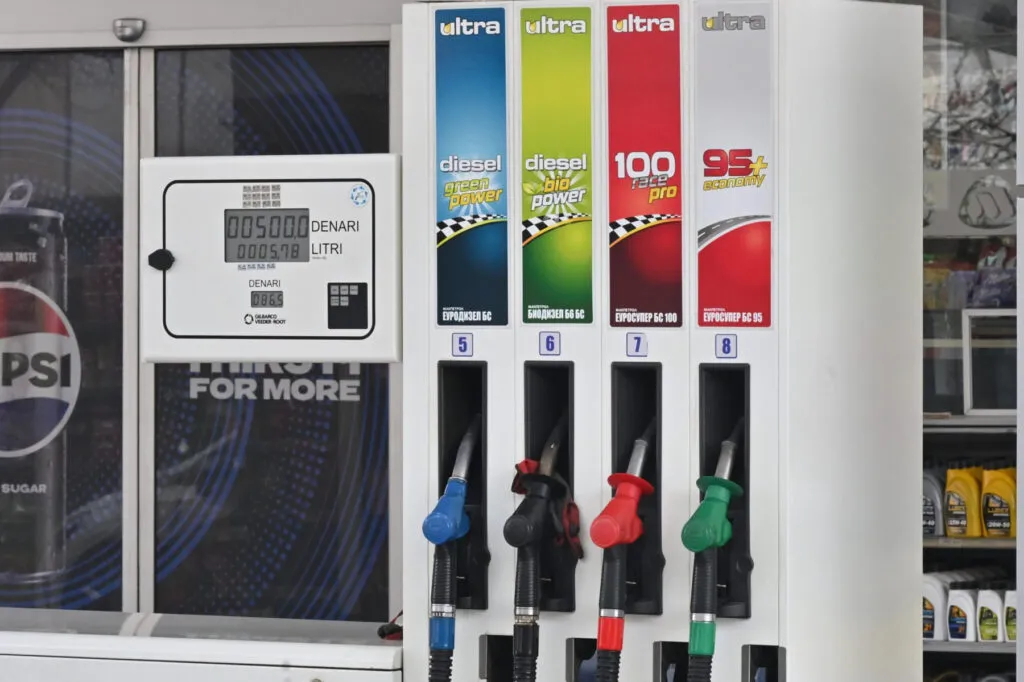
Two weeks of 10% VAT, diesel at 104.50 denars, and not a word on what happens from tomorrow. If the...
By 19 August, 1,837 approvals had been issued for workers from Bangladesh and 787 from Nepal. Meanwhile, 58% of active...
Stopanska Banka down 8.33%, NLB down 7.88%, Komercijalna down 7.87%. The weekly reports have the numbers, but not the reason.

When someone insists everything is on track while sending a legal notice about events beyond their control, the document says...
This site uses cookies - is that okay? Learn more
Be the first to know when Metla launches something new
Leave your email and we will write when there is a new guide or something new on Metla.