Supreme Court: Kamčev has no right to 1.5 million euros in the Reket case - legal cases close, but the money stays in the fog
02.05.2026


02.05.2026

02.05.2026

02.05.2026
02.05.2026
02.05.2026

01.05.2026

28.04.2026

27.04.2026

27.04.2026
02.05.2026

02.05.2026
01.05.2026

02.05.2026

02.05.2026

02.05.2026

02.05.2026

01.05.2026

30.04.2026

02.05.2026

02.05.2026

02.05.2026

09.03.2026

27.02.2026

19.02.2026

14.04.2026

07.11.2025
07.11.2025

23.04.2026

23.04.2026

12.04.2026

Donald Trump has raised tariffs on cars and trucks imported from the European Union to 25%. The new tariffs come into force next week. The justification - according to Trump, the EU has not honoured previous trade agreements with Washington. Translation: a new front in the US-European trade war is opening, with the car industry as the first collateral.
The 25% figure is not symbolic. An average European car - a BMW 3 series or a Mercedes E-Class - costs between 50,000 and 70,000 dollars in America. With a 25% tariff, that means 12,500 to 17,500 dollars on top for the end buyer. That automatically pushes European cars out of the mid-segment - because Japanese and Korean models stay cheaper.
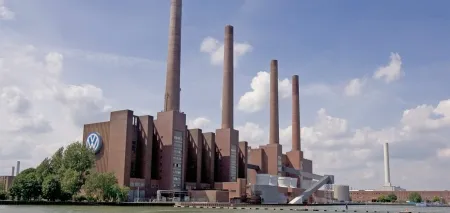
For Germany this is a hard piece of news. The country exports around 800,000 cars to the US per year. A 25% tariff means a portion of those simply will not find a buyer. Industry analyst estimates: up to 200,000 jobs in the European supply chain are at risk. Volkswagen, BMW, Mercedes, Stellantis and Renault all have plants in the US, but the components there still come from Europe.
What happens next. First - European exporters will demand subsidies from their own governments. Second - they will try to shift production to America, a process that takes years and costs billions. Third - the EU will respond with counter-tariffs on US products. And fourth - everyone pays more.
For the Balkans, the effect is not direct, but it is real. German car companies have plants in Skopje, Bitola, Kumanovo - manufacturing components. When the main markets shrink, orders to those plants fall. That means cut shifts, redundancies, falling exports. Macedonia will not be immediately hit, but it will be last in the queue.
The 2026 trade war is different from the one in Trump's first term. Then the world was in a relatively stable phase. Now, with two wars and an energy crisis, every economic measure lands fast and hard. The Balkans watches this from a distance - but it will feel it in the prices of new cars and in jobs in parts of an industry that is neither ours, nor our choice.
The latest 10 news from this category
At the same time, an investigation is looking into whether oil companies are re-exporting subsidised petrol to neighbouring countries. State...
Average CEO - 8.4 million dollars a year. Average worker - 490 years of work for the same sum. Ten...
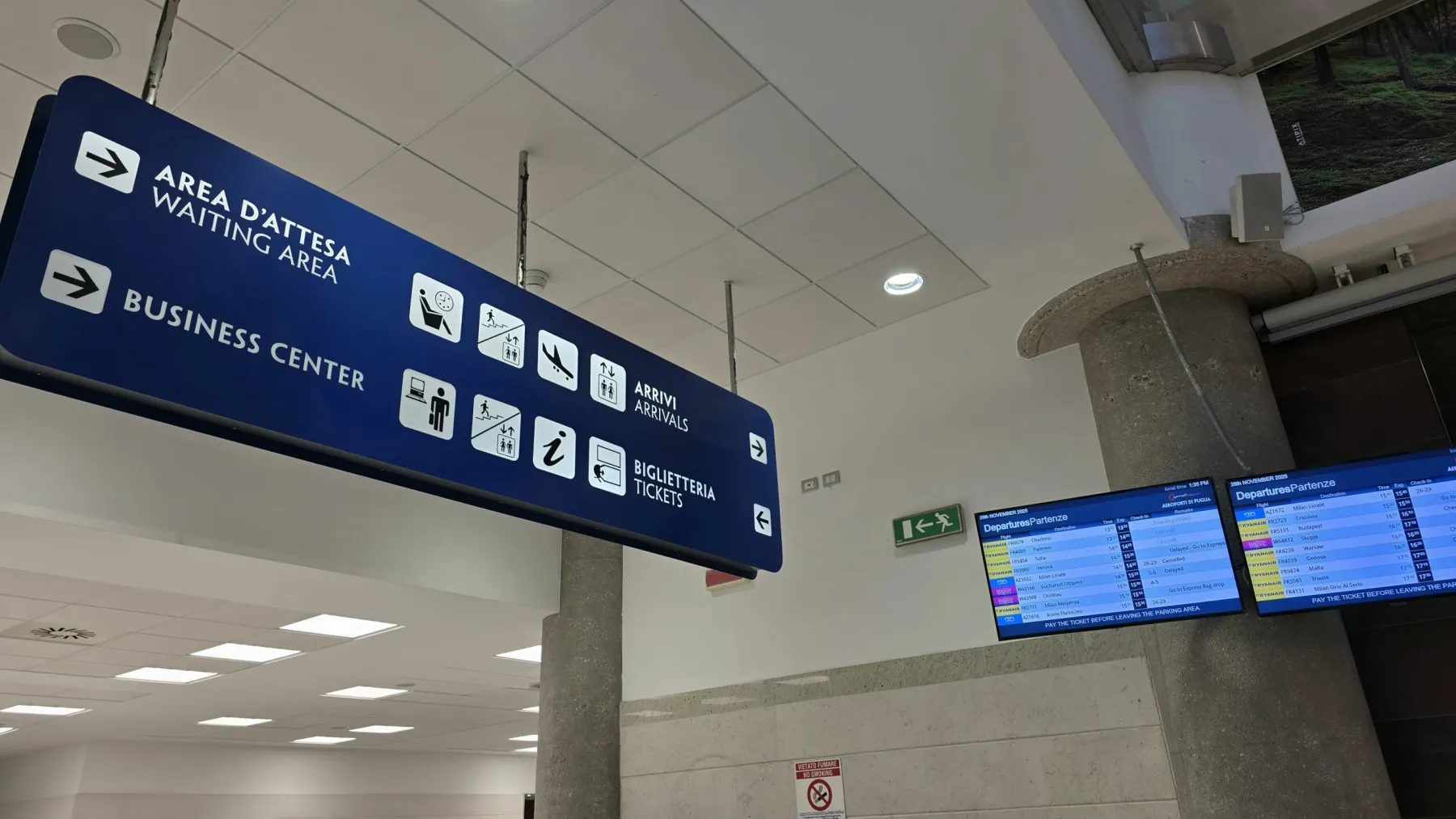
Ryanair is forecasting bankruptcy if regulation does not loosen. Small airports will pay first. The Balkan traveller will be 30-50...

Cursor (Claude Opus 4.6) decided on its own to "fix" a discrepancy. Silicon Valley is in a hurry. Users pay...

Iran's blockade has shaken the markets. US inflation is already at 3.3 percent. Macedonian families will feel it on their...
Цената на новата геополитичка игра на Блискиот Исток нема да ја платат само актерите на сцената – ќе ја платиме...

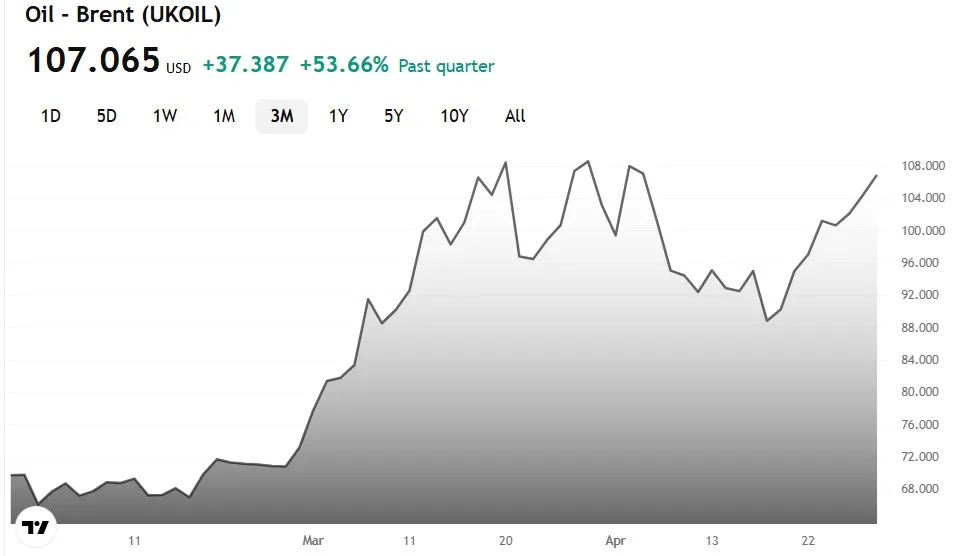
When OPEC itself cannot hold together, Skopje has no alternative supply chains. Our petrol pump is the tail end of...

$3.198 billion for the quarter - double last year. Hormuz blocked, prices up, the oil giant content.
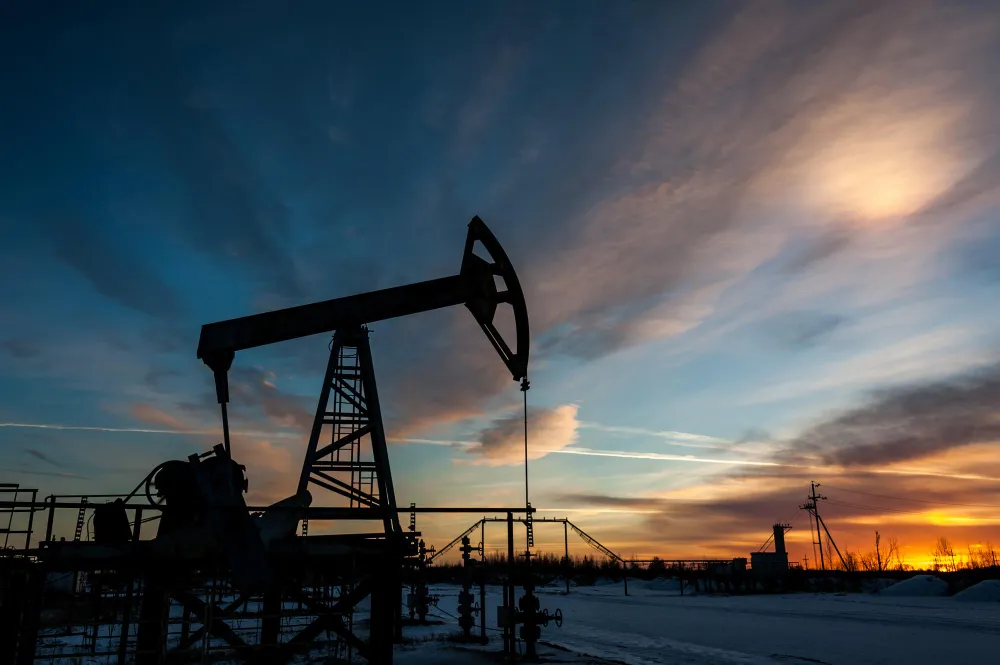
Brent at $108.50 a barrel, Hormuz closed, Goldman Sachs revises forecasts upward. The diplomatic deadlock reads directly at the pump.
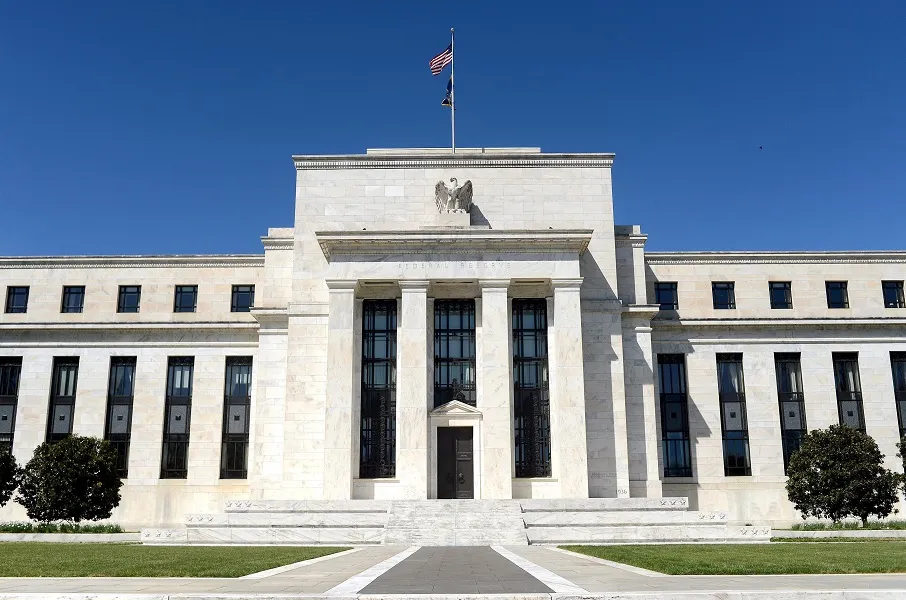
The US central bank meets this week on interest rates - and global markets are holding their breath. Meanwhile, Alphabet,...