
Three of Four Sensors Were Dead: Skopje's Vodno Cable Car Ran Fifteen Years Without a Real Service
17.09.2026


17.09.2026

17.09.2026

17.09.2026

17.09.2026

17.09.2026

17.09.2026

17.09.2026

16.09.2026

15.09.2026

17.09.2026

17.09.2026
16.09.2026

17.09.2026

17.09.2026

17.09.2026

17.09.2026

16.09.2026

15.09.2026

17.09.2026

17.09.2026

17.09.2026

17.09.2026

17.09.2026

17.09.2026

09.03.2026

27.02.2026

19.02.2026

23.04.2026

23.04.2026

12.04.2026

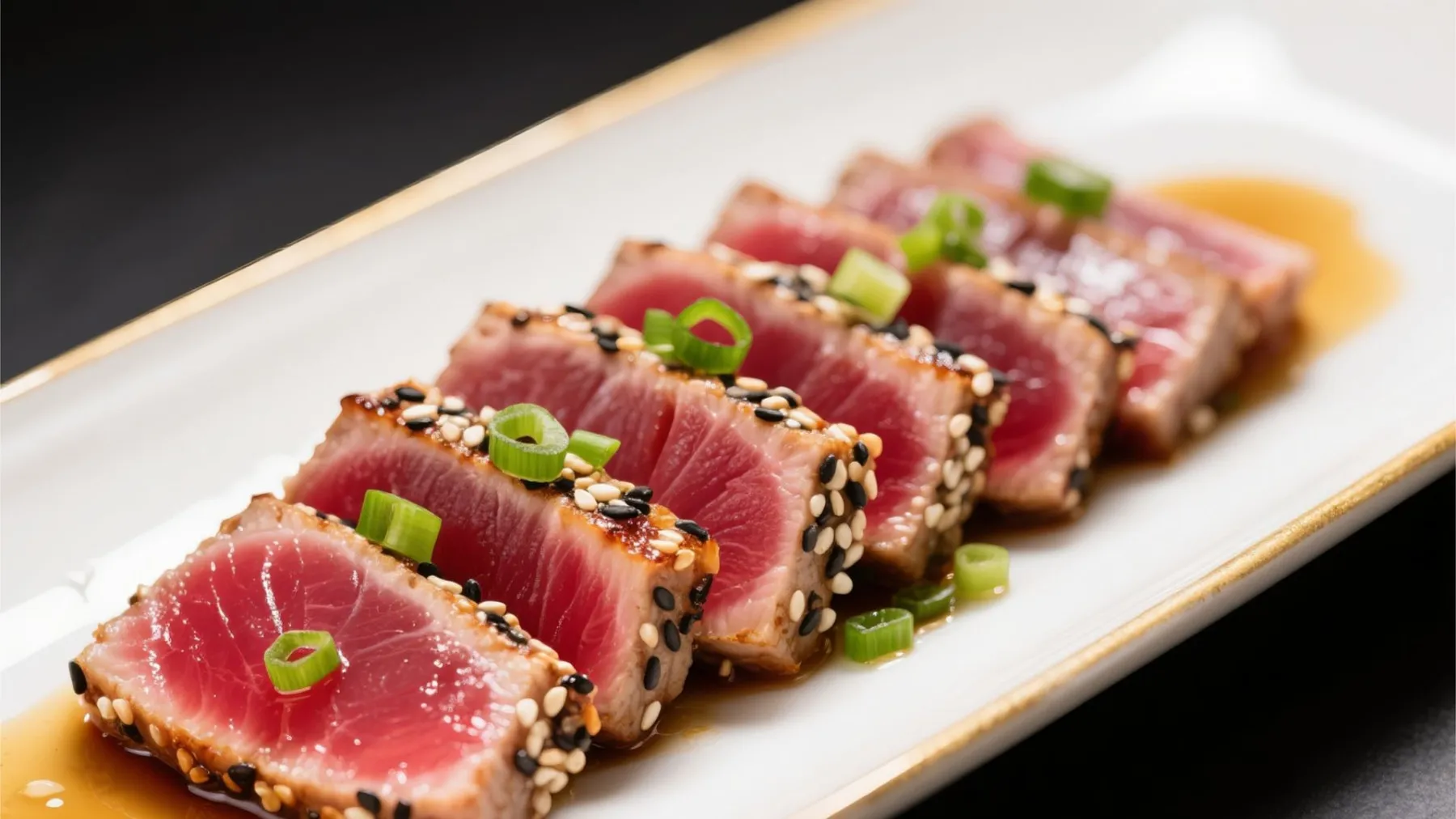
Tataki is a Japanese technique with a double reputation. For a long time it was the thing you ordered in „fusion" restaurants to look like „we know something" - now it has come back, without fanfare, and in the home kitchen. The principle is simple: fish or meat is seared over very high heat for only a few seconds on each side, while the inside stays raw. The slice is thin, the outside is seared, the middle is raw. Contrast is everything.
Now is the season for fresh tuna, which means now is the season for tataki. The classic recipe uses tuna, but the technique works with swordfish, salmon, and with raw meat for those who want beef tataki. In every case, the rules are the same - and they cannot be skipped.
First: quality fresh tuna<\/strong>. No negotiation. Not frozen, not „the one from Monday, it'll do". The best cuts are lomo (the loin) and lomito (the fillet). The higher the quality, the less cooking. Supermarket tuna - not worth trying.
Second: a sharp knife<\/strong>. Tataki has to be sliced thin - 4-5 millimetres. A blunt knife tears the meat and makes it ragged. The cut should be clean, one movement, and across the grain of the meat - not along it.
Third: high heat, short time<\/strong>. The pan must be searing hot, just before smoking. The tuna goes in for only a few seconds on each side - literally count to five. The inside must stay raw, the outside must be dark. If the tuna is pale through the middle, you have overcooked it - then it is steak, not tataki.
Preliminary: dry the tuna<\/strong>. With a paper towel, remove the moisture before it touches the pan. Wet tuna does not sear - it steams. Optionally, a light marinade of soy, ginger or citrus before searing adds depth, but it is not required.
Serving is where everyone gets it wrong. Tataki does not go with just anything - it goes with contrast<\/strong>. Citrus (lemon, orange, grapefruit), soy sauce, sesame, wasabi, seaweed, mango or avocado. The idea is one: the fatty rawness of the tuna against something sharp or fresh. Without that, tataki is empty.
Tataki isn't a fantasy of an expensive restaurant. It is a technique that demands quality fish, a sharp knife and five seconds of concentration. The rest feels like an unsuspecting connoisseur in those very seconds when you cut the first slice - when you see this isn't something you did, it is more - the ingredients themselves did the work.
The latest 10 news from this category

Home-made chicken curry fails at the same point for everyone. The difference is made by one step that has nothing...
Jose Andres has lived in America for over thirty years, and when asked for his favourite American dish he named...
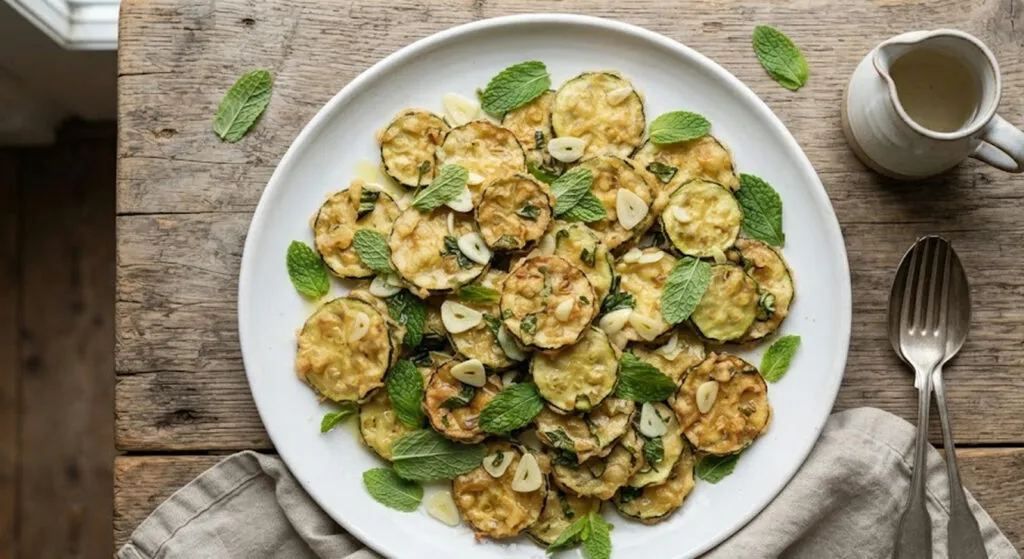
A kilo of courgettes, mint, garlic and eighty millilitres of vinegar. Not one expensive ingredient - and the water you...
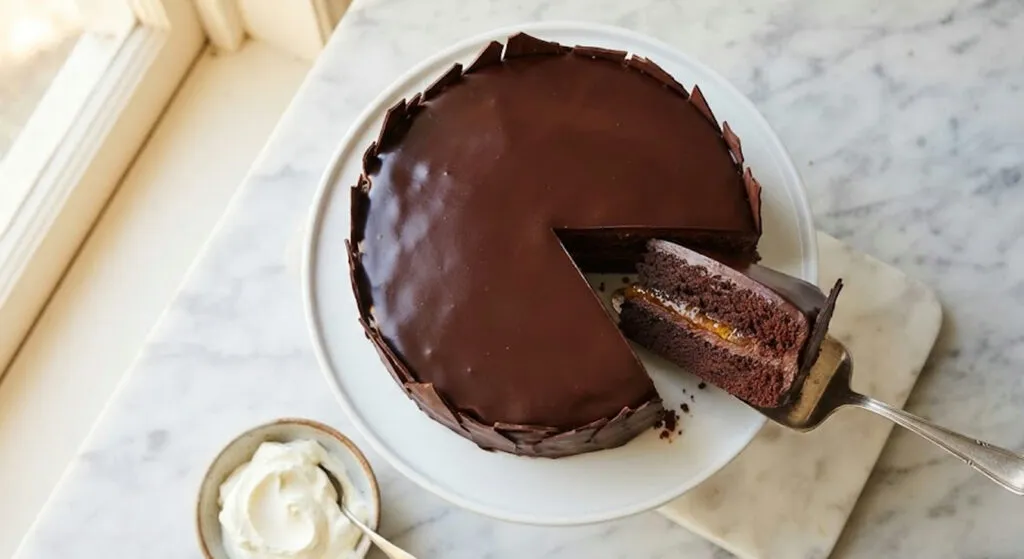
Whoever beat all the eggs together made a different cake. And the glaze must not pass 45 degrees, or the...
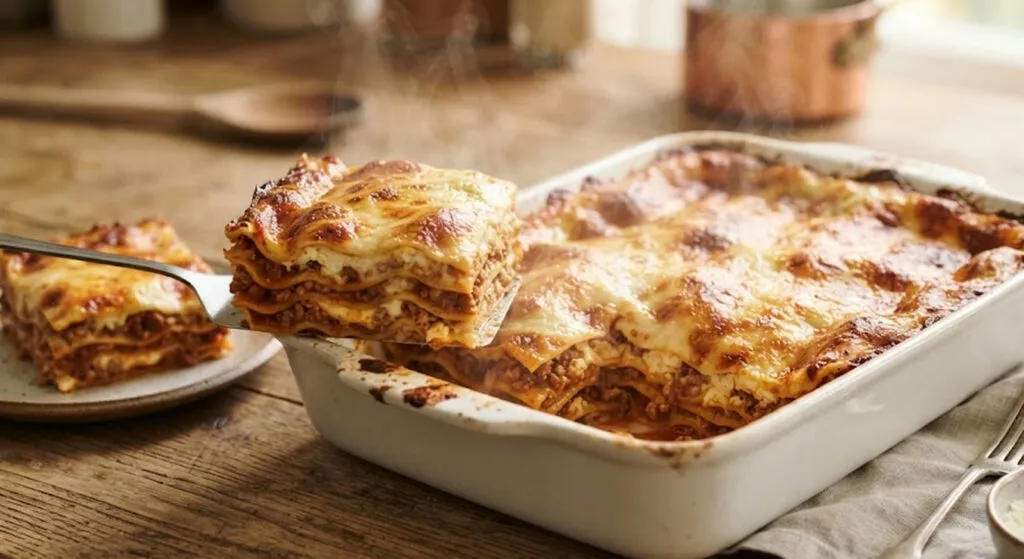
One rule applies to all three and it is the one most often skipped. It is not a recommendation to...
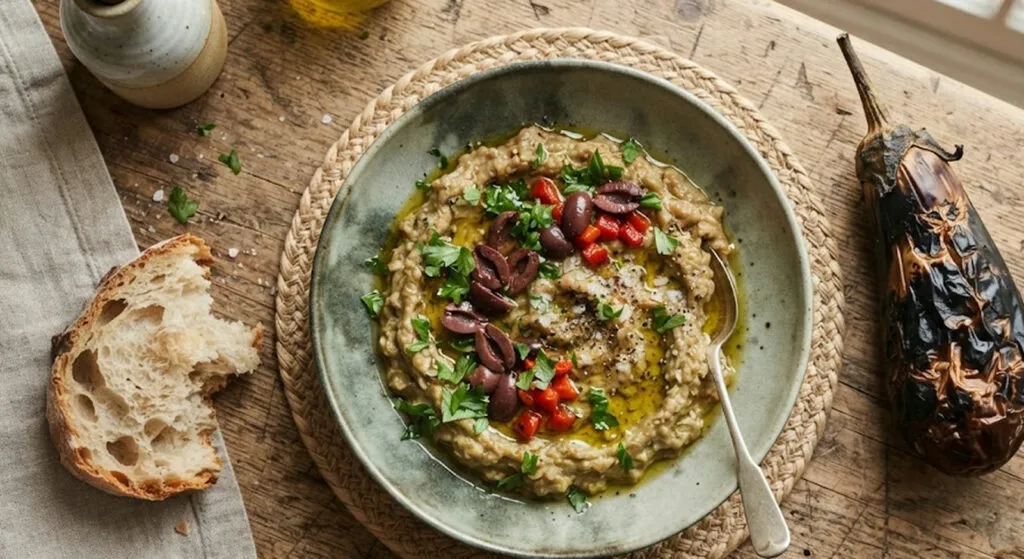
One single ingredient separates melitzanosalata from mutabal - tahini. Three aubergines, one clove of garlic, and an oven at 220...

The chicken ends up in the pan anyway. The salad that was sitting half a metre away does not.
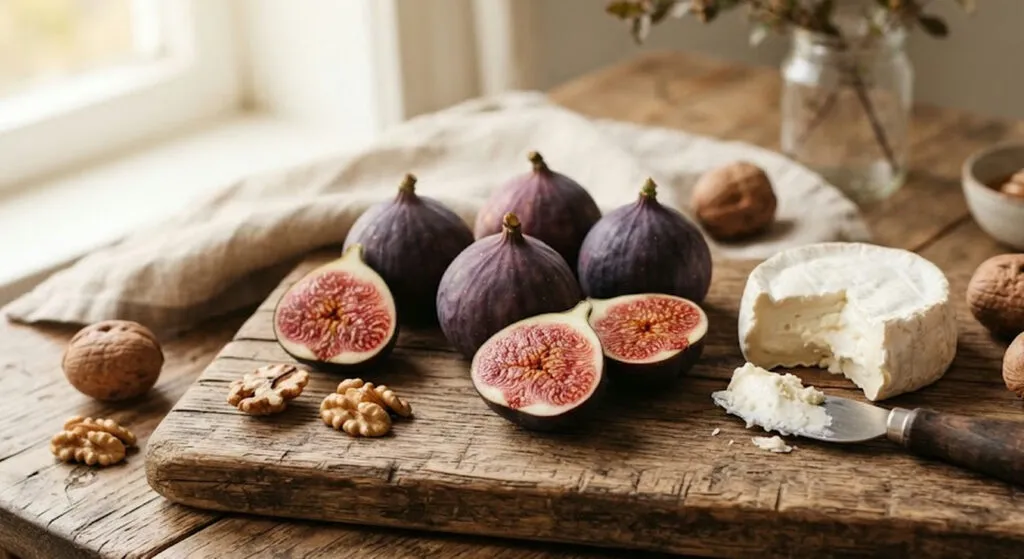
This year the season started as early as August because of the heat. From breakfast to pizza - everywhere a...
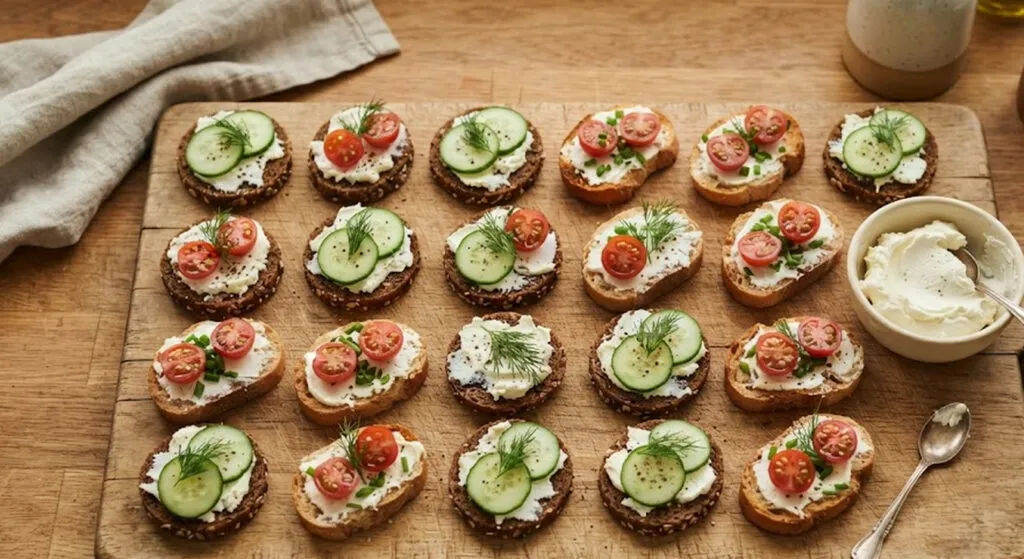
The recipe is not hard, the temperature is wrong. Ten cream cheese canapés and the two rules without which none...

The image of boiled chicken breast is wrong. The indulgence is planned, not broken.
This site uses cookies - is that okay? Learn more
Be the first to know when Metla launches something new
Leave your email and we will write when there is a new guide or something new on Metla.