Supreme Court: Kamčev has no right to 1.5 million euros in the Reket case - legal cases close, but the money stays in the fog
02.05.2026


02.05.2026
02.05.2026
02.05.2026
02.05.2026
02.05.2026
01.05.2026
28.04.2026
27.04.2026
27.04.2026
02.05.2026
02.05.2026
01.05.2026
02.05.2026
02.05.2026
02.05.2026
02.05.2026
01.05.2026
30.04.2026

02.05.2026
02.05.2026
02.05.2026

09.03.2026

27.02.2026

19.02.2026
14.04.2026

07.11.2025
07.11.2025

23.04.2026

23.04.2026

12.04.2026
Four years after Verónica Forqué's death, her daughter María Iborra has decided to speak. Not in an interview with measured sentences, but in a book with a heavy title: „I Am Not Verónica Forqué". And in it, Iborra opens up what many had assumed but no one wanted to say first - that depression does not come from nowhere, that it does not „strike" - it feeds for a long time, over years.
The morning of Verónica's death, in December, her carer Menuka found something strange. All of the actress's scarves had been taken out of the wardrobe and laid out on the bed. Iborra describes it in the book with cold precision: „Like a casting of scarves. She was choosing which one would be the most appropriate."
The collapse did not happen overnight. It began with Verónica's separation from director Manuel Iborra, after thirty years of marriage. Iborra cites her father in the book: „Father had a strong character and protected her. He was like a barrier between her and the world. And when that barrier broke - bang!" When Manuel learned of the death, he said that none of this would have happened if he had stayed in the house. The guilt, slowly ground over years.
There was something even earlier. Verónica's mother, Carmen Vázquez-Vigo, called Tete, could not bear old age. Iborra writes: „She could not be old. She wanted to die. Her favourite topic of conversation was death and euthanasia." That is family background that does not get written into an obituary, but that explains why an end like this is not a surprise - it is a sequence.
During the pandemic isolation, Iborra saw another side of the collapse: the parcels. They came constantly - sometimes five a day, always in pairs. Buying as a way to fill something that could no longer be filled. And in the same period, Verónica had confided in her: „I am sick of Verónica Forqué. Sick."
The appearance on „Masterchef" was the final blow. Iborra in the book directly accuses the production - she says they saw the instability, but used it for ratings. Then came the internet, and with it the harassment that Verónica could not bear. Her last words, as her daughter remembers, were: „I have failed. People hate me."
And Iborra, who now carries all of this in the book, does not hide behind blame. She thanks. The colleagues who turned up at the funeral. The message from King Felipe and Queen Letizia. The people who, four years on, still remember her mother as a person, not as a headline. When depression seizes the victim, every „clean" death is impossible. What remains for those closest? A book. And at least one sentence that will not be twisted by the tag „news of the day".
The latest 10 news from this category
Daily horoscope - 02.05.2026
Prince Andrew has been under arrest since February. The two daughters are now learning how to be present without being...
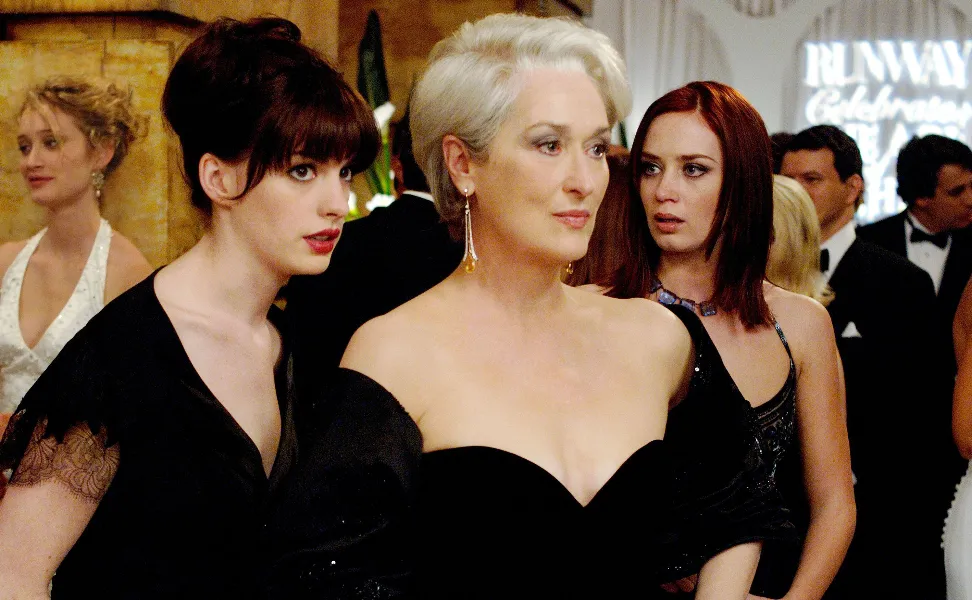
Imagine the film without her. You can't. She is its central element. And she wouldn't be there if she hadn't...
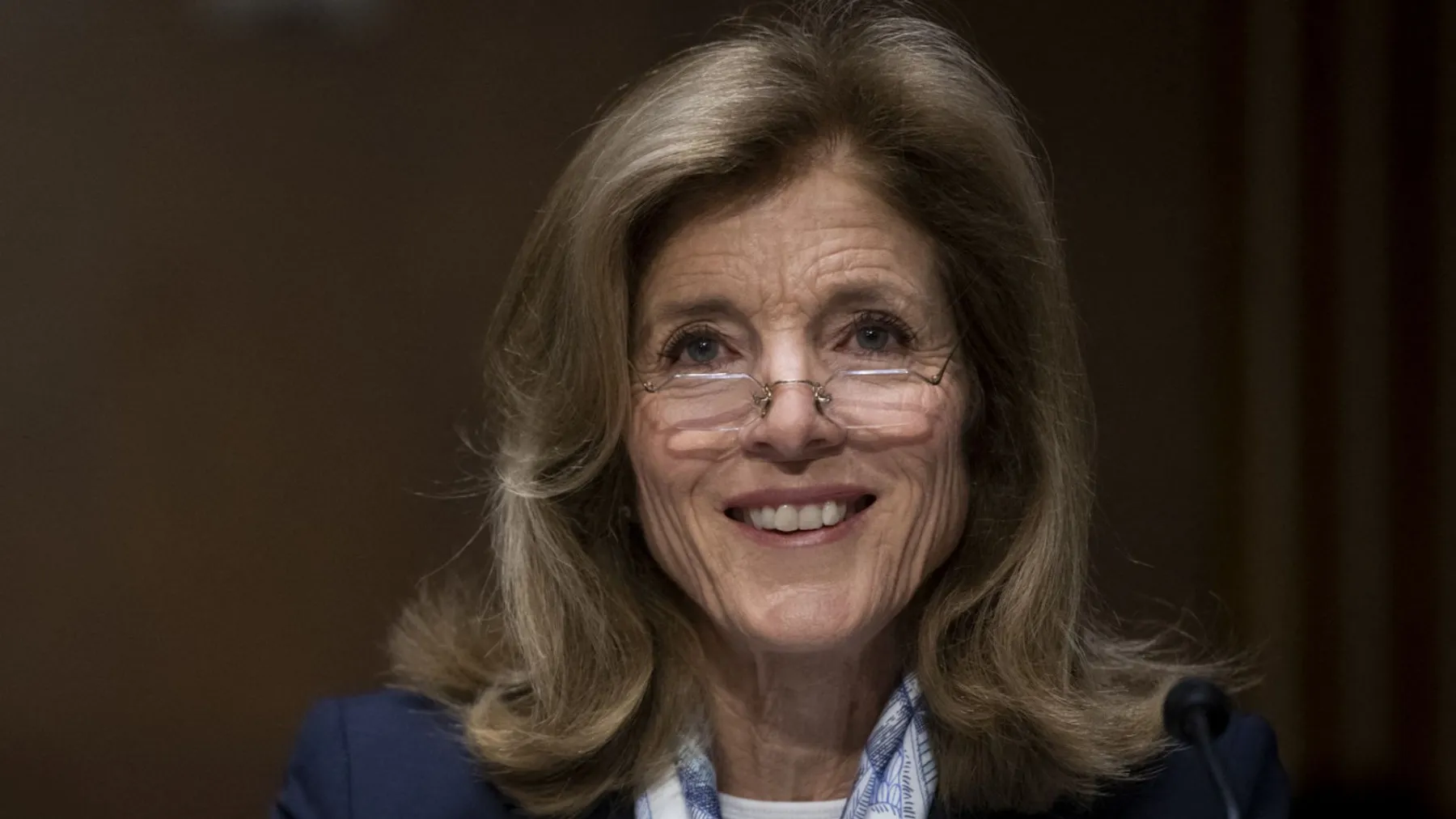
When a family loses its closest, every photograph in public carries two stories - the grief and a campaign that...
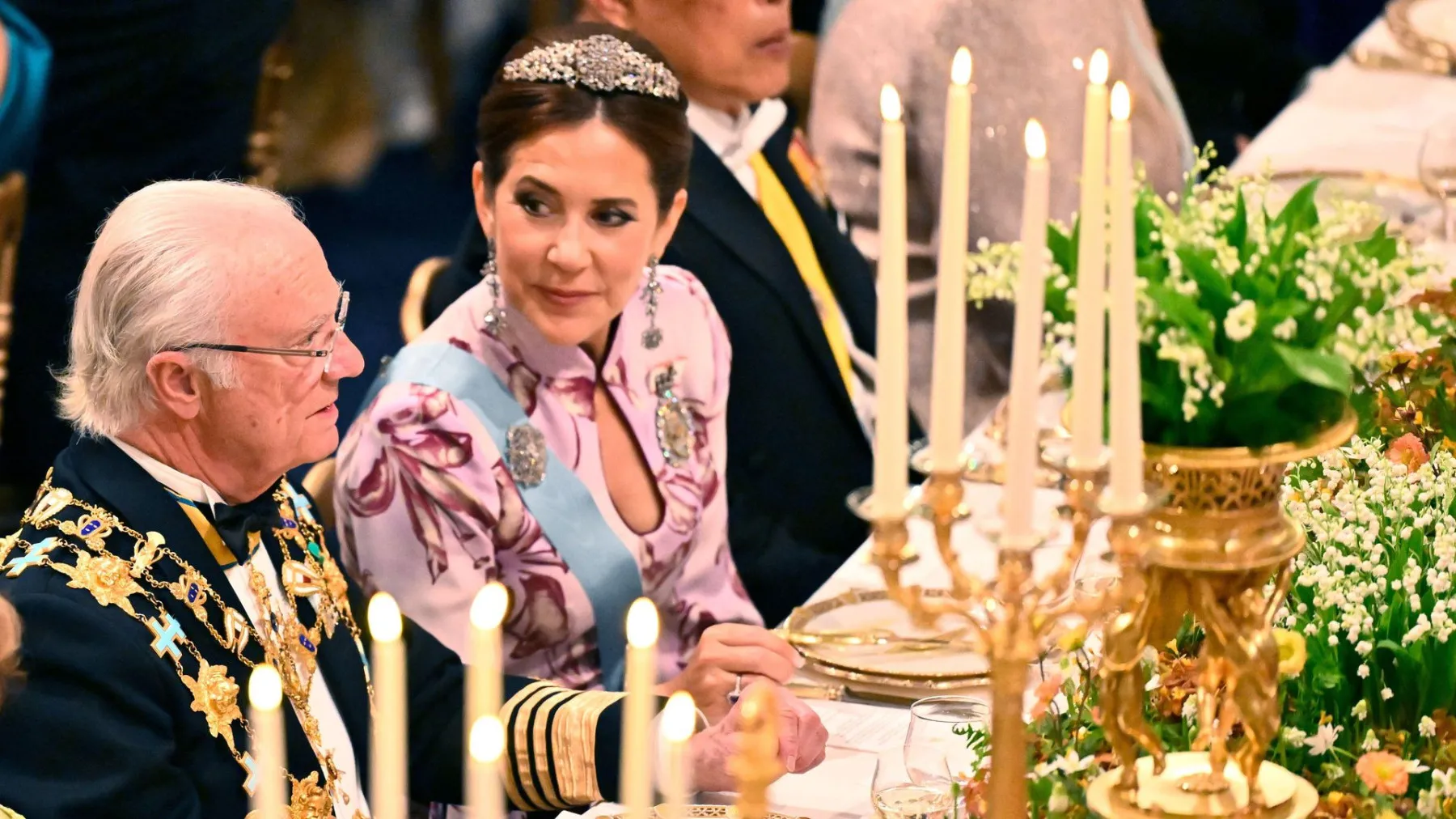
Queens and kings at the same table, inherited cutlery from the 19th century and a three-course menu - when monarchs...
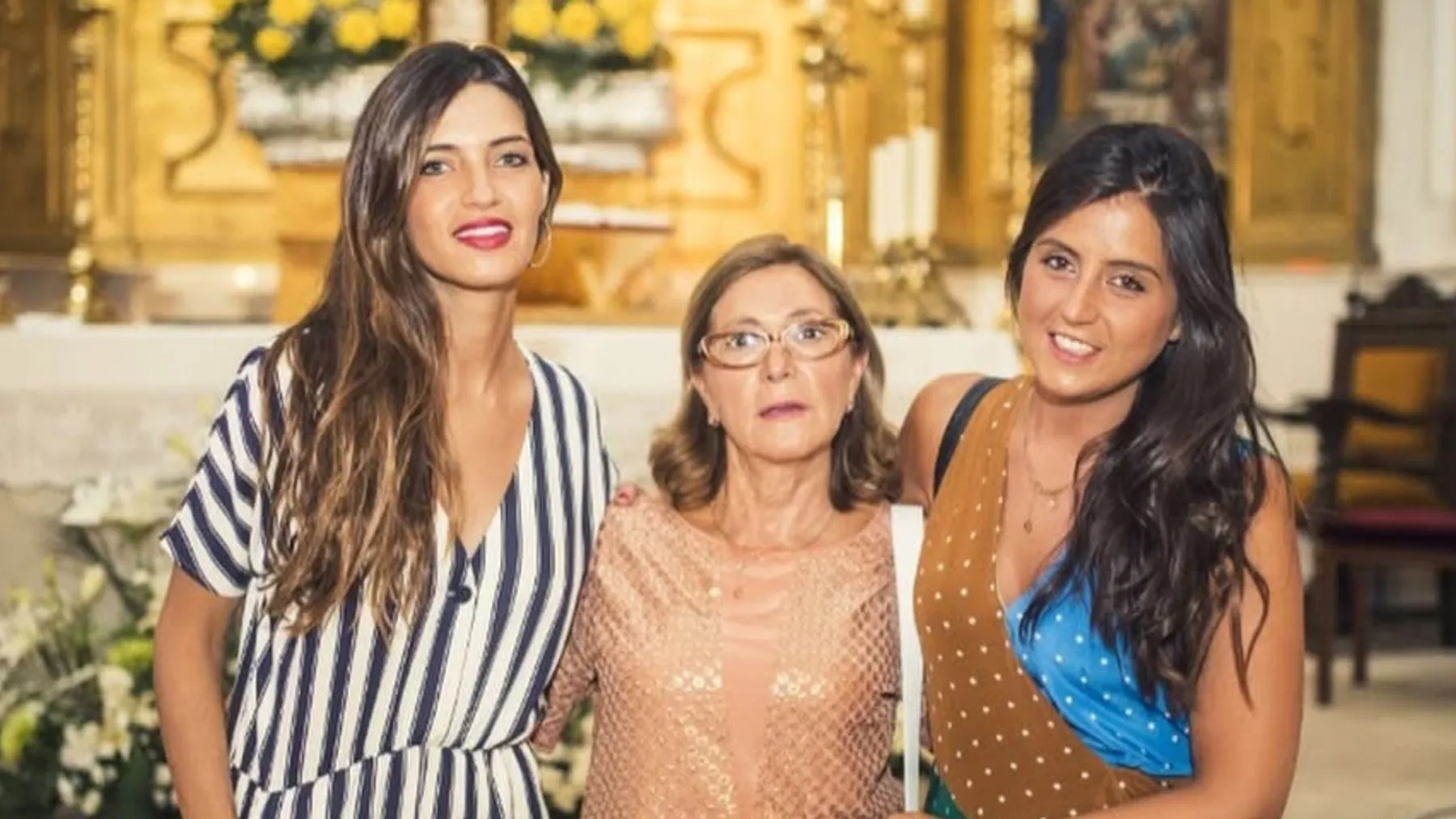
The Spanish journalist writes about losing her mother with a simplicity that lands directly. Grief does not follow a calendar...
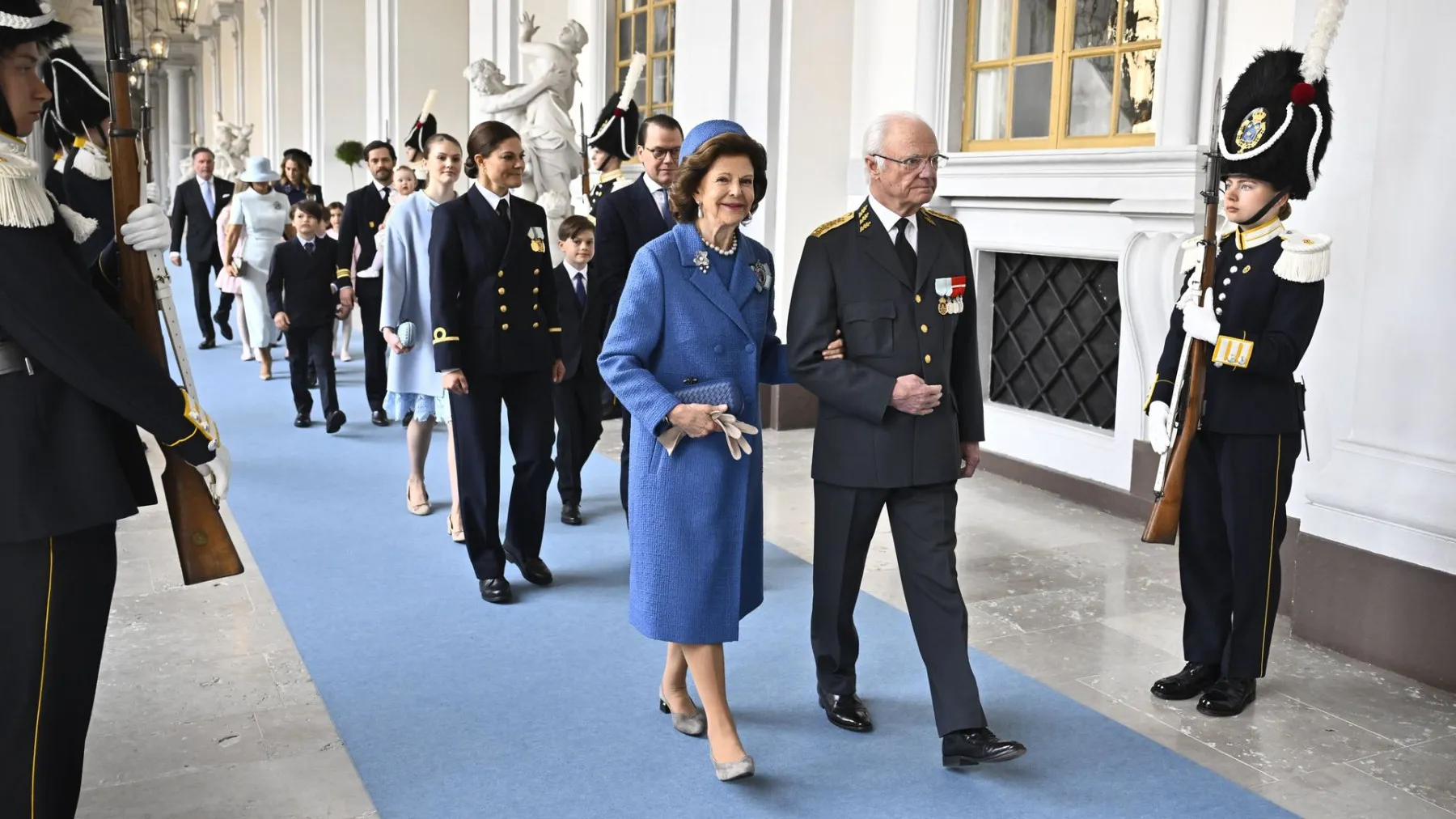
The Swedish court gathered half of Europe for the birthday of the longest-reigning European monarch. Princess Sofia with a hat...
Daily horoscope - 29.04.2026