Three of Four Sensors Were Dead: Skopje's Vodno Cable Car Ran Fifteen Years Without a Real Service
17.09.2026


17.09.2026
17.09.2026
17.09.2026
17.09.2026
17.09.2026
17.09.2026

17.09.2026
16.09.2026
15.09.2026

17.09.2026

17.09.2026
16.09.2026
17.09.2026

17.09.2026

17.09.2026
17.09.2026

16.09.2026

15.09.2026

17.09.2026

17.09.2026

17.09.2026

17.09.2026

17.09.2026

17.09.2026

09.03.2026

27.02.2026

19.02.2026

23.04.2026

23.04.2026

12.04.2026

SDSM accuses: Prime Minister Mickoski is quietly preparing to write Bulgarians into the Constitution. The evidence - the joint Macedonian-Bulgarian historical commission has been „meeting regularly" - and this during a period when the Government officially says nothing about constitutional changes. Translation: VMRO is pretending it isn't working on this, while it is working on this.
SDSM MP Jovana Trenčevska went a step further. In a parliamentary debate she stated that „there are ministers in the Government with Bulgarian passports". That isn't an empty accusation. Bulgarian passports in Macedonia are a well-known phenomenon - hundreds of thousands of Macedonians hold them, mostly for work or study reasons. But when a sitting cabinet minister carries one, it opens the question of dual loyalty - and SDSM is using that as a political weapon.
The joint historical commission was set up back in 2017, as part of the Macedonian-Bulgarian treaty of friendship. Its job - to resolve open historical issues, particularly around Goce Delčev and national identity. On paper that sounds tidy. But once a constitutional dimension gets bolted on - the idea that Bulgarians should be added as a „distinct community" in the Constitution - the commission stops being academic and becomes a political tool.
What is actually happening: VMRO formally says that constitutional changes are a matter for parliamentary procedure, requiring a two-thirds majority. VMRO doesn't have it. Neither does SDSM. But if VMRO „quietly" prepares the proposal and then brings it to a vote at the moment when there is opposition support, it looks as if they were „forced" into it. That's an old Balkan technique. And that is precisely what SDSM is now trying to expose before it can happen.
The question that should bother citizens: should Bulgarians as a community be in the Constitution? Right now they aren't. There is a Bulgarian community in Macedonia, but a small one. Adding them to the Constitution means a special status, special rights, and potentially a parallel legal structure. Some see it as a binding international obligation. Others see it as a quiet surrender of Macedonia's identity position.
Without a public debate - one that takes time, arguments, and genuine civic participation - this change should not pass. Neither VMRO, nor SDSM, nor Brussels should be deciding the identity of the Macedonian state in closed meetings. That is something Balkan democracy rarely accepts - but it is exactly that kind of process it deserves to be measured against.
The latest 10 news from this category
Of 340 million denars, only 40 million came from private money - the rest came from the State Lottery. Prosecutors...
The State Audit Office already warned that withholding the points makes favouritism possible. The rulebook requiring them to be published...
Two senior officials announced progress, the two largest parties denied it the same day. The amendments sit blocked behind 13,500...
The police acted on their own knowledge, without the PM filing anything at all. The same mechanism exists for every...
The Electoral Code is the one unfulfilled reform obligation, and the working group does not even know when it will...
It was supposed to cost "zero denars". Now the opposition wants an investigation, and the timeline - David Guetta announced...
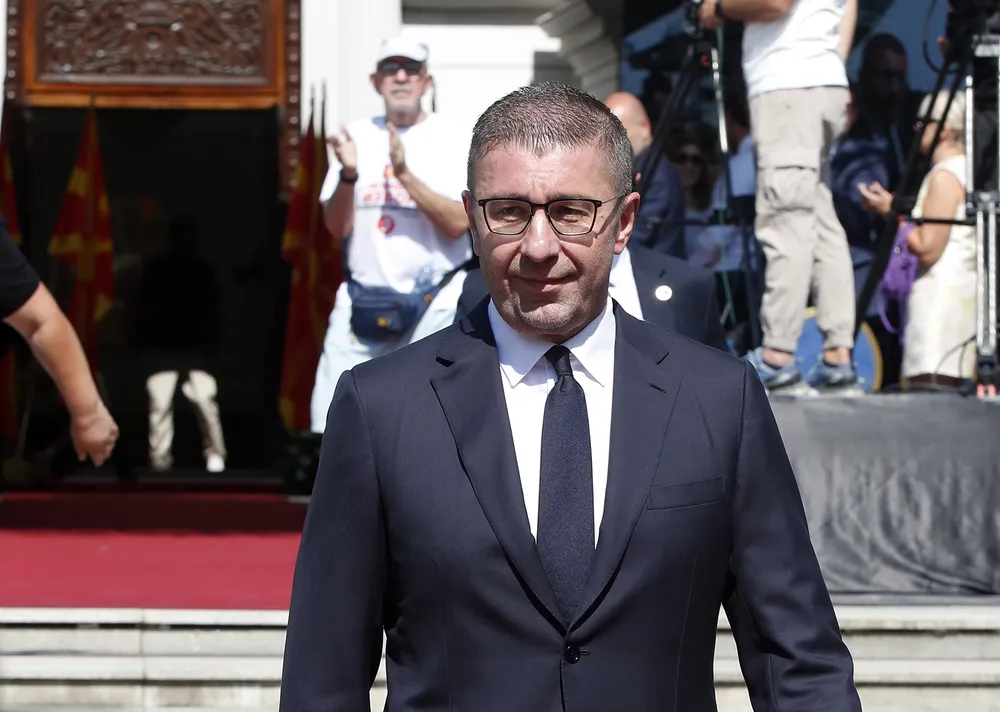
Five negations in one sentence, pension growth "16 times higher" with not a single figure beside it, and a third...
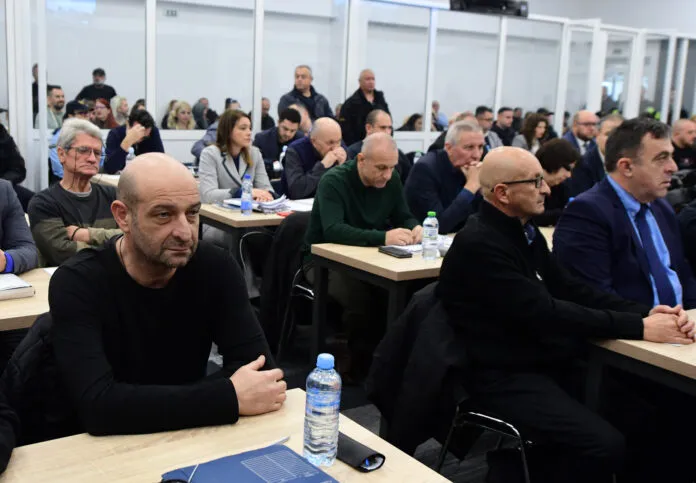
One side waits for a letter, another waits for a different commission, a third waits for consent. In those same...
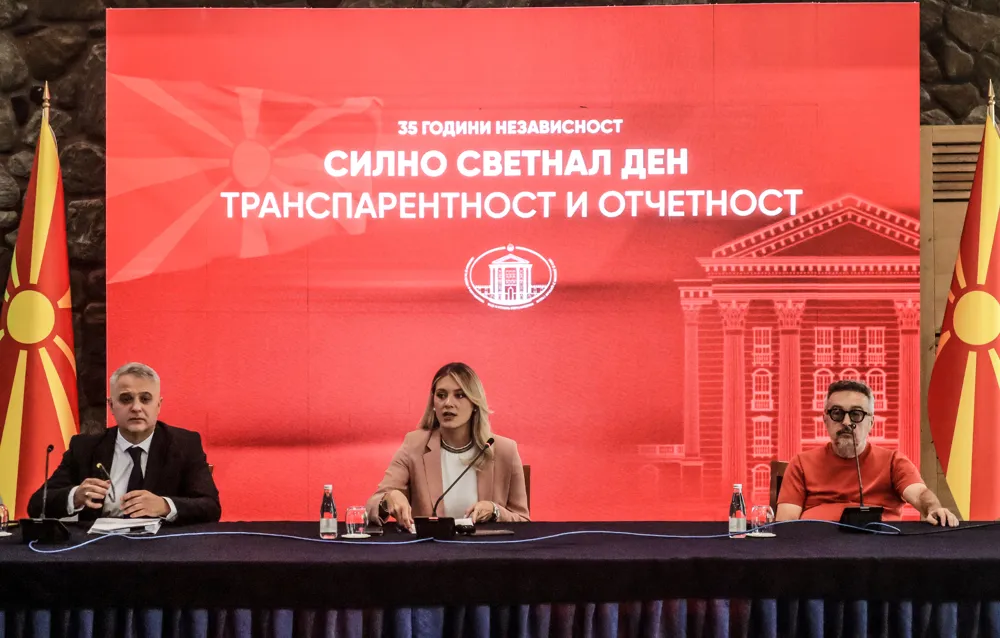
The commission's chairman says it only checked whether the documents were complete. The public call says something else entirely -...
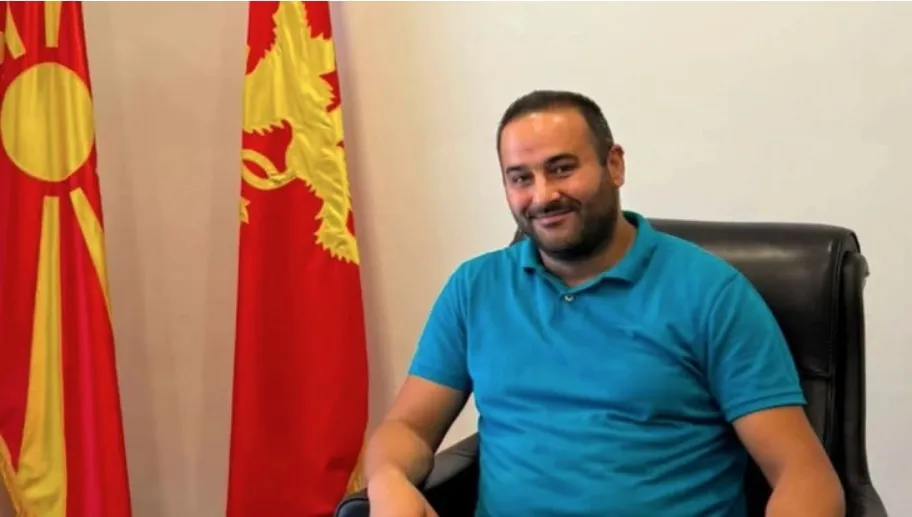
Three candidates, two of them lawyers, one of them employed by the very municipality he is running for. The line...
This site uses cookies - is that okay? Learn more
Be the first to know when Metla launches something new
Leave your email and we will write when there is a new guide or something new on Metla.