

Three of Four Sensors Were Dead: Skopje's Vodno Cable Car Ran Fifteen Years Without a Real Service
17.09.2026


17.09.2026

17.09.2026

17.09.2026

17.09.2026

17.09.2026

17.09.2026

17.09.2026

16.09.2026

15.09.2026

17.09.2026

17.09.2026

16.09.2026
17.09.2026

17.09.2026

17.09.2026

17.09.2026

16.09.2026

15.09.2026

17.09.2026

17.09.2026

17.09.2026

17.09.2026

17.09.2026

17.09.2026

09.03.2026

27.02.2026

19.02.2026

16.09.2026

15.09.2026

14.09.2026

23.04.2026

23.04.2026

12.04.2026

The Supreme Court has ruled: businessman Jordan Kamčev has no right to claim 1.5 million euros in damages in the „Reket" case. Five Supreme Court judges determined that Kamčev is not the injured party here, and so the civil claim for compensation is not allowed. Translation: the money isn't coming back. Kamčev is out.
Some context. The „Reket" case was one of Macedonia's biggest criminal trials of the last decade. In 2019, the then special prosecutor Katica Janeva was charged with extortion - allegedly going through middlemen to demand 1.5 million euros from Kamčev to „solve" his case. Kamčev paid. Later, alongside the other people involved, Janeva was sentenced to seven years in prison. Kamčev maintained that the money made him the victim - and demanded its return through a civil claim of 1.5 million.
The current Supreme Court ruling closes that legal door. The money stays put. Kamčev takes the loss. But the real question is somewhere else: where did the money actually end up? If Janeva extorted it and was convicted for that, then it's „proceeds of crime". It should land in the state treasury - not with whoever received it, not vanished into translations and accounts.
This is a Balkan-flavoured ruling - legally clean, emotionally unresolved. Kamčev wants his money. He can't have it. The money is „somewhere". The institutions whose job was to return it to a state account never moved with any urgency. And Macedonia, as an institution, keeps living with one of its expensive habits: cases close on paper, but on the ground the same hole remains - and another, and another.
For ordinary people, this ruling may not mean much directly. Indirectly, it does. When the Supreme Court hands down a decision that is legally sound but leaves the cash „in the fog," that's a signal that the legal system has no mechanism for actual restitution. It means that next time someone is shaken down with the help of a state official, the citizen who pays will not be able to recover the money. The extortionist is shielded. And that is a structural problem no Supreme Court ruling can fix.
The latest 10 news from this category

The mayor says the cable car was one step away from tragedy. The manufacturer's report found worn-out parts and dead...
One ticket for both train and bus by the middle of next year, 40 new eco-friendly buses, waits under six...
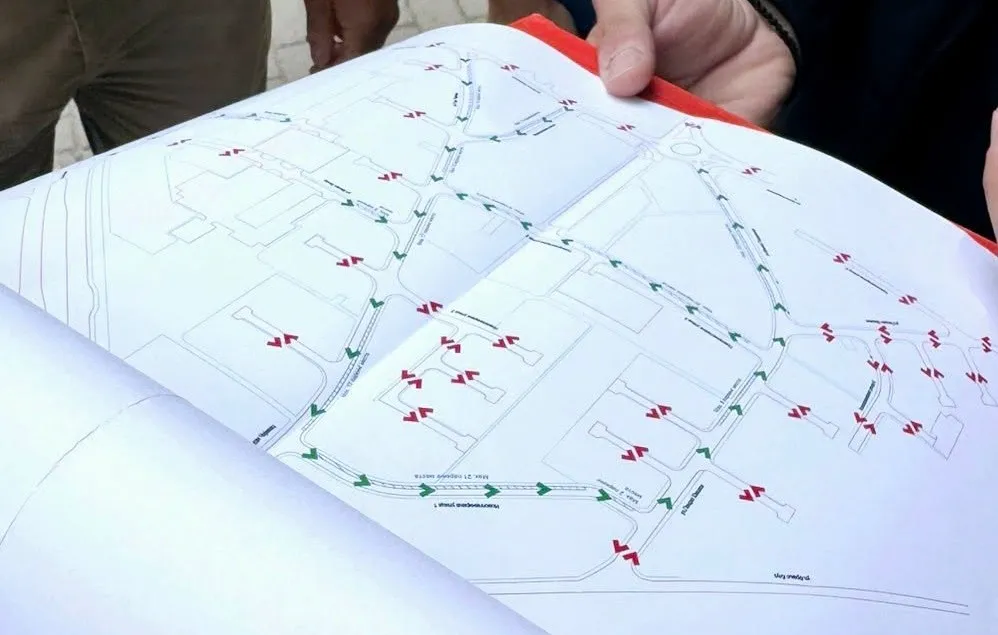
Two streets go one-way, cycle lanes appear and the speed limit drops to 30 km/h. The question nobody answered is...
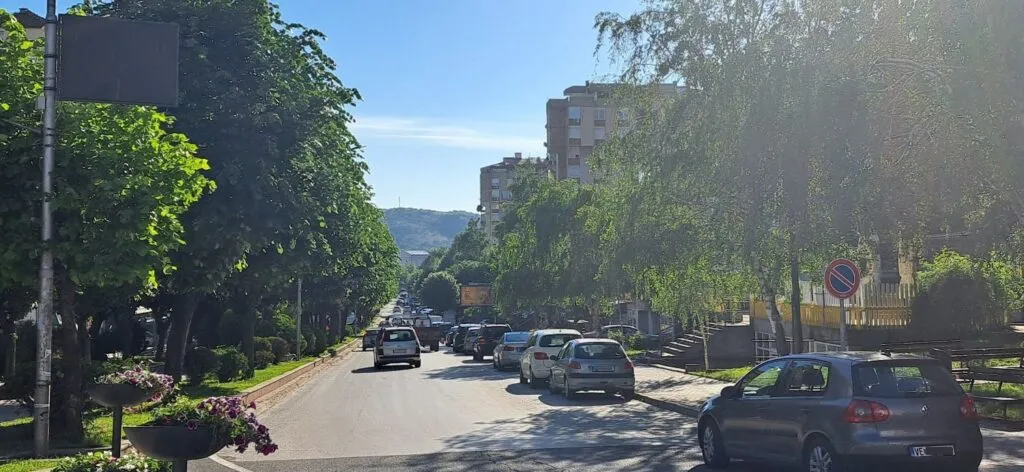
The same system ran for six months and was scrapped over losses. The question facing every councillor is simple -...
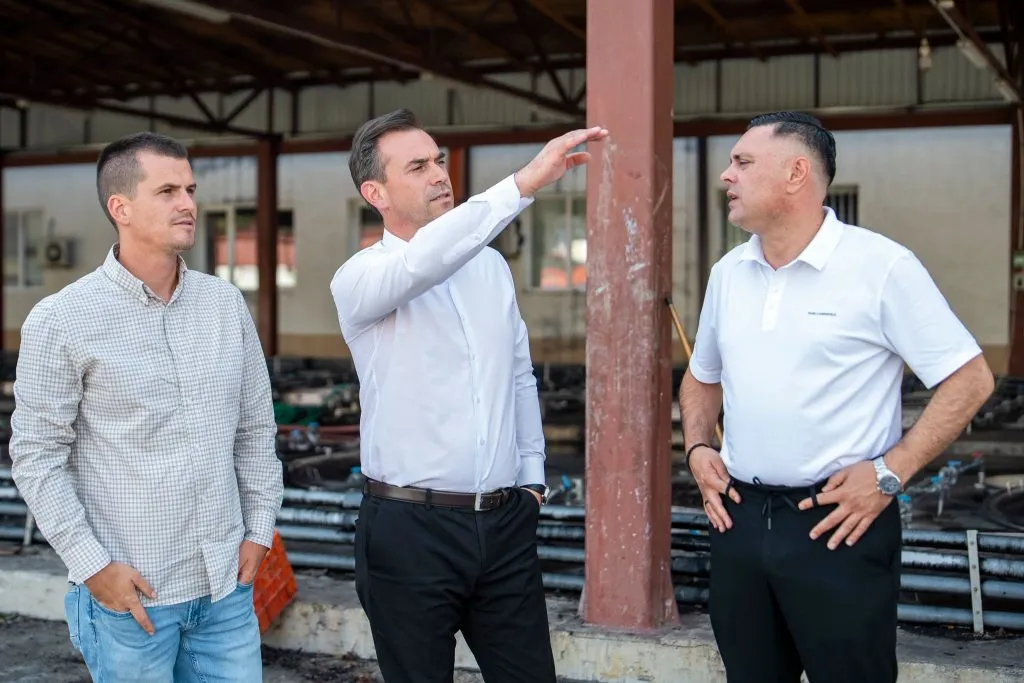
Every healthy Vranec grape has been promised a buyer. Who decides what counts as healthy and in good condition is...

The World Bank dropped out over misalignment with EU requirements. Construction will take two and a half years, and the...

Of 9,500 square metres of greenery, 268 remain. Terrain with an 80-metre height difference, no erosion study and no opinion...

Gjorgjievski says the system should be ready by the middle of next year. The BRT tender is announced for the...
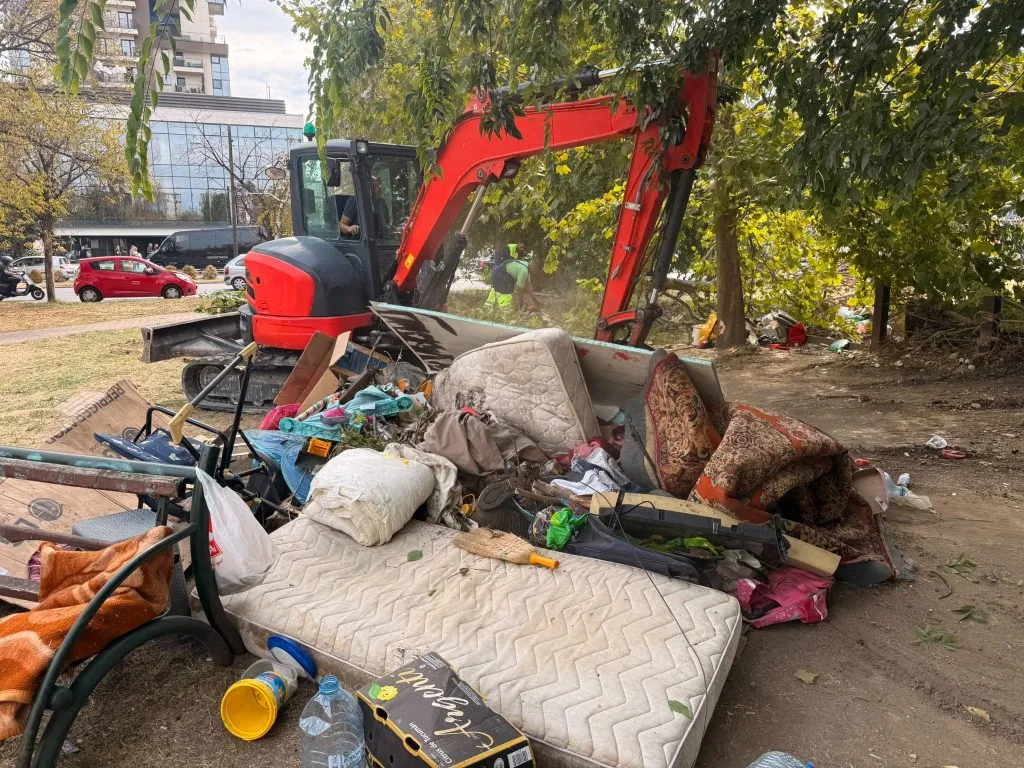
The second operation at the same site within a year. Gerasimovski himself is appealing to the Labour Ministry - because...
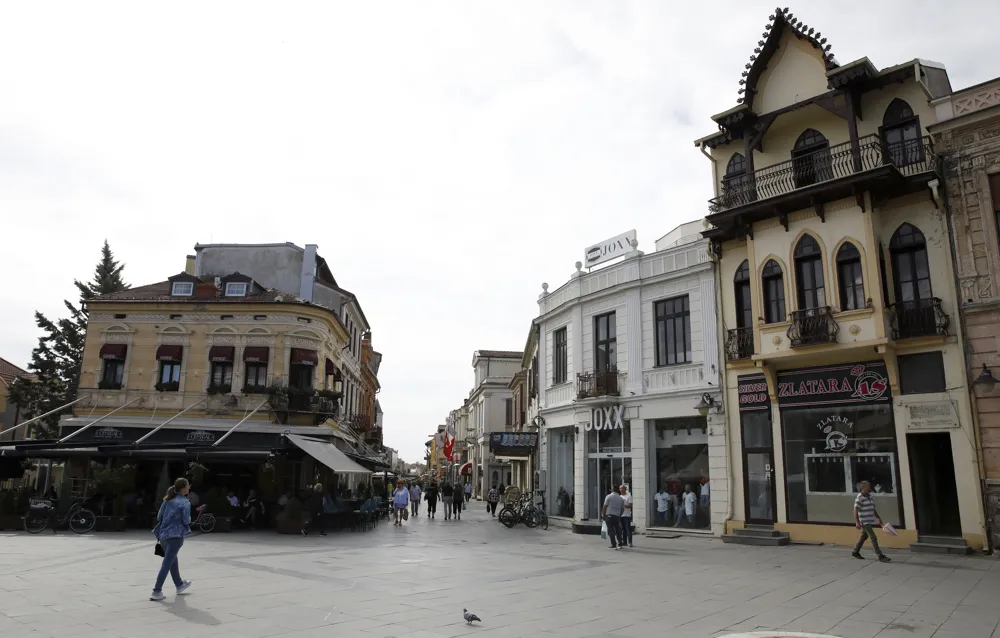
A prosumer scheme, a solar oven and electricity generated by bicycle on Magnolija square. The city that has paid the...
This site uses cookies - is that okay? Learn more
Be the first to know when Metla launches something new
Leave your email and we will write when there is a new guide or something new on Metla.
