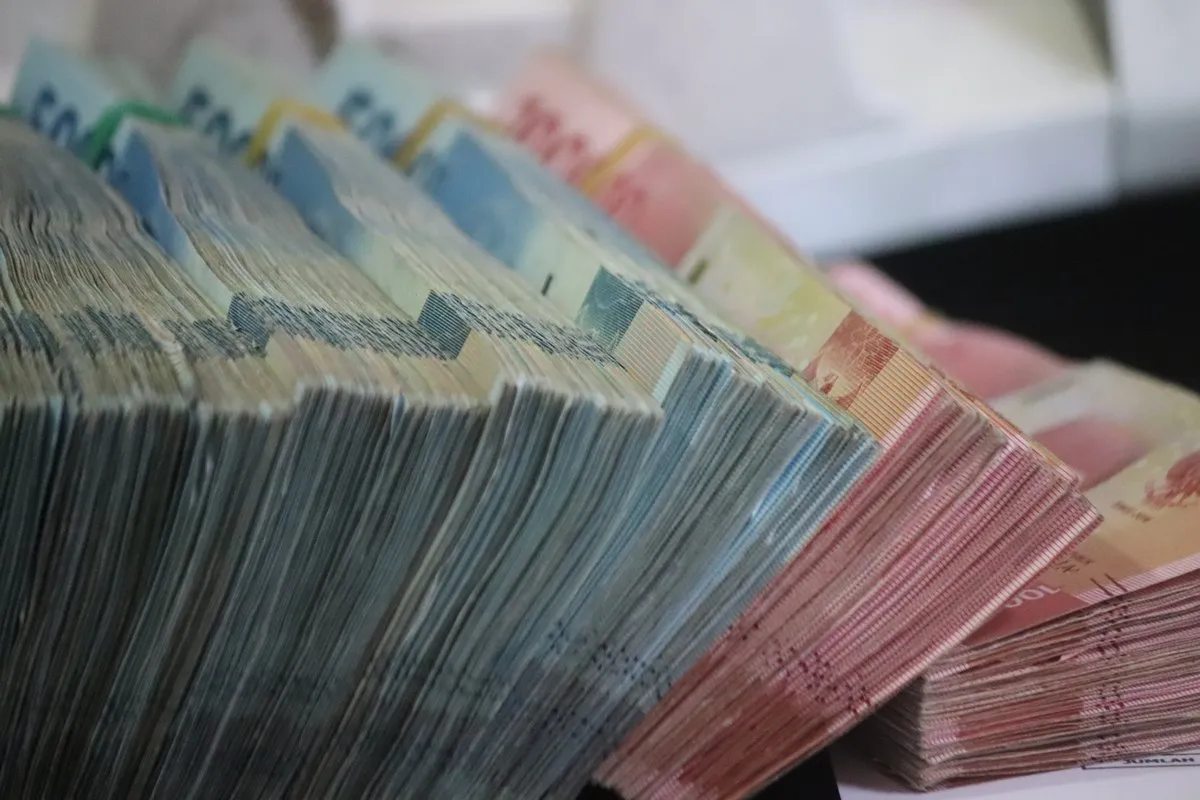
Supreme Court: Kamčev has no right to 1.5 million euros in the Reket case - legal cases close, but the money stays in the fog
02.05.2026


02.05.2026

02.05.2026

02.05.2026
02.05.2026
02.05.2026
01.05.2026

28.04.2026

27.04.2026

27.04.2026

02.05.2026

02.05.2026

01.05.2026

02.05.2026

02.05.2026

02.05.2026

02.05.2026

01.05.2026

30.04.2026

02.05.2026

02.05.2026

02.05.2026

09.03.2026

27.02.2026

19.02.2026

14.04.2026

07.11.2025
07.11.2025

23.04.2026

23.04.2026

12.04.2026

The analysis from Oxfam and the International Trade Union Confederation, released ahead of International Workers' Day, gives a number that's hard to translate into a metaphor: the salaries of the chief executives of the world's largest corporations are growing twenty times faster than the salaries of workers in those same companies.
In real terms, executives saw a real pay increase of 11% last year. The real wage of the worker - 0.5%. Which means that for every real denar of improvement the worker gets, the CEO gets 20 such denars. In the same period. In the same company.
The study covers 1,500 corporations across 33 countries that disclosed executive compensation for 2025. The average CEO - 8.4 million dollars a year. The average worker on the planet, to earn the same sum, would need about 490 years of work. Not four. Not forty. Four hundred and ninety.
And then there are the more extreme cases. Four corporations - including Blackstone, Broadcom and Goldman Sachs - reported paying their chief executives over 100 million dollars in 2025. The ten best-paid CEOs together earned over a billion dollars.
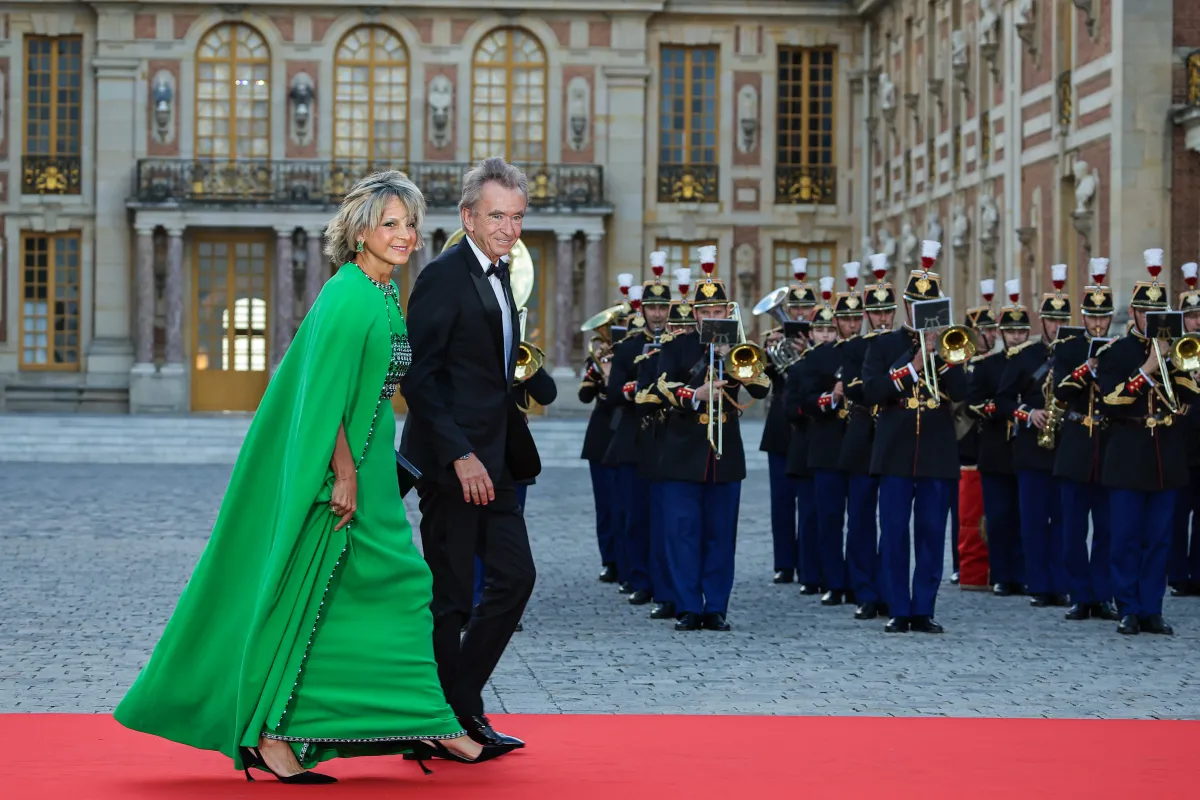
On the ownership side: roughly 1,000 identified billionaires received 79 billion dollars in dividends in 2025. That's 2,500 dollars per second. Bernard Arnault (LVMH) - 3.8 billion. Amancio Ortega (Inditex/Zara) - 3.7 billion.
The CEO of Oxfam says what all their studies have been saying for years now: governments have to cap executive pay, tax the super-rich fairly, and make sure minimum wages at least keep up with inflation.
In the Balkans this isn't news, but the figure still shocks. Do we remember a single company here that kept its workers when the crisis hit, while the executives kept their bonuses? The global trend is the same, just with more zeros. The question is simple: what creates this? And why is nobody stopping it?
The latest 10 news from this category
At the same time, an investigation is looking into whether oil companies are re-exporting subsidised petrol to neighbouring countries. State...
An average European car in the US jumps by 12,500 to 17,500 dollars. German factories in Skopje and Bitola will...

Ryanair is forecasting bankruptcy if regulation does not loosen. Small airports will pay first. The Balkan traveller will be 30-50...

Cursor (Claude Opus 4.6) decided on its own to "fix" a discrepancy. Silicon Valley is in a hurry. Users pay...
Iran's blockade has shaken the markets. US inflation is already at 3.3 percent. Macedonian families will feel it on their...
Цената на новата геополитичка игра на Блискиот Исток нема да ја платат само актерите на сцената – ќе ја платиме...

When OPEC itself cannot hold together, Skopje has no alternative supply chains. Our petrol pump is the tail end of...
$3.198 billion for the quarter - double last year. Hormuz blocked, prices up, the oil giant content.
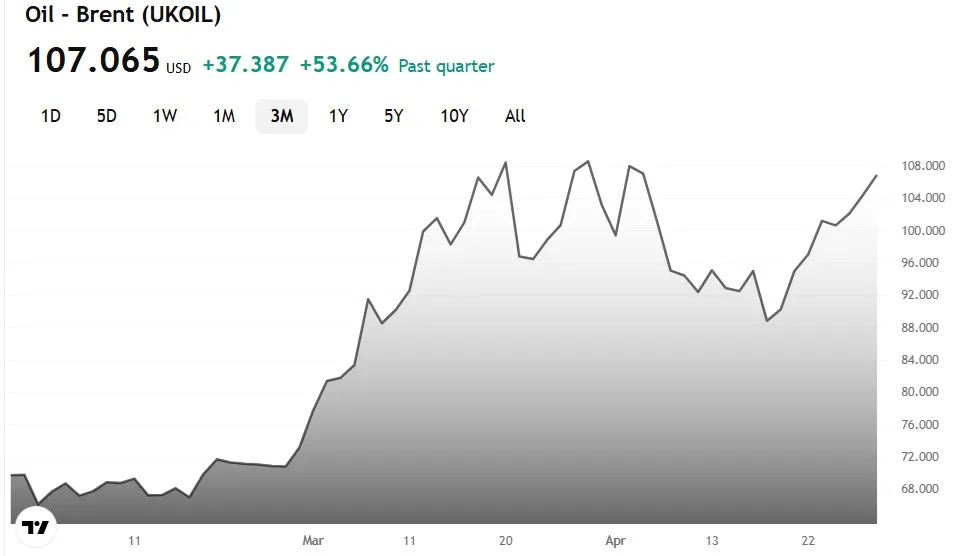
Brent at $108.50 a barrel, Hormuz closed, Goldman Sachs revises forecasts upward. The diplomatic deadlock reads directly at the pump.
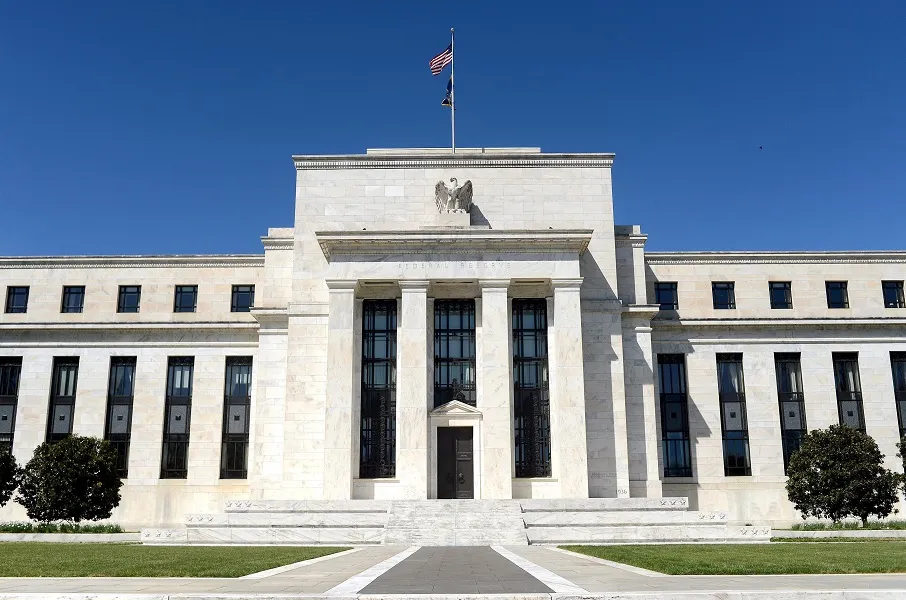
The US central bank meets this week on interest rates - and global markets are holding their breath. Meanwhile, Alphabet,...