
The "Lottery" Trial: 231 Pieces of Evidence, and So Far Not a Single Message Between Grubi and Bajrami
24.09.2026


24.09.2026
24.09.2026

24.09.2026
24.09.2026
24.09.2026
24.09.2026
24.09.2026

23.09.2026
22.09.2026
24.09.2026

24.09.2026
23.09.2026

24.09.2026

24.09.2026

24.09.2026

24.09.2026
23.09.2026
22.09.2026

24.09.2026

24.09.2026

24.09.2026

24.09.2026
23.09.2026

23.09.2026

09.03.2026

27.02.2026

19.02.2026
24.09.2026
23.09.2026
22.09.2026

23.04.2026

23.04.2026

12.04.2026

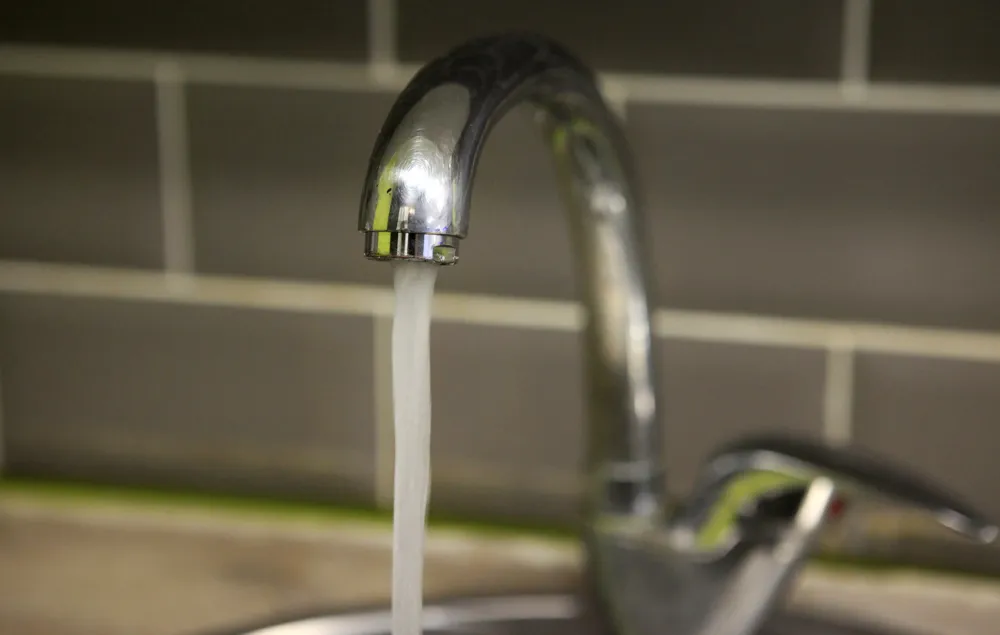
Pseudomonas aeruginosa. That is the name of the bacterium that has kept Gostivar's water undrinkable for weeks now, confirmed by Stojanče Angelov, head of the Protection and Rescue Directorate.
"These bacteria make the water microbiologically unsafe and unfit for consumption because they are dangerous to health," Angelov said, noting that they cause skin, eye and ear infections, and in vulnerable people can lead to urinary tract and lung infections. Then he added a detail anyone who has worked with antibiotics will recognise: they are highly resistant to many common medicines and antibiotics.
Three tankers for a whole town
The official defence of all of Gostivar today consists of three water tankers. One from the Gostivar fire brigade, one from Bechtel and Enka, and one from Bogovinje. Each has made two runs to residents so far, with a plan to send two more rounds by evening. Distribution is coordinated with the municipal protection and rescue headquarters.
Three tankers. For a town of tens of thousands. Water from the town network may currently be used only as technical water, and hyperchlorination continues. The utility company says samples have been taken for physical-chemical and bacteriological analysis, and the results will show when the water is safe.
The authorities announced that people in Gostivar would have clean water by the end of last week. Here we are at the start of a new week, and the water is still being trucked in. Some residents have moved on to the shops - demand for bottled water has risen, which means people are paying for their own water supply twice.
The number worth holding on to: 4,684
According to the health ministry's report, on 2 August the hospital in Gostivar registered 84 first examinations, 27 more than the previous day's 57. The total number of patients since this began is 4,684.
The ministry stresses that the epidemiological situation is stable and continuously monitored, and that the figure remains well below the peak of 18 July, when 649 examinations were recorded in a single day. That is accurate and it is good news.
But 4,684 people through one hospital because of municipal tap water is not an epidemiological statistic - it is a bill. And it is still unanswered who issued it. The analyses will say when the water is safe again. No analysis will say why it stopped being safe, or who was supposed to prevent that.
The latest 10 news from this category
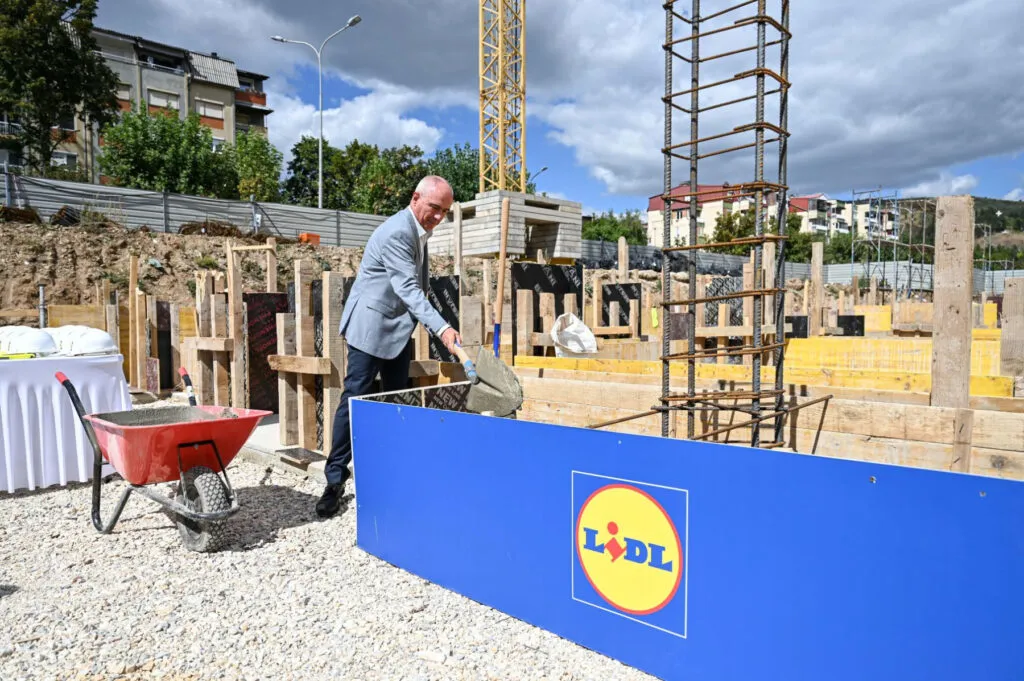
The square metres and parking spaces were announced down to the last one. How many people will be hired and...
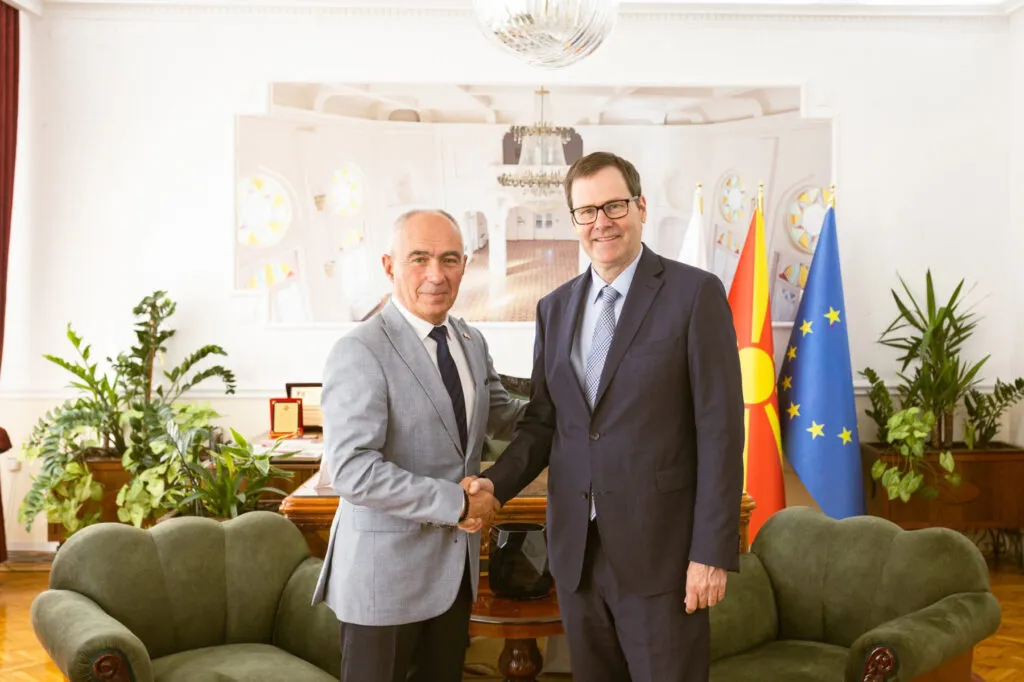
The mayors offered a "favourable business climate" and raw materials. The only concrete thing to come out of the meetings...
Home-address checks are being announced with the police as a partner, while the health minister admits that monitoring where sick...
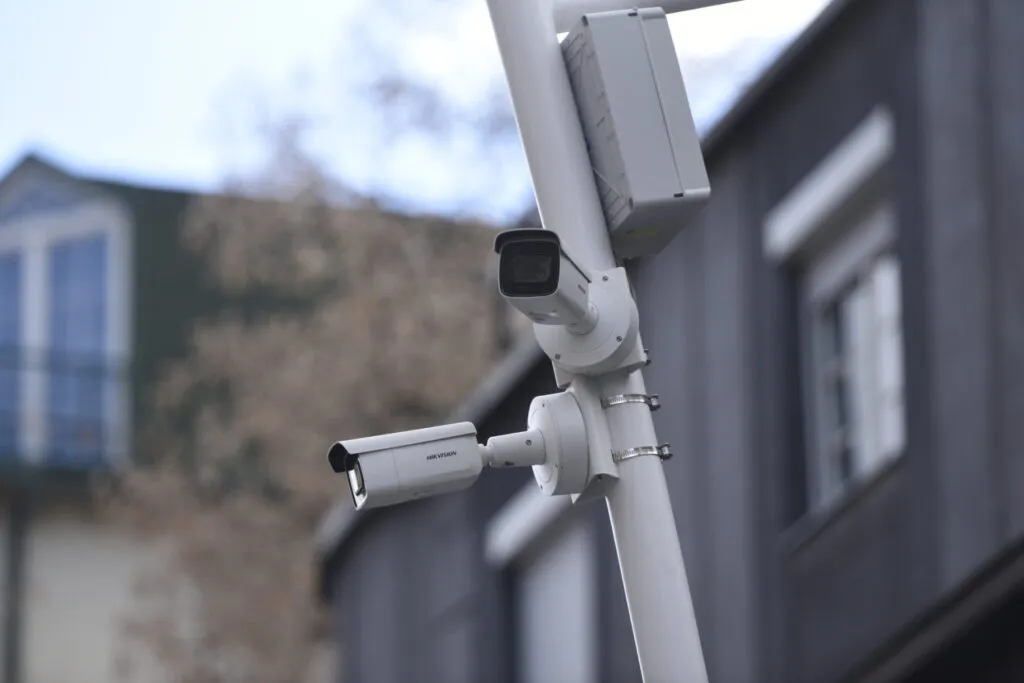
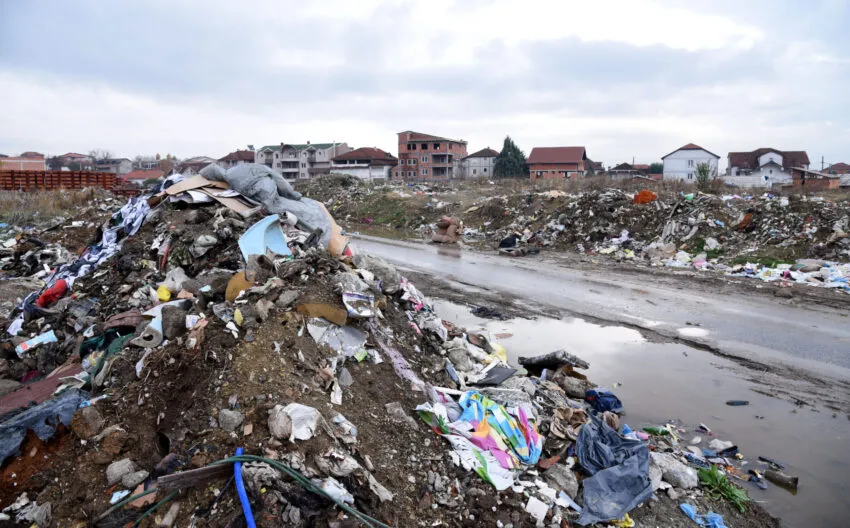
The city has announced round-the-clock video surveillance against illegal dumps and vandals, and the cameras haven't even been bought yet....
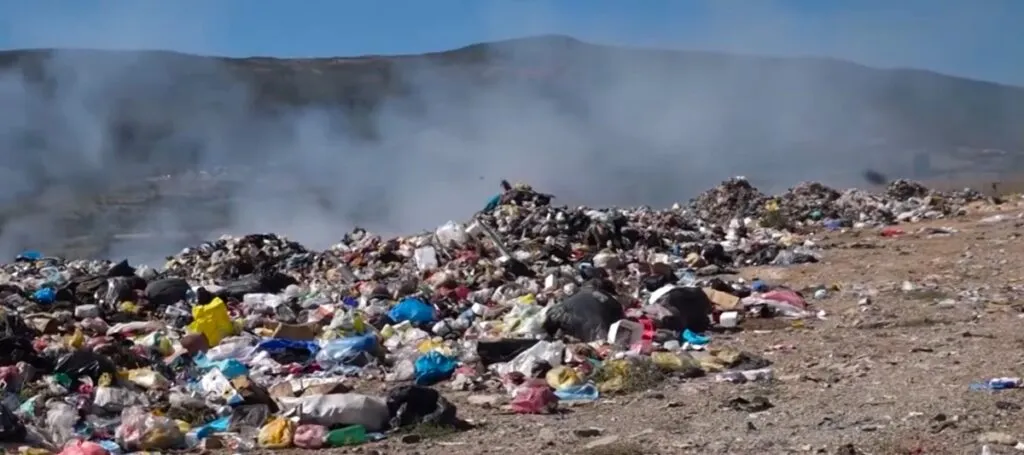
Residents want the trucks serviced; the company wants better packaging. Meanwhile, 650 cubic metres of illegal dumps were cleared in...
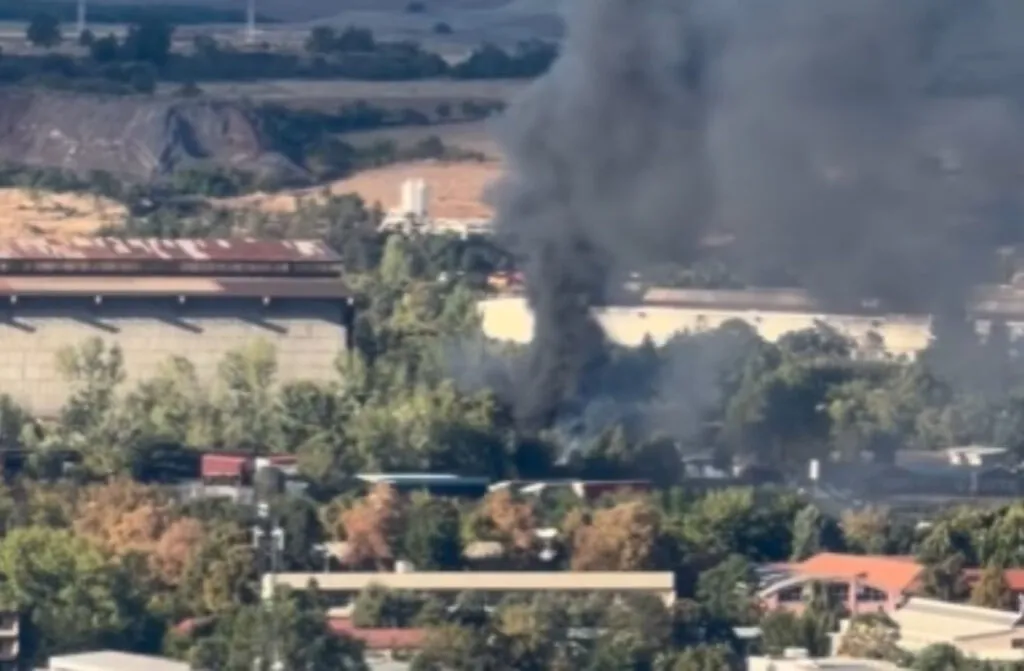
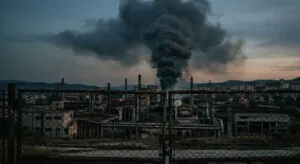
According to the Crisis Management Center, a paint and varnish warehouse was on fire. That explains why the smoke was...
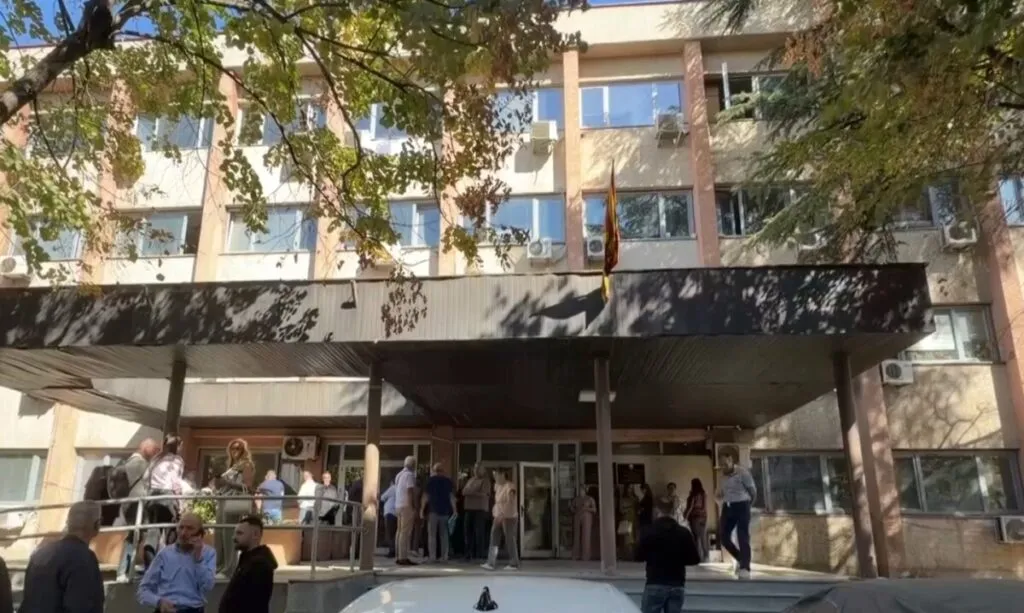
The union says staff have endured insults and threats from the court president for years. She says this is really...
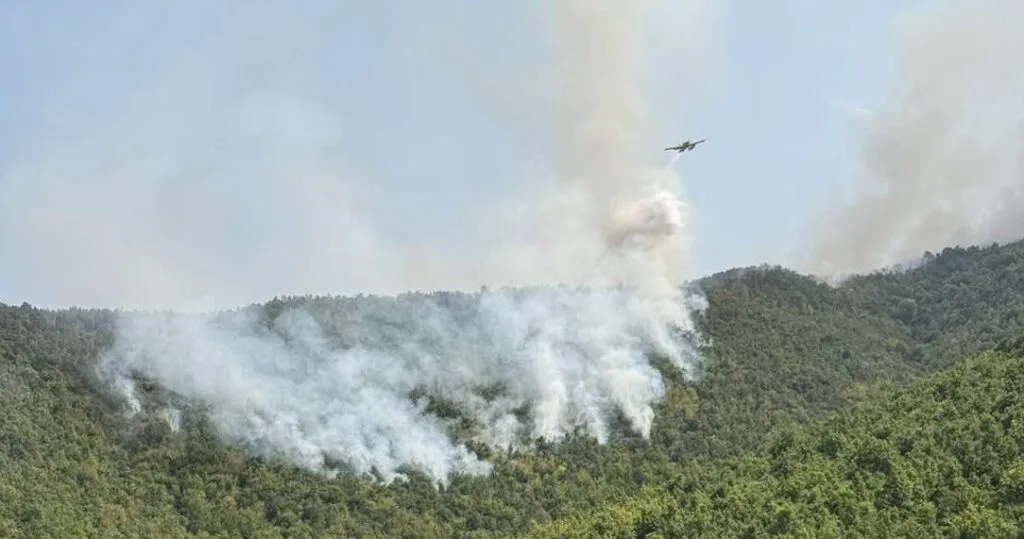
The state audit found a system that responds well and plans badly. The reforms were demanded by the EU screening...
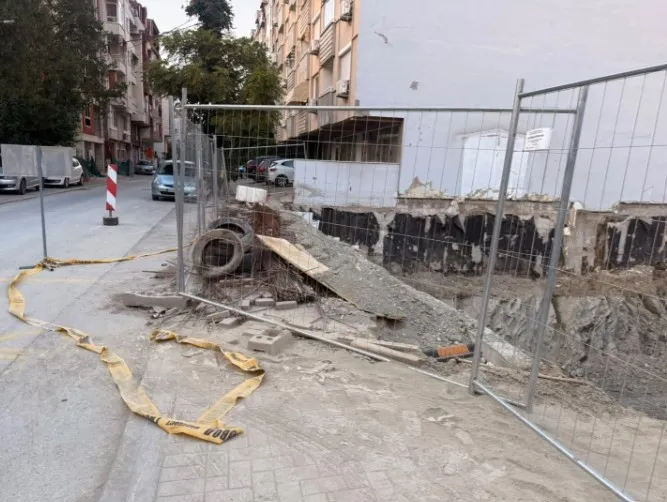
To fine a bar that is too loud, a citizen has to file a complaint at the municipal Registry. The...
In Montenegro the same offence costs up to 2,000 euros. But the fine is not the only problem: Skopje's municipal...
This site uses cookies - is that okay? Learn more
Be the first to know when Metla launches something new
Leave your email and we will write when there is a new guide or something new on Metla.