
New Investigation Into the Owner of "Pulse": Prosecutors Say He Bought the Licence With a Bribe
02.10.2026


02.10.2026

02.10.2026

02.10.2026
02.10.2026
02.10.2026
02.10.2026

02.10.2026

01.10.2026

30.09.2026

02.10.2026

02.10.2026

01.10.2026

02.10.2026

02.10.2026

02.10.2026

02.10.2026

01.10.2026

30.09.2026

02.10.2026

02.10.2026

02.10.2026

02.10.2026

01.10.2026
01.10.2026

09.03.2026

27.02.2026

19.02.2026
02.10.2026

01.10.2026

01.10.2026

23.04.2026

23.04.2026

12.04.2026

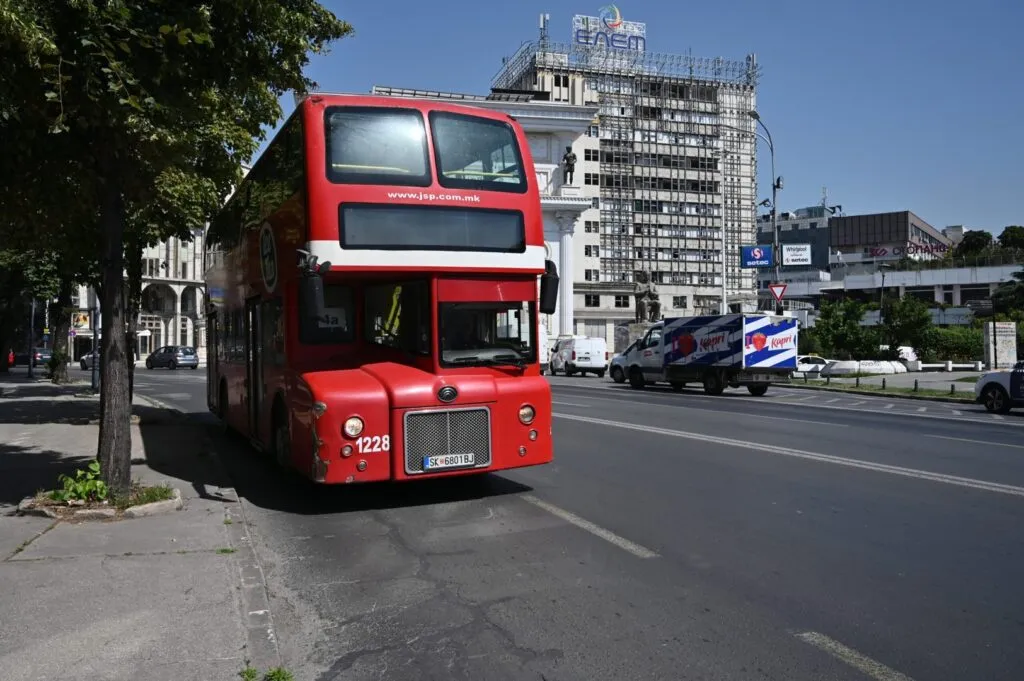
Just five days ago, JSP Skopje, the city's public bus company, announced with the City's backing that it was introducing a digital student travel card for free public transport. Data was supposed to sync automatically between the universities and JSP, and students would get a QR code on their phones.
Then came the session of the Skopje City Council. The amendments it adopted to the Decision on the Integrated Fare System do introduce a digital pass - but only for first-year pupils at city-run and state-run secondary schools. The next phase will cover second-, third- and fourth-year pupils, who already have personalised electronic cards. Students aren't mentioned in the decision at all.
JSP director Saše Ilievski explained that the aim is fewer counters and less queuing. Users will get instructions by email and a QR code in the JSP app. Students, he said, will come later. "The whole procedure has to go step by step," he said. Exactly when, he didn't say.
The digital pass will be personalised, and JSP will be able to block it in case of misuse. Issuing it won't require an on-the-spot photo or a printed picture, as long as identification is done through the electronic system.
There's also a part of the decision that deserves more attention than the QR code. Every time a pass is validated, the system will record the date and time, the vehicle, the driver, the line, the direction, the stop, plus the user's details and their category - in line with personal data protection rules. For first-year pupils, that means a detailed map of every ride they take.
Digitalisation is welcome, especially if it shortens queues. But there are two questions. Why did the announcement for students evaporate within five days? And who will keep data on teenagers' movements around the city - for how long, and for what purpose?
The latest 10 news from this category

The National Security Agency announced a search of a suspect's home and suspicion of three crimes - but published not...
Bus drivers and street cleaners get priority, admin jobs are cut to a minimum. Sounds good - but not one...
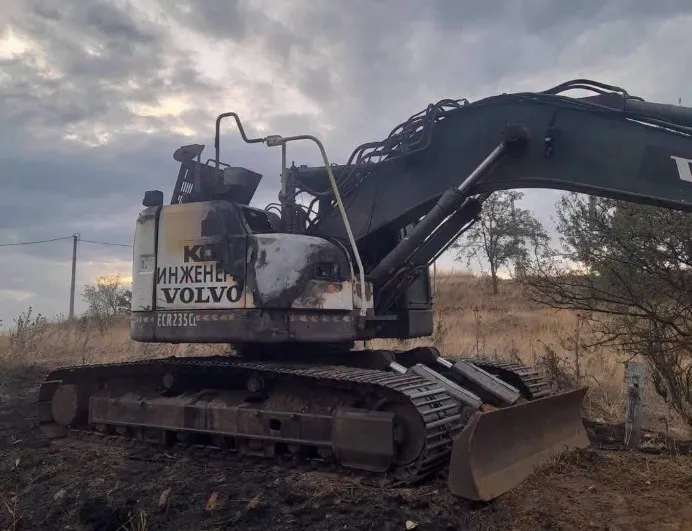
Days after the foundation stone was laid for a stadium worth around 550,000 euros, an excavator burned on the site....

The country's leadership greeted new students with talk of critical thinking, curiosity and coming home. The message is clear -...
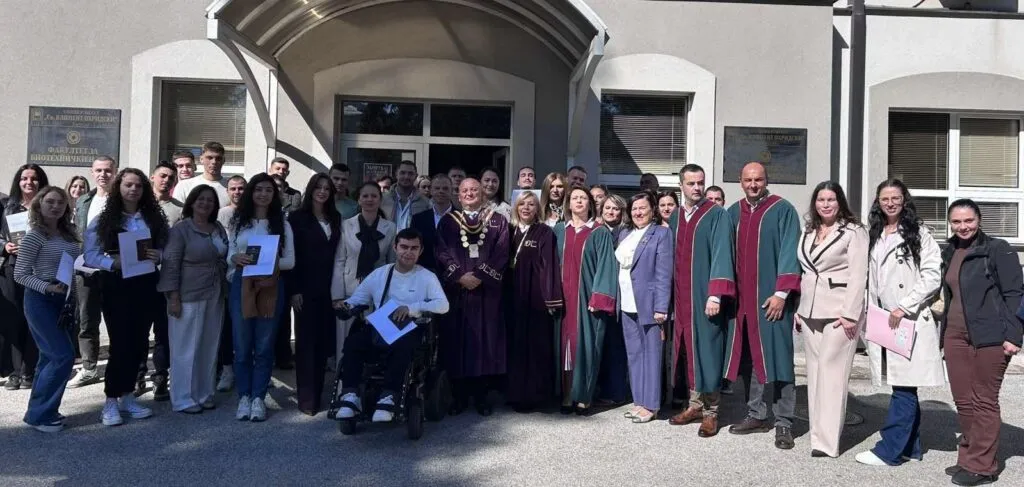
The rector of UKLO announces growth in enrolment and a fourth extra enrolment round. Good news for Bitola - in...
The World Bank and the Ministry put in 1.25 million denars, the municipality 438,000 denars and a van. A modest...

Seven zones from the Western Balkans signed memoranda in Budva, just one of them from Macedonia. A good start -...
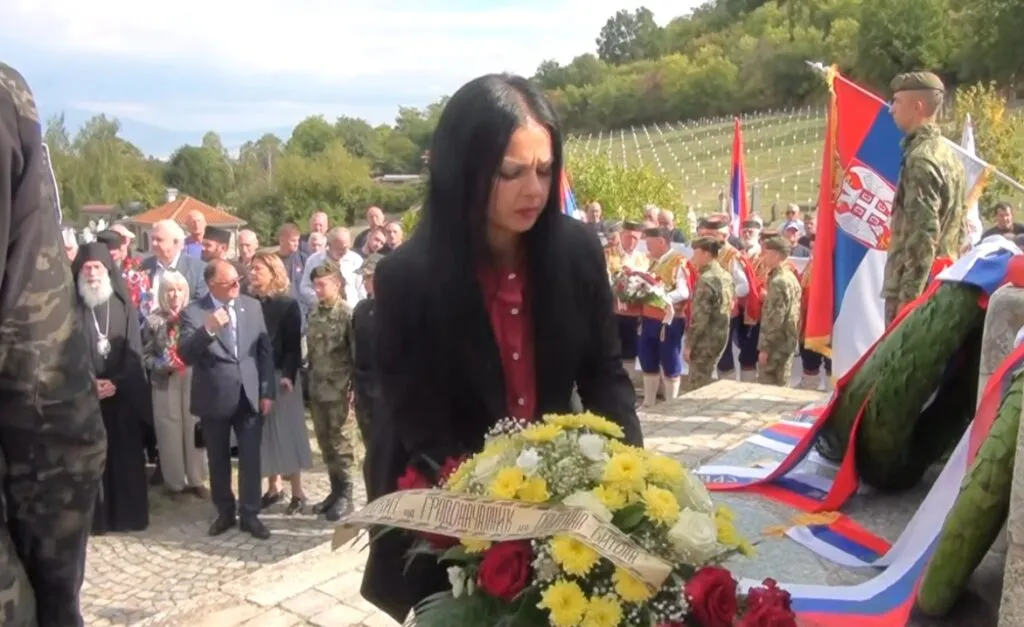
A ceremonial academy at the Officers' Club, flowers at the Serbian military cemetery and a commemoration on Nidzhe peak. For...
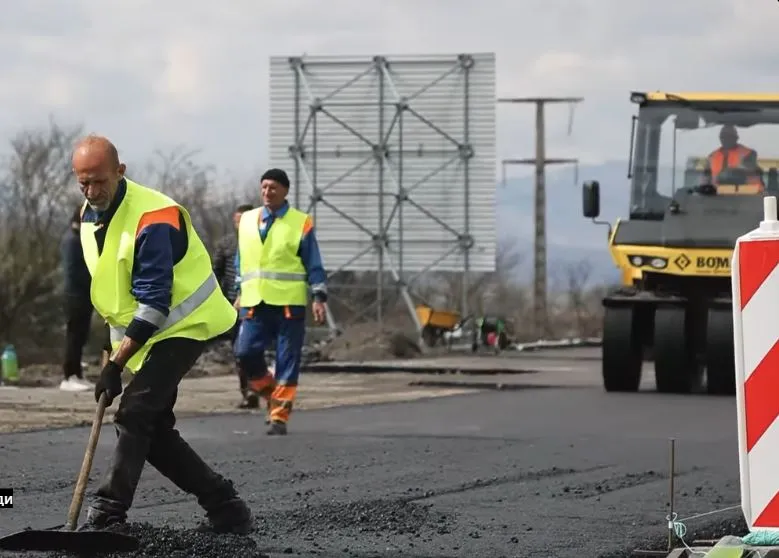
The list is long and specific, from Rzhanichino to Katlanovska Banja. Only one detail sticks out: the municipality's annual review...
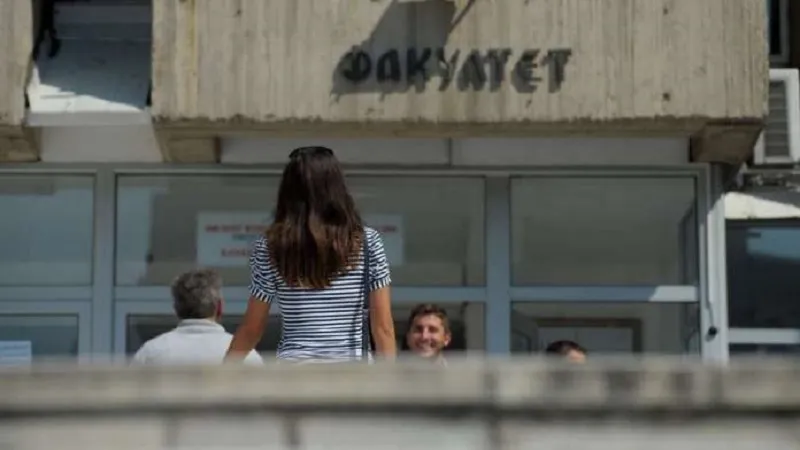
First lectures at six state universities, the prime minister in Shtip, the minister in Skopje. The real exam for the...
This site uses cookies - is that okay? Learn more
Be the first to know when Metla launches something new
Leave your email and we will write when there is a new guide or something new on Metla.