Ohrid man beat his girlfriend unconscious, and his mother, a former head of the anti-corruption commission, reports her father
16.11.2026


16.11.2026

16.11.2026

16.11.2026
16.11.2026

16.11.2026
16.11.2026
16.11.2026

15.11.2026

15.11.2026

16.11.2026

16.11.2026

15.11.2026

16.11.2026

16.11.2026

16.11.2026

16.11.2026

15.11.2026
14.11.2026

16.11.2026
15.11.2026

14.11.2026

16.11.2026
16.11.2026
15.11.2026

16.11.2026
15.11.2026
15.11.2026

23.04.2026

23.04.2026

12.04.2026

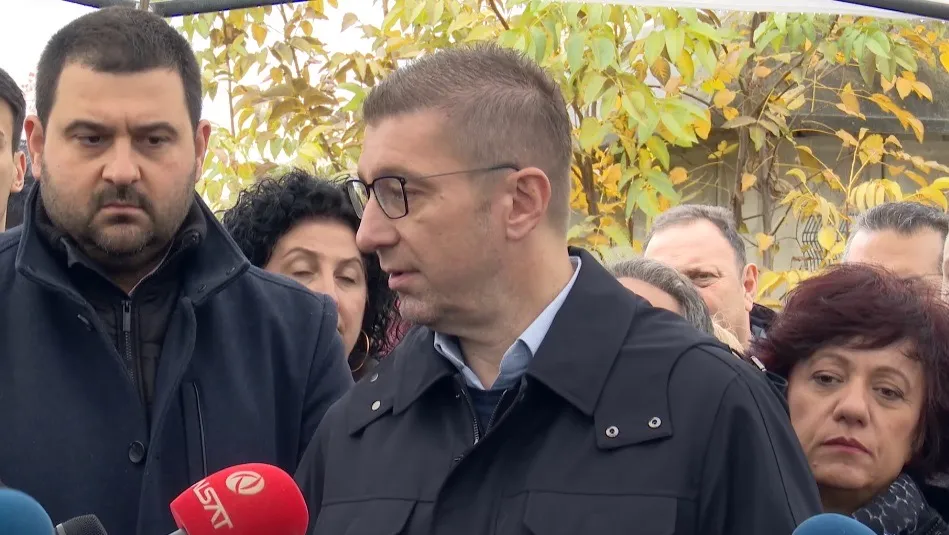
"Instead of the current 100 euros for an appeal, he'll pay a lot more, so let's see him appeal then." With that sentence, Prime Minister Hristijan Mickoski defended the amendments to the Law on Public Procurement, which parliament passed again with 63 votes in favour and 20 against.
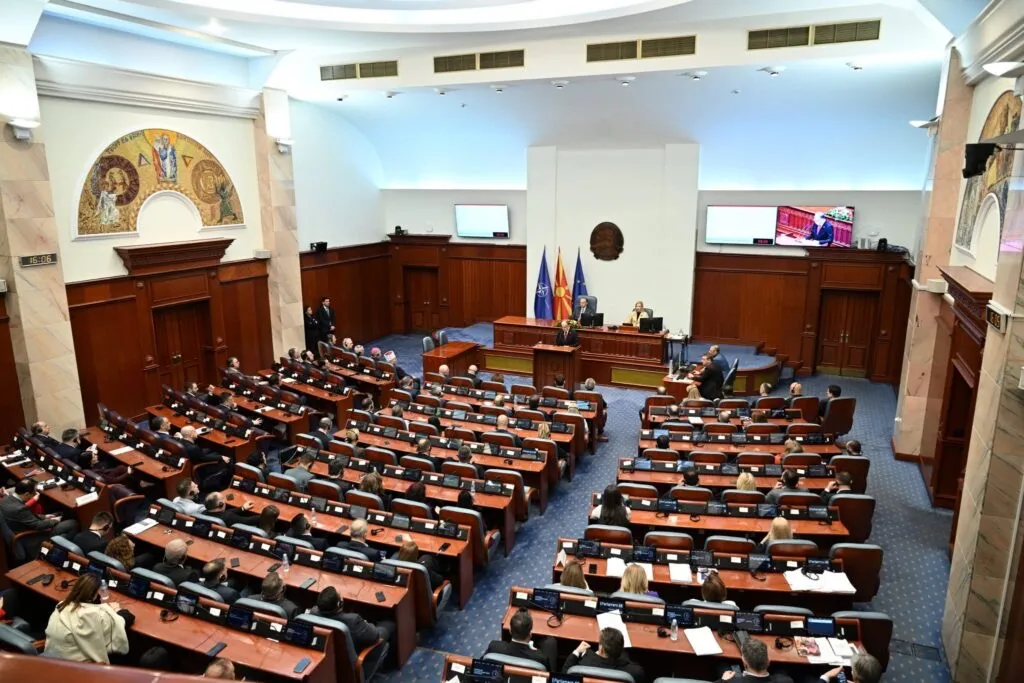
The law came back to the chamber after President Gordana Siljanovska-Davkova refused to sign the decree. Her veto concerned only one provision: the possibility for members of the State Commission for Public Procurement Appeals to be reappointed without limit. Article 13 has been deleted. Everything else stayed.
What changes
The threshold for a single purchase without a tender for goods and services rises from 1,000 to 2,000 euros, and for construction works from 5,000 to 10,000 euros. The annual amounts an institution can spend this way are going up too: up to 25,000 euros for goods and services and, according to critics and media analyses of the text, up to 120,000 euros for construction works. The Centre for Civil Communications estimates that the total value of purchases below the legal thresholds could rise from around 18 to 37.5 million euros a year.
Appeal fees go up from 50-200 to 150-600 euros, depending on the value of the contract. A company that hires a lawyer will pay that cost even when its appeal is upheld in full. Also scrapped is the mandatory prior approval from the Public Procurement Bureau for negotiated procedures without a published notice, introduced in 2019. The Bureau says it's replacing it with an obligation to file a notice for voluntary ex-ante transparency.
The prime minister: lawyers are killing tenders
Mickoski claims that law firms and companies deliberately collude, sink tenders and make money from appeals. His example is a kindergarten that puts out a 50,000 denar tender for servicing windows, and the procedure ends up costing more than the purchase itself. Asked about the experts and NGOs warning of abuse, he answered with a question: "Who are these experts, do they have names?"
At the same time, he admitted a mistake. The unlimited mandate on the commission, he says, was put in because "in this country we don't have a big choice of experts" in public procurement. So there aren't enough experts when it comes to filling the commission - but there are enough of them to be a problem when they criticise.
"More money for deals behind closed doors"
SDSM says the changes mean "more money for deals behind closed doors" and contracts with hand-picked firms. In the debate, MP Mile Cekov pointed out that 1.6 billion euros went through public procurement last year alone, and that the latest European Commission report says there's no progress in the fight against corruption.
A mother who sits on the parents' council at a Skopje school has an example that runs the other way from the prime minister's. Transport for a school trip to Gazi Baba park, she says, costs their school 290 denars, while the same carrier that drives their school takes children from another Skopje school to Gazi Baba for 120 denars. The explanation they get: the carriers agree in advance who goes where and at what price. A more expensive appeal doesn't fix that.
The government says it's chasing out those who make money from appeals. But if an appeal that costs three times as much also scares off the companies with a legitimate complaint, who will call out the dodgy tenders then? Especially when, according to research by the Centre for Civil Communications, only a small share of tenders gets appealed even now.
The latest 10 news from this category
Vredi pulls out Artan Grubi's signature, SDSM says it's about 1.85 percent of Mijalkov's confiscated shares, and DUI calls the...

Article 13, which the President had blocked, is gone. Everything else stayed: a threshold twice as high, a pricier appeal,...
The prime minister says the previous government tailored itself an amnesty that can't be fixed retroactively. The new package also...

Gashi counted the break against the opposition's time, the majority asked for another one, and the two hours were gone....
One quiet change of wording was meant to let members of the tender appeals commission be reappointed without limit. The...
The prime minister admits an election would suit him politically, but says six months of a caretaker government would bankrupt...

The president stopped the law, the majority cut one article and moved on. The contested provisions the opposition warned about...

Seven years of work, 33 EU directives and not one public word about the issue that shook the country in...
One coalition partner offers a solution, another threatens to walk out if it passes. The exam for future judges has...
Brussels praised foreign policy and the Growth Plan. On corruption it writes that there's no progress, and on the judiciary...
This site uses cookies - is that okay? Learn more
Be the first to know when Metla launches something new
Leave your email and we'll write to you when there's a new guide or something new on Metla.