


Kriva Palanka: 104 Police Reports Against the Family with the Cows - and Now a Woman with a Broken Leg
24.11.2026


24.11.2026

24.11.2026

24.11.2026
24.11.2026

24.11.2026

24.11.2026
24.11.2026

23.11.2026

22.11.2026

24.11.2026

24.11.2026

23.11.2026

24.11.2026
24.11.2026

24.11.2026

24.11.2026

23.11.2026

22.11.2026

24.11.2026

23.11.2026

22.11.2026

24.11.2026

23.11.2026

23.11.2026

24.11.2026
23.11.2026

23.11.2026

23.04.2026

23.04.2026

12.04.2026
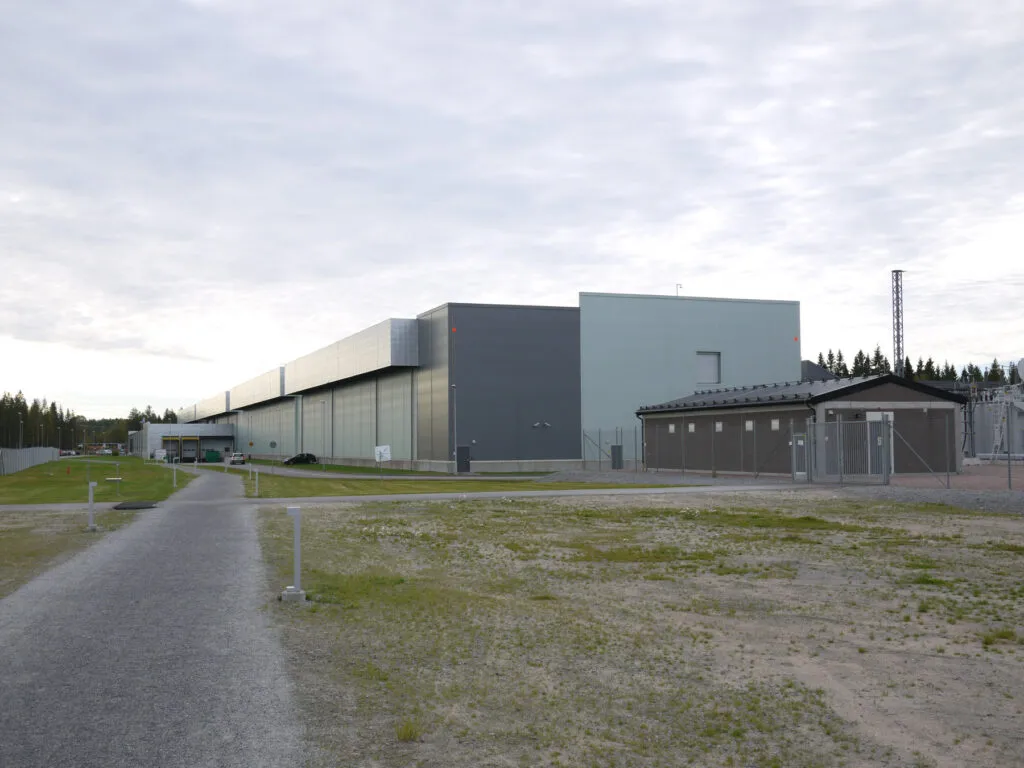
Meta buried the most important part of its new sustainability report: the company will almost certainly miss its own goal of net zero emissions by 2030, and it won't give a new deadline.
"We are re-evaluating our timelines, sequencing and interim goals, including the 2030 net zero deadline," wrote Rachel Peterson, vice president for data centres, and Blair Swedeen, global head of sustainability, in the introduction to the 2026 report. A company spokesperson added that Meta "remains committed to net zero" but is reviewing the deadline.
The numbers explain why. Despite years of buying clean energy, Meta's greenhouse gas emissions more than doubled over the last four years. Between 2024 and 2025 alone, emissions from its data centres jumped more than 12-fold - and its biggest project, the Hyperion data centre in Louisiana, isn't even running yet.
Hyperion is a multi-billion-dollar bet on natural gas. Gas burns cleaner than coal, but once leaks along the infrastructure are counted, its impact on warming can be just as bad. The turn to gas also took the company out of RE100, the corporate renewable energy initiative: Meta left in July, after a decade of membership, when RE100 demanded stricter reporting.
The company's explanation sounds like it is describing a storm. Demand for artificial intelligence (AI) infrastructure "grew faster than almost anyone predicted" and arrived "on a timeline measured in quarters, not decades". All true. But the decision to race into AI, and the decision to do it with gas, were made by the company itself.
Gas isn't even as good a technical solution as it looks. Gas turbines like a constant speed, while the consumption of AI data centres rises and falls with the load, so they still need batteries. Meanwhile, geothermal energy is advancing: companies like Fervo, Mazama and Quaise could unlock tens of gigawatts of capacity and become competitive with gas by the mid-2030s, just a few years after Meta finishes Hyperion.
A voluntary climate target is like a campaign promise: it holds until it starts costing money. Meta has just shown that breaking it carries almost no penalty. Will anyone believe the tech giants next time they announce a new deadline - or will regulators start writing the deadlines for them?
The latest 10 news from this category
Two weeks ago he left over a relationship with a woman suspected of spying for China. Today he is back,...
The measure is called perplexity, and Sam Altman called the post the most important thing OpenAI has published lately. The...

The startup got its Indian patent more than a year after Apple announced the feature. Now it wants the court...

Instead of another wave of layoffs, an offer to walk out on your own. Microsoft's boss says every job will...

Shortical doesn't yet have a single signed "rent-your-face" contract, but it's already advertising the offer in capital letters. In China,...

A 167-year-old problem, a million-dollar prize and an employee of a company that went public this very week. Meanwhile, Stanford...

No password, at an easily guessed address: police interrogation recordings, raw audio and prosecutors' invoices sat publicly on Amazon's cloud....

The order leaked, Washington protested, Apple switched off its strongest protection for British users - and the government kept insisting...
A new service in three US cities tries to solve the oldest family problem - who takes the kid to...

Investors paid more than announced and smashed SpaceX's record. But the biggest slices of the company aren't held by funds,...
This site uses cookies - is that okay? Learn more
Be the first to know when Metla launches something new
Leave your email and we'll write to you when there's a new guide or something new on Metla.





