


Kriva Palanka: 104 Police Reports Against the Family with the Cows - and Now a Woman with a Broken Leg
24.11.2026


24.11.2026
24.11.2026
24.11.2026
24.11.2026
24.11.2026

24.11.2026

24.11.2026

23.11.2026

22.11.2026

24.11.2026

24.11.2026

23.11.2026
24.11.2026

24.11.2026
24.11.2026

24.11.2026

23.11.2026

22.11.2026

24.11.2026

23.11.2026

22.11.2026

24.11.2026
23.11.2026

23.11.2026

24.11.2026

23.11.2026

23.11.2026

23.04.2026

23.04.2026

12.04.2026


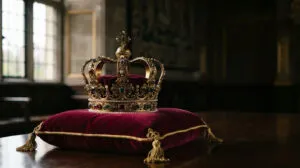
Photo: Pixabay Pexels, Pexels License
In October, Norway's Epstein Commission, which is investigating the traces of the Epstein case in Norway, requested a conversation with Queen Mette-Marit. The commission's chair, Amund Djuve, told the public broadcaster NRK that such a conversation "could be valuable for the commission's work". The Royal Court's answer was a short no.
The Court, however, didn't decide on its own. The advice came from the Prime Minister's Office, which recommended that the queen not give a statement about her former contact with Jeffrey Epstein, and Prime Minister Jonas Gahr Støre stands behind that recommendation. So when the queen stays silent, it is a political decision too, not just a royal one.
The reasoning is constitutional. Anne Kristin Hjukse, who runs communications at the Prime Minister's Office, says they have no record of a member of the royal family ever giving a statement before a commission, going all the way back to the 1814 Constitution. According to her, an explanation from the queen "raises questions about the fundamental separation of powers". The Constitution, she adds, gives "special legal protection" to the royal princes and princesses, and it is presumed that this also applies to the queen.
Presumed. An entire constitutional line of defence rests on a protection that, in the government's own words, is only presumed to cover the queen. Djuve doesn't seem convinced: "We are not sure that this is consistent with the starting point we have," he said. The commission will discuss how to proceed and still wants to hear from the queen before its final report, which is expected in January 2028.
All of Norway knows the context. Mette-Marit's name appeared in the documents the US Department of Justice released at the start of 2026, and she and Haakon then sat down in front of NRK's cameras, where she expressed regret over her contact with Epstein. Back then she was crown princess and the questions were about her personally. Now that Haakon has succeeded his father Harald V and she is queen, the government defends her silence with the Constitution.
The uncomfortable truth is that an apology in front of a camera and a conversation with a commission are not the same thing. The first you say in your own words; the second means answering other people's questions. Norway at least is having the debate in public, with names, positions and quotes. How often do institutions in the Balkans publicly explain why someone powerful won't testify?
The latest 10 news from this category
The CEO left over an affair with a woman suspected of spying for China, and 11 days later he was...

Air traffic controllers joined the national strike, Charleroi is shut all day and Brussels is cancelling almost everything. The government...
A Serbian director, a Russian president and a patriarch's birthday - the result is a film in which Moscow is...
King Mohammed VI is increasingly bringing his son into the rooms where weapons and money are decided. The crown prince...
In an hour and a half in Shenzhen they agreed on the United Nations, oil and the courts - and...

One leader greeted at the plane steps, the other handed to the chief of staff - and today all three...

Mercedes says an hour of work in Germany costs up to five times more than in Eastern Europe. When German...

Moscow is already celebrating a new Yalta, while Kyiv and Tokyo fear a carve-up behind closed doors. The Balkans know...

More than 3,500 planes in the air, almost 8,000 cancelled flights and a minister admitting: "The system will continue to...

Shovels in a forest, safes and five cash-counting machines: Hungary's new government is digging up the legacy of 16 years...
This site uses cookies - is that okay? Learn more
Be the first to know when Metla launches something new
Leave your email and we'll write to you when there's a new guide or something new on Metla.





