Fire at the "8 September" Hospital: Wheelchairs Burned on a Ward Terrace, and the First Suspect Is a Cigarette Butt
21.11.2026


21.11.2026

21.11.2026

21.11.2026

21.11.2026

21.11.2026

21.11.2026

21.11.2026
20.11.2026

19.11.2026

21.11.2026

21.11.2026
20.11.2026

21.11.2026

21.11.2026

21.11.2026

21.11.2026

20.11.2026

19.11.2026

21.11.2026

20.11.2026
19.11.2026
20.11.2026
20.11.2026
19.11.2026

21.11.2026

20.11.2026

20.11.2026

23.04.2026

23.04.2026

12.04.2026

Donald Trump, Vladimir Putin and Xi Jinping sat down at the same table in Shenzhen, on the sidelines of the APEC summit, and after an hour and a half came out with a joint statement. Xi called the meeting "positive, constructive and very productive". Cameras caught Putin telling Xi that nobody had expected it to go this well. When even the Kremlin is surprised by its own success, it is worth reading exactly what they agreed.
The four points
First, a reform of the United Nations in which the US, Russia and China remain permanent members of the Security Council. Second, larger supplies of refined petroleum products - despite international sanctions on Russian oil. Third, courts, including the International Criminal Court, should respect state consent and the immunity of officials and not abuse their powers. Fourth, a nuclear war cannot be won, so the three countries will keep talking about reducing nuclear risks.
The third point says the most. The International Criminal Court issued an arrest warrant for Putin back in 2023, and Trump, for his part, has said the court "has gone out of control". Three leaders whose countries are not members of the court are writing rules for it - and the court wants one of them. How many times have the powerful decided that justice only applies to everyone else?
Europe gets an invitation to Moscow
On Ukraine, the Kremlin gave two versions. Spokesman Dmitry Peskov said it was not the main topic of the three-way meeting, while adviser Yuri Ushakov later said it was precisely the main topic of the talks between Trump and Putin. Putin said Russia would seek compromises but "will sacrifice nothing", demanded that Ukraine hand over the remaining 10 percent of Donbas, and said of the Europeans that if they want to take part in negotiations, they "have to come to Moscow".
European leaders reacted like guests who found out about the party from the photos. Friedrich Merz called the meeting a photo op, while Donald Tusk and British politicians Jeremy Hunt and Kemi Badenoch criticised it, among other things, as a gift to Putin. Volodymyr Zelensky said he does not want "a second Yalta". Three men cut a deal, and those whose fate is at stake hear about it through intermediaries.
The Balkans know this scene
Yalta is no random association. In October 1944, in Moscow, Winston Churchill and Joseph Stalin divided influence over the Balkans on a scrap of paper with percentages: Greece 90 percent for Britain, Romania 90 percent for the Soviet Union, Yugoslavia fifty-fifty. None of those countries was asked. More than eighty years later the table is in Shenzhen and the players are different - but the rule that the big ones make deals and the small ones learn about them from the news seems to have staying power.
There are also details that did not make it into the joint statement. Trump, according to Chinese state media, said the US does not support Taiwan's independence. Journalists on the US president's plane, according to American media, were left without their phones, and Chinese officials blocked a reporter from an American business channel after a question about Nvidia boss Jensen Huang. A summit about the future of the world, and the questions get filtered at the door. What else will we learn about the parts nobody filmed?
The latest 10 news from this category
King Mohammed VI is increasingly bringing his son into the rooms where weapons and money are decided. The crown prince...
One leader greeted at the plane steps, the other handed to the chief of staff - and today all three...

Mercedes says an hour of work in Germany costs up to five times more than in Eastern Europe. When German...

Moscow is already celebrating a new Yalta, while Kyiv and Tokyo fear a carve-up behind closed doors. The Balkans know...
More than 3,500 planes in the air, almost 8,000 cancelled flights and a minister admitting: "The system will continue to...

Shovels in a forest, safes and five cash-counting machines: Hungary's new government is digging up the legacy of 16 years...
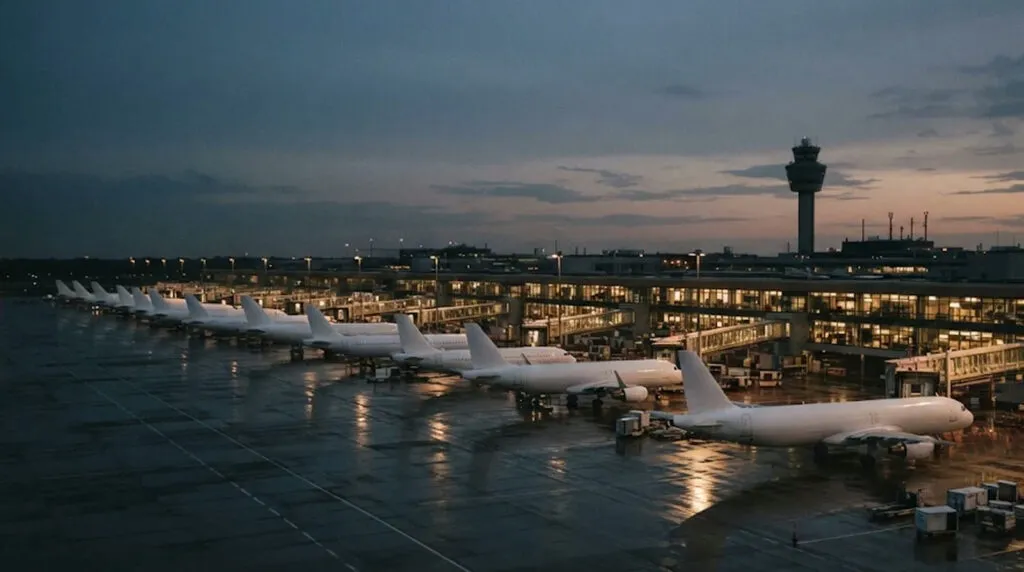
This century, American skies have shut down this completely only after 9/11 and after the January 2023 outage. If the...
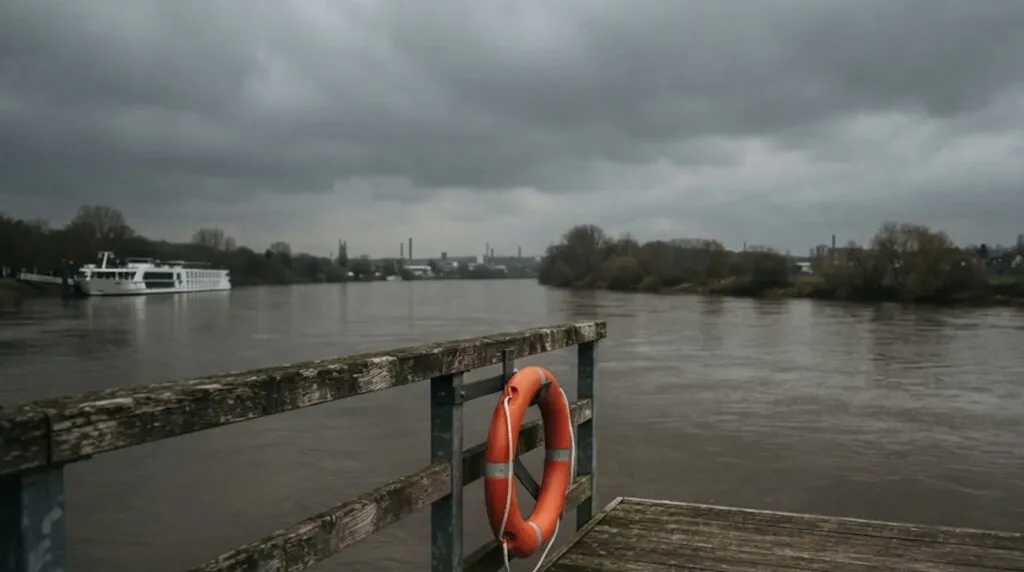
The ship was moored, passengers were getting ready to disembark after an eight-day cruise - and then an asphalt tanker...
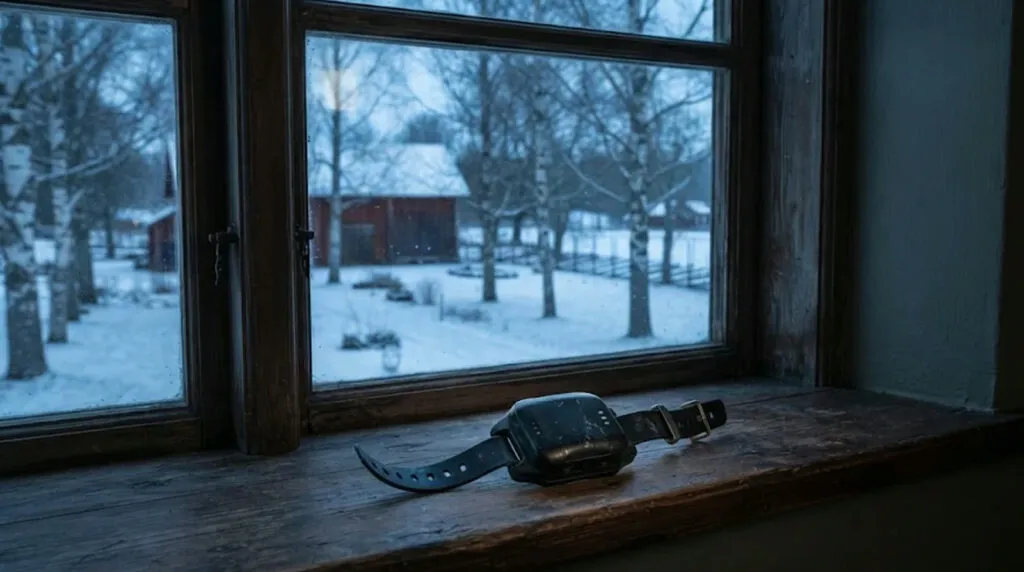
According to documents from Norway's Bureau for the Investigation of Police Affairs, Haakon personally called the police about his stepson's...

Only one Republican pushed back; all the others shielded the secretary. The Balkans know the scene well, when the majority...
This site uses cookies - is that okay? Learn more
Be the first to know when Metla launches something new
Leave your email and we'll write to you when there's a new guide or something new on Metla.