Koraboski's Trial Begins: Custody Came Only After the Public Revolted
27.11.2026


27.11.2026
27.11.2026

27.11.2026
27.11.2026

27.11.2026
27.11.2026

27.11.2026

26.11.2026
25.11.2026

27.11.2026

27.11.2026

26.11.2026

27.11.2026

27.11.2026

27.11.2026

27.11.2026

26.11.2026

25.11.2026

27.11.2026

26.11.2026

25.11.2026

27.11.2026

27.11.2026

24.11.2026

23.04.2026

23.04.2026

12.04.2026

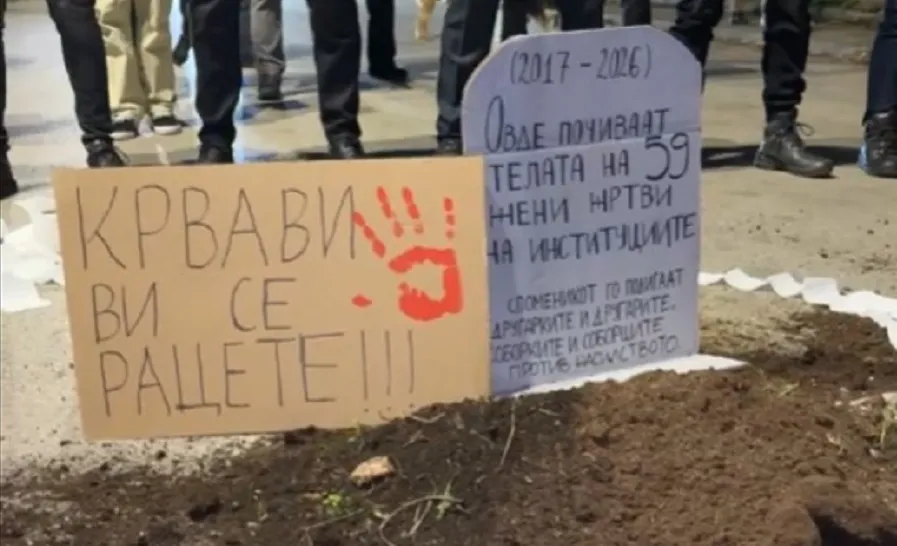
The march of the "Not One More" initiative set off from the "Woman Fighter" park next to parliament and ended in front of the Ministry of Internal Affairs. There, on the street in front of the police cordon, participants poured out soil and placed a piece of cardboard shaped like a tombstone: "Here lie the bodies of 59 women, victims of the institutions." The figure refers to the women killed in domestic violence over the past ten years.
The cordon didn't let them reach the ministry's entrance. The organisers say they are waiting for an explanation as to why, and they have already announced the next protest.
The initiative also sent a message to the parties. Party representatives and former and current officials have been asked not to come to their protests and not to use the fight against violence against women for their own promotion. Feminist resistance, they say, will not be party decoration.
The numbers behind the anger
Since the start of this year there have been seven femicides in Macedonia. The latest victim is a 17-year-old girl who reported her partner's violence several times. In March a mother and daughter lost their lives after years of abuse, and the Interior Ministry's internal control later found failures in the handling of the case by as many as 39 police officers.
Interior Minister Pance Toskovski replies that there were femicides under his predecessors too, when nobody demanded resignations, and that the police are not the only ones to blame. According to him, there were also seven cases in 2022. If seven murdered women a year is a figure handed down from minister to minister, that is an argument for urgent change, not an excuse.
The deadline is 10 December
The demands are concrete. First, the urgent adoption of the amendments to the Law on Prevention and Protection from Violence against Women and Domestic Violence, which have been in parliament since 26 August - 91 days by the day of the march. Then, the adoption of the eight laws covered by the working group, including the laws on the police, the family, social protection and the judiciary. And at least 200 million denars for specialised services to protect and support victims.
The movement is also demanding the public release of the conclusions of parliament's oversight hearing on gender-based violence, with deadlines and monitoring mechanisms, as well as the withdrawal of the regressive changes to the laws on primary and secondary education and to the textbooks. If the demands aren't met by 10 December, International Human Rights Day, a new gathering in front of parliament will follow.
Politicians aren't welcome at the protests. But only they can pass the laws. Will they use the deadline - or will they once again compete over which predecessor had more victims?
The latest 10 news from this category
Turistička Boulevard, the motorway towards Kičevo and the Struga - Debar road are at the delegations' service. Residents got an...
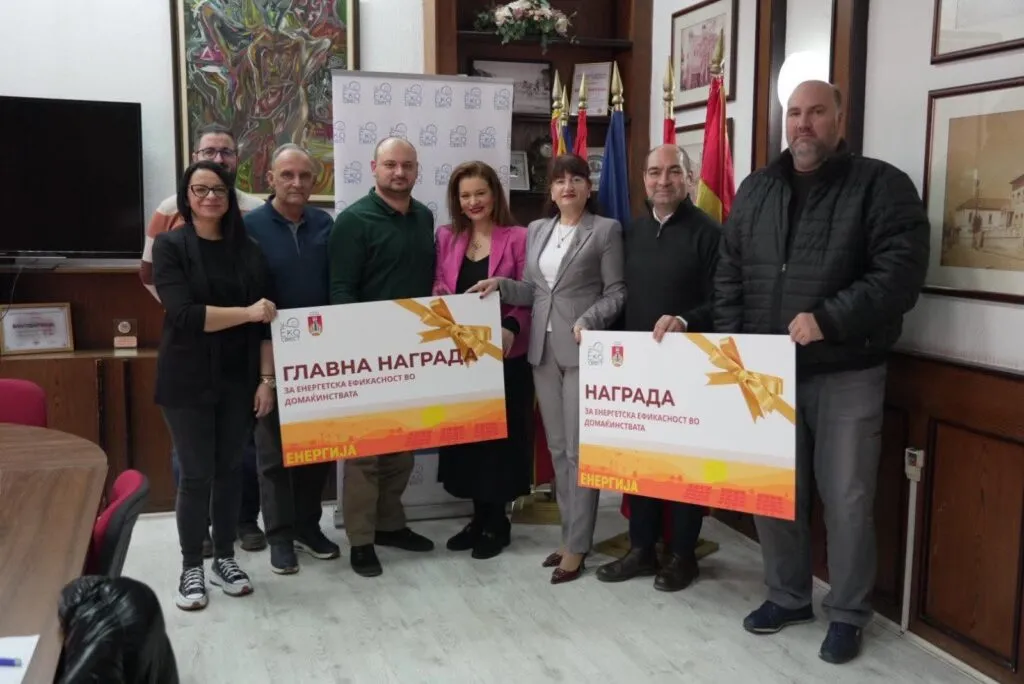
One household per municipality gets insulated walls, the others LED bulbs and smart plugs. A good example - but will...
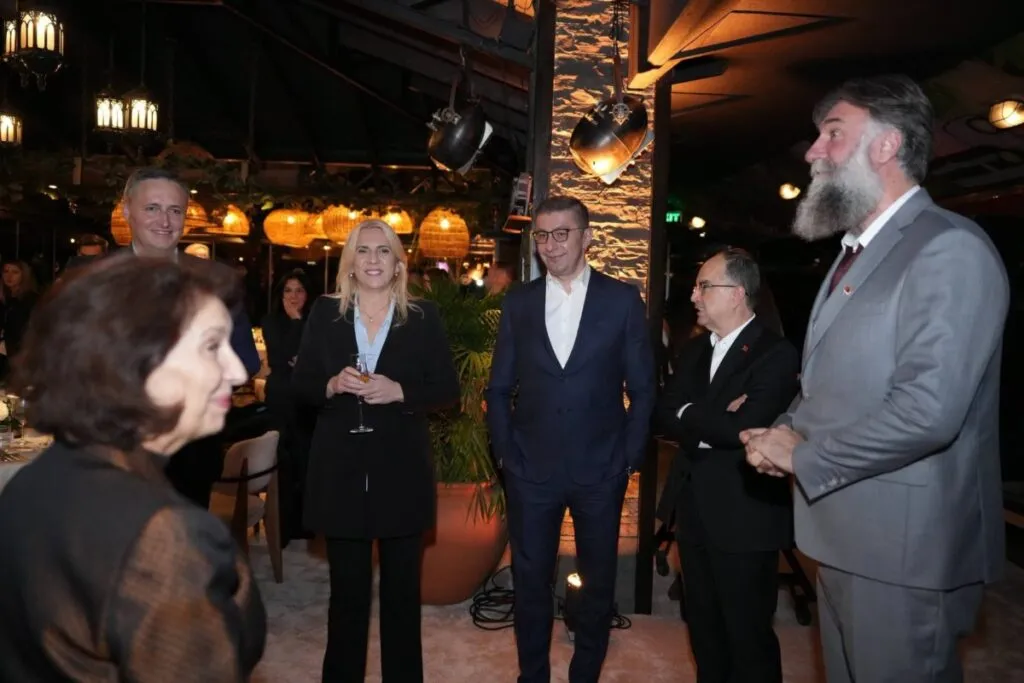
The summit was meant to be in Croatia, but the row between Zagreb and Belgrade brought it to Lake Ohrid....

Still rain and above-zero temperatures today, up to 20 centimetres of snow in some towns on Sunday, and dry cold...

A dozen bottles of diesel, police called in and dismissals announced. How many employees, how many litres and since when...

A burst service pipe in Centar, a street fault in Vizbegovo - and in both cases the water returns "once...
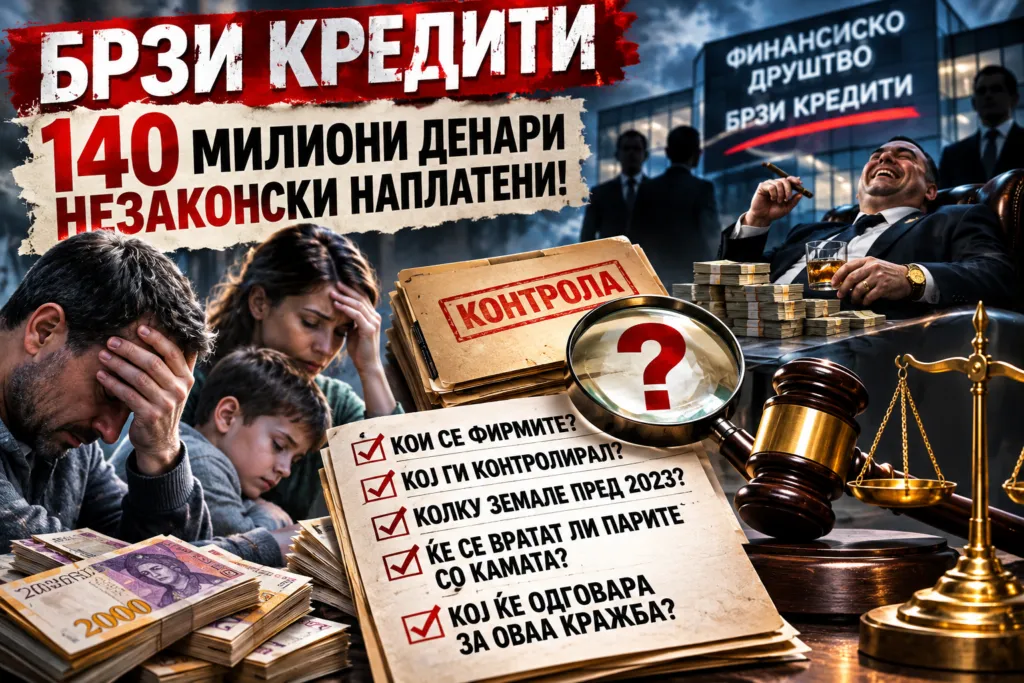
По откривањето на незаконската наплата на 140 милиони денари, неопходно е да се спроведе детална контрола на сите финансиски друштва...
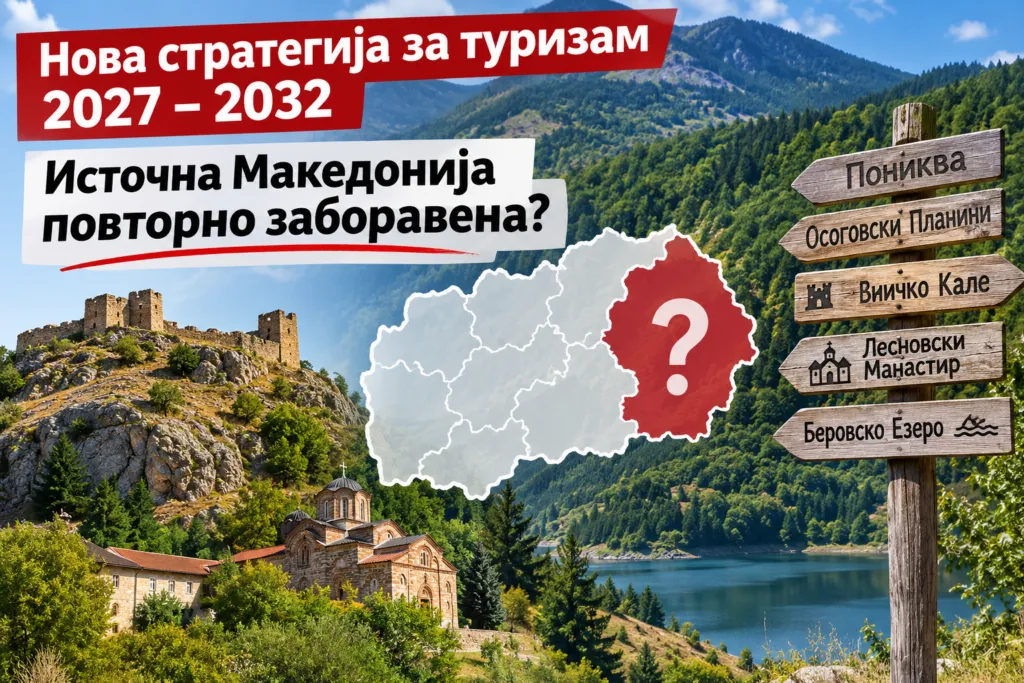
Македонија подготвува нова Национална стратегија за развој на туризмот за периодот 2027–2032 година. Повторно се зборува за рамномерен регионален развој,...
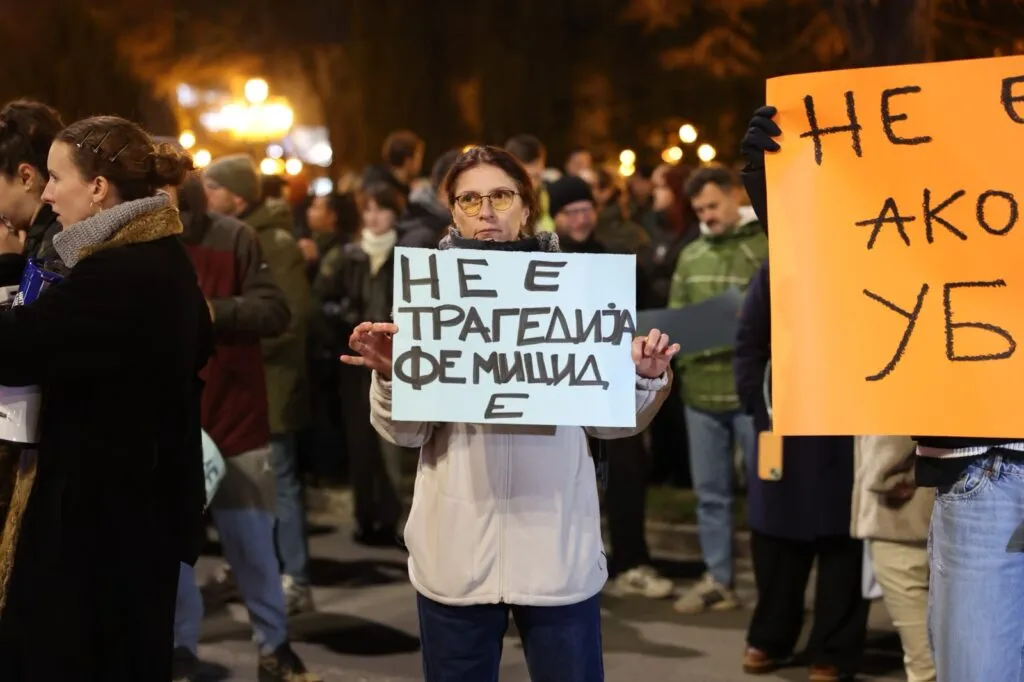
As protesters poured soil outside the ministry, Minister Toshkovski pointed out that there were seven femicides under his predecessors too....
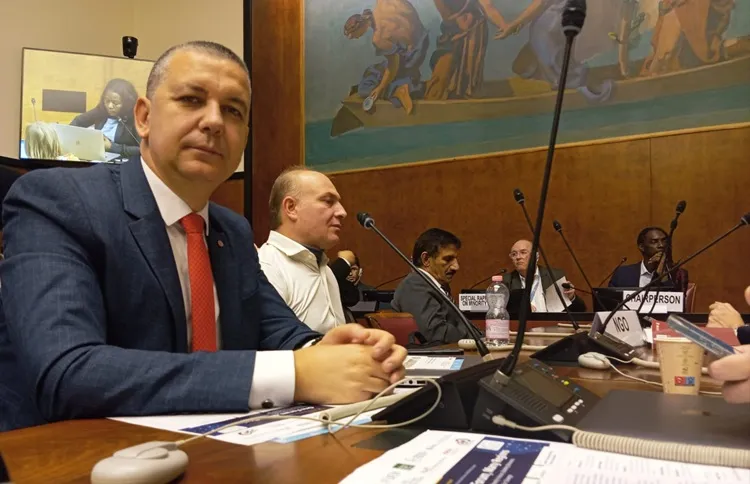
Before the UN Special Rapporteur in Geneva, Sterjovski warned that Bulgaria is using its EU position to impose an identity...
This site uses cookies - is that okay? Learn more
Be the first to know when Metla launches something new
Leave your email and we'll write to you when there's a new guide or something new on Metla.