

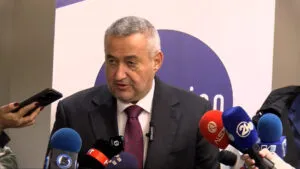
The Ambulance Service Gets 100 New Vehicles, but More Than 300 Staff Retire by 2030: Who Will Drive Them?
25.11.2026


25.11.2026

25.11.2026
25.11.2026

25.11.2026

25.11.2026
25.11.2026
25.11.2026
24.11.2026
23.11.2026
25.11.2026
25.11.2026

24.11.2026
25.11.2026
25.11.2026
25.11.2026
25.11.2026
24.11.2026

23.11.2026

25.11.2026

24.11.2026

23.11.2026
24.11.2026
23.11.2026

23.11.2026
25.11.2026

24.11.2026

23.11.2026

23.04.2026

23.04.2026

12.04.2026

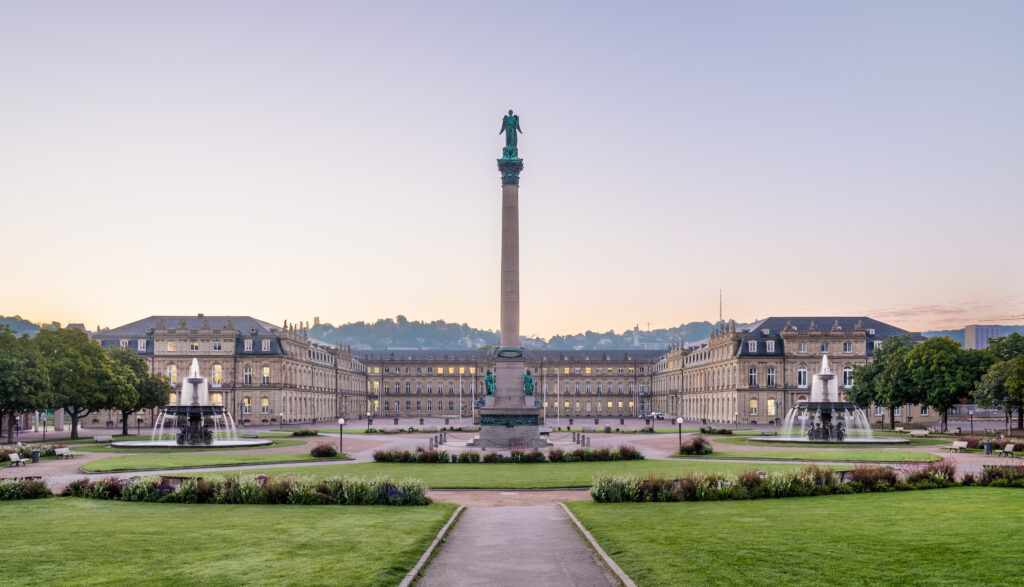
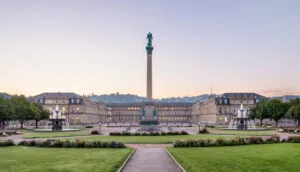
Photo: Julian Herzog Wikimedia Commons, CC BY 4.0
When people talk about Germany, the road usually leads to Berlin or Munich. Stuttgart, the capital of Baden-Württemberg in the Neckar valley, rarely makes it into travel plans. And yet it has everything: palaces, thermal baths, vineyards that run down to residential streets and two of the best-known car brands in the world.
Palace Square. The heart of the city is Schlossplatz, laid out in the 1860s as a baroque flower garden with fountains in honour of King Wilhelm I, with a cast-iron music pavilion with Moorish arches. In the middle stands the Jubilee Column, erected in 1841 to mark Wilhelm I's 25 years on the throne and later crowned with a five-metre statue of the goddess of concord. Behind it is the New Palace, the last great baroque palace complex in Germany, begun in 1746 on the orders of Duke Carl Eugen. Today it houses the regional government.
Art. The State Gallery (Staatsgalerie), opened in 1843, is among the most visited museums in Germany, covering around 800 years of art history. In 1984 it got a new building by British architect James Stirling, winner of the Pritzker Prize. The Kunstmuseum in its glass cube, opened in 2005 and holding more than 15,000 works, including some by Otto Dix, is currently closed for modernisation - worth knowing before you buy a ticket.
Where the name comes from. The Old Castle grew out of a 10th-century fortress built to protect a stud farm. Hence the name: Stuttgart means "mare garden", and the city's coat of arms shows a black horse. Since 1948 the castle has housed the State Museum, telling the region's history from the Stone Age to today. Next to it is the Protestant Stiftskirche, known for its mismatched towers.
The TV tower turning 70. It stands 217 metres tall, opened on 5 February 1956 and is considered the world's first reinforced-concrete television tower. This year it marks 70 years. From the observation deck and the panoramic café you can see the Neckar valley, the hills and the vineyards.
The birthplace of the car. In the Cannstatt district, Gottlieb Daimler and Wilhelm Maybach turned a carriage into one of the first four-wheeled cars. That was in 1886, the year Carl Benz in Mannheim patented his Motorwagen, considered the first practical car with an internal combustion engine. The later merger of the two companies gave birth to Mercedes-Benz. The Mercedes-Benz Museum has more than 160 vehicles and around 1,500 objects, and the Porsche Museum in Zuffenhausen more than 80 vehicles. For any Balkan person who has ever measured success by the Mercedes parked in front of the house, this is almost a pilgrimage.
Second only to Budapest. Stuttgart is the second city in Europe for mineral water volume, right after Budapest. It has 19 springs, 13 of them officially recognised as medicinal, and 44 million litres flow from them every day - half is captured, the other half runs into the Neckar. The tradition goes back to Roman times, and it boomed in the 19th century. Among the baths, Das Leuze and SoleBad Cannstatt stand out.
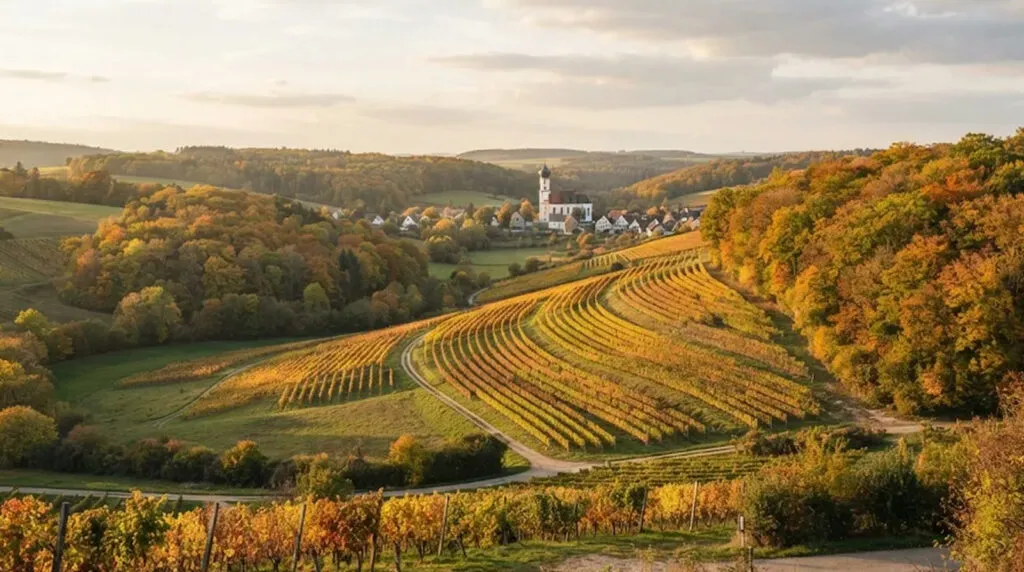
Wine in the middle of the city. More than 240 hectares of vineyards shape the cityscape, some even in residential areas. More than 400 outdoor stairways, called "Stäffele", were built so the steep slopes could be worked. The city also has its own municipal winery, the only one of its kind in a major German city, which has been running since 1949 and works around 16 hectares, producing white and red wines. Imagine the City of Skopje with its own winery.
Practical tips. Two to three full days are recommended for the city. For a place to sleep, there's Le Méridien Stuttgart with 293 rooms and suites and an 850-square-metre spa, or the Radisson Blu in the Porsche Design Tower. For dinner, the Waldhorn restaurant in the Rohr district, recommended by the Michelin Guide, where French cuisine meets Spanish and Swabian.
Stuttgart has no Brandenburg Gate and no Oktoberfest. It has something rarer in Europe today: a city with everything a weekend needs, without the crowds queuing in front of every landmark.
The latest 10 news from this category

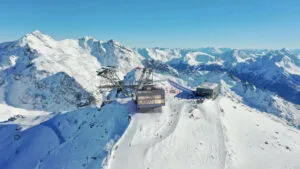
Val Thorens opened its season on 21 November, and the snow lasts until May. From the 3,200-metre summit you can...
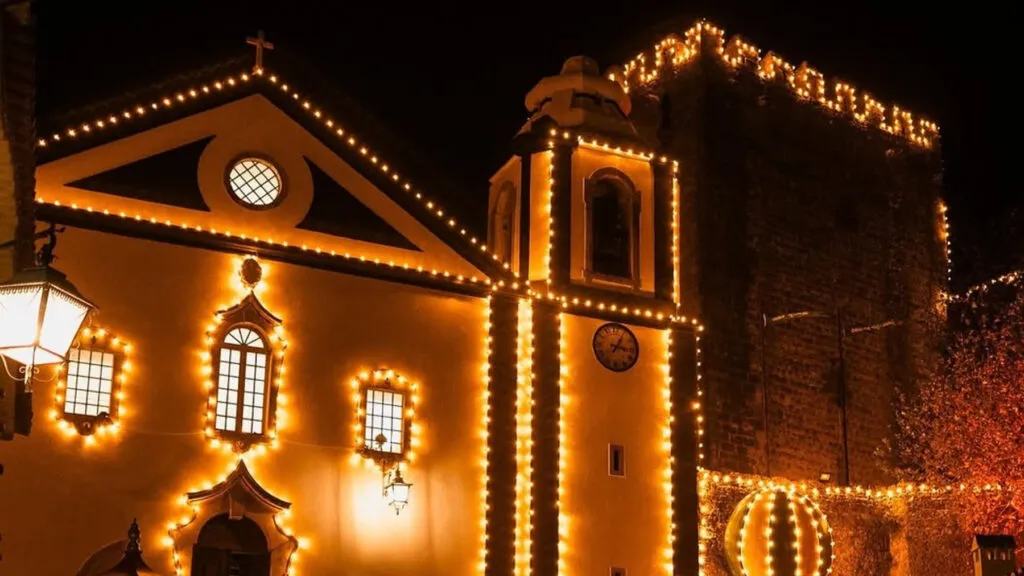
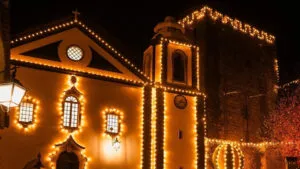
A fortress, a main street and bookshops in old churches and cellars. The Portuguese have turned that into a Christmas...
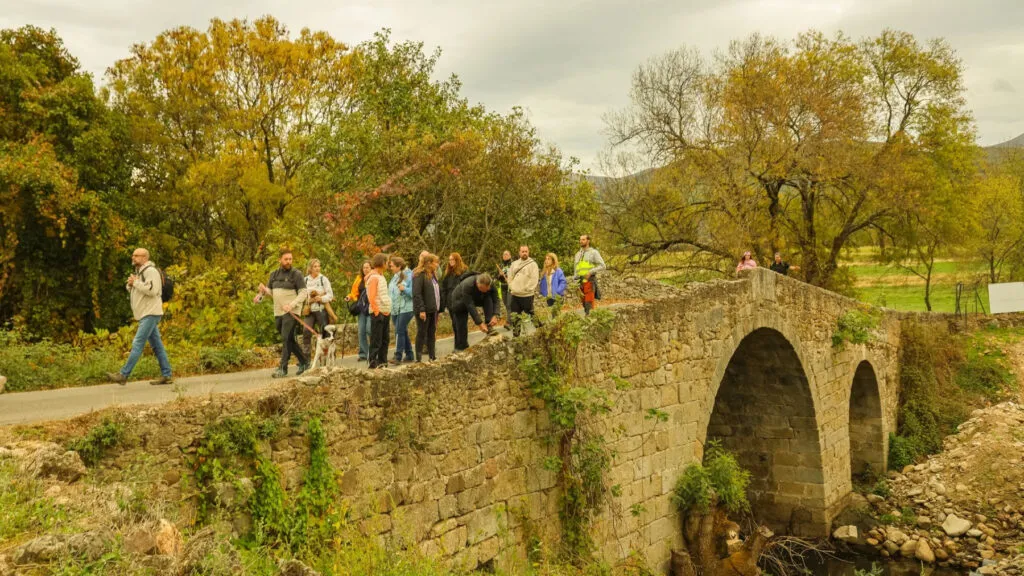
A 12-kilometre trail to a waterfall, a Jewish quarter of stone and chestnut wood, and Roman baths. A Spanish valley...

The city where the Second World War began and Solidarity was born smells of mulled wine and gingerbread in December....
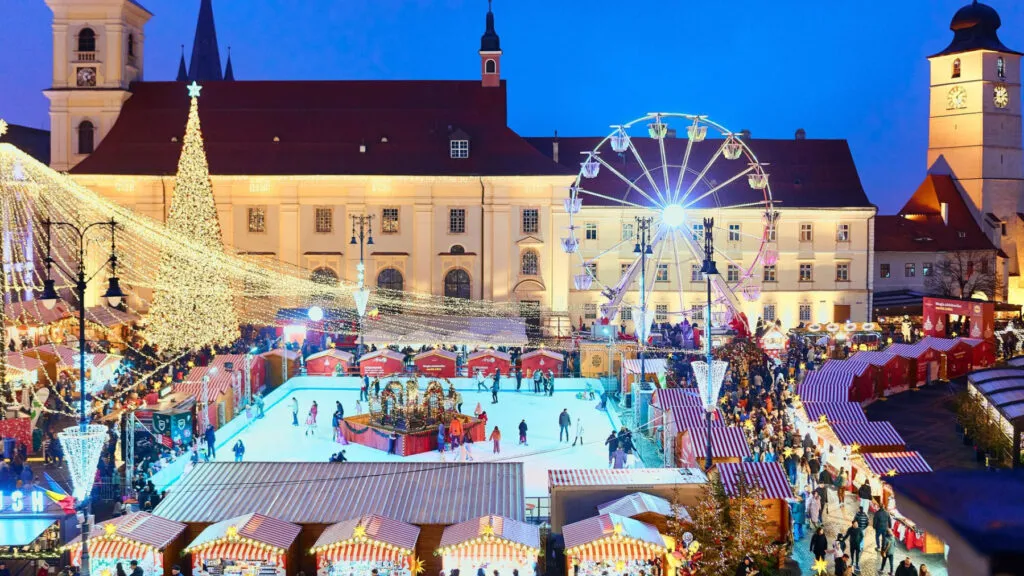
Dresden opens its 592nd Striezelmarkt, and Sibiu ranks among Europe's 12 best. Five addresses for December beyond Vienna and Prague.

The Beatles played the Cavern Club 292 times, and Bono and the Edge owned The Clarence hotel for more than...

The canals, the chocolate and the medieval façades have been there for centuries. From November 20 the city adds an...
Monks singing Gregorian chant, a barrel holding a thousand buckets of wine and a lake where geese land at sunset,...

While the crowds jostle in Florence, Arezzo turns its medieval square into a Christmas market with stalls from Tyrol, Austria...

In Kenya the giraffes come to breakfast, in China the hotel is sunk into an 88-metre-deep quarry, and in Zanzibar...
This site uses cookies - is that okay? Learn more
Be the first to know when Metla launches something new
Leave your email and we'll write to you when there's a new guide or something new on Metla.





