Koraboski's Trial Begins: Custody Came Only After the Public Revolted
27.11.2026


27.11.2026
27.11.2026
27.11.2026
27.11.2026

27.11.2026
27.11.2026

27.11.2026

26.11.2026
25.11.2026

27.11.2026

27.11.2026

26.11.2026

27.11.2026

27.11.2026

27.11.2026

27.11.2026

26.11.2026

25.11.2026

27.11.2026

26.11.2026

25.11.2026

27.11.2026

27.11.2026
24.11.2026

23.04.2026

23.04.2026

12.04.2026


The main hearing opens today at the Basic Court in Ohrid against 31-year-old Kristijan Koraboski from Ohrid, charged over the attack on 26-year-old Sara Gjorgjieska on 15 November. The indictment charges him with three criminal offences: bodily harm, unlawful deprivation of liberty and endangering safety.
According to the prosecution, in an act of domestic violence the defendant locked the young woman in, physically attacked her, injured her and endangered her safety. Sara was questioned in the presence of social services, and a forensic examination of her injuries was carried out. The case is being heard by judge Aleksandra Pop Stefanija, and the court says the process will be as transparent as the law allows.
More important than the first day of the trial is the road to it. The prosecution's first decision was that Koraboski would not go into custody but would defend himself at liberty. Only after a storm of public reaction and protests did another prosecutor take over the case, Sara was heard, and custody of up to 30 days was requested and ordered. What would have happened if nobody had come out demanding answers?
The Interior Ministry was silent too. Although the police had already handed the case to the prosecution, for more than 30 hours there was no detailed official information about what had happened and what the police had done. In that vacuum, social media was flooded with unverified claims, disinformation and accusations, not only about the defendant but also about his father and two of his friends, some of it with morbid content.
And so the damage doubled. The man accused of serious violence was initially released, and instead of facts the public got rumours and a lynching of people about whom nothing had been established. Both have the same root: the institutions that should be first to speak and first to act reacted last.
Now the court has the floor. The hearing should establish exactly what happened that night, on the basis of evidence, not social media posts. The question that remains for the prosecution and the Interior Ministry is simple: will it take a protest next time for them to get to work?
The latest 10 news from this category

The statement is full of sorrow and condolences, but there's not a word about what happened on the night shift....

The 55-year-old suspect, according to one Ohrid resident, is a man with special needs who has lived alone for more...
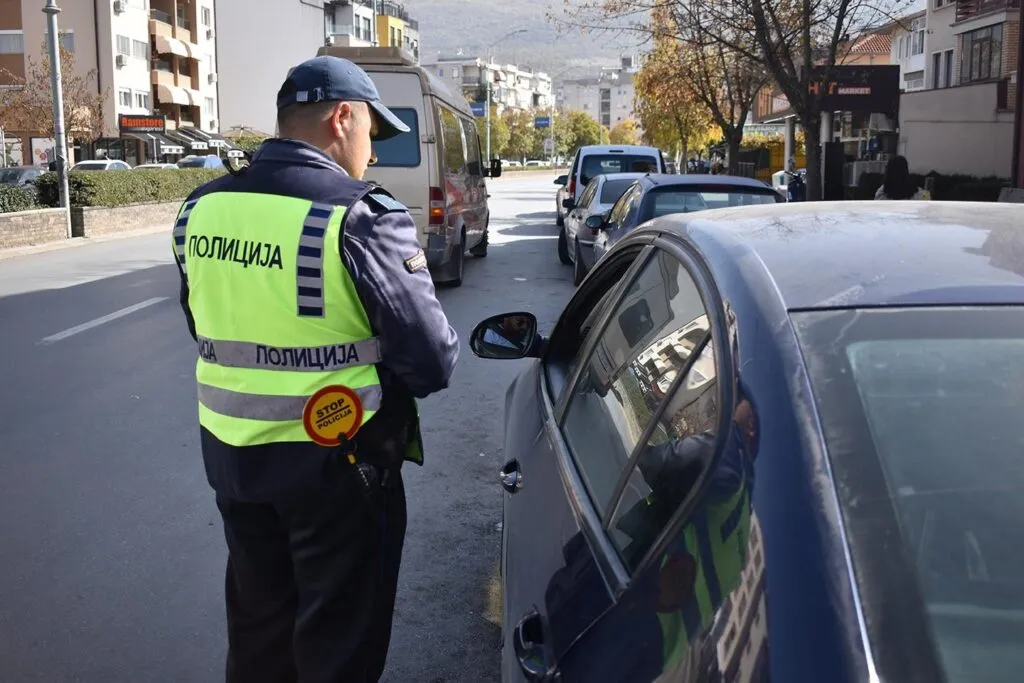
Turistička Boulevard, the motorway towards Kičevo and the Struga - Debar road are at the delegations' service. Residents got an...
One household per municipality gets insulated walls, the others LED bulbs and smart plugs. A good example - but will...
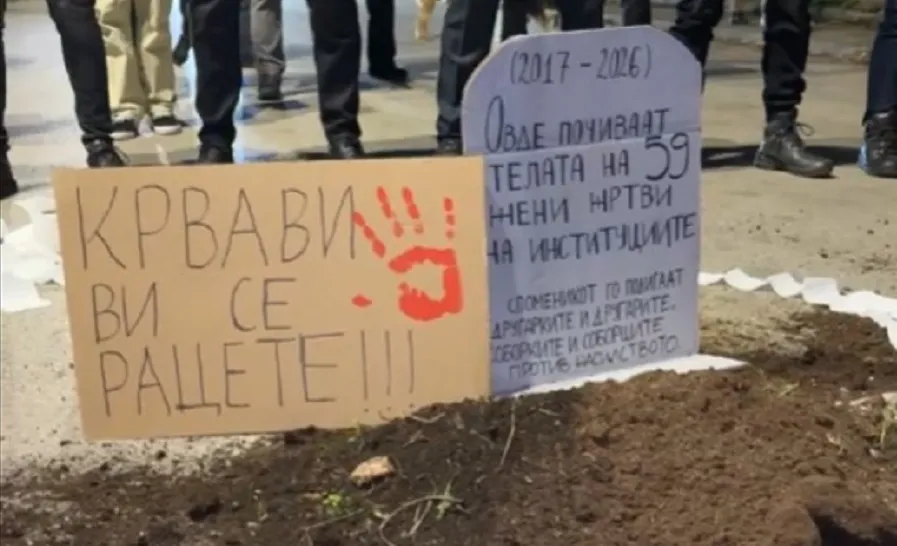
In front of the Interior Ministry they set up a grave for 59 women killed in domestic violence over ten...

The summit was meant to be in Croatia, but the row between Zagreb and Belgrade brought it to Lake Ohrid....

Still rain and above-zero temperatures today, up to 20 centimetres of snow in some towns on Sunday, and dry cold...

A dozen bottles of diesel, police called in and dismissals announced. How many employees, how many litres and since when...

A burst service pipe in Centar, a street fault in Vizbegovo - and in both cases the water returns "once...

The students beat Vučić, but the academician they're fielding for president calls the border with Bosnia "fictitious" and claims Moscow...
This site uses cookies - is that okay? Learn more
Be the first to know when Metla launches something new
Leave your email and we'll write to you when there's a new guide or something new on Metla.