A Grave of Soil Outside the Interior Ministry for 59 Murdered Women: "Not One More" Gives MPs Until 10 December
26.11.2026


26.11.2026
26.11.2026

26.11.2026

26.11.2026

26.11.2026

26.11.2026
26.11.2026
25.11.2026
24.11.2026
26.11.2026
26.11.2026

25.11.2026

26.11.2026

26.11.2026
26.11.2026
26.11.2026

25.11.2026
24.11.2026
26.11.2026

25.11.2026

24.11.2026
24.11.2026
23.11.2026

23.11.2026

23.04.2026

23.04.2026

12.04.2026

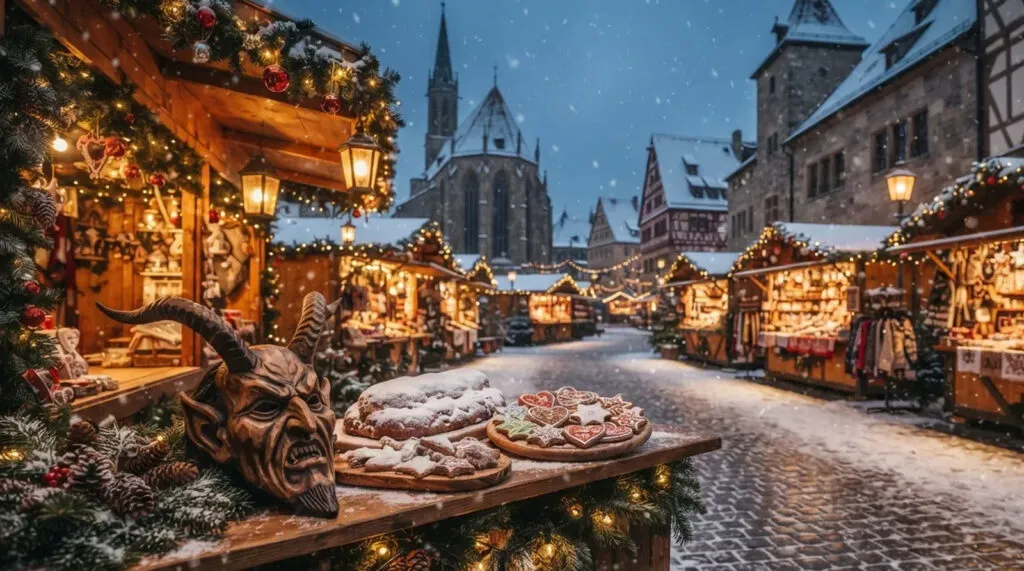
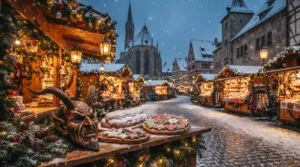
Europe in December is usually shown to us through its Christmas markets: wooden huts, mulled wine, photos for Instagram. But real Advent in Central Europe begins on the eve of St Nicholas, 5 December, when saints, angels and devils take to the streets. This year that date falls on a Saturday. Here are five cities where tradition matters more than the market stall.
Salzburg, Krampus night. If in Prague the devil merely accompanies the saint, in Salzburg the dark side of the legend has its own name and takes over the streets. On 5 December from 17:30, the Krampuses, the horned, furry monsters of Alpine folklore, march through the old town, from the Festspielhaus to Getreidegasse, the street where Mozart was born. Nearby, between the cathedral and the Residenz, is the Christmas market whose roots go back to 1491. Anyone staying longer will find parades in St. Gilgen on the shore of the Wolfgangsee (6 December), in Mattsee (7 December) and in Puch (8 December).
Dresden, a cake with an escort. Since 1434, the Altmarkt square has hosted the Striezelmarkt, Germany's oldest Christmas market, named after "Striezel", the old word for stollen, the sweet bread with dried fruit. In its honour, the Stollenfest is held on 5 December: around 500 bakers, brass bands and people in traditional costume carry a giant stollen through the old town, which last year weighed over 2,000 kilos. Around noon it is cut on stage and sold by the slice. The next day it's the gingerbread's turn, and above the square rises a Christmas pyramid 14.61 metres tall, which the organisers say is the largest walk-through one in the world.
Prague, between angels and devils. On the evening of 5 December, Mikuláš, as Czechs call St Nicholas, walks through the city with an angel and a devil. Before handing out sweets, he asks the children whether they've been good, and the naughty ones have to promise to behave. The biggest gathering is on Old Town Square, where from 16:00 several Mikulášes with their angels and devils put on a show for families. On the other side of the Vltava, in Malá Strana, wooden boats sail along the Čertovka canal from 16:45, and there the children are greeted by the devils, the angel and Mikuláš himself. Among the Orthodox, by comparison, St Nicholas Day doesn't come until 19 December.
Kraków, cathedrals in miniature. Here Christmas takes the form of the szopka, light and colourful nativity scenes in which the Holy Family is surrounded by towers and domes inspired by the city's monuments. The tradition, born in the 19th century, is on UNESCO's list of Intangible Cultural Heritage. The best place to see them is the Krzysztofory Palace, home of the Museum of Kraków, where the permanent exhibition on the city's history begins and ends with a szopka - and one giant one you can even walk into. The Christmas market around the Sukiennice, the old cloth hall, runs until 6 January.
Gengenbach, 24 lit windows. At the entrance to the Kinzig valley in Germany's Black Forest, this little town of half-timbered houses has, since 1996, turned its town hall into what it calls the world's largest Advent calendar house. Its 24 windows are decorated with works by artists: Chagall and Warhol have been on the list, and this year it's illustrator Olaf Hajek again. From 30 November, a new window lights up every evening at 18:00, with music and stories in front of the building. Around it is the Advent market with about 60 stalls, open at weekends from 11:30 to 20:00.
All five can be seen over a long weekend. Maybe it's time to see Christmas Europe as something more than a photo with a glass of wine in hand. Advent there is a celebration on the street, not at a stall.
The latest 10 news from this category
Second in Europe for mineral water, with a city-owned winery since 1949 and a TV tower celebrating 70 years. Yet...

Val Thorens opened its season on 21 November, and the snow lasts until May. From the 3,200-metre summit you can...
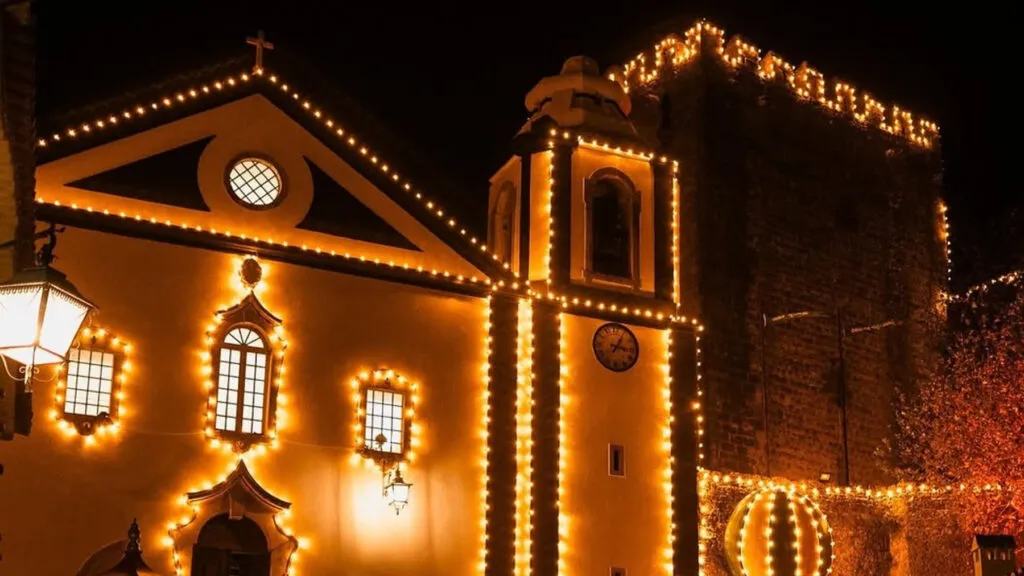
A fortress, a main street and bookshops in old churches and cellars. The Portuguese have turned that into a Christmas...
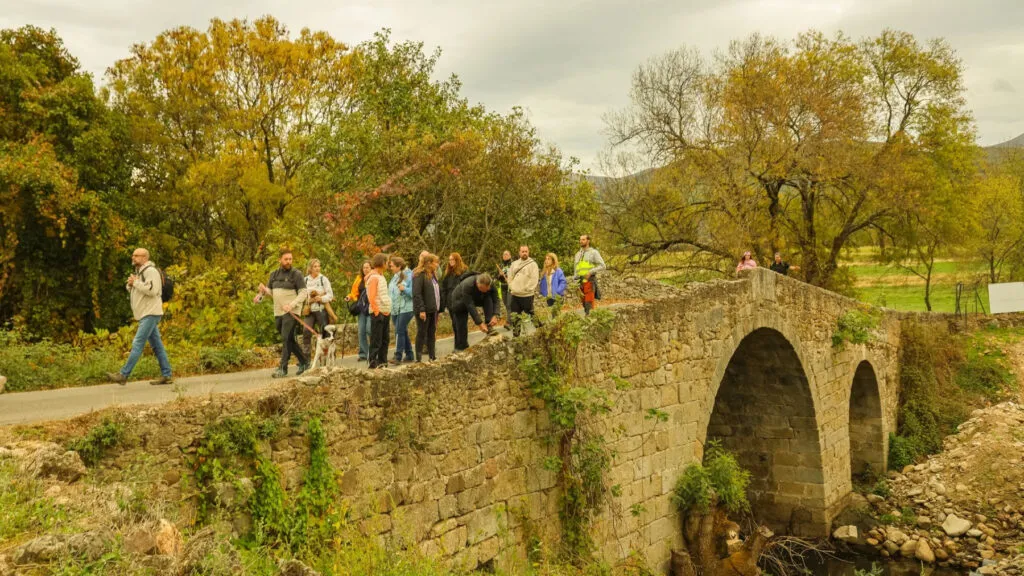
A 12-kilometre trail to a waterfall, a Jewish quarter of stone and chestnut wood, and Roman baths. A Spanish valley...

The city where the Second World War began and Solidarity was born smells of mulled wine and gingerbread in December....
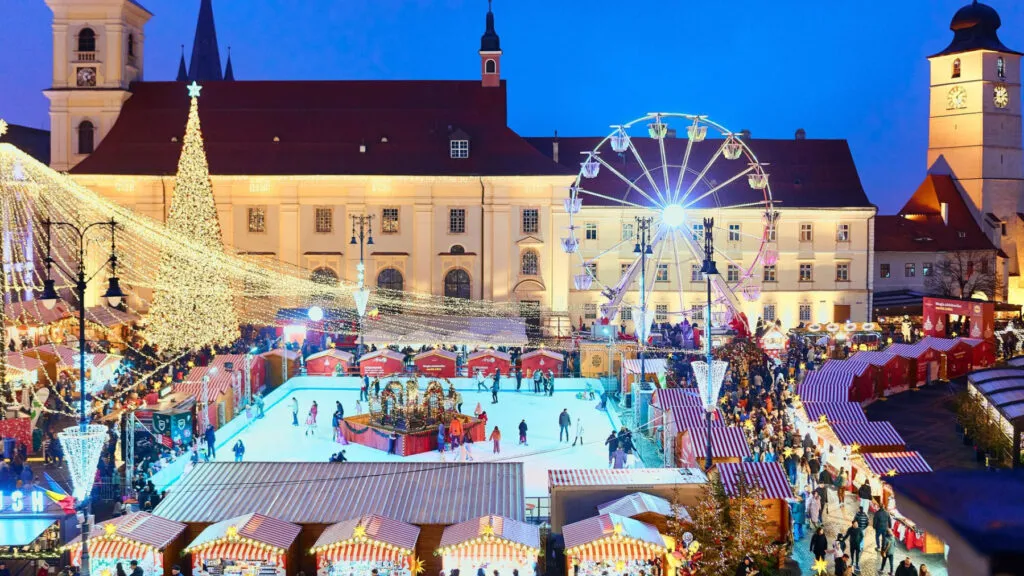
Dresden opens its 592nd Striezelmarkt, and Sibiu ranks among Europe's 12 best. Five addresses for December beyond Vienna and Prague.

The Beatles played the Cavern Club 292 times, and Bono and the Edge owned The Clarence hotel for more than...

The canals, the chocolate and the medieval façades have been there for centuries. From November 20 the city adds an...
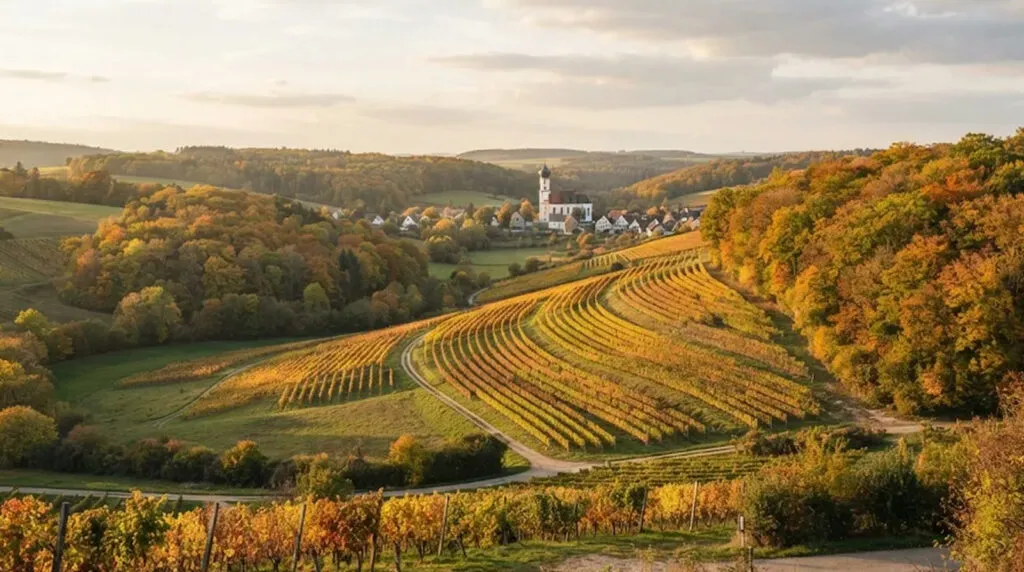
Monks singing Gregorian chant, a barrel holding a thousand buckets of wine and a lake where geese land at sunset,...

While the crowds jostle in Florence, Arezzo turns its medieval square into a Christmas market with stalls from Tyrol, Austria...
This site uses cookies - is that okay? Learn more
Be the first to know when Metla launches something new
Leave your email and we'll write to you when there's a new guide or something new on Metla.