Каснат од улично куче? Лекувањето е само почеток – без опис и фотографија од животното, пријавата може да падне како неоснована
13.11.2026


13.11.2026

13.11.2026

13.11.2026
13.11.2026

13.11.2026

13.11.2026

13.11.2026

12.11.2026

12.11.2026

13.11.2026

13.11.2026

12.11.2026

13.11.2026

13.11.2026

13.11.2026

13.11.2026

12.11.2026

11.11.2026

13.11.2026

12.11.2026

11.11.2026

13.11.2026

13.11.2026

12.11.2026

12.11.2026

11.11.2026

11.11.2026

23.04.2026

23.04.2026

12.04.2026


The pension companies marked twenty years of the second pillar with numbers and proposals. The numbers are their results. The proposals - a longer working life and higher contributions - are what employees would pay for.
At a press conference of the Association of Pension Fund Management Companies (ADPF), it was announced that over 20 years the funds achieved an average annual nominal return of 5.5 percent, and a real return, after inflation, of 2.3 percent. Anyone who started paying in back in 2006 now has three times as much money in their account in nominal terms, and 58 percent more real purchasing power. The total return the companies generated for citizens is 1.25 billion euros. According to deputy board chair Vesna Stojanovska, real returns in OECD countries range between 0.5 and 4 percent.
What they propose
The companies say average life expectancy in Macedonia has risen by about three years while the retirement age has stayed the same. So they propose a mix of measures: gradually extending working life, for example in steps up to 64 years and three months, a phased return of the pension insurance contribution towards its former 21.2 percent, and indexing pensions solely to the cost of living. Board chair Nikolovski stressed that if the state ever decides on a longer working life, the change should be announced well in advance and introduced gradually.
For now these are proposals in an expert debate, not decisions. But it's a conversation that affects every employee: how long they will work, how much of their salary goes towards a pension, and what kind of pension they get at the end. One retirement age for everyone doesn't mean an equal burden for someone in an office and someone who has done physically hard work for decades.
The money nobody may touch
The main message, though, was aimed at the government. Following hints that funds might be shifted from the second pillar to the first, state-run pillar, the companies warned that this would improve liquidity in the short term but leave a huge deficit for the years ahead. Board member Snežana Stanković pointed out that the second pillar manages 16 percent of all financial assets in the country and that the money in the accounts is personal property that can be inherited. Minimum pensions, she said, are a social measure of the state, not a burden for the funds.
So both sides have their own interest. The state wants money for today's pensions, the companies are defending the assets they manage, and the solution they offer is for people to work longer and pay in more. Who in this debate is loudly speaking up for the worker who is supposed to carry that burden?
The latest 10 news from this category

Дефицит од 3,5 отсто од БДП, над 300 амандмани и 183,1 милијарди денари задолжување за една година. А дел од...

Евростат: 20,8 PPS за 100 киловат-часови, повеќе и од Шведска. Домаќинствата што користат гас се само 496, а за компаниите...

МБИ10 е 11,73 отсто под почетокот на годината, а прометот за 2026 оди кон речиси половина од оној во 2024....

Над 430 милиони луѓе зависат од една компанија, а таа самата не знае кога ќе ги врати услугите. Сингапур ги...

Nvidia ја изгради цела индустрија околу своите чипови, а самата беше изградена околу еден човек. Сега тој си замина, а...
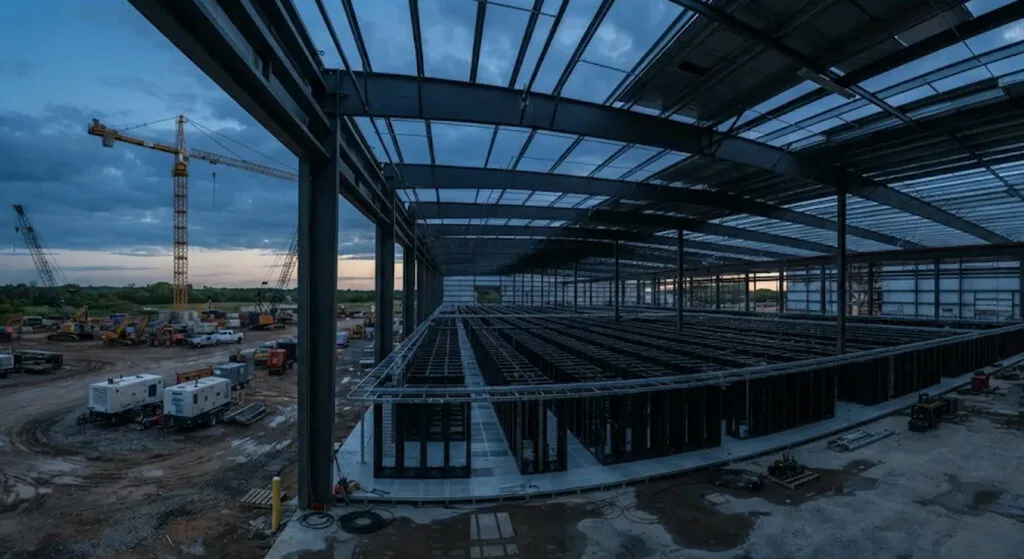
Облакот од Амстердам ќе троши 40 милијарди долари со парите на купувачите, а еден од најголемите купувачи веќе чека задоцнети...
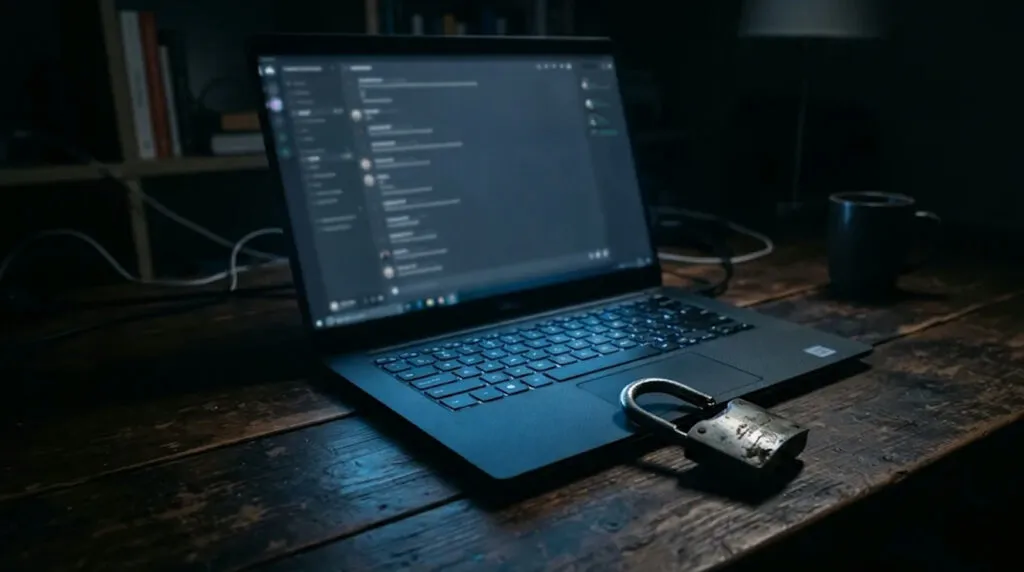
Хакерите не влегле директно во Notion. Влегле кај облачниот добавувач на неговиот добавувач и излегле со разговорите што корисниците ги...

Documents from government sessions, a call for the governor to resign, and a prosecutor who says he mentioned "neither whether...
Fewer people are buying, many more are renting, and the average amount per flat sold is rising. The market is...
Huang has 60 direct reports and no successor. The affair with an alleged Chinese spy has opened the most awkward...
This site uses cookies - is that okay? Learn more
Be the first to know when Metla launches something new
Leave your email and we'll write to you when there's a new guide or something new on Metla.