
A Pole Drove 164 km/h Where the Limit Is 80: The Camera Caught Him, the Border Stopped Him
23.08.2026


23.08.2026

23.08.2026
23.08.2026

23.08.2026
22.08.2026
22.08.2026

23.08.2026

23.08.2026
22.08.2026
23.08.2026
23.08.2026

23.08.2026
23.08.2026
22.08.2026
21.08.2026

23.08.2026

23.08.2026

23.08.2026

23.08.2026

23.08.2026
22.08.2026

09.03.2026

27.02.2026

19.02.2026

23.08.2026
23.08.2026
22.08.2026

23.04.2026

23.04.2026

12.04.2026
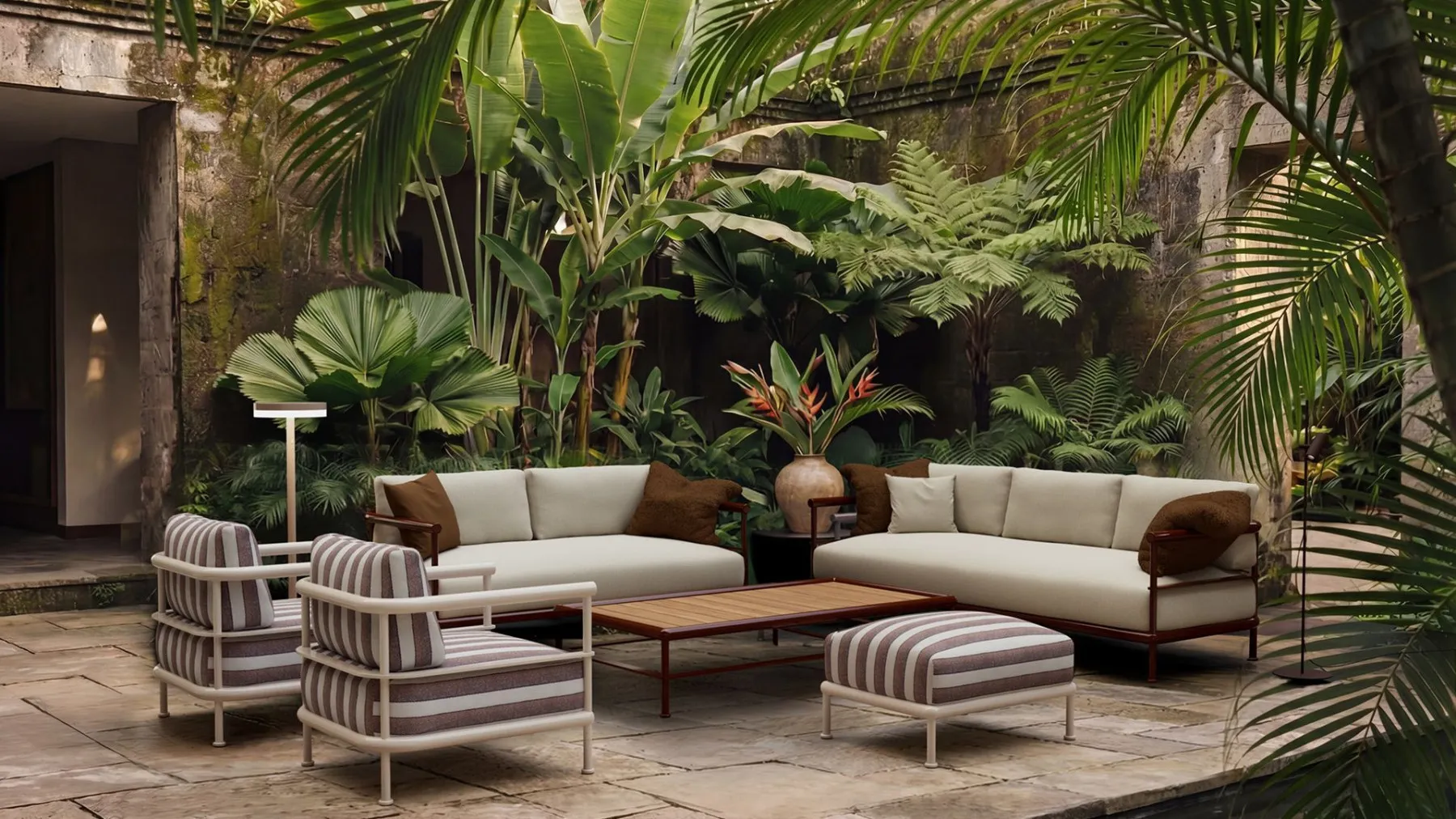
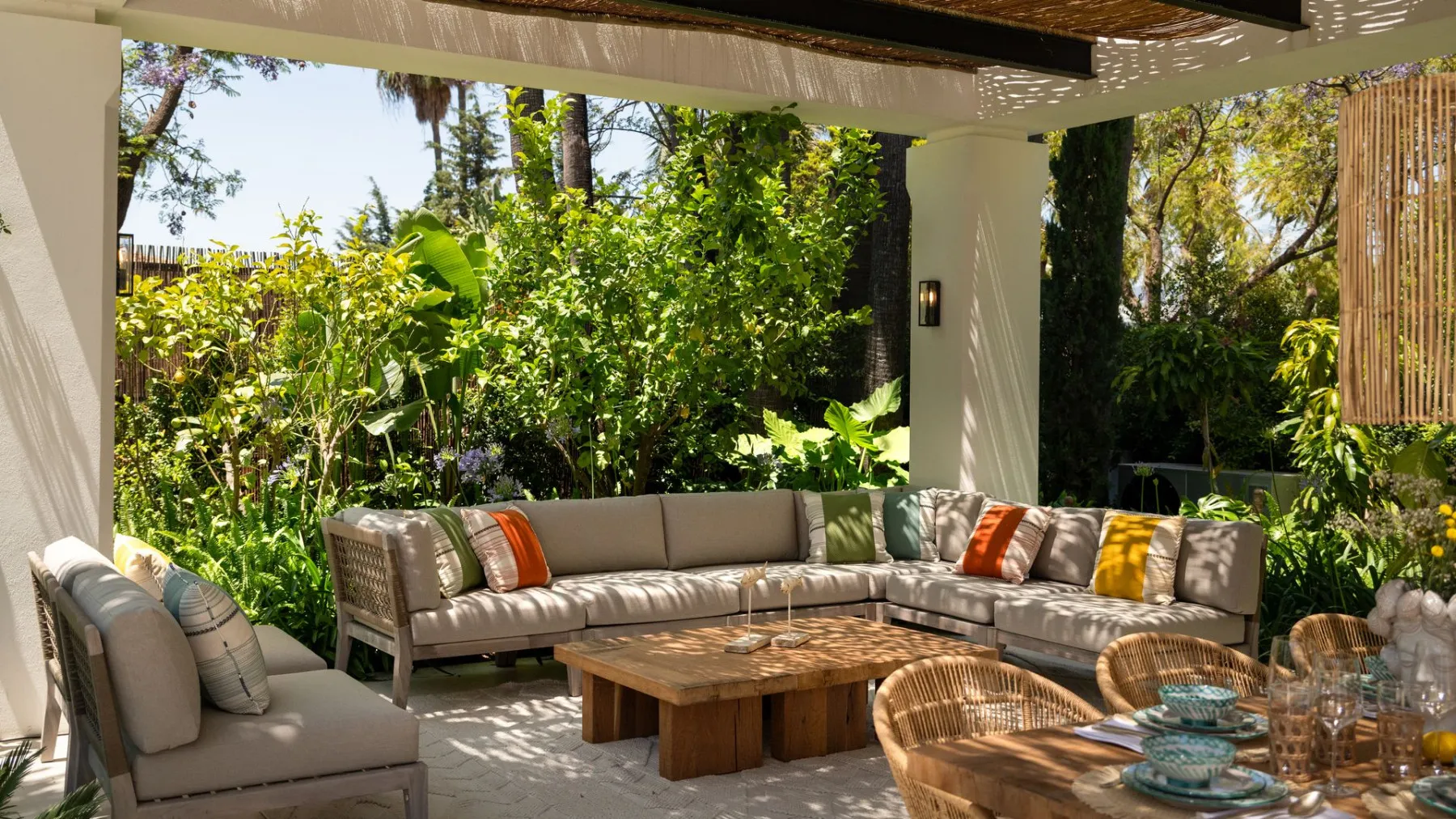
Landscape design is not for palaces with 2,000 square metres. It is for the eight-square-metre terrace on the fourth floor, for the 30-metre yard, for the rooftop balcony where five pots have to fit. Javier Pérez, founder of the Baom studio in Brunete near Madrid, has built his whole portfolio on this idea - that garden design depends on thinking, not on size.
„Good landscape design depends on how you think and solve the space, not on how many square metres you have", says Pérez. When the space is small, the mistakes are bigger - and more expensive. Pots that are too big, the wrong plant, an unworkable layout - and those eight square metres immediately become a stuck spot you do not even want to sit on.
A big misconception is the belief that a designer is only worth it for large gardens. Pérez says the opposite. Small spaces demand a more precise approach - every piece of furniture carries more weight, every plant matters more, every square metre has a price. Good design brings order and intent, and turns 8 square metres into a space that gets used every day.
A good outdoor space is not decoration. It is a space that is actually lived in. Pérez lists three practical benefits:
More comfort - shade, cool air, wind protection, privacy from the neighbours. What a properly designed terrace creates is an extra room for the summer without building walls.
Better emotions - a place for breakfast, dinner with guests, a nap after lunch. Something a Macedonian instinctively understands - grandma's yard is what guaranteed the best childhood.
More property value - a well-designed terrace or garden does not just lift the sale price, it also makes the property sell faster. Buyers notice a „lived-in" place.
Pérez describes the most common failure. People go to a nursery, see a beautiful plant, buy it, take it home, drop it in a pot, let it flower for two weeks - and then it dies.
The reason - nobody thought about where that plant was supposed to live. What is its orientation? How many hours of sun does it get? What wind hits it? How much humidity is there in the space? Does the pot allow proper drainage? How often will it be watered?
At Baom the first step is not picking plants. The first step is analysis - orientation, sun, wind, view, privacy, drainage, dimensions. And even before that - how the client actually lives in that space. A breakfast terrace is not designed like a terrace for evening parties.
Balconies, small terraces, smaller courtyards all have the same enemy - excess. Too many pots, oversized furniture, pieces that do not talk to each other. Pérez recommends a few well-chosen pieces, plants in proportion, and a clear function for each zone.
And one more recommendation - think vertically. Walls, parapets, frames - those are surfaces where you can add greenery without losing floor space. Hanging pots, climbing plants, small herb shelves - all of it works without taking up the floor you want to sit on.
For an outdoor space to work, it has to have three things according to Pérez:
Intent - every decision has to make sense. Why this pot here and not there? Why this colour and not another? Without intent, the space becomes a storage unit.
Comfort - there has to be somewhere to sit, a way to move through it, a way to use it. A beautiful terrace where you cannot even place a chair is not design, it is a photo pose.
Coherence - materials, plants, furniture and lighting all have to speak the same language. A modern terrace with a rustic table and plastic chairs - visual chaos.
It is possible. Pérez says good landscape design finds the balance between beauty and ease of maintenance. It does not mean avoiding plants - it means choosing them wisely.
A few well-chosen species, noble materials, a clear structure - that gives a bigger effect than 30 random pots scattered without a concept. The key - plants adapted to the environment, grouped by similar needs (sun ↔ sun, shade ↔ shade, lots of water ↔ lots of water).
Landscape design is not only plants. It is also the ceramic floor tiles, the wood of the furniture, the terracotta of the pots, the shade awning. All those materials have to be:
And an irrigation system. Without it, any garden will turn into a yellow field after two weeks without watering. Drip irrigation, timers, humidity sensors - those are not luxury, they are the basic infrastructure of a modern terrace.
The biggest risk when fitting out a terrace or garden is impulse buying. First a chair, then a pot, then a table, then plants that go with nothing. The result - beautiful pieces that do not talk to each other.
„An outdoor space works as a whole", says Pérez. Success comes when the proportions, materials, style, use and conditions are in conversation. If something does not fit - that is not design, that is an overstuffed warehouse of aesthetic attempts.
For anyone thinking of reshaping their terrace or yard, Pérez offers three clear recommendations:
1. Analyse before you buy. Orientation, size, how it will actually be used, real conditions. All of that matters more than the trend you spotted on Pinterest.
2. Think as a whole, not as individual purchases. Even if you buy in stages - have a vision of what the whole thing will look like at the end.
3. Aim for a lasting result, not a seasonal one. Plants that live five years, furniture that does not collapse after one winter, an irrigation system that works in August when you are on holiday.
Pérez closes: „A beautiful outdoor space has to be sustainable over time, not just on the day it is finished." For the Balkans that means one thing - do not think „Instagram terrace", think „terrace for retirement". The one your grandmother kept in the village without ever reading a landscape design blog - that is the target.
The latest 10 news from this category
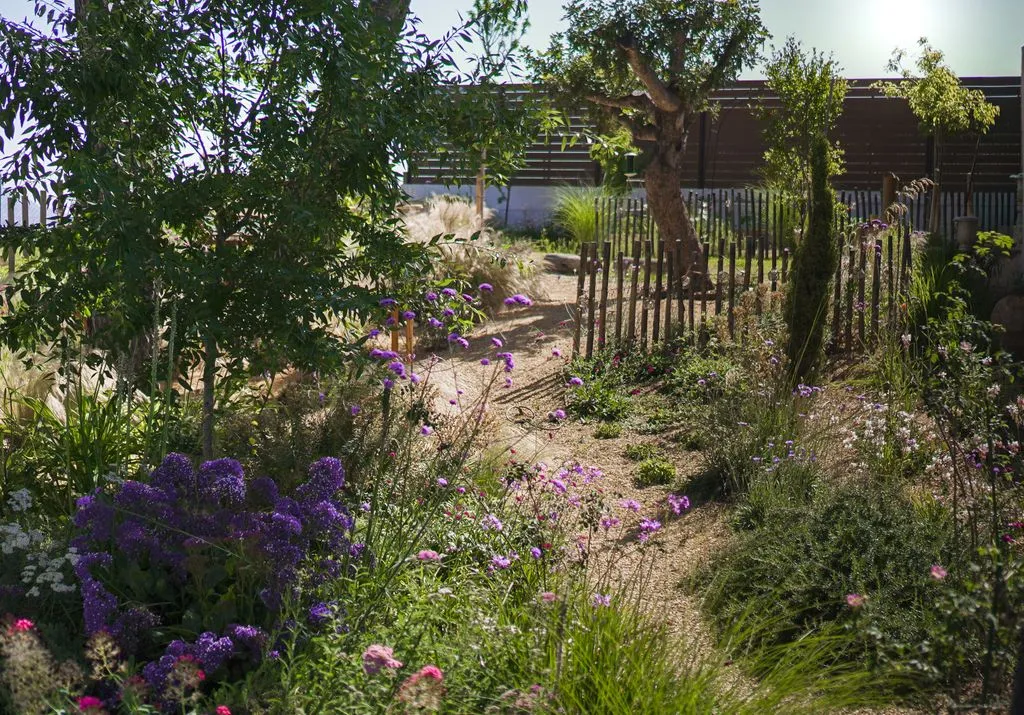
The garden stops being an ornament and becomes infrastructure. What is a Valencian experiment today is an ordinary back yard...
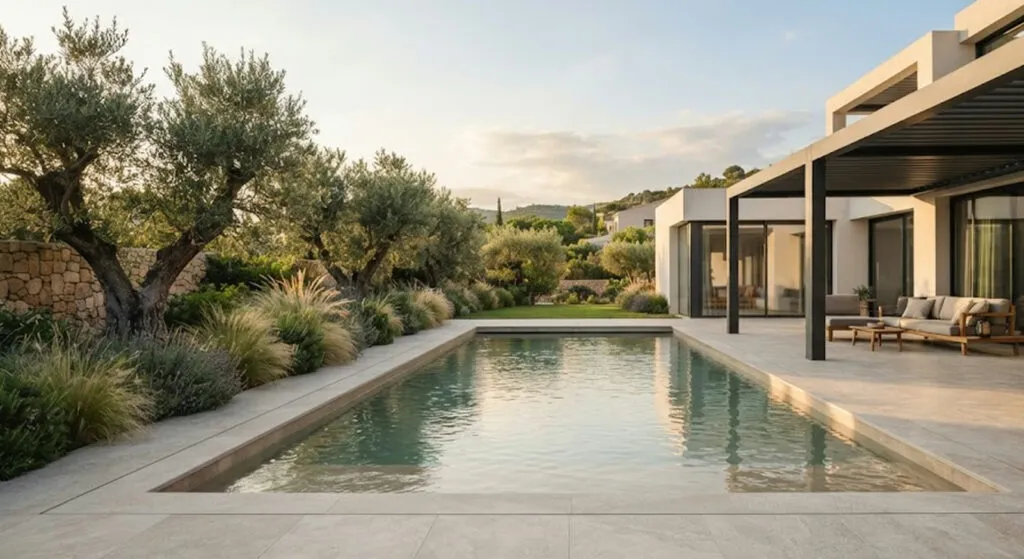
The blue rectangle in the corner of the garden is no longer the law, but the real mistake is not...
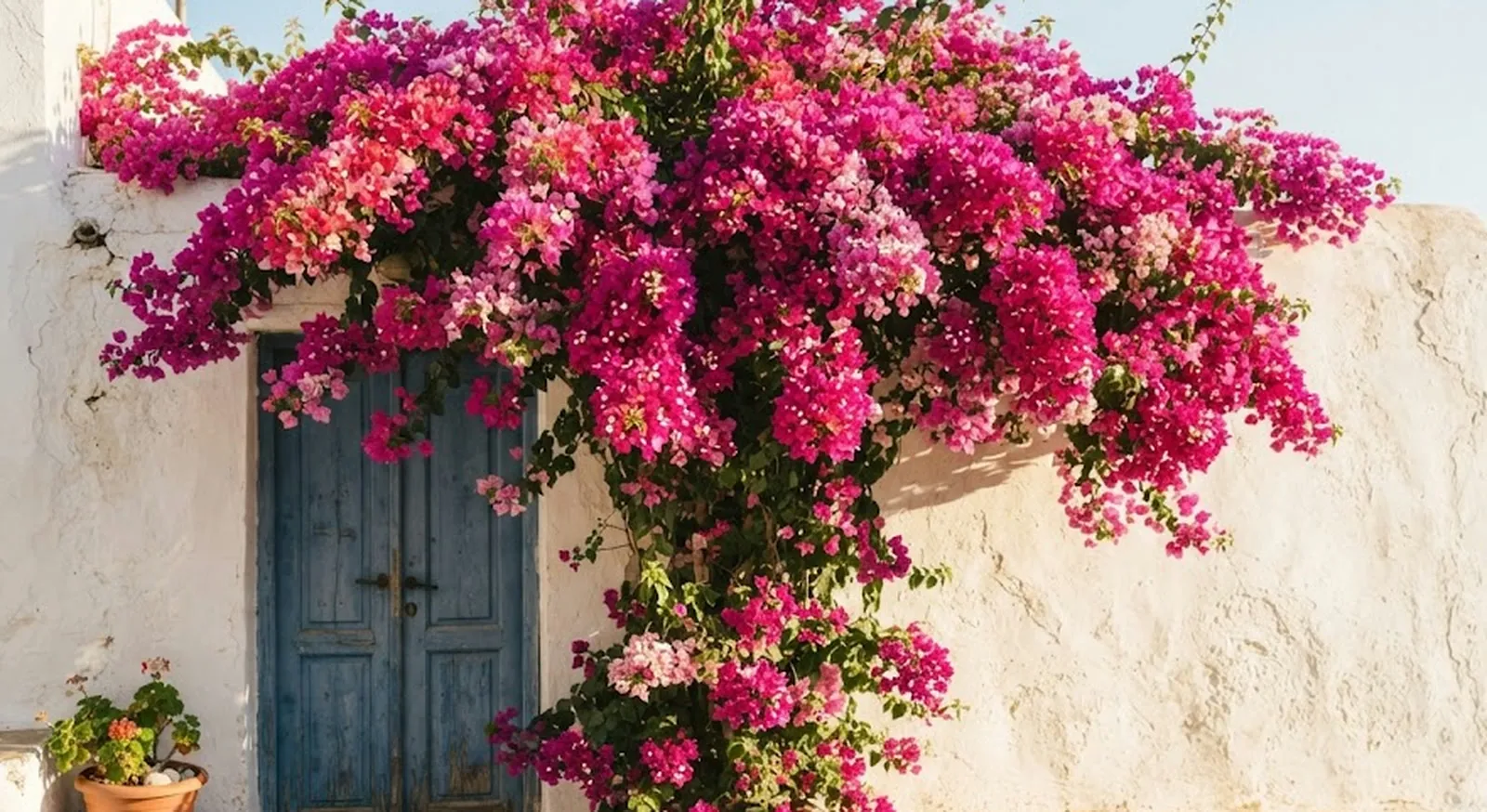
That explosion of colour spilling over Mediterranean walls asks for just two things - sun and a little thirst. And...
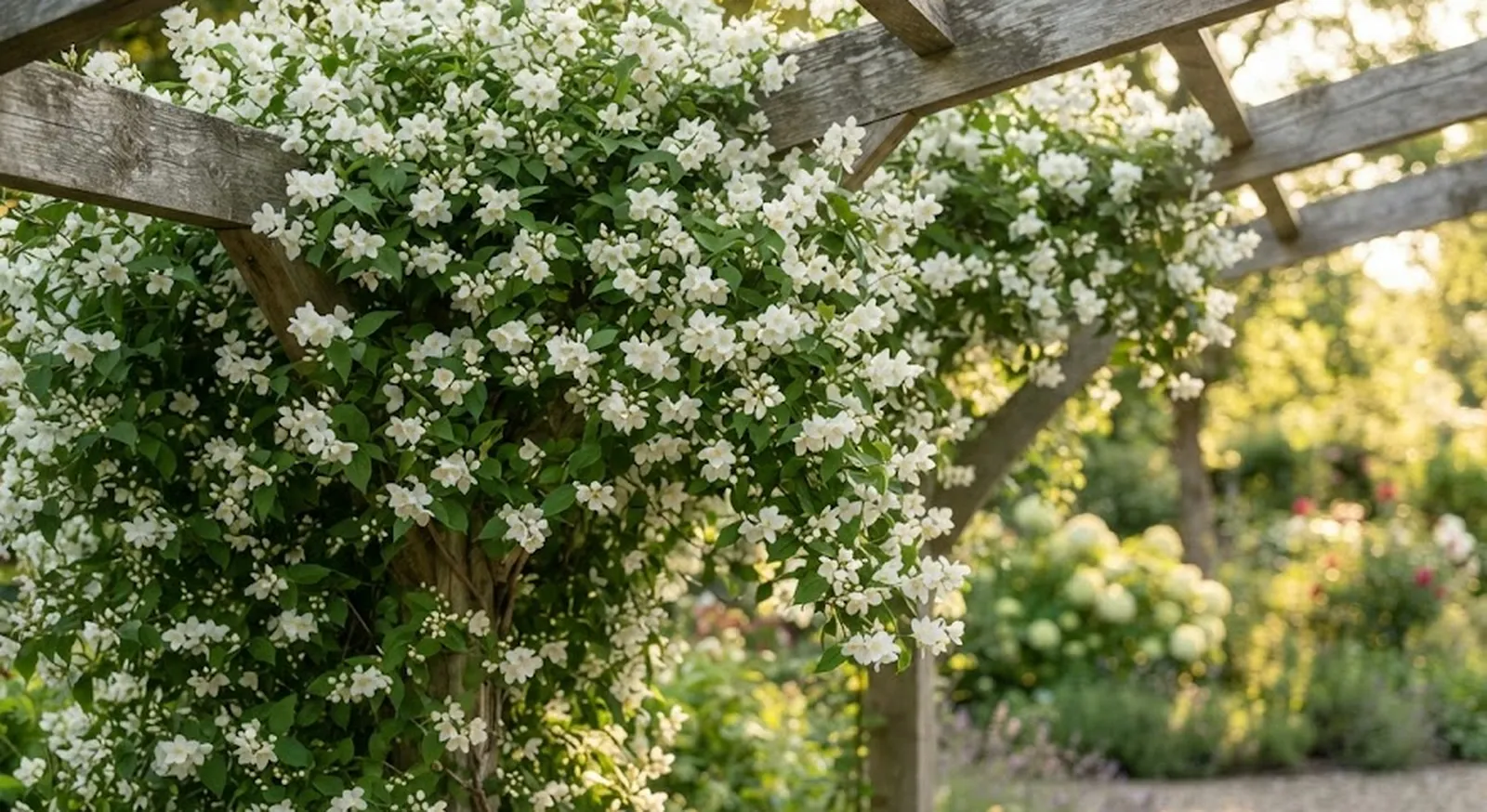
For months of flowers and that heady scent, common jasmine asks you to do a few things right. The most...

Not a scent from a spray can, but something alive that calms you. Sometimes the freshest home is the one...
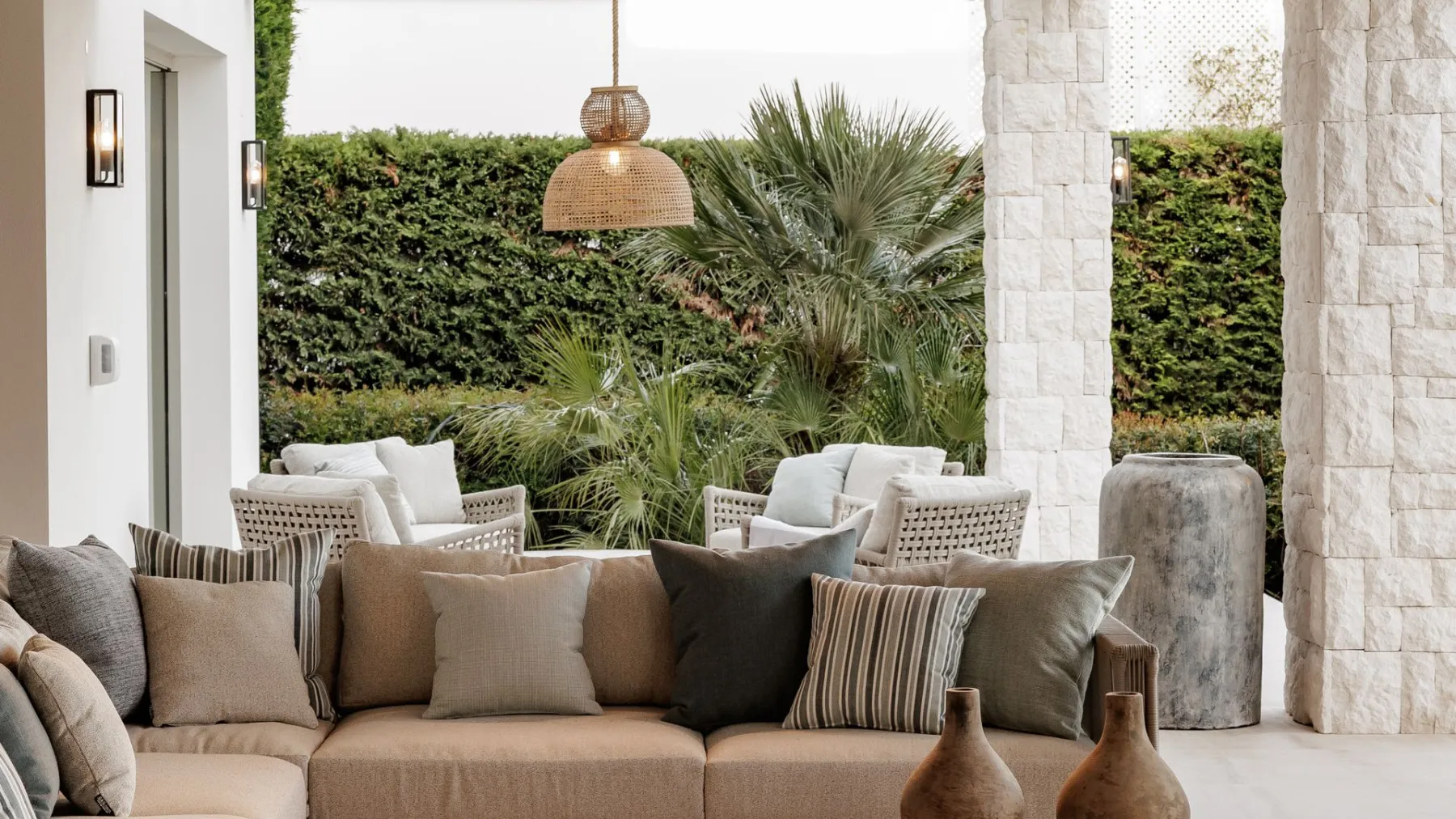
The difference between a terrace that collects plants and a terrace where you stay lies in a few decisions that...
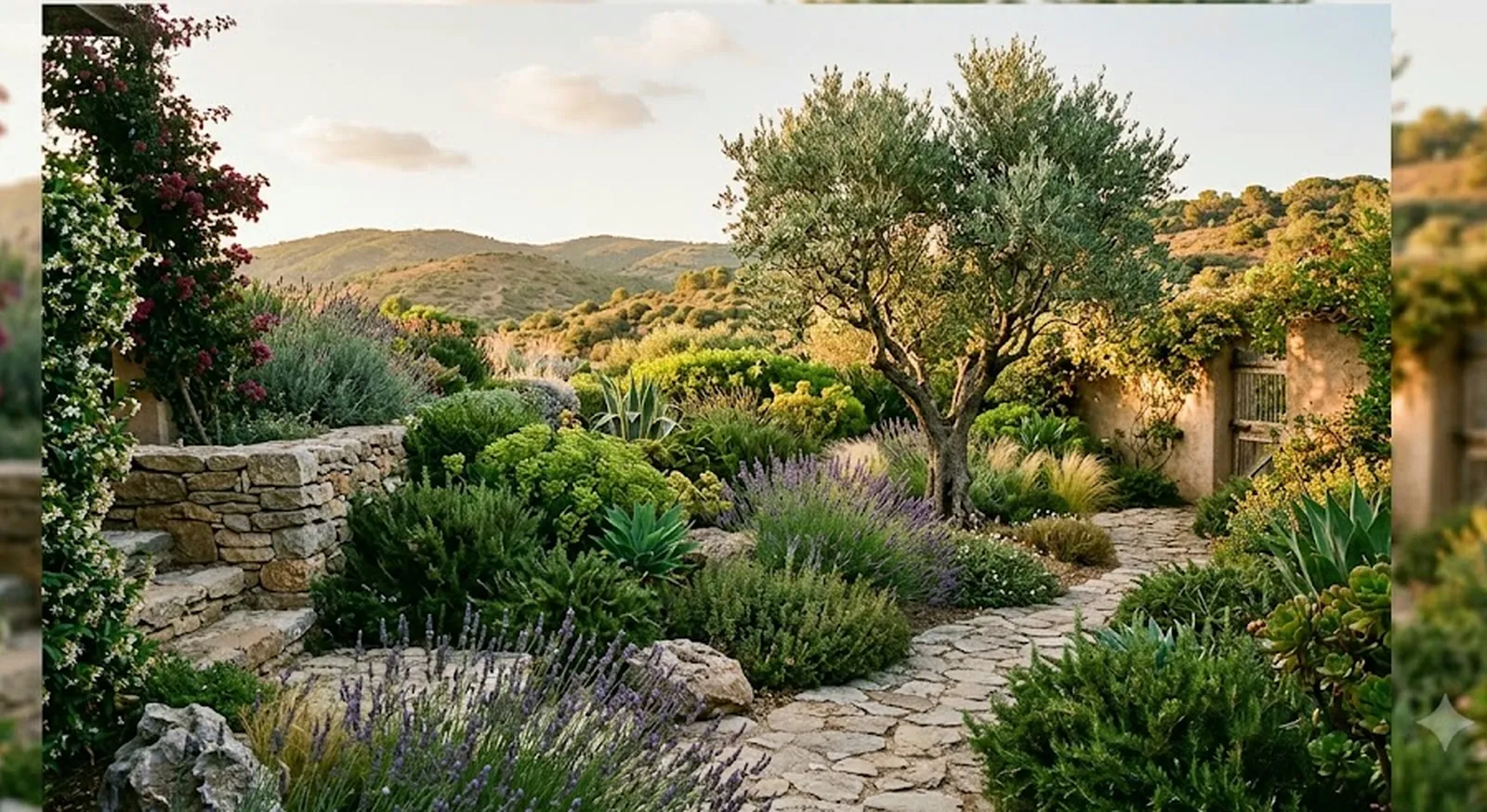
Buying plants with no plan, artificial grass, oversized saplings - a landscape architect lists the mistakes you pay for late....
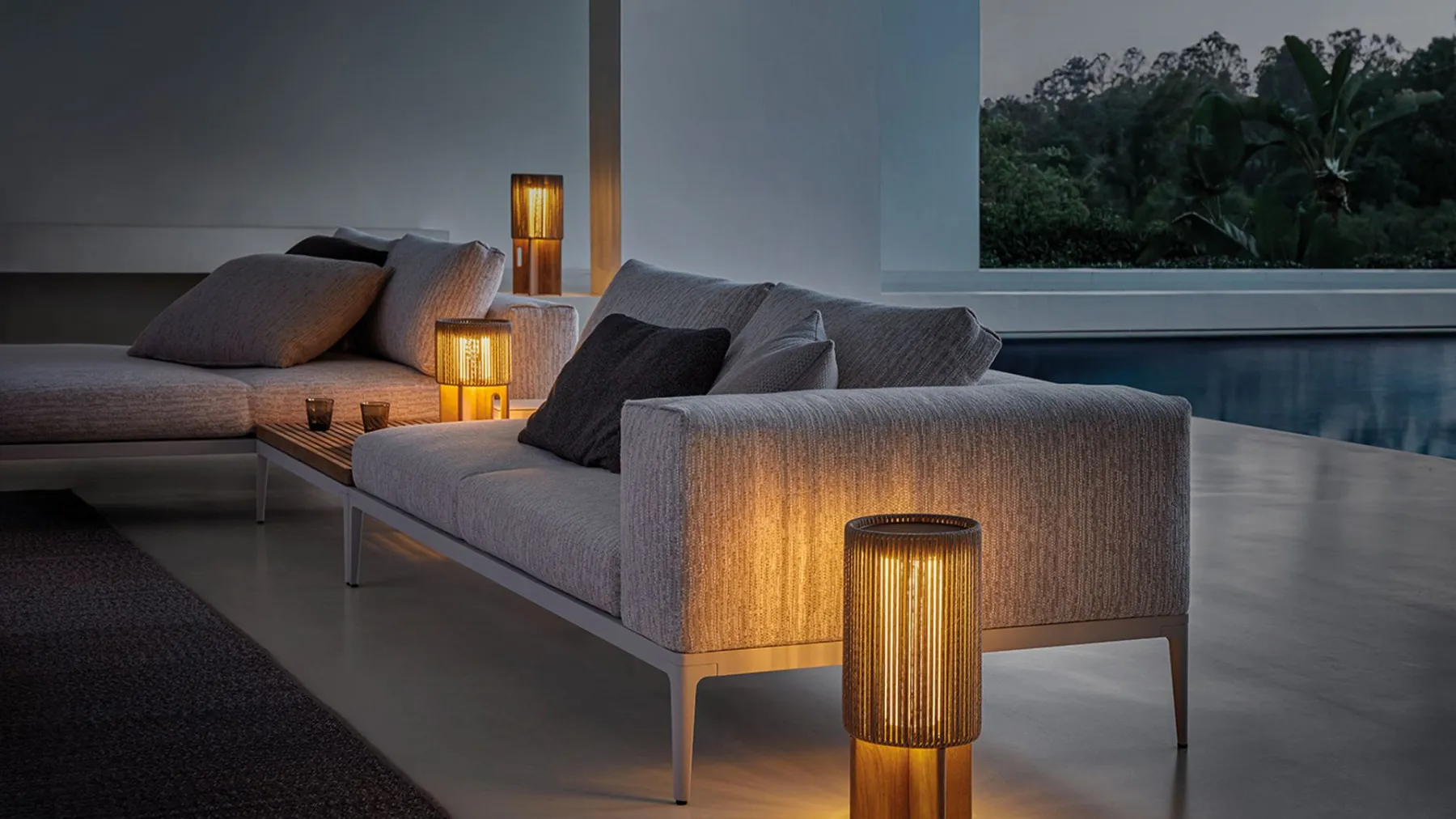
The feeling that every corner was designed to calm you doesn't depend on a five-star budget. It depends on one...
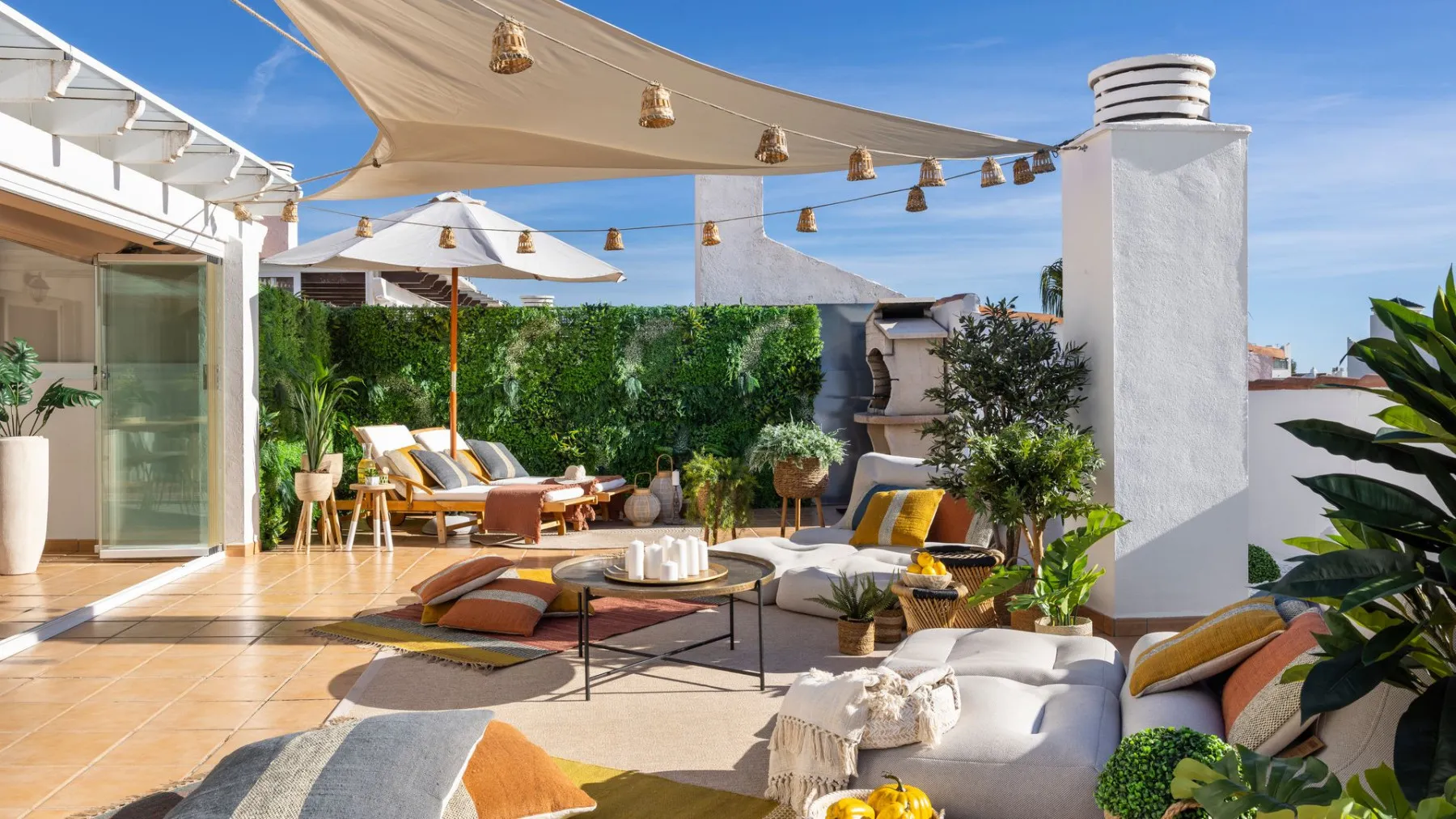
70% of outdoor-space mistakes start before you walk into the shop. A checklist that leans more on Grandma's kitchen than...
Three-piece sets are done. Experts describe the best 2026 terraces as "spaces gathered over time" - wood plus metal, rattan...
This site uses cookies - is that okay? Learn more
Be the first to know when Metla launches something new
Leave your email and we will write when there is a new guide or something new on Metla.