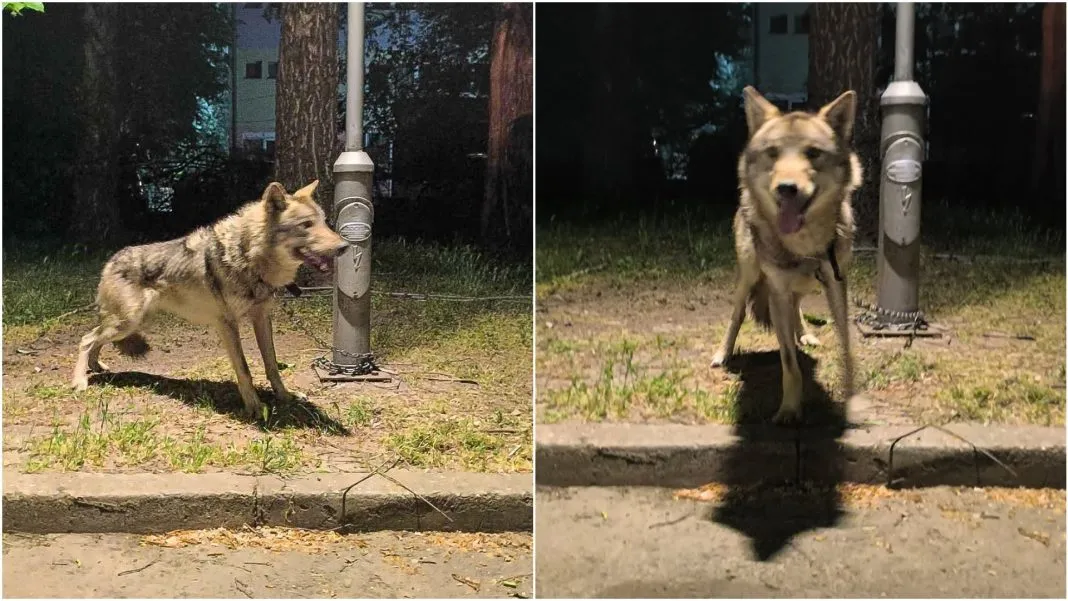
Wolf Captured in the Middle of Kozle, Skopje: Kept on a Chain Like a Pet, Now Heading to the Zoo
13.05.2026


13.05.2026

13.05.2026

13.05.2026
13.05.2026
13.05.2026

13.05.2026
13.05.2026

12.05.2026

12.05.2026
13.05.2026

13.05.2026

12.05.2026
13.05.2026

13.05.2026

13.05.2026

13.05.2026

12.05.2026

11.05.2026

13.05.2026

13.05.2026

13.05.2026

13.05.2026

13.05.2026
12.05.2026

09.03.2026

27.02.2026

19.02.2026

14.04.2026

07.11.2025
07.11.2025

23.04.2026

23.04.2026

12.04.2026

Macedonia recorded a 5.2% rise in tourist numbers in the first quarter of 2026. Foreign tourists jumped 6.9% year-on-year. It looks like good news. But reading the figures carefully reveals that the story isn't quite that rosy.
First of all - overnight stays are slightly down, minus 0.3%. That means more tourists are arriving, but staying shorter. Tourists who come for two days and leave don't generate the same economic effect as those who stay five or seven nights. That's the difference between „transit tourism" and „residential tourism", and Macedonia keeps sliding deeper into the first category.
In March 2026, foreign tourists dominated with 80.3% of total arrivals. Of 134,233 overnight stays - 73.5% were by foreign visitors. The biggest groups are Germans (9,645 tourists), Turks (9,090), French (4,945), and Serbs (3,955). All four markets are familiar: Germans for Ohrid, Turks for company and shopping, French for Skopje No. 13, Serbs as steady regional visitors.
What's not on that list is more important. Bulgarians, once a major tourist group, are shrinking. Greeks - who used to enjoy Macedonian alcohol and café prices - are also declining. Those are the two nearest markets, and both are receding. The question is why.
Bulgarians seem to be choosing their own domestic tourism options more (Sofia is opening more new hotels, Bansko keeps growing). Greeks have their own political and financial problems, and this year too they are staying home more. It's not a disaster. But it's hardly a sign of growth either.
Domestic tourism is stuck in place - domestic tourists are down 6.9%. That means Macedonians are travelling less inside their own country. Why? Because travelling within Macedonia is getting expensive. When a night in Ohrid in August costs over 100 euros for a couple, many Macedonian families pick - either Greece (because it's nearly the same price for better quality), or simply not travel at all.
A small rise is good news for the industry. But it's not a breakthrough sign. Macedonia is competing with all of Eastern Europe for the same slice of the tourist pie. Without bigger investment in infrastructure, without bigger marketing campaigns aimed at specific markets, and without more diversity (something beyond Ohrid), the numbers will stay where they are - modest, not catastrophic, not spectacular.
The latest 10 news from this category
The market has become investment-driven, not consumer-driven. The rich buy to store money, the poor watch, and the middle class...
Geopolitical tensions, inflation fears and central banks doing the buying - three reasons for record prices. For the Balkans -...

Booking, Expedia, Viator and Trip.com are the first round of partners. ByteDance isn't building a system - it's building a...
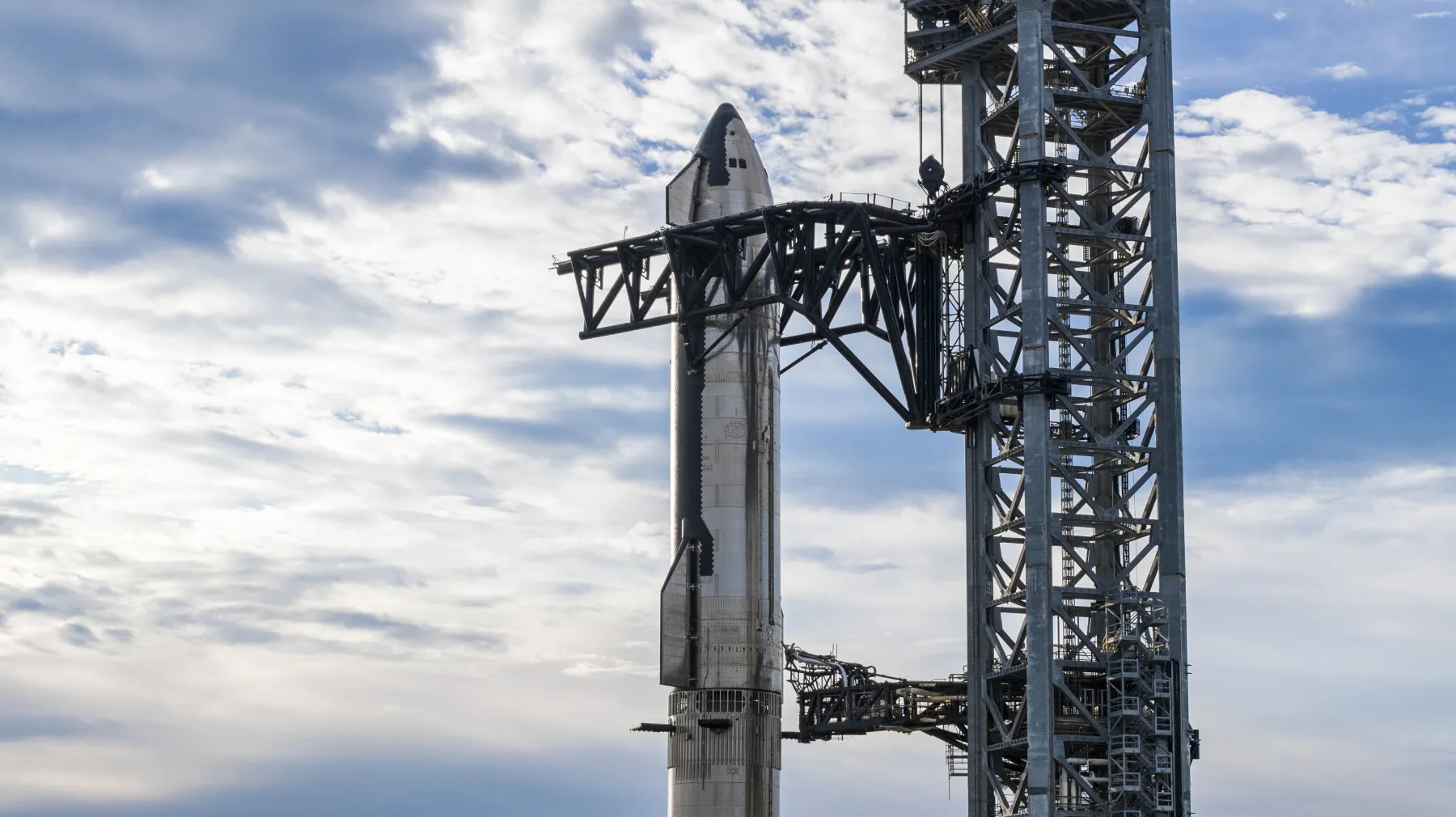
Musk promises cheaper computing in orbit, Google is talking to everyone in parallel. Project Suncatcher has its first satellite due...

OpenAI's chief executive in the courtroom revealed a scene no Silicon Valley screenwriter would invent - succession to the kids,...
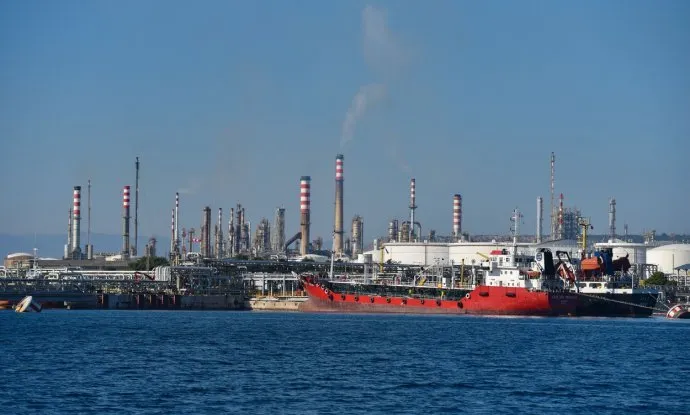
Four percent in a single day. A closed Strait of Hormuz would mean oil over 150 dollars. And the Balkans,...
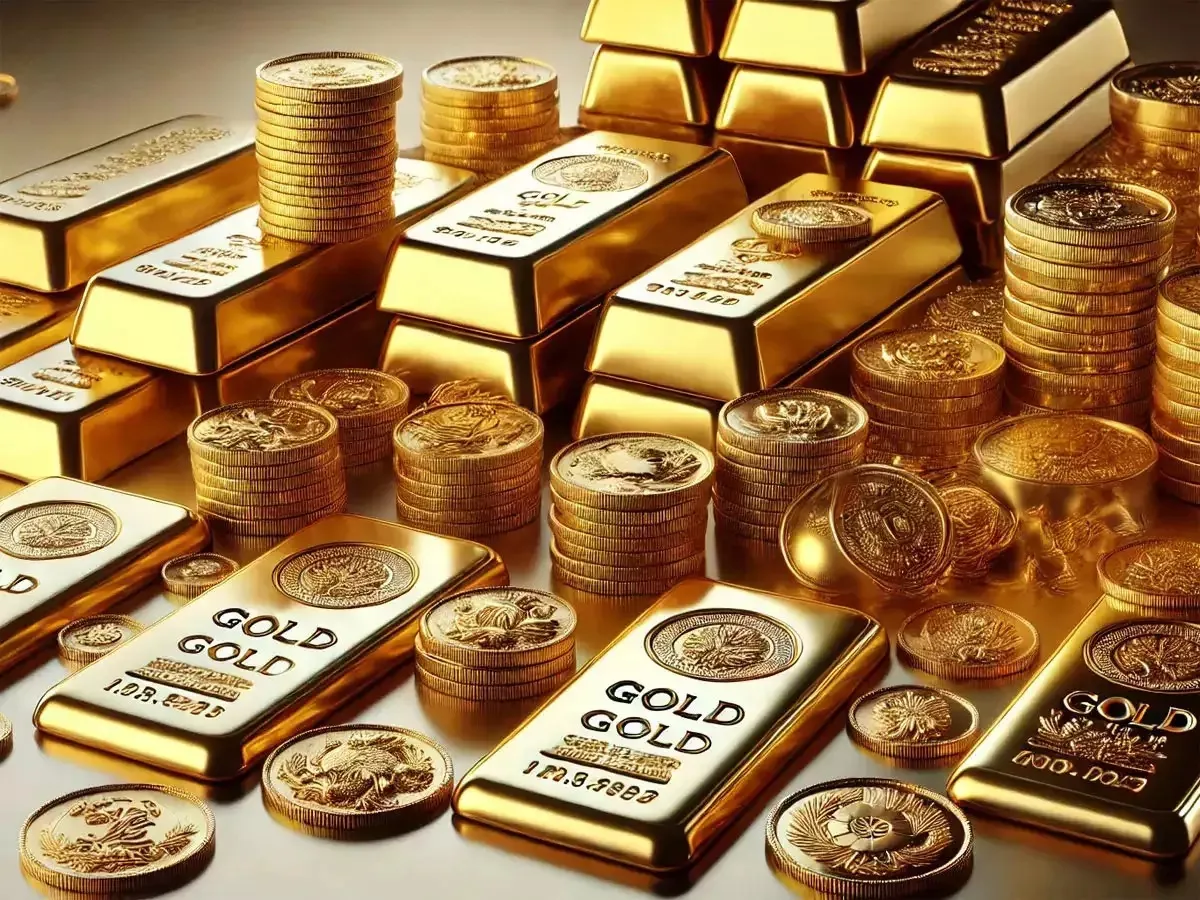
128 euros a gram. Geopolitics, inflation and dollar fear - all back to the old truth. When the world burns,...

500 Boeing 737 MAX aircraft for China are on the table. From 29 executives in 2017 to 16 today -...

Apple resisted RCS for years, regulation finally won. The green and blue bubbles now have a padlock - beta is...
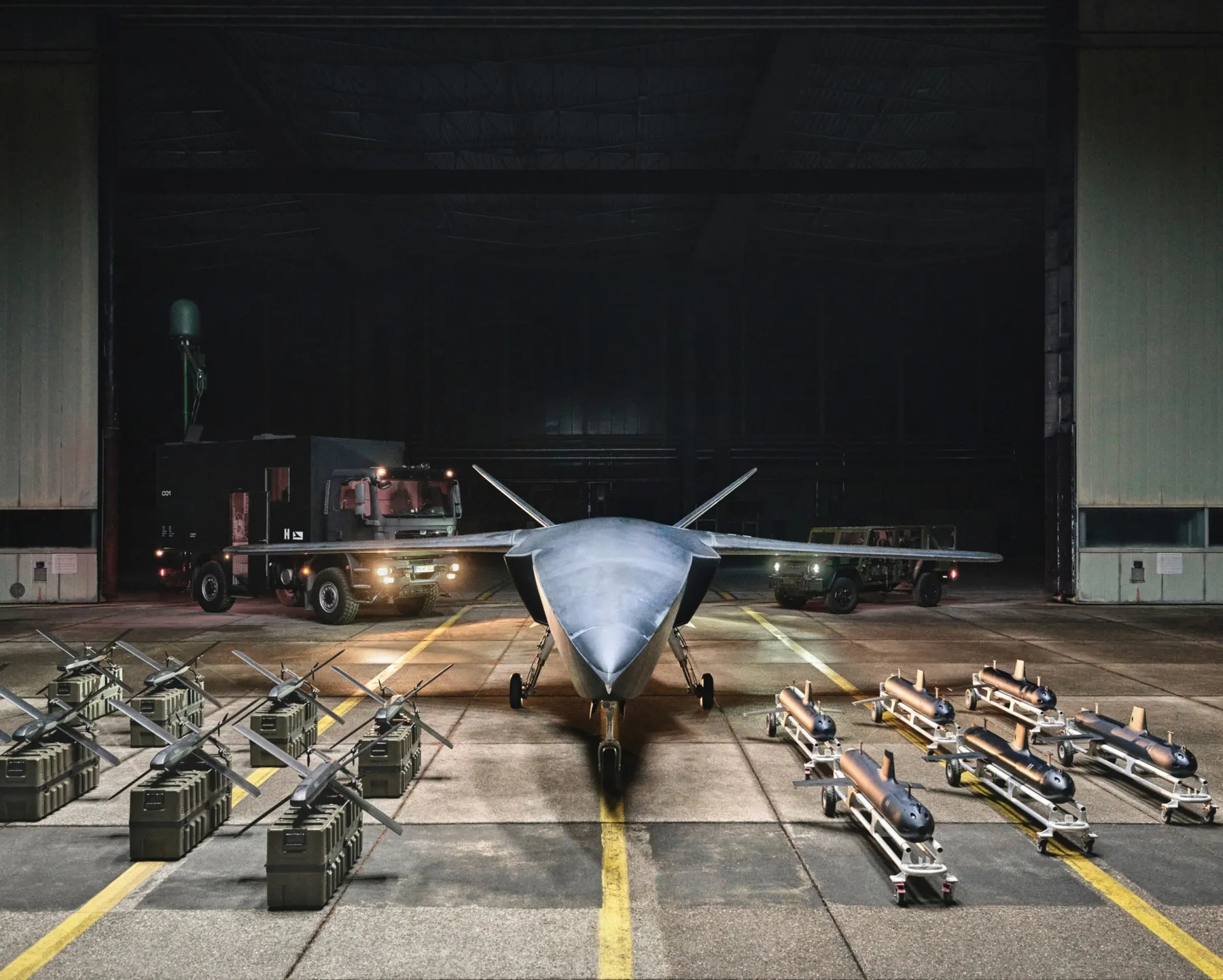
From 12 to 18 billion euros in 11 months. The war in Ukraine has turned European defence tech into the...