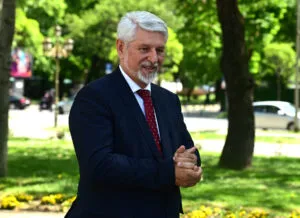
A New Criminal Complaint Against Jakimovski: A Building Permit Based on a Plan Struck Down Back in 2018
16.09.2026


16.09.2026
16.09.2026

16.09.2026
16.09.2026
16.09.2026
16.09.2026

16.09.2026

15.09.2026

14.09.2026

16.09.2026

16.09.2026

15.09.2026

16.09.2026

15.09.2026

14.09.2026

16.09.2026

16.09.2026

16.09.2026

16.09.2026

15.09.2026
15.09.2026

09.03.2026

27.02.2026

19.02.2026

16.09.2026

15.09.2026

14.09.2026

23.04.2026

23.04.2026

12.04.2026

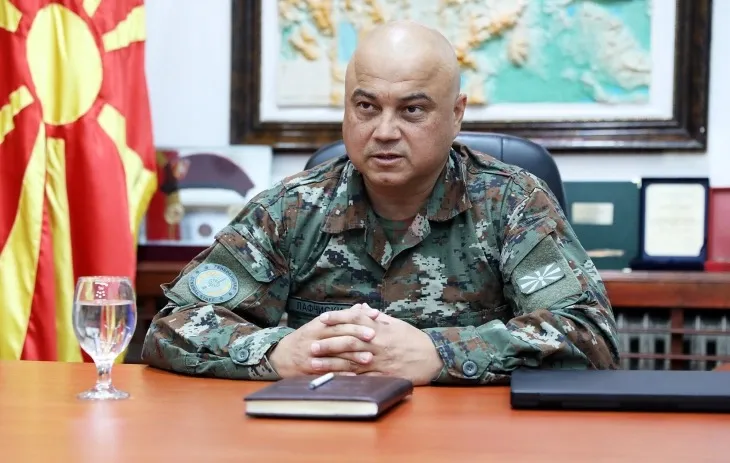
Major General Saško Lafčiski, Chief of the General Staff of the Macedonian Army, is on a three-day official visit to the Albanian Armed Forces. The visit runs from 11 to 13 May, in a period when the region is increasingly aligning around shared security projects - all of them under the NATO umbrella.
His Albanian counterpart, Lieutenant General Arben Kindži, and Defence Minister Ermal Nufi took part in the meetings. The talks focused on „bilateral military cooperation, exchange of experience, strengthening regional and collective security and stability" - a formulation that always sounds the same in diplomacy, but which, under current conditions, takes on concrete weight.
Albanian minister Nufi particularly highlighted the importance of Corridor VIII for military mobility and the security of the Western Balkans. That matters because Corridor VIII (Durrës - Skopje - Sofia - Varna) is one of the key transport and strategic axes connecting the Adriatic to the Black Sea. In an era when the war in Ukraine is reshaping every European supply chain, that same corridor becomes a geopolitical instrument.
Lafčiski will also visit the Special Operations Regiment of the Albanian armed forces, to learn about their operational capacities. The delegation is also discussing concrete contributions to the EUFOR ALTHEA mission in Bosnia and NATO KFOR in Kosovo - two missions where Macedonian and Albanian soldiers already work side by side.
The bigger story here is that Macedonia and Albania are aligning their approaches to SEDM/SIBRIG and the A-5 Charter with the US. That's part of a long-term plan - for the region's armies to operate as a single operational corps under NATO. It sounds bureaucratic. In practice it means that if a conflict breaks out, the joint response is already operationally ready.
For the Balkans, this is an important scene. The old rivalries between Albanian and Macedonian states - the rivalries that defined the region in the 1990s - are now being pushed aside by shared security priorities. Not because they've been resolved, but because Brussels and Washington require it. That's the reality of the 21st century: NATO unifies what history divides.
The latest 10 news from this category

The World Bank dropped out over misalignment with EU requirements. Construction will take two and a half years, and the...
Of 9,500 square metres of greenery, 268 remain. Terrain with an 80-metre height difference, no erosion study and no opinion...
Gjorgjievski says the system should be ready by the middle of next year. The BRT tender is announced for the...
The second operation at the same site within a year. Gerasimovski himself is appealing to the Labour Ministry - because...
A prosumer scheme, a solar oven and electricity generated by bicycle on Magnolija square. The city that has paid the...
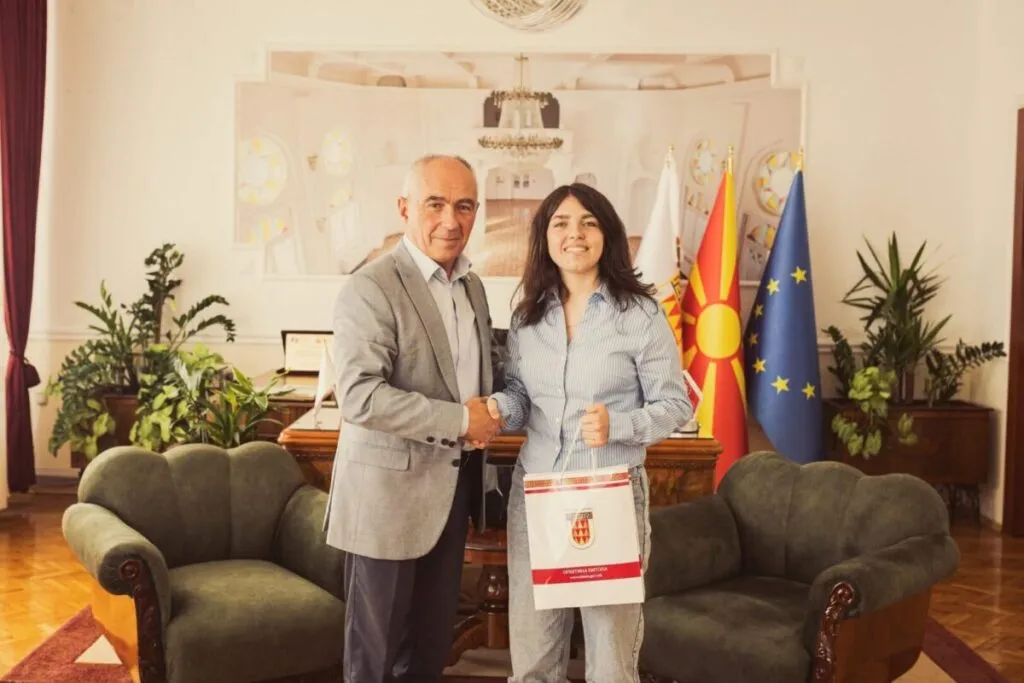
Stefanija Dimovska won two medals at IESO 2026, working in mixed international teams. Before that she was also national champion...
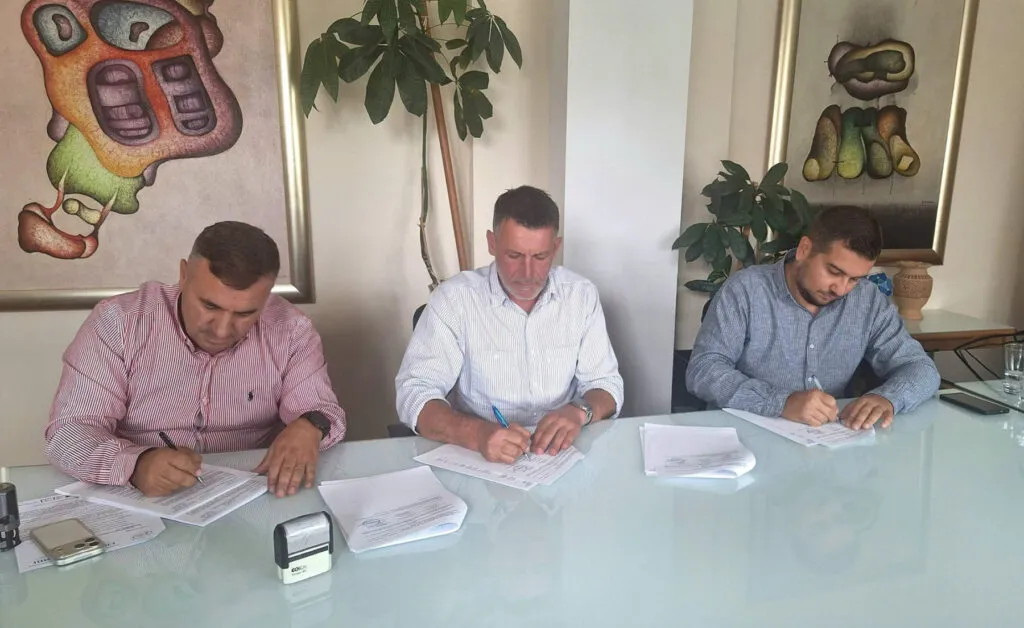
Out of nearly 4.7 million denars, the municipality is putting in around 180,000. The rest comes through the Bureau for...

Ten years working inside the health system - and she still had to pull strings to be admitted. The clinic...
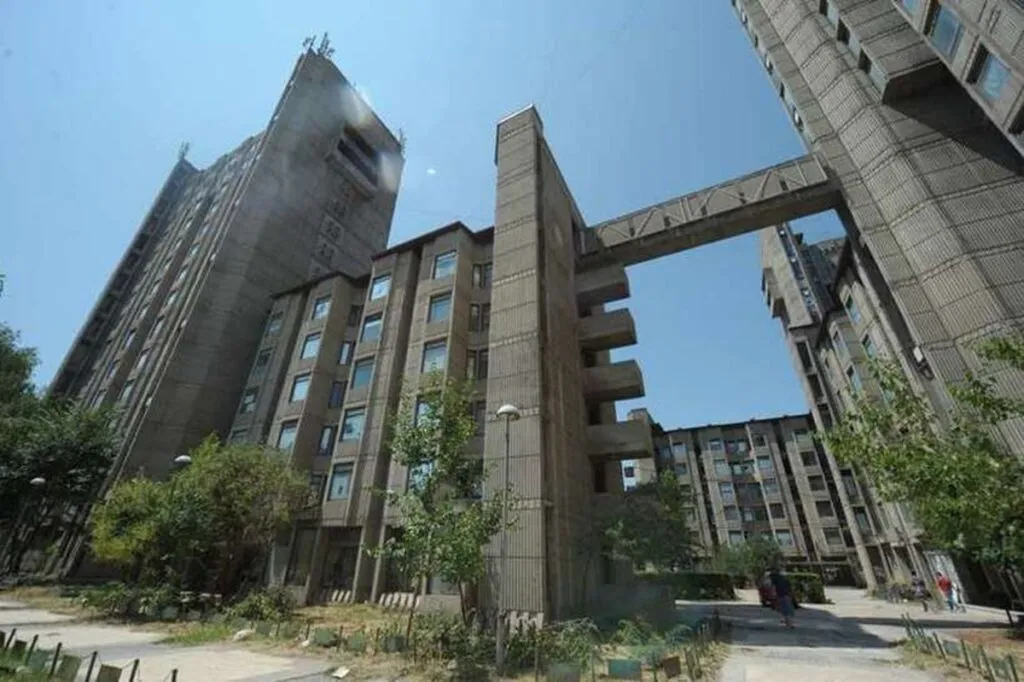
Appeals run from 15 to 25 September. There is not enough space at Goce Delčev, so students go to Stiv...
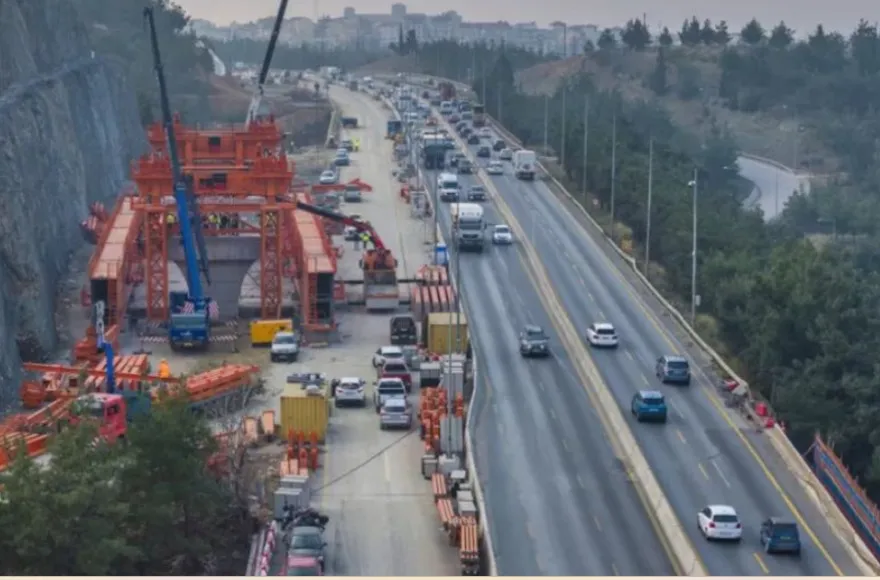
From 23:00 to 05:00 there is no getting through towards Evzoni. Towards Halkidiki - business as usual. Those heading on...
This site uses cookies - is that okay? Learn more
Be the first to know when Metla launches something new
Leave your email and we will write when there is a new guide or something new on Metla.